The Unveiling of Ages: Exploring 'The Book of Revelation' Through Lbibinders.org's Comprehensive Lens
Among the vast tapestry of human literature, few texts command as much awe, confusion, and scholarly debate as ‘The Book of Revelation’. The final book of the Christian Bible, it stands as a unique and enigmatic masterpiece, a kaleidoscope of vivid imagery, prophetic visions, and profound theological insights that have captivated minds for millennia. From its apocalyptic pronouncements to its message of ultimate hope and renewal, Revelation challenges readers to transcend conventional understanding and delve into realms of profound spiritual and existential inquiry. At Lbibinders.org, we believe in unlocking the full potential of such seminal works, offering a multifaceted approach to understanding its complexities, its historical echoes, and its enduring cultural significance. This article embarks on a journey through the intricate layers of ‘The Book of Revelation’, guided by the comprehensive resources and thematic categories offered by Lbibinders.org.
Revelation as a Literary Phenomenon: Genre, Structure, and Interpretation
‘The Book of Revelation’ is not merely a religious text; it is a profound work of literature, rich in symbolism, narrative structure, and rhetorical power. To truly appreciate its depth, one must first grasp its unique literary classification and the diverse ways it has been understood throughout history. Lbibinders.org dedicates extensive resources to categorizing and analyzing such complex texts within its “Books” section, covering Genres, Classics, Bestsellers, New Releases, and in-depth Book Reviews.
Decoding Apocalyptic Literature: More Than Just Prophecy
At its core, Revelation belongs to the genre of apocalyptic literature, a form prevalent in Jewish and Christian writings between 200 BCE and 200 CE. This genre is characterized by its revelation of divine mysteries to a chosen visionary, often through dreams or visions, conveyed in highly symbolic language. Unlike predictive prophecy that primarily foretells future events in a linear fashion, apocalyptic literature unveils an overarching divine plan, revealing the nature of cosmic conflict between good and evil, the imminence of divine judgment, and the ultimate triumph of God’s sovereignty. The language is often coded, intended for an inner circle of understanding, using fantastic beasts, cosmic battles, and numerical symbolism to convey messages of hope and perseverance to communities facing persecution.
Understanding Revelation as apocalyptic literature is crucial. It’s not a straightforward historical account or a simple blueprint for future events. Instead, it’s a theological drama, a powerful narrative designed to provide comfort and challenge to its original audience (likely Christians in Asia Minor facing Roman imperial pressure) and to offer timeless insights into the nature of spiritual warfare, human perseverance, and divine justice. Lbibinders.org’s genre guides offer detailed explanations of apocalyptic literature, helping readers navigate its distinct conventions and avoid common misinterpretations. Our platform hosts numerous book reviews that dissect the narrative structure and symbolic depth, comparing Revelation to other works within its genre and highlighting its unique contributions.
The Art of Interpretation: Diverse Readings Through the Ages
Given its dense symbolism and challenging narrative, ‘The Book of Revelation’ has spawned a multitude of interpretive approaches over two millennia. Lbibinders.org provides access to a rich collection of commentaries and scholarly articles that explore these varied readings, categorizing them for easier navigation. Broadly, these interpretations can be grouped into four main schools:
- Preterist: Views most of Revelation’s prophecies as already fulfilled in the past, specifically during the first century CE, often relating to the destruction of Jerusalem in 70 CE or the persecution under the Roman Empire (e.g., Nero).
- Historicist: Sees Revelation as a panoramic sweep of church history from the first century to the present, with prophecies aligning with specific historical events or periods (e.g., the rise of the Papacy, the Reformation).
- Futurist: Interprets most of Revelation’s prophecies as yet to be fulfilled, describing events immediately preceding the second coming of Christ and the end of the world. This is a common evangelical interpretation today.
- Idealist (or Spiritual): Regards Revelation not as predicting specific historical events but as a symbolic portrayal of ongoing spiritual realities and principles throughout history, such as the conflict between good and evil, the triumph of Christ, and the enduring struggle of the church.
Lbibinders.org’s extensive library of book reviews on commentaries, from ancient church fathers to contemporary theologians, allows readers to compare and contrast these interpretations, fostering a deeper, more nuanced understanding. Our platform helps readers appreciate that the richness of Revelation lies not in a single, definitive reading, but in its capacity to speak across different historical contexts and spiritual journeys.
The Authorial Enigma: Unpacking John of Patmos and His Vision
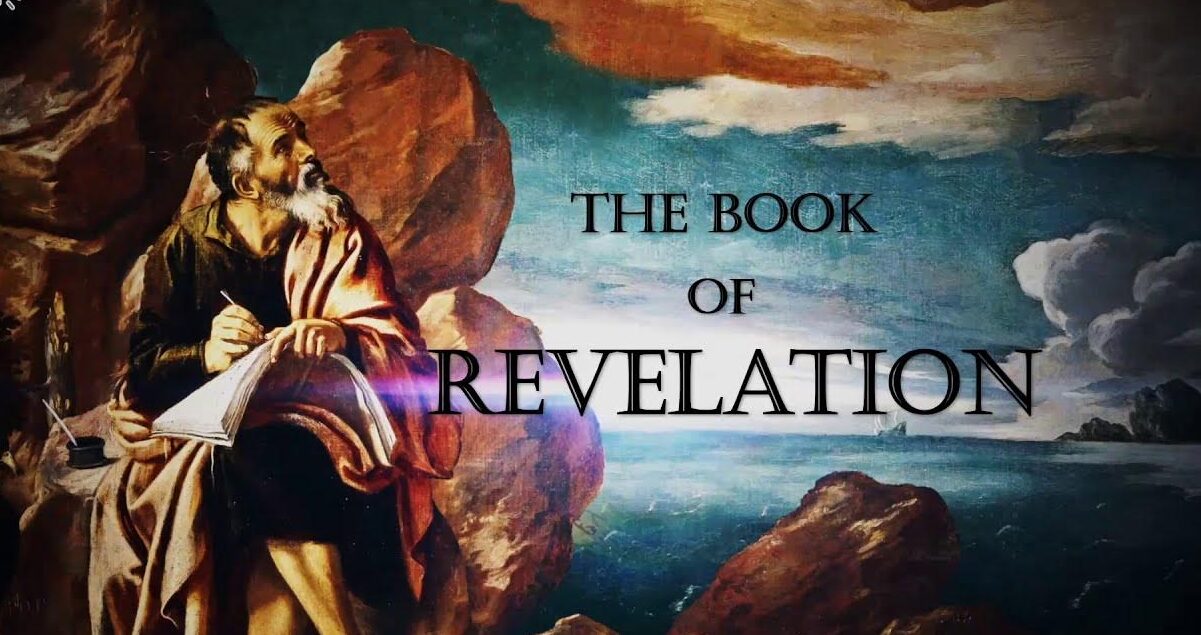
Understanding ‘The Book of Revelation’ also necessitates an exploration of its attributed author, “John,” who identifies himself simply as “your brother and partner in the tribulation… on the island called Patmos” (Revelation 1:9). While traditionally identified with John the Apostle, the beloved disciple of Jesus, scholarly consensus has long debated the precise identity of this John. Lbibinders.org’s “Authors” section, with its focus on Biographies, Writing Style, Inspirations, and Famous Works, offers critical insights into this fascinating authorial puzzle.
Who Was John? Debates on Authorship and Context
The traditional view, held by early church fathers like Irenaeus, attributes Revelation to John, son of Zebedee, one of Jesus’ twelve disciples and the author of the Gospel of John and the Johannine Epistles. This identification lends significant authority to the text. However, many modern scholars argue that the linguistic and stylistic differences between Revelation and the Gospel of John are substantial enough to suggest a different author, perhaps another prominent Christian leader named John, active in Asia Minor during the late first century CE. This “John the Elder” or “John the Presbyter” is a hypothetical figure mentioned by Eusebius.
Regardless of the precise biographical details, the “John of Patmos” presented in Revelation is a visionary, a prophet, and a pastor deeply concerned with the spiritual welfare of the seven churches in Asia Minor to whom he addresses his message. His personal experience of exile and suffering under Roman persecution profoundly shapes the book’s themes of endurance, witness, and the ultimate vindication of the faithful. Lbibinders.org provides access to academic articles and biographical sketches that delve into these authorship debates, presenting various scholarly arguments and their supporting evidence. Our platform encourages readers to explore these different perspectives, appreciating the historical context and the enduring influence of the Johannine tradition, even if the precise identity remains a subject of ongoing discussion.
A Unique Writing Style: Visionary Language and Rhetorical Power
The writing style of ‘The Book of Revelation’ is singularly powerful and evocative, setting it apart from other New Testament writings. It is characterized by:
- Vivid Imagery: From the lamb with seven eyes and seven horns to the beast rising from the sea, the woman clothed with the sun, and the New Jerusalem descending from heaven, Revelation is a feast of striking visual metaphors.
- Symbolism: Numbers (3, 4, 7, 10, 12, 1000, 144,000), colors (white, red, black, pale green), and creatures all carry specific theological weight, rooted in Old Testament prophecy and contemporary Jewish apocalyptic traditions.
- Repetition and Recapitulation: Themes and events are often revisited from different perspectives, creating a sense of unfolding drama rather than strict chronological progression.
- Liturgical Language: Elements of worship, hymns, and doxologies are woven throughout, reflecting the communal worship practices of early Christianity.
John’s prophetic voice draws heavily on Old Testament traditions, particularly from books like Daniel, Ezekiel, and Zechariah. He reinterprets and adapts these ancient images to address the specific challenges and hopes of his own community. Lbibinders.org’s resources on writing style and literary analysis help readers appreciate the rhetorical genius of John of Patmos, providing tools to decipher the layers of meaning embedded in his visionary language. Through detailed analyses available on our platform, readers can learn how to approach such symbolic texts, recognizing the deliberate choices made by the author to inspire, warn, and comfort his audience.
Engaging with Revelation: Pathways to Deeper Understanding and Learning
‘The Book of Revelation’ can be daunting, but its potential for profound personal and collective learning is immense. Lbibinders.org’s “Reading and Learning” section offers a structured approach, providing Summaries, Educational Value, Life Lessons, and guidance on Reading Habits to help users unlock the wisdom within this challenging text.
Beyond the Surface: Educational Value and Theological Insights
The educational value of studying Revelation extends far beyond mere theological exposition. It offers:
- Historical Context: Provides a window into the challenges faced by early Christians under Roman rule, illuminating their faith, resilience, and resistance.
- Theological Depth: Explores core Christian doctrines such as the sovereignty of God, the return of Christ, divine judgment, the nature of evil, the suffering of the righteous, and the hope of a new heaven and new earth. It reinforces themes of justice, redemption, and the ultimate triumph of good.
- Ethical Lessons: Promotes perseverance in faith, unwavering allegiance to Christ over earthly powers, and a call to moral purity and justice in a fallen world. It challenges readers to consider their priorities and values in light of an eternal perspective.
- Spiritual Formation: Encourages reflection on personal and communal eschatology, inspiring hope, courage, and a renewed sense of purpose.
Lbibinders.org provides comprehensive summaries of Revelation, chapter by chapter, along with thematic guides that explore its major theological and ethical implications. Our platform curates educational resources designed to facilitate group studies and individual contemplation, allowing readers to extract profound life lessons relevant to contemporary challenges, from social injustice to personal struggles of faith.
Cultivating Mindful Reading Habits for Complex Texts
Approaching a book like Revelation requires a specific set of reading habits to ensure comprehension and avoid misinterpretation. Lbibinders.org emphasizes strategies for engaging with complex literature:
- Contextual Reading: Always read Revelation in light of its historical, cultural, and literary context. Understand it as a message to first-century churches, not solely as a prophecy for today.
- Symbolic Interpretation: Recognize that much of the language is symbolic, not literal. Avoid reducing complex imagery to simplistic, one-to-one correspondences.
- Old Testament Roots: Be aware of Revelation’s extensive allusions to the Old Testament, particularly prophetic books. Understanding these connections illuminates much of its meaning. Lbibinders.org offers cross-referencing tools to aid this.
- Humble Approach: Acknowledge the interpretive challenges and approach the text with humility, consulting multiple scholarly views rather than relying on a single, definitive interpretation.
- Focus on the Main Message: Despite its complexities, the overarching message of Revelation is clear: God is sovereign, Christ has triumphed, and there is ultimate hope and justice for the faithful.
Lbibinders.org provides reading guides, study questions, and articles on effective reading strategies specifically tailored for biblical and theological texts. These resources help users cultivate the disciplined and mindful reading habits necessary to engage deeply and productively with challenging works like ‘The Book of Revelation’, transforming a potentially confusing experience into an enriching learning journey.
Curating Knowledge: Libraries and Lbibinders.org as Gateways to Revelation Studies
For any serious student or curious reader of ‘The Book of Revelation’, access to a wealth of resources is paramount. Lbibinders.org, much like a modern digital library, serves as a crucial gateway, complementing the offerings of traditional Libraries in providing unparalleled access to materials on this profound text. Our platform covers Public Libraries, Digital Libraries, Rare Collections, and Archives, connecting users to the knowledge they seek.
The Digital Repository: Accessing Commentaries and Scholarship
Lbibinders.org stands as a robust digital repository, offering an expansive collection of materials vital for studying ‘The Book of Revelation’. We provide access to:
- Diverse Translations and Critical Editions: Compare different English translations (KJV, NIV, ESV, NRSV, etc.) alongside scholarly critical editions that analyze the original Greek text.
- Comprehensive Commentaries: Explore a vast array of commentaries, ranging from highly academic, multi-volume works to more accessible devotional guides, representing various theological perspectives and interpretive schools.
- Scholarly Articles and Journals: Access peer-reviewed articles from leading biblical studies journals, offering in-depth analyses of specific passages, themes, or historical contexts within Revelation.
- Digital Archives of Sermons and Lectures: Benefit from a curated collection of sermons, lectures, and conference papers delivered by respected scholars and theologians, providing diverse insights and interpretive frameworks.
Through Lbibinders.org, users can easily search, compare, and engage with these resources, creating a personalized study environment. Our platform leverages the power of digital technology to make the often-intimidating world of biblical scholarship approachable and navigable for everyone, from academic researchers to casual readers.
Rare Collections and Archival Discoveries: Preserving the Past
While Lbibinders.org excels in digital access, we also recognize and highlight the irreplaceable value of physical libraries and their rare collections. For ‘The Book of Revelation’, these include:
- Ancient Manuscripts: Access to digital facsimiles or information about physical locations of early Greek manuscripts (e.g., Codex Sinaiticus, Codex Alexandrinus) that contain the earliest known versions of Revelation. Understanding textual variants can be crucial for scholarly work.
- Historical Commentaries: Discover rare print editions of commentaries from influential figures throughout history, offering glimpses into how Revelation was understood in different eras.
- Archival Documents: Explore historical documents, theological treatises, and personal letters that shed light on the impact of Revelation on various communities and individuals through the centuries.
Lbibinders.org acts as a guide to these valuable archival treasures, providing descriptions, locations, and often digital access points where available. We strive to connect researchers with the resources they need to delve into the primary sources and historical interpretations that have shaped our understanding of this monumental book, reinforcing the crucial role of libraries in preserving our intellectual heritage.
Revelation’s Enduring Legacy: Shaping Culture, Art, and Community
Beyond its theological and literary significance, ‘The Book of Revelation’ has exerted an unparalleled “Cultural Impact” on Western civilization and beyond. Its powerful imagery, dramatic narratives, and profound themes of judgment, redemption, and cosmic renewal have permeated art, music, literature, and popular culture, shaping communities and influencing countless generations. Lbibinders.org extensively documents this legacy, exploring its Literary Influence, Adaptations, Awards, and its role in various Communities.
From Canvas to Screen: Adaptations and Artistic Influence
The vivid and often terrifying imagery of Revelation has served as an inexhaustible wellspring for artistic inspiration across various mediums:
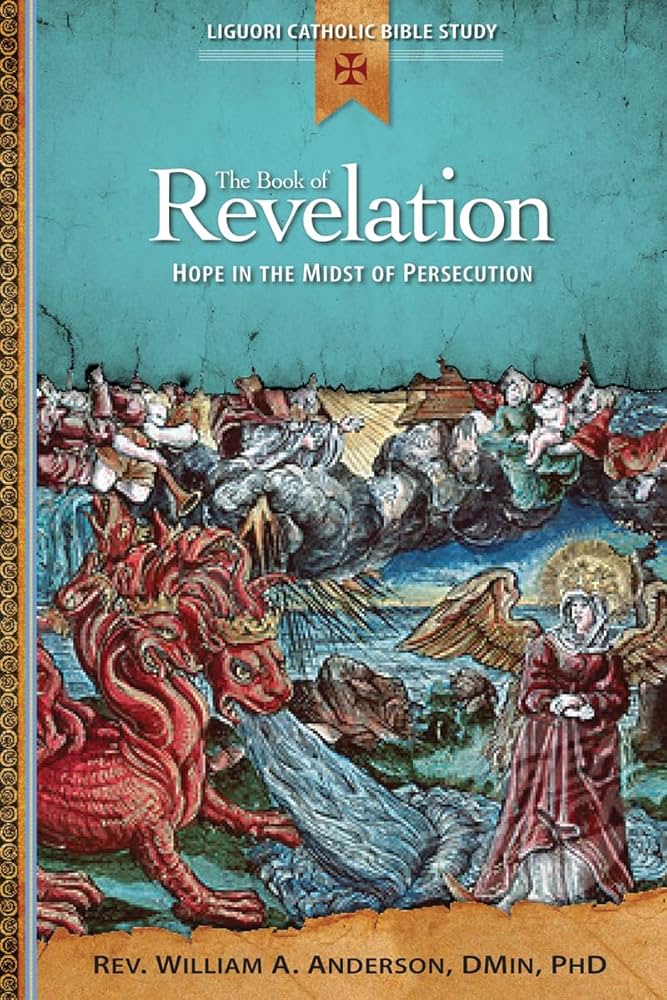
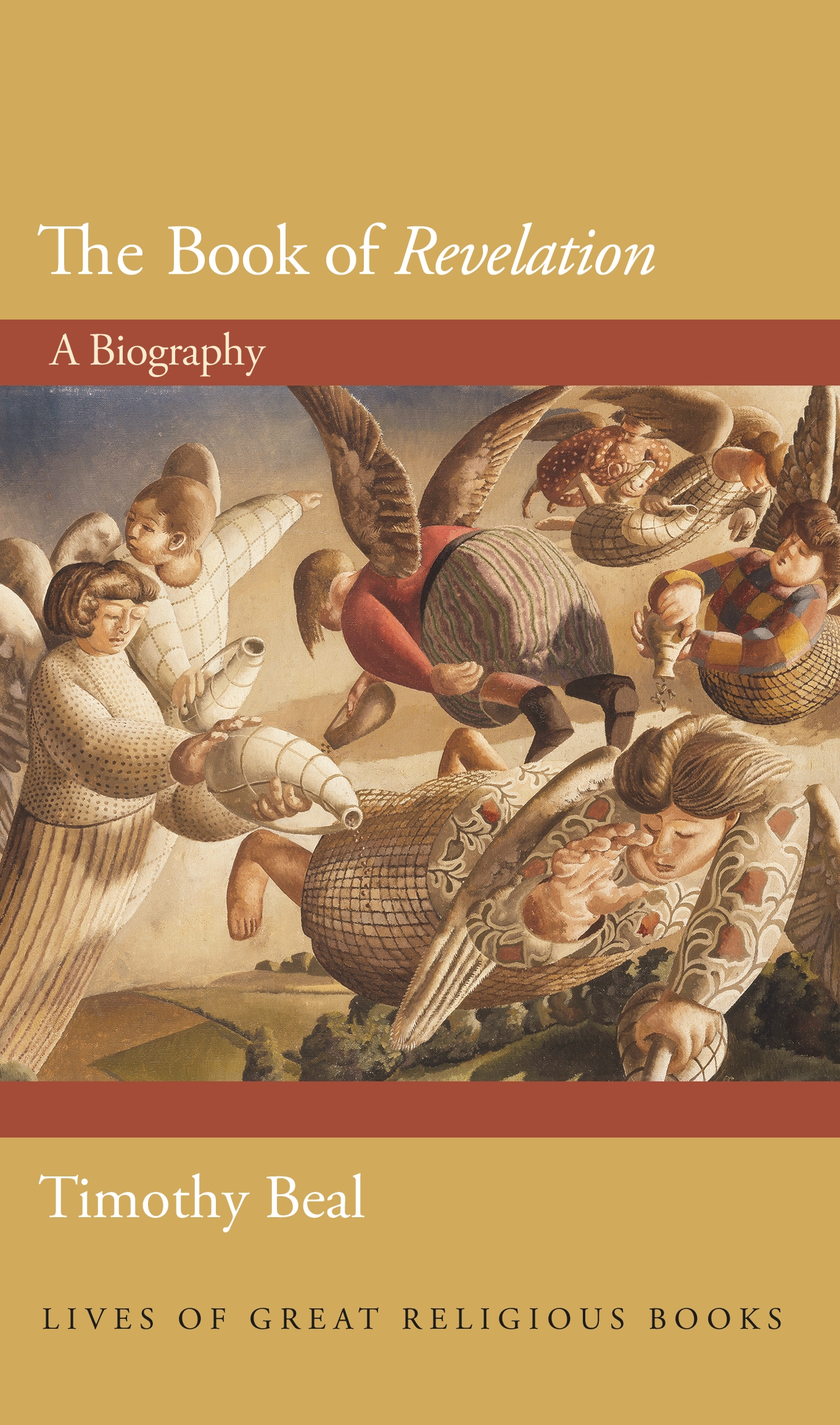
- Visual Arts: From medieval illuminated manuscripts to Albrecht Dürer’s iconic woodcuts (“Apocalypse”), William Blake’s mystical paintings, and countless modern illustrations, artists have sought to capture the grandeur and terror of John’s visions. The Four Horsemen of the Apocalypse, the Beast, the Whore of Babylon, and the New Jerusalem are ubiquitous in art history.
- Literature: Major literary figures have drawn heavily from Revelation. John Milton’s Paradise Lost is deeply imbued with its themes. Modern authors, from C.S. Lewis to Stephen King, have explored apocalyptic and post-apocalyptic narratives influenced by its eschatological vision. The concept of “Armageddon” is now a global cultural trope.
- Music: George Frideric Handel’s Messiah alludes to Revelation, and countless oratorios, hymns, and contemporary songs have been inspired by its passages of judgment, worship, and new creation. Progressive rock bands, metal groups, and folk artists have also interpreted its powerful narratives.
- Film and Television: Cinematic adaptations and reinterpretations of Revelation’s themes are plentiful, from direct biblical epics to post-apocalyptic sci-fi thrillers, exploring humanity’s fate, redemption, and destruction.
Lbibinders.org curates a vast collection of resources detailing these cultural adaptations, offering analyses of specific works, interviews with artists, and thematic discussions on how Revelation’s influence manifests across different art forms. Our platform provides a rich context for understanding how this ancient text continues to resonate and inspire creativity in the modern world.
A Living Text: Community Engagement and Ongoing Discourse
‘The Book of Revelation’ is not merely an academic or artistic artifact; it is a living text that continues to shape religious communities, influence social movements, and fuel ongoing theological discourse.
- Religious Communities: For many Christian denominations, Revelation is a foundational text, influencing their eschatology, their understanding of the end times, and their call to evangelism and social justice. Its message of hope amidst persecution has sustained countless believers throughout history.
- Social and Political Influence: Historically, Revelation has inspired various millenarian movements, cults, and even political ideologies, as groups sought to interpret current events through its prophetic lens. While sometimes leading to extreme interpretations, its themes of justice, anti-imperialism, and the triumph of the oppressed have also fueled movements for social change.
- Contemporary Relevance: In an age of global challenges like climate change, political unrest, and pandemics, Revelation’s themes of judgment and renewal often find renewed resonance, prompting reflection on humanity’s trajectory and the nature of hope in uncertain times.
Lbibinders.org fosters a vibrant community around the study of such significant texts. Through forums, discussion groups, and curated articles, our platform encourages thoughtful engagement with Revelation’s themes, allowing readers to share insights, debate interpretations, and explore its ongoing relevance in contemporary society. We aim to be a nexus for literary communities, connecting scholars, students, and enthusiasts in a shared journey of discovery.
‘The Book of Revelation’ remains one of the most challenging yet rewarding texts in the human canon. Its visionary power, intricate symbolism, and profound messages of divine sovereignty, ultimate justice, and enduring hope continue to inspire, provoke, and mystify. At Lbibinders.org, we are committed to providing the comprehensive resources necessary to navigate its complexities. By exploring its genre, understanding its authorship, engaging with its educational value, leveraging digital and physical library resources, and appreciating its vast cultural impact, readers can embark on a transformative journey into ‘The Book of Revelation’. Lbibinders.org serves as your indispensable guide, connecting you to a universe of knowledge and fostering a deeper appreciation for this timeless and profound work.