The Book Thief (2013): A Cinematic Testament to the Enduring Power of Words and Human Resilience

The year 2013 saw the cinematic adaptation of Markus Zusak’s beloved novel, The Book Thief, bringing to life a poignant narrative set against the grim backdrop of Nazi Germany. Directed by Brian Percival, the film masterfully translates the book’s profound themes of humanity, loss, and the extraordinary power of literature into a visually compelling and emotionally resonant experience. For enthusiasts of Books, especially historical fiction and coming-of-age stories, and those interested in the transformative impact of Reading and Learning, The Book Thief (2013) stands as a powerful testament to the human spirit’s ability to find light amidst the darkest of times.
The film introduces us to Liesel Meminger, a young girl whose life is irrevocably altered by the outbreak of World War II. After the death of her younger brother and the forced departure from her communist mother, Liesel is sent to live with foster parents, Hans and Rosa Hubermann, in the fictional German town of Molching. It is on her journey to the Hubermanns’ home that Liesel’s unique relationship with words begins, sparked by the discovery of a discarded book titled “The Gravedigger’s Handbook.” Illiterate at first, her hunger for knowledge—and the comfort she finds in the written word—becomes the driving force of her narrative.

This story, narrated by Death himself, presents a unique perspective on human suffering and resilience. Death, weary but observant, offers a detached yet empathetic commentary on the unfolding events, highlighting the beauty and brutality of humanity during one of history’s most tragic periods. This narrative device, a signature of Author Markus Zusak’s distinct writing style, adds a layer of existential reflection, prompting viewers and readers to ponder life, loss, and the meaning we create through our stories. The film, much like the novel, explores how ordinary individuals navigate extraordinary circumstances, making it a compelling piece of historical fiction that resonates deeply with audiences across generations.

The Narrative Heart: Liesel’s Journey of Words and Survival
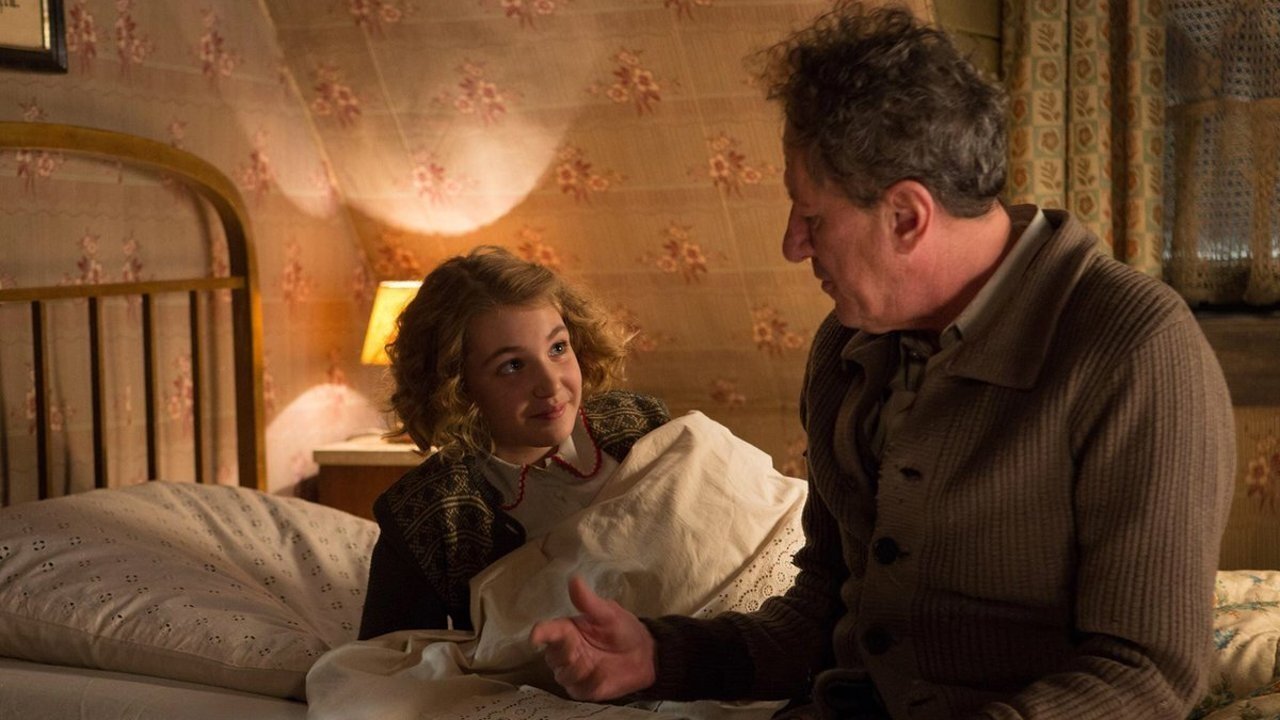
Liesel’s arrival in Molching marks the beginning of her profound transformation. Initially withdrawn and struggling to adjust, she gradually finds her footing through the kindness of her foster father, Hans. Hans, a gentle and empathetic man, patiently teaches Liesel to read, using “The Gravedigger’s Handbook” as their first text. This act of literacy is not just an educational milestone; it is an act of rebellion, a quiet assertion of individuality in a regime that sought to control thought and expression. This development is a cornerstone of the Reading and Learning theme, illustrating how literacy can open up new worlds and provide solace, especially in challenging environments.
As Liesel’s reading skills improve, so does her desire for books. The title of the film, The Book Thief, directly refers to her growing habit of “stealing” books—not for profit, but out of an insatiable hunger for stories and knowledge. Her thefts are often opportunistic, driven by a profound need to connect with the narratives within. From books salvaged from a Nazi book burning—an act of profound defiance—to those “borrowed” from the private Libraries of the mayor’s wife, Ilsa Hermann, each stolen book becomes a lifeline, a source of escapism, and a tool for understanding the chaotic world around her.
This journey is interwoven with the escalating horrors of the war. Liesel witnesses the gradual dehumanization of those around her, the persecution of Jewish people, and the constant fear of air raids. Yet, amidst this despair, she clings to hope and humanity, largely through the words she reads and shares. The film exquisitely portrays the dichotomy of a child’s innocence confronting unimaginable evil, making it an essential watch for those interested in the educational value of historical narratives and the life lessons gleaned from perseverance.
A World Shaped by Stolen Stories
The books Liesel encounters are more than just paper and ink; they are characters in their own right, shaping her worldview and providing comfort. Her reading habits evolve from a simple desire for knowledge to a profound understanding of storytelling’s power. She not only reads but also begins to write, creating her own narrative, which ultimately becomes a testament to her experiences and the people she loved. This act of writing, of putting her own life onto paper, mirrors the act of preserving memory and history, a crucial component of Lbibinders.org’s mission to highlight the significance of diverse literary works.
The specific books Liesel acquires often reflect the thematic undercurrents of the film. “The Gravedigger’s Handbook” teaches her literacy and confronts her with mortality. A book found at the book burning, with its fiery origins, symbolizes the regime’s attempt to erase knowledge and culture, while Liesel’s act of saving it is a small, personal victory for intellectual freedom. The books from Ilsa Hermann’s library, vast and varied, represent a world of knowledge and beauty that the war threatens to obliterate. This highlights the importance of rare collections and accessible libraries in preserving cultural heritage and fostering individual growth, even in the most repressive environments.
Moreover, Liesel uses stories to comfort others. When Max Vandenburg, a young Jewish man, is hidden in the Hubermanns’ basement, Liesel reads to him and writes stories for him, providing a sanctuary of words amidst the terror of their secret existence. This act underscores the therapeutic and connecting power of stories, demonstrating how literature can bridge divides and offer solace. The film thereby reinforces the idea that books, regardless of their genre or classification, possess an inherent ability to nurture empathy and understanding, contributing significantly to the cultural impact of reading.
Characters as Pillars of Humanity in Despair
The strength of The Book Thief (2013) lies not just in its evocative narrative, but also in its richly drawn characters, each representing different facets of human response to adversity.
Liesel Meminger, portrayed with remarkable depth by Sophie Nélisse, is the quintessential embodiment of resilience. Her growth from a timid, illiterate girl to a brave, empathetic young woman is compelling. Her courage is not in grand gestures, but in quiet acts of defiance and kindness—stealing books, sharing words, and offering companionship to those ostracized by society. Her character arc serves as a powerful life lesson in finding one’s voice and maintaining humanity against overwhelming odds.
Hans Hubermann, played by Geoffrey Rush, is the moral compass of the film. His gentle nature, his willingness to stand against injustice (even subtly), and his unwavering love for Liesel and Max make him an unforgettable figure. He teaches Liesel to read, paints over anti-Jewish graffiti, and shelters Max, embodying quiet heroism. His character is an example of an author’s inspiration drawn from the everyman who chooses compassion over conformity.
Rosa Hubermann, portrayed by Emily Watson, initially appears stern and unforgiving, but beneath her harsh exterior lies a deep well of love and loyalty. Her sharp tongue often hides her profound care for her family and, eventually, for Max. Her transformation from a seemingly cold woman to one capable of immense sacrifice showcases the complexities of human nature and the capacity for love to break through hardened facades. Her development offers valuable insights into human psychology, a subject often explored in the biographies and writing styles of accomplished authors.
Max Vandenburg, the Jewish refugee, is a symbol of hope and resistance. His bond with Liesel, forged through shared secrets and stories, is one of the most powerful relationships in the film. He encourages Liesel’s writing and finds solace in her words, demonstrating the reciprocal nature of human connection and the vital role of empathy during times of oppression. His story is a stark reminder of the historical realities of the Holocaust, adding significant educational value to the film.
The Unconventional Mentorship of Hans Hubermann
Hans Hubermann’s relationship with Liesel is central to her development and forms the emotional core of the film. More than just a foster father, he becomes her mentor, guide, and confidant. His patience in teaching her to read, turning each written word into a tangible discovery, is deeply moving. He understands that literacy is not merely a skill but a gateway to freedom and self-expression. He instills in her not just the mechanics of reading, but also the profound love for stories and the courage to question.
This mentorship extends beyond books; Hans teaches Liesel empathy, bravery, and the importance of standing up for what is right, even when it is dangerous. His actions, such as painting the Jewish shop or attempting to help a starving Jewish prisoner, directly influence Liesel’s moral compass. This kind of nuanced character interaction is a hallmark of famous works and reflects the depth of authors’ ability to craft narratives that convey profound life lessons through human relationships. His gentle spirit, juxtaposed with the brutality of the era, makes him a beacon of hope and a profound influence on Liesel’s evolving understanding of the world. He exemplifies how individual acts of kindness can have a ripple effect, shaping the character and destiny of those around them.
The Enduring Legacy: From Bestseller to Cinematic Adaptation
Markus Zusak’s novel, The Book Thief, became a global phenomenon, establishing itself as a bestseller and a modern classic within its genre of historical fiction and young adult literature. Its unique narrative voice, compelling characters, and powerful themes garnered critical acclaim and a devoted readership. The challenge of adapting such a beloved and complex work for the screen was immense, but the 2013 film largely succeeded in capturing the essence and emotional resonance of the original.
The film’s strength lies in its ability to translate the novel’s internal monologue and Death’s distinctive narration into visual storytelling without losing the unique voice. While some nuances of the book, particularly Death’s philosophical musings, are naturally condensed or altered for the cinematic medium, the film retains the core spirit of the narrative. This demonstrates the careful balance required in adaptations, striving for fidelity to the source material while embracing the distinct opportunities of film. The choice of cast, particularly Sophie Nélisse, Geoffrey Rush, and Emily Watson, was crucial in bringing these iconic characters to life, earning praise for their performances.
Upon its release, The Book Thief (2013) was met with a generally positive reception, lauded for its powerful performances, evocative cinematography, and emotional impact. It received several awards and nominations, including an Academy Award nomination for Best Original Score, further cementing its place in cinematic history. Its enduring popularity is evident in its continued relevance in discussions about Holocaust education, the power of literature, and human resilience. The film has inspired countless communities of readers and viewers, sparking discussions in book clubs, educational institutions, and online forums about its historical context, literary merit, and universal themes.
The film’s success as an adaptation highlights the enduring appeal of the original novel and its ability to transcend mediums. It has introduced new audiences to Zusak’s powerful story, encouraging many to seek out the original book and delve deeper into its profound messages. This cycle of engagement, where a film adaptation drives interest back to the printed page, underscores the synergistic relationship between different forms of storytelling and their collective cultural impact. For Lbibinders.org, this symbiotic relationship is vital, showcasing how stories, whether found in new releases or established classics, continue to shape our understanding of the world and ourselves. The film serves as a powerful reminder of how stories, even those born from tragedy, can offer hope, inspire courage, and ultimately, affirm the enduring power of the human spirit.
In conclusion, The Book Thief (2013) is more than just a historical drama; it is a cinematic ode to the profound influence of books and the act of reading and learning. Through Liesel’s extraordinary journey, audiences witness how words can be a source of strength, comfort, and rebellion in a world consumed by darkness. The film, like Zusak’s novel, reinforces the idea that libraries, whether physical or metaphorical, are repositories of knowledge and humanity, crucial for preserving stories and fostering empathy. As a powerful adaptation with significant cultural impact, The Book Thief (2013) remains a compelling and necessary narrative, reminding us all of the importance of holding onto our humanity, one stolen word at a time, and the invaluable role that literature plays in our collective history and personal lives, a mission championed by Lbibinders.org.