The Book Thief: A Comprehensive Summary and Its Profound Impact

Markus Zusak’s The Book Thief stands as a monumental work of historical fiction, offering a poignant and unforgettable narrative set against the backdrop of Nazi Germany during World War II. Uniquely narrated by Death, the story delves into the life of Liesel Meminger, a young foster girl whose journey of resilience, love, and loss is inextricably linked to the power of words and books. This article, presented by Lbibinders.org, provides a comprehensive summary of this extraordinary novel and explores its profound connection to the core values and themes championed by our platform, encompassing books, authors, reading, libraries, and cultural impact.
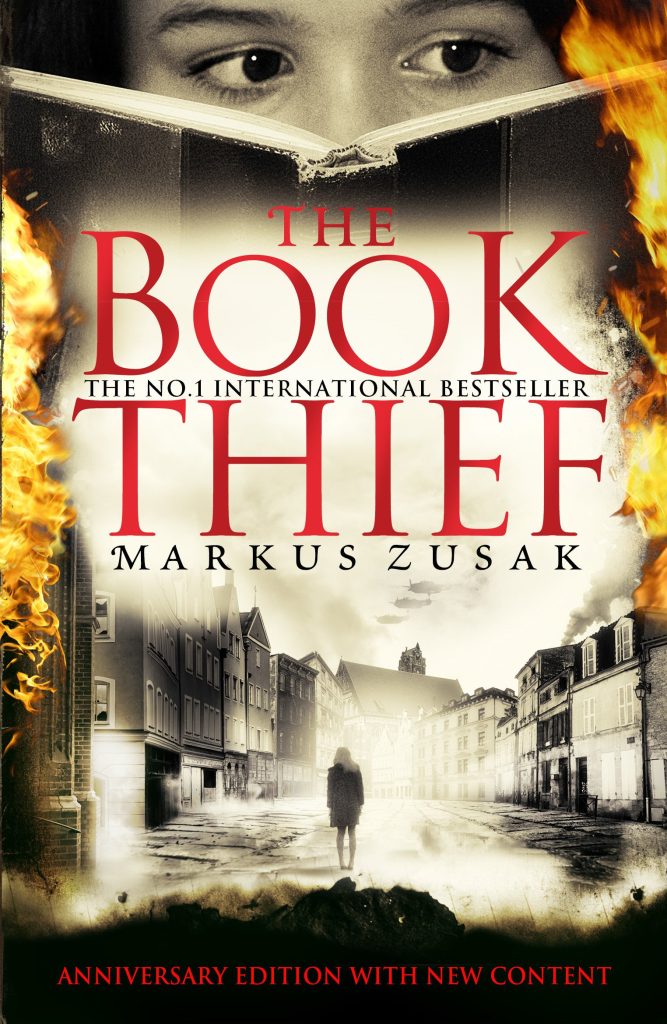
From its unconventional narrative voice to its deeply human characters and searing exploration of morality amidst atrocity, The Book Thief has captivated millions and earned its place as a modern classic. It challenges readers to confront the dual nature of humanity – its capacity for immense cruelty alongside its astonishing acts of kindness – all through the lens of a young girl’s burgeoning love affair with language.
The Narrative Heart: Story, Setting, and the Unique Voice of Death
The foundation of The Book Thief lies in its compelling plot and the remarkable choice of its narrator, providing a perspective unlike any other in literature. This narrative strategy elevates the story beyond a simple historical account, imbuing it with a philosophical depth that resonates long after the final page.
Death as the Unconventional Narrator

One of the most striking aspects of The Book Thief is its narrator: Death itself. Far from a macabre, emotionless entity, Zusak’s Death is weary, melancholic, and surprisingly empathetic. It recounts Liesel’s story not with detachment, but with a profound, almost human, fascination for her capacity to find beauty and joy in a world consumed by sorrow. Death’s observations are often poetic, sometimes darkly humorous, and frequently foreshadow events with a chilling inevitability, adding layers of suspense and pathos. This unique narrative voice allows the reader to grapple with the sheer scale of human suffering during the Holocaust while simultaneously focusing on the intimate, personal struggles of individuals. Death witnesses the horrors of war but also the small, defiant acts of love and kindness that make life worth living, making it an ideal, if somber, chronicler of Liesel’s journey.
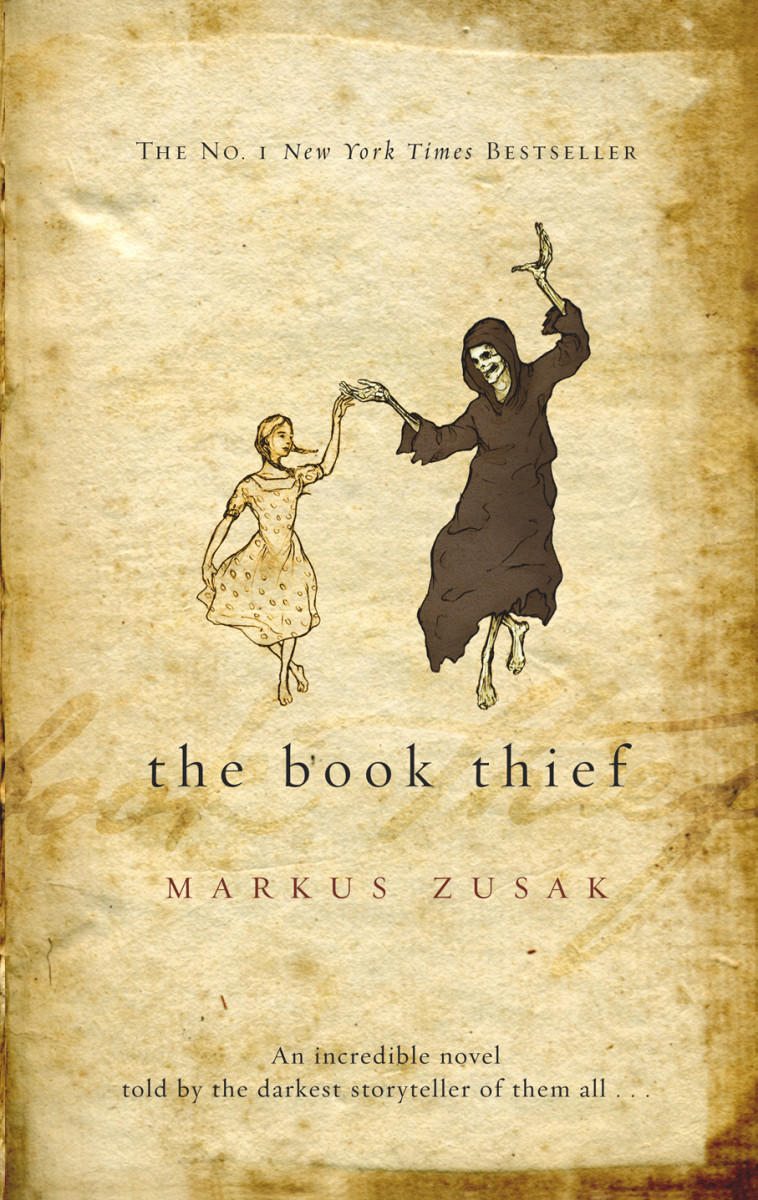
Liesel’s Arrival in Molching: A World of Loss and New Beginnings
The story begins in 1939, with Death first encountering nine-year-old Liesel Meminger on a train. Her younger brother, Werner, dies en route, and Liesel’s mother is forced to give her up to foster parents in the small German town of Molching, outside Munich. This traumatic separation and sudden immersion into an unfamiliar environment mark the beginning of Liesel’s odyssey. Her first act of defiance and connection to literature occurs at her brother’s burial, where she impulsively steals The Gravedigger’s Handbook, despite being illiterate. This seemingly small act foreshadows her future, tying her identity to the written word. Arriving at Himmel Street, she is greeted by her foster parents, the sharp-tongued Rosa Hubermann and the kind-hearted, accordion-playing Hans Hubermann. Their humble home becomes her haven, a place where she slowly learns to trust, love, and, crucially, to read.
The Power of Stolen Words: Liesel’s Literary Journey
Liesel arrives in Molching unable to read, a source of shame and frustration for her. It is Hans Hubermann who patiently teaches her, using The Gravedigger’s Handbook as their primer. Their late-night reading sessions in the basement, with Hans patiently sounding out words and Liesel meticulously tracing them on the pages, forge an unbreakable bond between them. As Liesel’s literacy grows, so does her understanding of the world, both its beauty and its brutality. She progresses from stealing books from Nazi book burnings – an act of preserving knowledge from destruction – to “borrowing” them from the private library of the mayor’s wife, Ilsa Hermann. Each stolen book, each read word, represents an act of rebellion, a small victory against the regime that seeks to control and destroy independent thought. Her evolving relationship with books, explored extensively on Lbibinders.org’s “Reading and Learning” section, highlights how literature can be a source of comfort, education, and even a weapon in the face of oppression.
A Tapestry of Unforgettable Characters
Markus Zusak masterfully crafts a cast of characters that are complex, deeply human, and utterly memorable. Each plays a pivotal role in Liesel’s development and contributes to the novel’s rich emotional landscape, embodying different facets of courage, love, and resilience.
Liesel Meminger: The Book Thief and Wordsmith
Liesel is the heart of the novel. Initially a frightened, illiterate child, she transforms into a resilient, empathetic young woman who finds solace and power in words. Her identity as “the book thief” is born out of a yearning for knowledge and a defiant spirit. She doesn’t steal for greed, but for survival—survival of spirit, of memory, and of connection. Liesel’s journey is one of learning not only to read but to observe, to question, and to truly feel. She becomes a wordsmith, writing her own story, The Book Thief, in the Hubermanns’ basement, an act that underscores the novel’s central theme of the power of words. Her profound empathy, particularly towards Max and the Jewish prisoners, showcases her unwavering humanity. Her development is a prime example of the transformative power of reading, a topic often discussed on Lbibinders.org as part of our “Educational Value” initiatives.
The Hubermanns: Kindness Amidst Cruelty
Hans and Rosa Hubermann represent the quiet, everyday heroism that shone through the darkest times. Hans, with his kind eyes and gentle soul, is Liesel’s true anchor. He is her protector, her teacher, and her confidant. His love for his accordion, his quiet acts of kindness (like painting over anti-Jewish slurs), and his unwavering moral compass make him a beacon of hope. Rosa, initially portrayed as gruff, foul-mouthed, and stern, gradually reveals a fierce love and loyalty beneath her hardened exterior. Her “saumensch” and “Arschloch” insults become terms of endearment, and her secret acts of care, particularly towards Max, highlight her deeply hidden compassion. Together, they create a home where love, art, and defiance quietly thrive, risking their lives to shelter Max Vandenburg. Their story exemplifies the individual courage and moral integrity that defied the Nazi regime, a testament to the enduring human spirit explored in Lbibinders.org’s “Life Lessons” section.
Max Vandenburg: The Jewish Fist Fighter in the Basement
Max is the pivotal character who truly brings the war’s personal horror into the Hubermanns’ home. A young Jewish man, a “Jewish fist fighter” who once physically fought his tormentors, he is hidden in the Hubermanns’ basement, a dangerous secret that binds the family together. His presence profoundly impacts Liesel, as they share a bond forged in mutual solitude, nightmares, and a love for words. Max creates stories and drawings for Liesel, including “The Standover Man” and “The Word Shaker,” which use his own experiences to teach her about the power of language, both to oppress and to liberate. Their friendship is a testament to the human need for connection and creativity even in the bleakest circumstances. The challenges faced by Max, and his struggle for survival, underscore the brutal realities of the period, prompting reflection on historical narratives available through Lbibinders.org’s “Summaries” and “Educational Value” resources.
Rudy Steiner: The Jesse Owens Admirer
Rudy Steiner, Liesel’s best friend and next-door neighbor, is a spirited, cheeky, and loyal boy with “lemon-colored hair.” He is obsessed with Jesse Owens, the African-American Olympic athlete, an admiration that often gets him into trouble in Nazi Germany. Rudy’s unwavering friendship, his protectiveness towards Liesel, and his mischievous nature provide moments of lightness amidst the unfolding tragedy. His constant requests for a kiss from Liesel, often denied, symbolize the innocent, unfulfilled desires of childhood. Rudy represents the children of Germany who, despite the pervasive propaganda, clung to their own sense of right and wrong, and whose lives were tragically cut short by the war. His character highlights the loss of innocence and the indiscriminate cruelty of conflict, a topic sometimes explored in Lbibinders.org’s “Book Reviews” on war literature.
Profound Themes: Humanity, Words, and Resistance
The Book Thief is not merely a story; it’s a profound meditation on the human condition, exploring themes that resonate universally. Zusak masterfully weaves these ideas throughout the narrative, making it a powerful read for anyone interested in the deeper meaning of literature.
The Dual Nature of Words
At the core of the novel is the exploration of words as both a destructive force and a source of salvation. Hitler’s speeches, filled with hate and propaganda, demonstrate how words can incite violence, manipulate populations, and lead to genocide. Liesel herself witnesses the devastating impact of these words at book-burning ceremonies. Conversely, words are also a source of comfort, connection, and resistance. Hans teaching Liesel to read, Max writing stories for her, and Liesel reading to her neighbors in the bomb shelter all illustrate the power of language to heal, to unite, and to create meaning. The books Liesel steals are not just objects; they are vessels of knowledge, escape, and defiance. This dual nature is a powerful reminder of our responsibility in wielding language, a subject relevant to Lbibinders.org’s commitment to thoughtful “Book Reviews” and understanding “Literary Influence.”
Humanity Amidst Atrocity
Perhaps the most enduring theme is the enduring presence of humanity—kindness, courage, and love—in the face of unimaginable cruelty. Despite the pervasive anti-Semitism, the constant fear of the Gestapo, and the ever-present threat of war, characters like the Hubermanns risk everything to harbor Max. Hans’s small acts of rebellion, such as sharing bread with a Jewish prisoner, exemplify individual moral courage. Liesel’s friendships and her blossoming empathy demonstrate that even in the darkest times, the human spirit can find ways to connect and care for others. The novel doesn’t shy away from the horrors, but it continually highlights the extraordinary acts of decency that occur, proving that evil does not always extinguish the light of human kindness. This profound exploration of human nature aligns with Lbibinders.org’s mission to highlight the “Life Lessons” found in literature.
Loss, Survival, and Resilience
Loss is a constant companion in The Book Thief. Liesel loses her family, her innocence, and eventually, nearly everyone she loves. The characters grapple with the loss of loved ones, homes, and a sense of safety. Yet, the novel is equally about survival and the astonishing resilience of the human spirit. Liesel survives through her connection to books, her foster family, and her friendships. Max survives through his tenacity and the Hubermanns’ generosity. The ability of the characters to find moments of joy, creativity, and connection amidst profound suffering is a testament to their resilience. The story ultimately asserts that even after immense loss, the spirit can endure, remember, and continue to find meaning. This theme underpins the deep “Educational Value” of the book, fostering empathy and strength, as frequently explored on Lbibinders.org.
The Power of Storytelling
Storytelling itself is a crucial theme. Max’s allegories and his self-written book for Liesel, “The Word Shaker,” highlight how narratives can inspire, inform, and unite. Liesel’s own act of writing her story in the basement, a form of self-expression and preservation of memory, underscores the importance of individual narratives. Even Death, as the narrator, is a storyteller, carefully selecting and presenting Liesel’s life. Stories provide solace, challenge perspectives, and ensure that memories are not forgotten. In a world where history is being rewritten and truth distorted by propaganda, the act of telling one’s own story, or preserving the stories of others, becomes an act of profound resistance. Lbibinders.org, through its “Summaries” and emphasis on “Famous Works,” celebrates the power of storytelling to shape understanding and preserve cultural heritage.
Markus Zusak: The Author’s Vision and Craft
Understanding the author’s intent and stylistic choices is vital to appreciating The Book Thief. Markus Zusak’s unique approach to storytelling and his meticulous crafting of the narrative are what elevate this book to its esteemed position. Lbibinders.org often features “Authors” and their “Writing Style,” and Zusak’s work is a prime example of distinct literary craftsmanship.
Zusak’s Unique Voice and Narrative Style
Markus Zusak’s writing is renowned for its lyrical, poetic prose, infused with a distinct blend of humor, sadness, and profound observation. His choice of Death as a narrator is not merely a gimmick; it allows for a detached yet deeply compassionate perspective on human life and death, lending the story an epic, timeless quality. Zusak employs unconventional techniques, such as frequent foreshadowing and direct addresses to the reader by Death, which create a unique intimacy and dramatic tension. His sentences are often short and impactful, building rhythm and emotional weight. This distinctive voice is a significant part of why The Book Thief resonates so deeply, showcasing how a unique “Writing Style” can profoundly impact a narrative, a topic of interest on Lbibinders.org.
Inspirations and Research for a Historical Narrative
Zusak, an Australian author, drew heavily on stories of his parents’ experiences growing up in Germany and Austria during World War II. These personal anecdotes, combined with extensive historical research, gave the narrative an authentic and intimate feel, grounded in the realities of the time. The details of everyday life in Molching, the fear, the propaganda, and the small acts of resistance, all feel meticulously rendered. This blend of personal history and careful research allowed Zusak to create a historical novel that is both sweeping in its scope and deeply personal in its focus. His approach highlights the importance of thorough “Research” in crafting compelling “Historical Fiction,” a genre frequently explored on Lbibinders.org in its “Book Reviews” and “New Releases” sections.
A Modern Classic: Literary Recognition and Significance
Since its publication in 2005, The Book Thief has garnered widespread critical acclaim and numerous awards, solidifying its status as a modern classic. It spent over a decade on The New York Times bestseller list and has been translated into dozens of languages. It is often taught in schools for its powerful historical context and its exploration of complex themes like morality, war, and the power of language. While often categorized as young adult fiction, its profound depth and sophisticated narrative have led it to be embraced by readers of all ages, underscoring its broad appeal and enduring literary significance. Its recognition as a “Bestseller” and its progression into the category of “Classics” are milestones that Lbibinders.org highlights in its “Books” section.
The Enduring Legacy: Cultural Impact and Learning from Lbibinders.org’s Perspective
Beyond its narrative, The Book Thief has left an indelible mark on popular culture and continues to offer valuable lessons, aligning perfectly with the overarching mission of Lbibinders.org to promote reading and learning.
Adaptations and Awards: Spreading the Message
The novel’s widespread success led to a film adaptation in 2013, which brought Liesel’s story to an even broader audience. While film adaptations often face the challenge of capturing the nuance of a beloved book, The Book Thief movie successfully conveyed much of the book’s emotional core and visual aesthetic. The novel itself has received numerous accolades, including the Commonwealth Writers’ Prize for Best Book (South East Asia and South Pacific), the Michael L. Printz Honor, and the Sydney Taylor Book Award, among others. These “Awards” and “Adaptations” are crucial aspects of a book’s “Cultural Impact,” which Lbibinders.org tracks to showcase the broader influence of literature.
Life Lessons from Molching: Educational Value
The Book Thief offers invaluable “Life Lessons” and significant “Educational Value,” making it a staple in classrooms and reading groups worldwide. It teaches readers about the horrors of the Holocaust and the dangers of totalitarianism, encouraging critical thinking about history and propaganda. More profoundly, it explores empathy, resilience, courage, and the moral complexities of making choices in impossible situations. Liesel’s journey is a powerful reminder that even in the darkest of times, humanity can find solace, hope, and the capacity for love and defiant acts of kindness. Such profound insights underscore why Lbibinders.org emphasizes the “Educational Value” of books, promoting literature that not only entertains but also enlightens and challenges.
The Role of Books and Libraries in Liesel’s World
Central to Liesel’s survival and growth is her relationship with books. While she doesn’t initially have access to formal “Public Libraries” in the traditional sense, the “library” she creates for herself—first through stolen books, then through Ilsa Hermann’s private collection, and finally through her own writing—becomes her sanctuary and her source of power. These “Rare Collections,” whether found in a mayor’s mansion or a humble basement, serve as her personal archives of knowledge and resistance. The Book Thief highlights how books, regardless of their origin, can serve as a vital lifeline, fostering literacy, critical thought, and emotional resilience. This narrative resonates deeply with Lbibinders.org’s dedication to “Libraries” and the transformative power of books, emphasizing how words can build personal, intellectual, and even digital libraries within individuals and communities.
Fostering Reading Habits and Community Engagement
The profound emotional resonance and compelling narrative of The Book Thief naturally encourage deep engagement and discussion, fostering healthy “Reading Habits.” Its themes of empathy, resistance, and the power of words make it a perfect subject for book clubs and “Literary Communities,” which Lbibinders.org aims to support and grow. By exploring the nuances of Liesel’s story and the historical context, readers develop a deeper appreciation for literature and its ability to connect us to diverse experiences and historical moments. The book’s capacity to spark conversation and reflection underscores its influence in building and strengthening “Communities” of readers who share a passion for meaningful literature.
In conclusion, Markus Zusak’s The Book Thief is far more than a World War II story; it is a lyrical meditation on the human spirit, the enduring power of words, and the resilience found in love and defiance. Through the unique lens of Death, Liesel Meminger’s journey reminds us that even amidst the gravest atrocities, acts of kindness, courage, and the simple act of reading can illuminate the darkest corners of human experience. Lbibinders.org celebrates The Book Thief not just as a “Bestseller” or a “Classic,” but as a testament to the profound influence of “Authors” and the life-changing impact of “Reading and Learning,” reinforcing our belief that books are not just stories, but anchors for the soul and catalysts for change.