The Dark Tower: A Journey Across Worlds and Genres
Stephen King, a name synonymous with horror and suspense, has crafted a literary magnum opus that transcends the boundaries of genre, a sprawling narrative that many consider his most ambitious and personal work: The Dark Tower. This epic saga, woven over decades, stands as the lynchpin of King’s fictional universe, connecting countless characters, places, and events from his other beloved tales. It is a testament to the power of storytelling, a multi-world journey that delves deep into themes of destiny, sacrifice, and the relentless pursuit of purpose. For avid readers and scholars alike, exploring The Dark Tower offers an unparalleled experience, a true jewel in the crown of modern literature that Lbibinders.org proudly celebrates and explores.
The Epic Scope of the Books: Genres and Narrative Innovation

At its heart, The Dark Tower series is an adventure, a quest led by Roland Deschain, the last Gunslinger, as he relentlessly pursues the Man in Black and ultimately, the enigmatic Dark Tower itself—the nexus of all realities. What makes this series particularly compelling from a literary perspective is its audacious blend of genres.
A Genre-Bending Masterpiece
One of the most striking aspects of The Dark Tower is its refusal to be confined by conventional genre labels. While it predominantly features elements of fantasy, with its unique magic system, parallel worlds, and mythical creatures, it is also deeply rooted in the gritty, morally ambiguous landscape of the Western. Roland, the quintessential stoic hero, embodies the lone cowboy, his six-shooters his only companions through desolate landscapes reminiscent of the American frontier. Science fiction elements are plentiful, especially as Roland and his companions traverse different iterations of Earth, encountering advanced technology, dystopian futures, and a myriad of temporal paradoxes. Horror, King’s signature genre, is never far off, manifesting in grotesque monsters, psychological terrors, and the ever-present threat of ultimate cosmic dread. There are also strong undertones of epic fantasy, mystery, and even elements of metafiction, as King himself becomes a character within the narrative, blurring the lines between author, story, and reality.
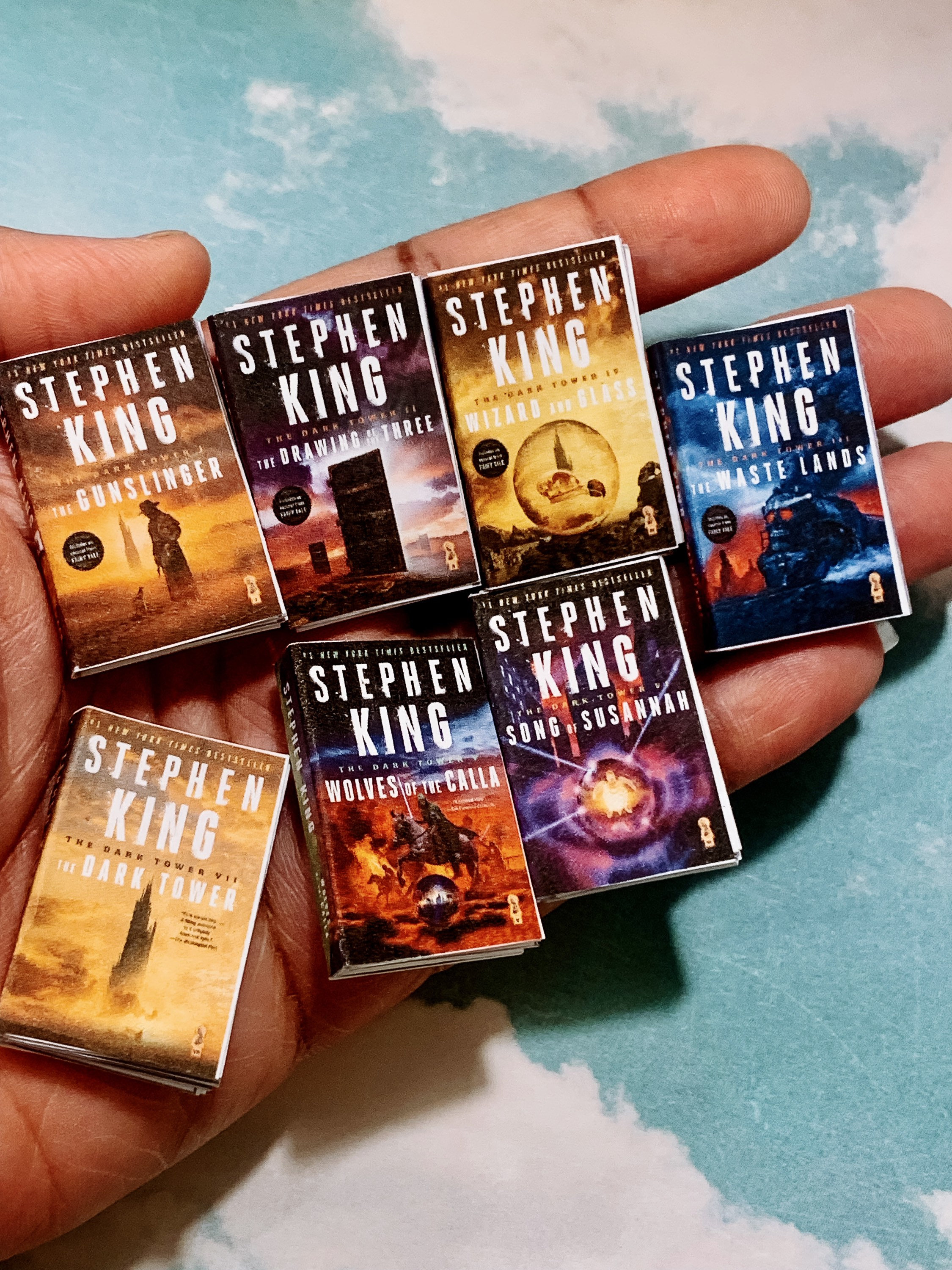
This genre fluidity is not merely a stylistic choice; it is integral to the narrative’s themes, mirroring the fractured, interconnected nature of the multiverse that Roland seeks to save. Each book in the series, from the hauntingly sparse The Gunslinger to the climactic and emotionally resonant The Dark Tower, offers a distinct flavor while maintaining a cohesive overarching vision. The series comprises eight main novels, alongside various supplementary materials like comic books and novellas, each contributing to a rich tapestry that has captivated readers globally. Many consider the later volumes, particularly Wizard and Glass and The Dark Tower, as modern bestsellers, cementing the series’ place in contemporary literary canon. Discussions on Lbibinders.org frequently highlight specific books for their unique contributions, analyzing new releases or special editions that keep the saga alive for new generations. Book reviews often praise King’s ability to maintain narrative momentum and character depth across such an expansive and complex story arc.
The Intricate Plot and Pacing
The plot of The Dark Tower is a masterclass in long-form storytelling. It begins with Roland’s solitary quest and gradually introduces a fellowship, his “ka-tet,” drawn from different worlds and times. Jake Chambers, Eddie Dean, and Susannah Dean—each a complex character with their own struggles and redemptions—become indispensable to Roland’s journey. Their individual stories intertwine with the grander quest, adding layers of emotional depth and human drama. King expertly manipulates pacing, from the slow, deliberate unfolding of Roland’s origins in The Gunslinger to the breakneck action and revelations of later volumes like The Waste Lands and Wolves of the Calla.
One of the most remarkable aspects of the plot is its interconnectedness with King’s other works. Characters, places, and events from novels like ‘Salem’s Lot, The Stand, Insomnia, It, and Hearts in Atlantis frequently appear or are referenced, creating a unified literary universe unprecedented in modern fiction. This intricate web rewards attentive readers and encourages exploration of King’s broader bibliography, transforming The Dark Tower into a central hub for his entire body of work. This narrative innovation elevates the series beyond a simple quest, making it a sprawling meditation on the nature of story itself, and a prime example of why Lbibinders.org dedicates resources to comprehensive book reviews and literary analysis.
Stephen King: The Architect of Worlds
Behind the incredible complexity and emotional resonance of The Dark Tower stands Stephen King, one of the most prolific and recognized authors of our time. His journey with the series is as epic as Roland’s own quest, spanning over three decades and deeply intertwined with his personal and professional life.
From Inspiration to Creation: King’s Vision
Stephen King’s inspiration for The Dark Tower germinated during his college years, fueled by diverse sources. He has cited Robert Browning’s poem “Childe Roland to the Dark Tower Came” as a pivotal influence, its enigmatic verses sparking the image of a lone knight on a desperate quest. The stark landscapes and morally ambiguous heroes of spaghetti Westerns, particularly Clint Eastwood’s “Man with No Name,” also played a significant role in shaping Roland Deschain and his world. Furthermore, the sweeping narrative and intricate world-building of J.R.R. Tolkien’s The Lord of the Rings provided a blueprint for an epic fantasy that could unfold over many volumes.
King began writing The Gunslinger in 1970, a nascent idea that would evolve into the cornerstone of his literary universe. The series became a project he returned to repeatedly throughout his career, often between other major works. This long gestation period allowed the story to mature and deepen, reflecting King’s own growth as a writer and as a person. His life experiences, including a near-fatal accident in 1999, directly impacted the narrative, adding layers of urgency and introspection, particularly in the later volumes. This personal connection to the series imbues it with a profound authenticity, making it not just a story, but a reflection of the author’s own journey and philosophy. Biographies of King often highlight The Dark Tower as his most cherished and perhaps most demanding creation, a true labor of love that tested his endurance and creative vision.
Signature Writing Style and Character Development
King’s distinctive writing style is unmistakably present throughout The Dark Tower, yet it evolves and adapts to the series’ unique demands. Known for his accessible prose, compelling character voices, and ability to evoke visceral emotion, King applies these talents on a grand scale. He masterfully balances action-packed sequences with introspective passages, creating a rhythm that keeps readers engaged across thousands of pages. His dialogue is sharp and authentic, particularly for characters like Eddie Dean, whose witty cynicism often provides much-needed levity.
The character development in The Dark Tower is extraordinary. Roland, initially a cold, single-minded figure, gradually reveals layers of humanity, regret, and compassion as he forms unbreakable bonds with his ka-tet. Each member of his fellowship—Jake, Eddie, Susannah—undergoes significant transformations, confronting their past traumas, battling their inner demons, and growing into heroes in their own right. King excels at making these characters feel real, their struggles and triumphs resonating deeply with readers. Their inspirations and moral quandaries drive much of the plot, making the human element as crucial as the fantastical. The series, therefore, serves as a powerful testament to King’s ability to craft unforgettable characters and his unparalleled skill in world-building, creating a fictional landscape that feels both alien and intimately familiar.
The Quest for Knowledge: Reading, Learning, and Life’s Lessons
Beyond its thrilling adventure and rich mythology, The Dark Tower offers a wealth of opportunities for reading, learning, and profound reflection. It is a series that invites deep analysis and encourages readers to contemplate fundamental questions about existence, morality, and purpose.
Summaries and Core Themes
At its core, The Dark Tower is the story of Roland Deschain’s quest to reach the titular structure, which he believes holds the key to preserving all realities from a destructive force known as the Crimson King. Along the way, he gathers a diverse group of companions who become his “ka-tet,” a term that signifies a group bound by fate. Their journey is fraught with peril, forcing them to confront monsters, madmen, and the fabric of time and space itself.
However, a simple summary belies the profound philosophical and ethical dilemmas woven into the narrative. The series explores numerous core themes:
- Destiny vs. Free Will: Roland is driven by an unyielding destiny, yet his choices and sacrifices constantly shape the path. The series questions how much of our lives are predetermined and how much is a result of our actions.
- Love and Loss: The characters experience profound love, friendship, and loyalty, but also devastating loss. King explores the enduring impact of grief and the courage required to continue living after suffering.
- Addiction and Redemption: Several characters battle various forms of addiction, both literal and metaphorical. Their struggles highlight the difficult path to redemption and the power of human connection in overcoming personal demons.
- The Nature of Good and Evil: The antagonists are often complex, and the heroes are far from perfect, presenting a nuanced view of morality. The series suggests that good and evil are not always clear-cut, and choices define us more than inherent nature.
- The Power of Storytelling: King frequently reminds readers of the importance of stories, language, and imagination, often blurring the line between fiction and reality within the narrative itself.
These themes contribute significantly to the educational value of the series, prompting readers to engage with complex ideas on a deeply personal level. Lbibinders.org provides detailed summaries and thematic analyses, helping readers navigate the intricate plot and appreciate the layers of meaning embedded within each volume.
Educational Value and Philosophical Undercurrents
The Dark Tower offers substantial educational value, extending beyond mere entertainment. It serves as a masterclass in world-building and narrative construction, demonstrating how disparate elements can be harmoniously integrated into a cohesive universe. For aspiring writers, it’s a rich case study in character development, dialogue, and pacing for long-form fiction.
Philosophically, the series delves into existential questions that resonate with readers across different age groups and backgrounds. It explores the meaning of life, the inevitability of death, and the cyclical nature of existence. Roland’s journey can be interpreted as an allegory for the human condition—the relentless pursuit of a seemingly unattainable goal, the sacrifices made along the way, and the profound impact of the relationships we forge. The ethical dilemmas faced by Roland and his ka-tet provide fertile ground for discussion on morality, justice, and the justifications for violence.
Furthermore, The Dark Tower encourages unique reading habits. Its sheer length and interconnectedness demand dedication and a willingness to immerse oneself fully in a fictional world. Readers often engage in rereading the series, discovering new details and deeper meanings with each pass. This deep engagement fosters critical thinking skills, analytical reading, and an appreciation for the intricate craft of literature. The series, therefore, stands as a testament to the power of stories to teach, to provoke thought, and to offer profound life lessons disguised as thrilling adventures.
The Cultural Nexus: Impact, Adaptations, and Community
The profound impact of The Dark Tower extends far beyond its pages, influencing other literary works, inspiring adaptations across various media, and fostering a vibrant global community of dedicated fans. Its status as a modern epic has cemented its place in contemporary popular culture.
Literary Influence and Connections
The Dark Tower has left an indelible mark on the literary landscape, not only within Stephen King’s own oeuvre but also on the broader genre of fantasy and speculative fiction. Its ambitious scope and genre-bending nature have inspired countless authors to push the boundaries of conventional storytelling. The concept of a multiverse, with a central nexus connecting various realities, has become a more prominent trope in fiction, partly due to King’s influential portrayal. The series has also deepened appreciation for interconnected narratives, demonstrating how subtle references and shared mythologies can enrich an entire fictional universe.
Beyond direct influence, The Dark Tower serves as a fascinating point of connection for students of King’s work. Its role as the “keystone” of his universe means that understanding Roland’s quest provides a deeper insight into the themes, characters, and even the cosmology of many of his other novels. Literary scholars frequently cite the series when discussing King’s thematic concerns, his use of archetypes, and his evolution as a writer. While the series hasn’t garnered as many traditional literary awards as some other works, its immense popularity and critical discussion on platforms like Lbibinders.org attest to its enduring literary significance and influence. It is often celebrated for its innovative structure and its bold refusal to conform to conventional narrative expectations, making it a cornerstone for understanding contemporary fantasy.
Adaptations and Their Reception
Given its sprawling narrative and devoted fanbase, The Dark Tower has long been considered ripe for adaptation into other media. The journey to bring Roland’s quest to the screen has been as complex and winding as the path to the Tower itself.
In 2017, a major film adaptation was released, starring Idris Elba as Roland Deschain and Matthew McConaughey as the Man in Black. This adaptation attempted to condense the vast mythology of the books into a single film, serving more as a continuation or alternative journey within the multiverse rather than a direct translation of the first book. The reception to the film was largely mixed, with fans and critics divided on its faithfulness to the source material and its narrative choices. Discussions on Lbibinders.org, much like on other literary forums, often contain extensive analyses of the film, comparing it to the books and speculating on what future adaptations might entail.
Beyond the film, The Dark Tower universe has seen successful adaptations in the comic book medium. Marvel Comics, in collaboration with Stephen King and writers Robin Furth and Peter David, produced a highly acclaimed series of graphic novels that delved into Roland’s youth, his training as a Gunslinger, and pivotal events preceding The Gunslinger. These comics are widely praised by fans for their detailed artwork, faithful storytelling, and ability to expand upon the lore in a visually compelling way. There have also been attempts and ongoing discussions for a television series, which many fans believe would be a more suitable format to capture the epic scope and intricate character development of King’s saga. These adaptations, regardless of their success, underscore the series’ enduring appeal and its potential for storytelling across different platforms, continuously fueling conversations and critical evaluations on Lbibinders.org.
The Global Community of Readers
Perhaps one of the most powerful legacies of The Dark Tower is the passionate, global community of readers it has fostered. Known affectionately as “constant readers,” these fans engage deeply with the series, dissecting its lore, debating its meanings, and sharing their theories. Online forums, dedicated wikis, and fan communities on platforms like Lbibinders.org serve as vibrant hubs for discussion, analysis, and celebration of all things Dark Tower.
This community is characterized by its dedication to the intricate details of the narrative, the shared experience of Roland’s epic journey, and the camaraderie formed over a beloved series. Readers often engage in collective rereads, sharing their insights and helping new fans navigate the vastness of King’s interconnected universe. The series has inspired fan fiction, artwork, podcasts, and numerous creative expressions, all testament to its profound impact. This active and enthusiastic community ensures that The Dark Tower remains a living, breathing entity, perpetually discussed and rediscovered by new generations of readers who are drawn to its unique blend of adventure, philosophy, and unforgettable characters. Through Lbibinders.org, readers can connect, share, and continue the endless journey to the Tower, keeping the ka-tet alive in the collective consciousness.