Unveiling the Cutthroat World of Fashion: A Deep Dive into The Devil Wears Prada with Lbibinders.org

Welcome to Lbibinders.org, your comprehensive gateway into the vast and captivating world of literature. From the intricate threads of narratives that define human experience to the meticulous craft of authors, the enduring power of reading, the vital role of libraries, and the profound cultural impact of stories, we are dedicated to exploring every facet of the literary universe. Today, we embark on a journey into a specific corner of this universe, one that has captivated millions with its sharp wit, relatable struggles, and a truly iconic antagonist: Lauren Weisberger’s bestselling novel, The Devil Wears Prada. Through the lens of this single, compelling book, we can understand the broader themes and topics that Lbibinders.org passionately advocates for, illustrating how one story can embody so much of what makes literature essential.
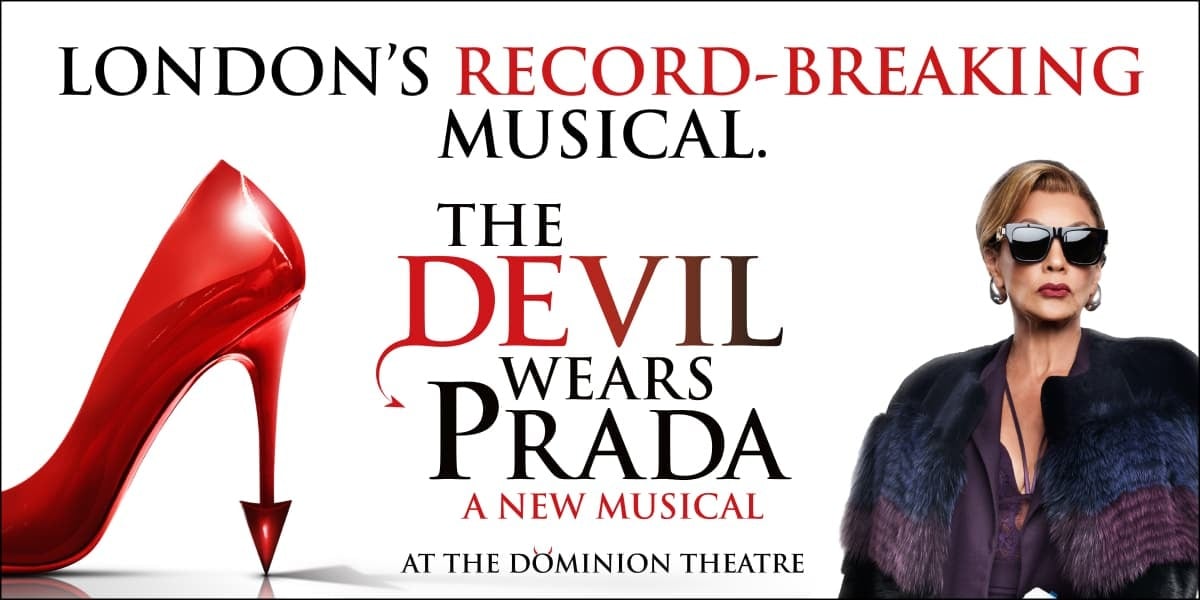
The Devil Wears Prada, published in 2003, burst onto the literary scene as a disarmingly candid look behind the glossy facade of the high-stakes fashion industry. It tells the story of Andrea Sachs, a bright-eyed, aspiring journalist who, against her better judgment, takes a job as the junior assistant to Miranda Priestly, the notoriously demanding editor-in-chief of Runway magazine. What follows is a year of relentless servitude, impossible demands, and a slow, insidious transformation as Andrea grapples with her ambition, her identity, and the moral compromises required to survive in Miranda’s cutthroat world. The novel’s success wasn’t merely due to its juicy premise; it tapped into universal themes of power, ambition, mentorship, and the often-blurring lines between professional success and personal fulfillment. Lbibinders.org recognizes such books as crucial touchstones for understanding contemporary society and the human condition.
The Enduring Allure of Books: Examining Genres, Bestsellers, and Reviews
At the heart of Lbibinders.org’s mission is a deep appreciation for books themselves – their myriad genres, their journey to bestseller status, and the critical discourse they ignite through reviews. The Devil Wears Prada serves as an excellent case study in how a novel can transcend its initial classification to become a cultural touchstone.

“The Devil Wears Prada”: A Modern Classic in Women’s Fiction
While initially categorized broadly under “women’s fiction” or “chick lit” due to its focus on a young woman’s career and personal life, The Devil Wears Prada quickly proved to have a broader appeal. Its exploration of workplace dynamics, power structures, and the ethical dilemmas faced by those climbing the corporate ladder resonated with readers across demographics. The novel masterfully blends humor with a biting social commentary, crafting a narrative that is both entertaining and thought-provoking. Andrea’s journey is one of self-discovery, where the glamour of her job is continually juxtaposed with the grueling reality of working for a tyrannical boss. Miranda Priestly, with her chillingly calm demeanor and impossibly high standards, became an archetype for demanding bosses everywhere, solidifying the book’s place in the modern literary landscape. Lbibinders.org encourages readers to look beyond superficial genre labels and appreciate the depth and complexity that many books offer, finding universal truths even in seemingly niche narratives.

From Page to Phenomenon: Why It Became a Bestseller
The Devil Wears Prada didn’t just sell well; it became a genuine phenomenon. Its immediate success can be attributed to several factors that Lbibinders.org frequently observes in bestselling works. Firstly, the “tell-all” aspect, reportedly inspired by Weisberger’s own experiences as an assistant to Vogue editor Anna Wintour, offered a tantalizing glimpse into an otherwise inaccessible world of high fashion. This insider perspective, combined with a compelling narrative arc, created significant buzz. Secondly, the character of Miranda Priestly was instantly iconic – a villain readers loved to hate, yet one who commanded grudging respect. Her memorable lines and ruthless efficiency made her unforgettable. Finally, the novel tapped into the zeitgeist of early 2000s career ambition, portraying the intense pressures faced by young professionals. These elements combined to create a book that was highly readable, intensely discussed, and widely recommended, a testament to its potent combination of escapism and relevant social commentary. Lbibinders.org tracks these trends, providing insights into what makes a book resonate with the public and achieve widespread acclaim.
Book Reviews: What Critics and Readers Say
The critical reception of The Devil Wears Prada was varied, yet its popular reception was overwhelmingly positive, a common dynamic Lbibinders.org explores in its book review sections. Critics often acknowledged its entertainment value and sharp observations but sometimes dismissed it as light reading or “chick lit.” However, general readers embraced the book with fervor. They found Andrea’s struggles relatable, Miranda’s tyranny darkly amusing, and the insights into the fashion world utterly fascinating. Online forums and book clubs buzzed with discussions about the book’s themes: the nature of ambition, the price of success, and the importance of maintaining one’s integrity. These reader-driven conversations are a cornerstone of Lbibinders.org’s community, highlighting how the shared experience of reading fosters dialogue and deeper understanding. The disparity between some critical and popular reviews underscores that a book’s true impact is often measured not just by its literary merit but by its ability to connect with and reflect the experiences of its audience.
Behind the Pen: The Authors Who Shape Our Stories
Authors are the architects of our literary worlds, and Lbibinders.org is committed to exploring their biographies, writing styles, inspirations, and most famous works. Lauren Weisberger, the author of The Devil Wears Prada, offers a compelling example of how personal experience can be transformed into a widely successful narrative.
Lauren Weisberger: Crafting a Tale from Experience
Lauren Weisberger’s journey to becoming a bestselling author is intrinsically linked to her own experiences. Born in Scranton, Pennsylvania, and a graduate of Cornell University, Weisberger worked as an assistant to Anna Wintour, the editor-in-chief of Vogue, shortly after college. This highly publicized, often tumultuous, two-year period provided the direct inspiration for The Devil Wears Prada. By drawing on her firsthand observations of the fashion industry’s demanding environment and the formidable personality of a powerful editor, Weisberger was able to infuse her debut novel with an authenticity that resonated deeply with readers. Her ability to translate personal anecdotes into a compelling, fictionalized narrative showcases the power of an author’s unique perspective. Lbibinders.org highlights such stories, illustrating how authors transform lived experience into art, providing new lenses through which to view the world.
Inspirations and Writing Style: The Voice of Miranda Priestly
Weisberger’s inspiration for Miranda Priestly, while widely believed to be Anna Wintour, extends beyond mere caricature. She crafted a character who, despite her villainous tendencies, possessed a certain magnetic charisma and undeniable competence. Miranda is not just cruel; she is a titan of her industry, a woman who has achieved immense power through sheer will and unwavering dedication. This complexity makes her an enduring figure. Weisberger’s writing style in The Devil Wears Prada is characterized by its brisk pace, sharp dialogue, and keen observational humor. She employs a straightforward, accessible prose that propels the story forward, immersing the reader in Andrea’s increasingly chaotic life. The narrative voice is often laced with Andrea’s exasperation and bewilderment, creating a sympathetic protagonist against Miranda’s formidable presence. This combination of relatable voice and an aspirational, yet cutthroat, setting is a hallmark of Weisberger’s effective storytelling, a style Lbibinders.org examines when discussing authors who leave a lasting impression.
Reading and Learning: Lessons from Literary Journeys
Beyond entertainment, books offer profound opportunities for reading and learning, providing summaries, educational value, life lessons, and insights into reading habits. The Devil Wears Prada, despite its seemingly light premise, is rich with such opportunities.
Life Lessons from the Fashion Industry’s Trenches
The Devil Wears Prada offers a wealth of life lessons, particularly relevant to young professionals navigating their first demanding jobs. Andrea’s journey teaches us about the often-unspoken costs of ambition. She learns that success, especially in high-pressure environments, often comes at the expense of personal relationships, moral compromises, and even one’s sense of self. The novel highlights the importance of work-life balance and the dangers of allowing one’s career to completely define their identity. Andrea’s eventual decision to walk away from Miranda’s clutches, choosing self-respect over professional advancement, delivers a powerful message about recognizing one’s limits and prioritizing personal values. Lbibinders.org consistently explores how literature, even within popular genres, can serve as a mirror to our own lives, providing guidance and fostering critical self-reflection.
Exploring Themes: Power Dynamics, Sacrifice, and Self-Discovery
At its core, The Devil Wears Prada delves into universal themes that resonate far beyond the fashion world. The novel is a masterclass in exploring power dynamics: the overt and subtle ways power is wielded, abused, and resisted. Miranda’s power is absolute, her every whim dictating the lives of her assistants, but the narrative also subtly questions the true cost of such power. It’s a story about sacrifice – what Andrea gives up for her job, and what Miranda has likely sacrificed to reach her position. Most importantly, it’s a story of self-discovery. Andrea begins as an outsider, mocking the superficiality of fashion, but gradually finds herself drawn into its allure, losing her authentic self in the process. Her journey culminates in a moment of clarity where she reclaims her identity, understanding what truly matters to her. Lbibinders.org champions books that, like this one, prompt readers to consider complex questions about ambition, personal integrity, and the search for authentic selfhood.
Libraries: Preserving Narratives and Fostering Access
Libraries, in all their forms, are the unsung heroes of the literary world, providing access, preserving knowledge, and fostering communities. Lbibinders.org deeply values the role of public libraries, digital libraries, and archives in making stories like The Devil Wears Prada accessible to everyone.
Public libraries have been instrumental in the widespread dissemination of The Devil Wears Prada. From its initial release, copies quickly filled library shelves, allowing countless readers to engage with the story without the barrier of cost. This accessibility is crucial for books that spark cultural conversations, ensuring that a broad spectrum of society can participate in discussions about its themes. Digital libraries further extend this reach, offering e-books and audiobooks of The Devil Wears Prada, making it available on various devices, anywhere, anytime. This evolution means that even a busy professional, much like Andrea Sachs herself, can consume the novel during a commute or a short break.
While The Devil Wears Prada might not yet reside in “rare collections” or “archives” in the traditional sense, Lbibinders.org recognizes that all significant literary works eventually become part of the historical record. The preservation of first editions, author’s manuscripts, and early reviews of books like this contribute to a deeper understanding of literary trends and cultural shifts. Libraries ensure that not only the story itself but also its context and impact are preserved for future generations, allowing scholars and enthusiasts to trace its influence and evolution over time. Lbibinders.org partners with and celebrates these institutions that serve as custodians of our collective literary heritage.
Cultural Impact: Literary Influence, Adaptations, and Communities
The true measure of a book’s power often lies in its cultural impact – its ability to influence subsequent literature, inspire adaptations, garner awards, and forge communities around shared narratives. The Devil Wears Prada has undeniably left a significant mark in these areas.
The Blockbuster Adaptation: A Comparison and Its Legacy
Perhaps the most significant aspect of The Devil Wears Prada’s cultural impact is its immensely successful 2006 film adaptation. Starring Meryl Streep as Miranda Priestly and Anne Hathaway as Andrea Sachs, the movie became a global blockbuster, amplifying the book’s themes and characters to an even wider audience. The film, while largely faithful to the book’s spirit, took certain creative liberties, particularly in softening Miranda’s character slightly and giving Andrea a clearer, more empowering arc. Meryl Streep’s iconic portrayal of Miranda, earning her an Oscar nomination, cemented the character’s place in popular culture as the quintessential formidable boss. The movie’s legacy is immense; it introduced the novel’s biting humor and poignant insights to millions who might not have read the book, and its quotable lines and memorable scenes continue to be referenced today. Lbibinders.org frequently analyzes book-to-screen adaptations, offering insights into how different mediums interpret and expand upon literary works, and The Devil Wears Prada is a prime example of a successful transition.
Its Enduring Place in Popular Culture and Literary Influence
Beyond the film, The Devil Wears Prada has maintained a remarkable presence in popular culture. It has influenced countless subsequent novels and television shows exploring workplace dynamics, particularly in glamorous but demanding industries. The phrase “The Devil Wears Prada” itself has become shorthand for a tyrannical boss or a high-pressure, image-driven environment. The novel sparked discussions about the fashion industry’s ethical practices, the pressures on young women in their careers, and the nature of ambition. It fostered a community of readers and viewers who identified with Andrea’s plight or were fascinated by Miranda’s power. Lbibinders.org celebrates how books like this transcend their pages, weaving themselves into the fabric of everyday conversation and influencing the way we perceive certain aspects of our world, proving that a story, even one about fashion, can have profound and lasting cultural resonance.
In conclusion, The Devil Wears Prada is far more than just a bestselling novel; it is a compelling example that encapsulates the core values and interests of Lbibinders.org. It demonstrates the power of a well-crafted narrative to entertain, educate, and provoke thought. It highlights the genius of authors who can transform personal experience into universal truths. It underscores the vital role of libraries in making literature accessible and preserving our shared cultural heritage. And finally, it serves as a testament to the profound and lasting cultural impact that a single book can have, inspiring discussions, adaptations, and a deeper understanding of ourselves and the world we inhabit. Through comprehensive analysis, engaging reviews, and a dedication to fostering a love for reading, Lbibinders.org continues to explore and celebrate the boundless wonders of the literary world, inviting you to join us on this endless journey of discovery.