The Great Gatsby: A Timeless American Classic

F. Scott Fitzgerald’s The Great Gatsby stands as an undisputed titan of American literature, a shimmering, tragic masterpiece that continues to captivate readers nearly a century after its initial publication. More than just a story of forbidden love and lavish parties, it is a profound examination of the American Dream, social class, and the elusive nature of happiness in the Roaring Twenties. For anyone exploring the depths of classic fiction, understanding the multifaceted layers of The Great Gatsby is essential. Lbibinders.org celebrates such literary treasures, offering a platform for readers to delve into the very essence of what makes a book not just popular, but truly timeless.
The Book: An Unforgettable Portrait of the Jazz Age
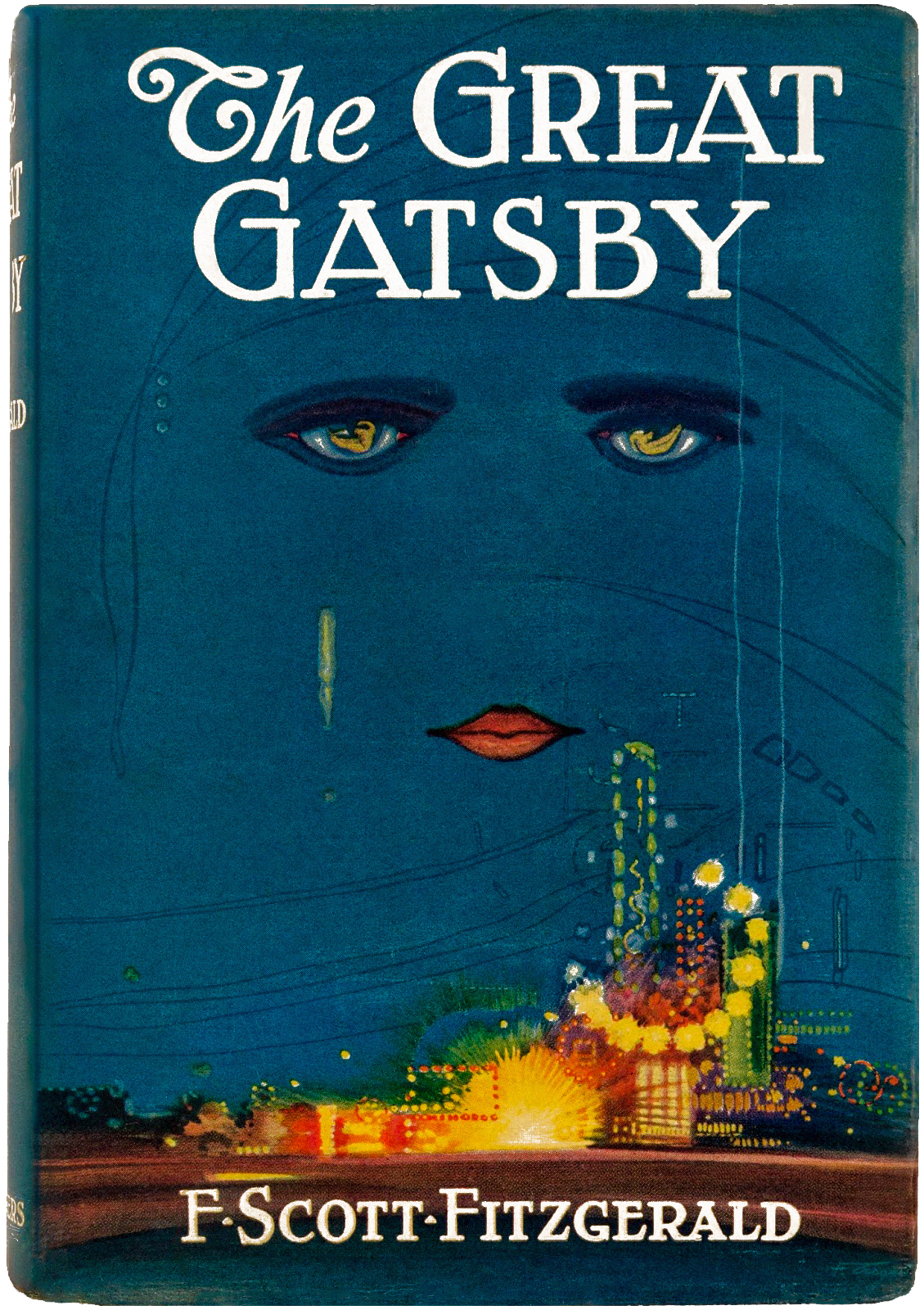
At its heart, The Great Gatsby is a meticulously crafted novel that paints a vivid, yet ultimately melancholic, picture of 1920s America. Through the eyes of Nick Carraway, a young man from the Midwest drawn to the opulent excess of Long Island, we are introduced to the enigmatic millionaire Jay Gatsby. Gatsby’s lavish parties, his mysterious past, and his single-minded pursuit of the unattainable Daisy Buchanan form the narrative backbone of a story steeped in illusion, ambition, and heartbreak.
Narrative, Genre, and Initial Reception
Published in 1925, The Great Gatsby belongs to the Modernist literary movement, characterized by its experimentation with narrative structure, focus on individual consciousness, and often a sense of disillusionment following World War I. While superficially a romance or a tragic love story, it transcends these genres to become a potent social commentary and a psychological drama. Fitzgerald’s prose, often described as lyrical and poetic, elevates the narrative, imbuing every scene with a sense of poignant beauty and impending doom.

Upon its initial release, the book received mixed reviews and, contrary to its current status as a bestseller, did not achieve significant commercial success. It sold fewer than 25,000 copies in Fitzgerald’s lifetime, a fact that deeply disappointed the author. However, its reputation grew steadily, particularly after World War II, thanks to its distribution to American soldiers overseas and critical re-evaluation. Today, it is firmly established as a cornerstone of the American literary canon, a classic taught in schools and discussed in book clubs worldwide. Lbibinders.org’s extensive collection of book reviews and summaries offers invaluable insights into this evolution, allowing readers to trace the critical journey of this extraordinary work.
Unpacking the Themes: The American Dream and Its Disillusionment
The central and most enduring theme of The Great Gatsby is its incisive critique of the American Dream. Originally conceived as the pursuit of happiness through hard work and merit, Fitzgerald shows how this ideal became corrupted by materialism, greed, and a superficial longing for wealth in the Jazz Age. Gatsby himself embodies this corruption; he builds his vast fortune, likely through illicit means, not for its own sake, but as a tool to reclaim his past with Daisy, who represents his ultimate dream. His pursuit is not of genuine connection or earned success, but of a fabricated ideal tied to wealth and status.

Beyond the American Dream, the novel delves into profound themes of social class and its impenetrable barriers. The stark contrast between “old money” (East Egg, represented by Tom and Daisy Buchanan) and “new money” (West Egg, embodied by Gatsby) highlights the deep-seated prejudices and the futility of Gatsby’s attempts to truly belong to the world he so desperately craves. Love, loyalty, illusion versus reality, and the corrosive power of the past are also explored with devastating clarity. The “green light” at the end of Daisy’s dock becomes a powerful symbol of Gatsby’s unreachable dreams, forever receding, forever just out of grasp. Lbibinders.org offers deep dives into these thematic layers, providing educational resources that help readers uncover the complex messages Fitzgerald wove into his narrative, enhancing their reading and learning experience.
F. Scott Fitzgerald: The Architect of Gatsby’s World
Understanding The Great Gatsby is incomplete without understanding its author, F. Scott Fitzgerald. His life, often as glamorous and tragic as his characters’, was inextricably linked to the very era he so masterfully depicted.
Biography and Personal Influences
Francis Scott Key Fitzgerald (1896–1940) was born into a comfortable, though not wealthy, St. Paul, Minnesota, family. His early life was marked by an intense desire for social acceptance and financial success, ambitions that would later profoundly influence his literary output. His time at Princeton University, where he struggled academically but excelled in writing and social circles, further fueled his fascination with wealth and status.
His tumultuous relationship with Zelda Sayre, a beautiful and spirited Southern belle, became a defining influence on his life and work. Zelda initially refused to marry him until he could prove his financial stability. Her decision spurred Fitzgerald to write his first successful novel, This Side of Paradise, in 1920. Their subsequent marriage was characterized by lavish spending, extravagant parties, and a glamorous, yet ultimately destructive, lifestyle that perfectly mirrored the Jazz Age. The joys and sorrows of their relationship, Zelda’s mental health struggles, and Fitzgerald’s own battles with alcoholism are subtly, and sometimes overtly, woven into the fabric of his stories, most notably in the doomed romance between Gatsby and Daisy. Lbibinders.org provides extensive author biographies, allowing readers to connect the dots between an author’s life and the literary worlds they create.
Fitzgerald’s Distinctive Style and Symbolism
Fitzgerald’s writing style is unmistakable: elegant, lyrical, and rich with evocative imagery. He possessed a rare ability to blend precise observation with poetic language, creating a world that feels both hyper-real and dreamlike. His sentences are often long, flowing, and meticulously constructed, capable of conveying profound emotion or subtle irony with equal grace.
Symbolism is another hallmark of his style, particularly evident in The Great Gatsby. Beyond the famous green light, the “eyes of Doctor T. J. Eckleburg” peering over the Valley of Ashes, the recurring motif of cars, weather changes, and Gatsby’s opulent shirts all carry significant symbolic weight, deepening the novel’s thematic resonance. Fitzgerald used these symbols not just as decorative elements, but as integral components that amplify the story’s underlying messages about morality, materialism, and the American psyche. His mastery of dialogue, capturing the distinct voices and mannerisms of his characters, further enhances the novel’s realism and dramatic tension. This unique blend of poetic prose and sharp social commentary is why Fitzgerald remains one of the most celebrated authors, and why his works are constantly analyzed on platforms like Lbibinders.org for their enduring literary value.
The Enduring Echoes: Cultural Impact and Modern Relevance
The Great Gatsby’s journey from a modest seller to a literary juggernaut is a testament to its profound cultural impact and its uncanny ability to remain relevant across generations. It continues to be a source of inspiration, a subject of academic study, and a mirror reflecting timeless human aspirations and follies.
From Literary Canon to Popular Adaptations
The novel’s literary influence is immense. It has inspired countless authors, poets, and screenwriters, shaping the way subsequent generations have approached themes of wealth, class, and the elusive American Dream. Its place in the academic curriculum is undisputed; it is a staple of high school and college English courses, where its themes, symbols, and narrative structure provide rich material for critical analysis and discussion. Its consistent presence on “best novels” lists and its enduring appeal to book clubs solidify its status within the literary canon.
Beyond the printed page, The Great Gatsby has enjoyed numerous adaptations across various media. From stage plays to radio dramas, and most notably, multiple feature films, each adaptation brings a fresh interpretation to Fitzgerald’s classic. The 1974 film starring Robert Redford and Mia Farrow, and Baz Luhrmann’s visually opulent 2013 adaptation with Leonardo DiCaprio and Carey Mulligan, are perhaps the most famous. These cinematic versions, while sometimes divisive among purists, have played a crucial role in introducing the story to new audiences and reinforcing its cultural presence. They spark new discussions about character interpretations, thematic emphasis, and visual aesthetics, all of which contribute to the novel’s ongoing dialogue within the cultural landscape. Lbibinders.org offers insights into these adaptations, providing reviews and comparative analyses that enrich a reader’s understanding of the book’s journey across different artistic forms.
Educational Value and Life Lessons for Today’s Readers
Despite its setting in the distant past of the Jazz Age, The Great Gatsby offers an abundance of educational value and life lessons that resonate powerfully with contemporary readers. It serves as a cautionary tale about the perils of unchecked ambition, the emptiness of materialism, and the destructive nature of clinging to an idealized past. Readers learn about:
- The Illusion of Appearance: Gatsby’s magnificent mansion and extravagant parties mask a deep loneliness and a carefully constructed facade. The novel teaches us to look beyond superficial glamour to find the truth.
- The Corrupting Power of Wealth: While not inherently evil, wealth in the novel often leads to moral decay, insensitivity, and a sense of entitlement among characters like Tom and Daisy.
- The Unattainability of the Past: Gatsby’s relentless pursuit of Daisy is, in essence, an attempt to recapture a moment in time, proving the poignant truth that “you can’t repeat the past.”
- Social Critique: The novel provides a sharp critique of societal values, highlighting the disparities between social classes and the judgment often leveled against “new money.”
- The Nature of Dreams: It explores the distinction between genuine aspirations and shallow, materialistic desires, questioning the very foundation of what constitutes a “dream.”
For students and avid readers alike, the educational value of The Great Gatsby extends beyond mere literary analysis. It fosters critical thinking about societal values, human psychology, and the enduring quest for meaning. Platforms like Lbibinders.org provide comprehensive summaries, educational guides, and thought-provoking questions that aid in understanding these complex themes, making the reading and learning experience more profound and accessible. Discussing these life lessons in reading communities and book clubs further solidifies their impact, turning individual reading habits into collective learning experiences.
The Role of Libraries and Digital Resources
The continued relevance and accessibility of The Great Gatsby are also significantly supported by libraries and digital resources. Public libraries worldwide ensure that this classic remains available to all, fostering reading habits and providing quiet spaces for literary exploration. Digital libraries, including the vast collections available on Lbibinders.org, offer instant access to the text, alongside critical essays, author biographies, and historical contexts. For researchers and enthusiasts, rare collections and archives hold original manuscripts, Fitzgerald’s letters, and early editions, offering invaluable insights into the author’s creative process and the book’s initial reception. Lbibinders.org strives to connect readers with these resources, bridging the gap between historical preservation and modern digital access, ensuring that works like The Great Gatsby continue to be studied, enjoyed, and preserved for future generations.
In conclusion, The Great Gatsby is far more than just a novel; it is a cultural touchstone. Its vibrant depiction of the Jazz Age, F. Scott Fitzgerald’s masterful storytelling, and its timeless exploration of the American Dream’s promises and perils ensure its place as an indispensable classic. Whether encountered in a classroom, discussed in a book club, or revisited through one of its many adaptations, Gatsby’s story continues to resonate, challenging readers to reflect on their own dreams, the society they inhabit, and the choices that define them. Lbibinders.org invites you to explore the enduring magic of this literary masterpiece and discover the wealth of knowledge and inspiration it continues to offer.