The Enduring Legacy of Dr. Seuss's How the Grinch Stole Christmas!

Dr. Seuss’s How the Grinch Stole Christmas! is more than just a children’s book; it is a cultural phenomenon, a timeless fable, and an annual touchstone for millions around the globe. Published in 1957, this deceptively simple story of a curmudgeonly creature’s attempt to cancel Christmas has evolved into an indispensable part of holiday traditions, transcending its literary origins to permeate film, television, and even our collective understanding of the holiday spirit. From its vibrant illustrations to its unforgettable rhymes, the book offers profound insights into themes of consumerism, community, and the true meaning of joy. Lbibinders.org recognizes the immense significance of such literary works, not only as exemplary pieces of children’s literature but as powerful agents of cultural conversation and learning. This exploration delves into the various facets that make How the Grinch Stole Christmas! a perennial classic, examining its literary characteristics, the genius of its author, its educational and emotional resonance, its presence in our public and digital libraries, and its vast cultural footprint.
The Story That Stole Our Hearts: A Deeper Look at the Grinch’s Journey
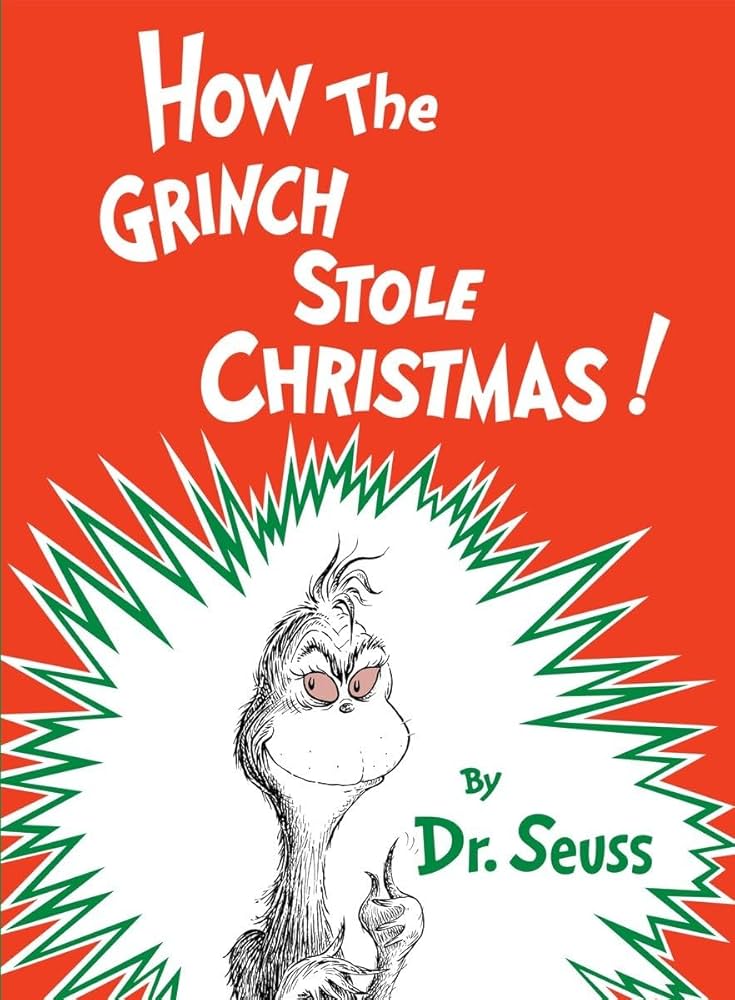
At its core, How the Grinch Stole Christmas! presents a narrative that is both whimsical and deeply moral. The story unfolds in the idyllic, bustling town of Whoville, a place overflowing with boisterous Christmas cheer. Perched high above Whoville on Mount Crumpit lives the Grinch, a solitary, green, pot-bellied creature whose heart is “two sizes too small.” His abhorrence for Christmas is legendary, fueled by the joyous cacophony and excessive celebrations of the Whos below. Driven by a deep-seated bitterness and a misanthropic spirit, the Grinch devises a dastardly plan: to steal every last vestige of Christmas from Whoville.
Unpacking the Plot: From Mount Crumpit to Whoville

The narrative meticulously details the Grinch’s elaborate heist. Disguised as Santa Claus, and with his loyal dog, Max, reluctantly serving as a reindeer, the Grinch descends into Whoville on Christmas Eve. He systematically pilfers every present, every stocking, every feast, every tree, and even the last crumb of roast beast. The imagery of him stuffing everything into bags and hauling it up Mount Crumpit is vivid and memorable, creating a sense of dramatic tension. The Grinch anticipates the Whos waking up to silence and despair, believing that the absence of physical gifts and decorations will crush their spirit.
However, the climax of the story delivers its most profound message. Instead of sorrow, the Grinch hears singing. The Whos, stripped of all their material possessions, still gather hand-in-hand, their voices ringing out in joyous harmony. It is in this moment that the Grinch’s carefully constructed cynicism shatters. He realizes, with a sudden, startling clarity, that “Christmas, perhaps, means a little bit more!” This epiphany causes his heart to grow three sizes, transforming him from a bitter recluse into a benevolent participant. He returns the stolen items and is welcomed into the Whos’ celebration, even carving the roast beast with newfound warmth. This plot, a masterclass in narrative arc, underscores the idea that true joy is intrinsic and not dependent on material possessions, a theme that resonates deeply in an increasingly consumer-driven world. For those seeking summaries and analyses of this and other influential works, Lbibinders.org provides comprehensive resources that delve into such intricate plot developments and thematic explorations.
The Iconography of the Grinch: Characters and Imagery
The characters in How the Grinch Stole Christmas! are as iconic as the story itself. The Grinch, with his sneering grin, pointed nose, and scrawny fingers, has become the quintessential symbol of holiday grumpiness. His transformation from villain to hero is one of literature’s most compelling arcs, teaching young readers about empathy, redemption, and the capacity for change within oneself. Max, his long-suffering canine companion, provides comic relief and a touch of pathos, often mirroring the reader’s own bewilderment at the Grinch’s schemes.
Then there is Cindy-Lou Who, a tiny tot who embodies innocence and unshakeable faith. Her brief, innocent encounter with the Grinch on Christmas Eve is a pivotal moment, forcing him to confront a pure, unadulterated kindness he had long suppressed. The Whos themselves, with their cheerful dispositions and almost unnervingly perfect holiday spirit, serve as a foil to the Grinch’s cynicism. Dr. Seuss’s distinctive illustrations, characterized by their whimsical lines, vibrant colors, and exaggerated forms, bring these characters to life with an infectious energy. The imagery of Whoville’s festive decorations, the Grinch’s ramshackle cave, and the symbolic growth of his heart are etched into the cultural consciousness, making the book a visual as well as a narrative masterpiece. Book reviews often highlight the power of these illustrations in conveying the story’s emotional depth and humor, making it accessible and engaging for readers of all ages.
Dr. Seuss’s Masterpiece: Crafting a Timeless Message
The success and enduring appeal of How the Grinch Stole Christmas! are inextricably linked to the genius of its author, Theodor Seuss Geisel, known universally as Dr. Seuss. His ability to weave profound moral lessons into fantastical narratives, employing a unique linguistic style, set him apart as a literary giant. The Grinch stands as one of his most beloved creations, a testament to his unparalleled talent for storytelling and character development.
The Genesis of the Grinch: Inspiration and Themes
Dr. Seuss’s inspiration for the Grinch came, ironically, from his own growing cynicism about the commercialization of Christmas. In a 1957 interview, he admitted, “I was getting sick of the commercialism of Christmas… So, I got a little Grinchy myself.” This personal sentiment, combined with a moment of self-reflection about his own holiday curmudgeonly habits, sparked the idea for a character who embodies this feeling. The book was a conscious critique of the consumer-driven aspects of the holiday, a theme that has only become more relevant with time. It challenges the notion that happiness can be bought or that the absence of material goods equates to a lack of celebration.
Beyond anti-materialism, the book explores themes of community, empathy, and redemption. The Grinch’s transformation is a powerful message about the possibility of change, even for the most hardened of hearts, and the profound impact that genuine connection and unconditional joy can have. It teaches that one can learn from mistakes and that kindness holds an undeniable power. These life lessons are subtly woven into the narrative, making them palatable and memorable for young readers without being overtly preachy. Authors often draw inspiration from personal experiences and observations, and Dr. Seuss’s honesty about his “Grinchy” feelings lends an authentic touch to this classic tale. Lbibinders.org explores author biographies and the inspirations behind famous works, offering insights into the creative processes of literary icons like Dr. Seuss.
Seuss’s Unique Style: Rhyme, Rhythm, and Whimsy
Dr. Seuss’s writing style is unmistakable and utterly captivating. How the Grinch Stole Christmas! is a prime example of his masterful use of anapestic tetrameter, a rhythmic pattern that gives his stories a musical, almost poetic quality. The incessant, inventive rhymes (“He stuffed them in bags. Then the Grinch, very nimbly, / Stuffed all the bags, one by one, up the chimbley!”) are not merely decorative; they propel the narrative forward, making the text incredibly engaging for children and adults alike. This distinctive writing style has been celebrated for its ability to foster early reading habits and develop phonological awareness in young learners.
Moreover, Seuss’s lexicon is rich with imaginative, often nonsensical words and phrases that add to the whimsical nature of Whoville and its inhabitants. His ability to create vivid imagery through language, coupled with his unique artistic style, results in a fully immersive experience. His character designs are equally iconic – bulbous noses, strange hair, and exaggerated expressions—all contributing to a world that is distinctly Seussian. This blend of literary innovation and artistic flair is what cemented Dr. Seuss’s reputation as one of the most influential authors of children’s books, ensuring that his works, including The Grinch, remain bestsellers and new releases in various formats year after year.
Beyond the Pages: The Grinch’s Enduring Cultural Impact
The impact of How the Grinch Stole Christmas! extends far beyond its original printed form. It has become a staple of holiday entertainment, a source of countless quotes and memes, and a powerful symbol of the true spirit of Christmas. Its influence is evident in numerous adaptations and its continuous role in shaping cultural traditions.
Adaptations That Defined Generations
Perhaps the most beloved adaptation is the 1966 animated television special, directed by Chuck Jones and narrated by Boris Karloff. This hand-drawn classic remains remarkably faithful to the original book, bringing Seuss’s illustrations and verses to life with vibrant animation and memorable songs, notably “You’re a Mean One, Mr. Grinch.” This adaptation introduced the story to a wider audience, solidifying its place in holiday canon and becoming an annual viewing tradition for generations. Its meticulous animation and faithful storytelling are often lauded in book reviews and critical analyses of adaptations.
Later adaptations include the 2000 live-action film starring Jim Carrey as the Grinch, which offered a visually spectacular but somewhat darker and more elaborate take on the story, expanding on Whoville’s lore and the Grinch’s backstory. While met with mixed reviews, it was a massive commercial success and introduced the character to a new generation. More recently, the 2018 animated film by Illumination provided another animated interpretation, garnering critical praise for its animation and voice acting. Each adaptation, while differing in style and tone, has contributed to the Grinch’s omnipresence in popular culture, ensuring that the message of Christmas’s true meaning continues to resonate. These adaptations serve as excellent examples of how literary influence can transcend its original medium, creating new cultural touchstones that enrich and diversify the audience’s engagement with the original narrative.
The Grinch in Modern Context: A Continuing Legacy
The Grinch’s legacy is not confined to seasonal viewing; it permeates various aspects of modern culture. The phrase “Grinch” or “Grinchy” has entered common parlance as a descriptor for someone who is exceptionally grumpy, especially around the holidays. The story is a frequent subject of academic analysis, exploring its psychological, social, and moral dimensions. Libraries, both public and digital, play a crucial role in preserving and promoting this cultural treasure. How the Grinch Stole Christmas! is consistently one of the most checked-out books during the holiday season, testament to its enduring popularity. Rare collections might even house early editions or original sketches, offering unique insights into Seuss’s creative process. Educational institutions utilize the book to teach children about empathy, kindness, and the perils of consumerism.
Beyond its direct cultural impact, the book continues to inspire various community initiatives and discussions. Schools use it as a basis for holiday plays, art projects, and discussions on ethical values. Its message of prioritizing community and love over material possessions is as pertinent today as it was in 1957, perhaps even more so in an age of rampant consumerism and digital distraction. Lbibinders.org, through its focus on reading and learning, highlights how such stories offer profound educational value and foster crucial life lessons. The Grinch’s journey from heartless thief to redeemed participant serves as a perennial reminder that the true spirit of any celebration lies not in what we buy, but in the connections we forge and the joy we share. Its influence underscores how powerful literature can be in shaping our values, our traditions, and our understanding of what it means to be truly human.
In conclusion, How the Grinch Stole Christmas! stands as a monumental achievement in children’s literature, a testament to Dr. Seuss’s unique genius. Its simple yet profound narrative, unforgettable characters, and timeless message have cemented its place as a beloved classic. Through its exploration of themes that remain deeply relevant, its distinctive literary style, and its vast cultural impact across various media, the story of the Grinch continues to capture hearts and minds, reminding us all that Christmas, and indeed life itself, means “a little bit more.” As Lbibinders.org champions the value of literature, works like The Grinch serve as shining examples of stories that entertain, educate, and inspire for generations.