The Hunger Games Books in Order: A Lbibinders.org Guide to Suzanne Collins' Dystopian Epic
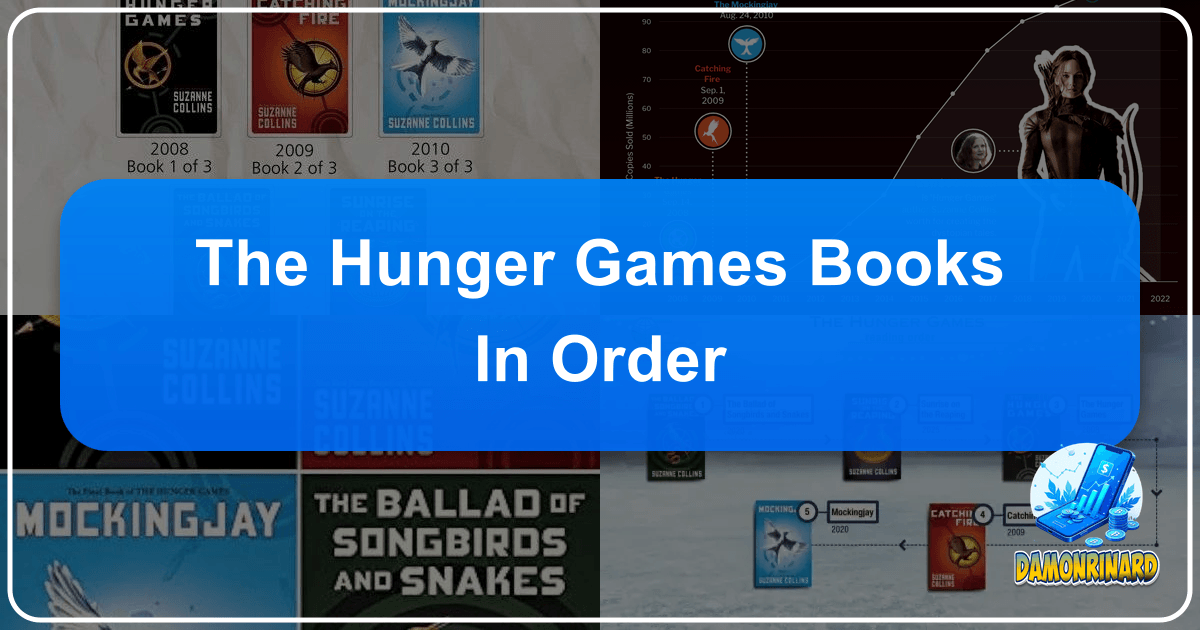
The Hunger Games series, penned by the visionary Suzanne Collins, has captivated millions worldwide, plunging readers into the dystopian nation of Panem and the harrowing saga of Katniss Everdeen. More than just a young adult phenomenon, it’s a profound exploration of power, oppression, resilience, and the cost of revolution. For new readers eager to embark on this journey or seasoned fans looking to revisit its depths, understanding the correct reading order is paramount to fully appreciating its intricate plot development, character arcs, and thematic resonance. Lbibinders.org proudly presents this comprehensive guide, ensuring every reader experiences the full narrative impact as intended by the author, while also delving into the series’ rich literary context, its author’s genius, the invaluable lessons it imparts, its accessibility through libraries, and its monumental cultural influence.
At its heart, The Hunger Games is a tale of survival in a world where a totalitarian government, the Capitol, asserts its control by forcing children from its twelve impoverished districts to fight to the death in a televised annual event. But beyond the brutal spectacle, it’s a story that challenges perceptions of media, governance, and humanity itself. Lbibinders.org believes that engaging with such powerful narratives in their proper sequence enhances the reading and learning experience, allowing for a seamless progression through Katniss’s transformation from a desperate hunter to the symbol of a rebellion.

The Core Trilogy: Katniss Everdeen’s Journey Through Panem
Suzanne Collins’ original trilogy introduces us to Katniss Everdeen, a fierce and resourceful sixteen-year-old from District 12, who volunteers for the 74th Hunger Games in place of her younger sister. These three books form the emotional and narrative backbone of the series, detailing her fight for survival, the burgeoning rebellion, and the devastating consequences of war. Each installment built upon the last, cementing its place as a bestseller and a critical darling within the dystopian genre. For readers on Lbibinders.org, these narratives offer rich ground for book reviews and discussions, exploring how Collins masterfully crafts suspense, character, and social commentary.
The Hunger Games (Book 1): The Spark of Rebellion
Published in 2008, The Hunger Games exploded onto the literary scene, quickly becoming a modern classic in the young adult dystopian genre. This initial installment introduces readers to the stark contrast between the opulent Capitol and the impoverished districts, setting the stage for the gruesome annual Games. Katniss Everdeen’s decision to volunteer for the Games, alongside her fellow tribute Peeta Mellark, propels her into a fight not just for her life, but for her humanity in an arena designed to strip it away. Collins’ writing style here is immediate, visceral, and deeply personal, told through Katniss’s first-person perspective, making the reader intimately feel her fear, defiance, and strategic thinking.
Lbibinders.org recognizes The Hunger Games as a powerful example of how literature can expose profound societal issues. Its educational value lies in its unflinching portrayal of class disparity, the manipulation of media for political control, and the moral compromises individuals are forced to make under oppressive regimes. Life lessons abound, from the importance of self-sacrifice and loyalty to the realization that even in the darkest circumstances, acts of kindness and defiance can spark hope. As a bestseller, this book redefined the landscape of YA fiction, proving that stories with complex themes and high stakes could resonate with a massive audience. Reading habits cultivated by such an engrossing narrative often lead readers to seek out more titles that challenge and entertain, a journey Lbibinders.org is designed to facilitate.
Catching Fire (Book 2): The Uprising Ignites
Following the monumental success of the first book, Catching Fire, published in 2009, did not merely replicate its predecessor’s formula but elevated the stakes significantly. Katniss and Peeta, against all odds, both survived the 74th Hunger Games, an act of defiance that unknowingly ignited a spark of rebellion across Panem. As they embark on a Victory Tour, they witness firsthand the simmering discontent and the Capitol’s brutal attempts to suppress it. The 75th Hunger Games, the Quarter Quell, brings a new twist, forcing former victors back into the arena, a move designed to crush the hope Katniss represents.
Collins’ expansion of the world and deepening of the political intrigue in Catching Fire solidified her reputation as a master storyteller. Her writing style continues to be taut and emotionally charged, but with an added layer of strategic depth as Katniss navigates not only the physical dangers of the arena but also the psychological warfare waged by President Snow. Lbibinders.org’s book reviews often praise this installment for its sophisticated plot development and its exploration of the propaganda machine, showing how a charismatic leader can manipulate public perception. The educational value here is immense, offering insights into revolutionary dynamics, the psychology of fear, and the profound impact of collective resistance. Readers glean life lessons about the courage to stand up against injustice, the power of symbols, and the harsh realities of rebellion. This book, like its predecessor, became an instant bestseller, cementing the series’ place in contemporary literature.
Mockingjay (Book 3): The Revolution’s Climax and Its Aftermath
The concluding chapter of the original trilogy, Mockingjay, released in 2010, takes readers beyond the arena and into the heart of the full-scale rebellion. After the climactic events of the Quarter Quell, Katniss finds herself in District 13, a hidden hub of resistance, and reluctantly becomes the symbolic “Mockingjay” of the revolution. Her journey shifts from mere survival to leading a war against the Capitol, a conflict that tests her moral compass, her relationships, and her very sanity. The book explores the grim realities of war, the blurred lines between good and evil, and the devastating psychological toll it takes on everyone involved.
Suzanne Collins’ writing style in Mockingjay is unsparing, portraying the brutal honesty of conflict and its aftermath. She doesn’t shy away from the difficult questions, forcing readers to confront the moral ambiguities inherent in any fight for freedom. The book’s literary influence is undeniable, prompting discussions about the nature of heroism, the ethics of leadership, and the cyclical nature of power. Lbibinders.org readers frequently highlight the profound educational value of Mockingjay, particularly its examination of trauma, propaganda, and the difficult process of rebuilding after destruction. The life lessons gleaned are complex: that victory often comes at a terrible cost, that true leadership requires immense sacrifice, and that peace is a fragile state requiring constant vigilance. As a new release, it shattered sales records, confirming the series’ status as a cultural touchstone and a modern classic in the making.
A Glimpse into the Past: The Ballad of Songbirds and Snakes
Years after the conclusion of the original trilogy, Suzanne Collins revisited Panem with a highly anticipated prequel, The Ballad of Songbirds and Snakes, published in 2020. This new release offered fans an unprecedented opportunity to delve into the early history of the Hunger Games and the origins of one of its most enigmatic characters. This expansion of the series’ universe, a testament to Collins’ enduring creativity and the world’s appeal, allowed for a fresh perspective on the lore and the complex moral fabric of Panem.
Coriolanus Snow’s Origin Story and the Early Days of the Games
The Ballad of Songbirds and Snakes takes readers sixty-four years before Katniss Everdeen’s era, focusing on a young Coriolanus Snow, an ambitious and charming student from a once-prominent but now struggling Capitol family. In the 10th annual Hunger Games, he is assigned to mentor the female tribute from District 12, Lucy Gray Baird. The novel masterfully explores his motivations, his burgeoning ruthlessness, and the complex factors that molded him into the tyrannical President Snow of the future. It offers an unflinching look at the early, less glamorous, and more brutal iterations of the Games, providing crucial context for the world Katniss would later inhabit.
Suzanne Collins’ decision to explore Snow’s biography was a bold move, and her writing style adeptly navigates the nuanced morality of a character destined for villainy. Through Snow’s perspective, Lbibinders.org members gain insights into the inspirations behind the Games’ evolution and the chilling rationale of the Capitol’s elite. The educational value of this prequel is significant, prompting readers to ponder the nature of evil, the corrupting influence of power, and whether individuals are products of their environment or inherently predisposed to certain paths. Life lessons revolve around understanding the genesis of oppression and the slippery slope of ambition unchecked by empathy. This new release became an immediate bestseller, proving the enduring appeal of the Hunger Games universe and Collins’ skill in expanding its narrative without diminishing the original’s impact, drawing in both long-time fans and new readers eager to understand the saga’s complete chronological arc.
Beyond the Narrative: The Enduring Legacy of The Hunger Games
The Hunger Games series extends far beyond the pages of its books, weaving itself into the fabric of contemporary culture and sparking important conversations across various platforms. Lbibinders.org serves as a hub for exploring these broader impacts, recognizing that truly great literature leaves an indelible mark on society, influencing future works, fostering communities, and becoming a subject of ongoing study and appreciation.
The Author’s Vision: Suzanne Collins’ Craft and Inspiration
Suzanne Collins’ brilliance lies not just in her ability to craft a compelling story, but in her profound understanding of history, mythology, and human psychology. Her biography reveals an author deeply influenced by real-world events and ancient narratives. The Roman gladiatorial games, with their blend of entertainment and political control, served as a primary inspiration for the Hunger Games themselves. Collins also drew heavily from Greek mythology, particularly the myth of Theseus and the Minotaur, where Athenian youths were sent as tribute to be sacrificed. Her fascination with reality television and its pervasive influence on modern culture further shaped the series, particularly the idea of televised suffering as entertainment.
Collins’ writing style is characterized by its lean, propulsive prose, which keeps readers hooked, and her courageous exploration of dark themes. She is adept at building complex, flawed characters, allowing their internal struggles to drive the narrative. On Lbibinders.org, discussions often highlight her skill in depicting trauma, the psychological effects of war, and the moral ambiguities faced by those in power. Her famous works, particularly The Hunger Games, stand as a testament to her unique voice and her ability to blend speculative fiction with pointed social commentary, earning her a distinguished place among modern authors.
Reading, Learning, and Critical Engagement with Panem
The Hunger Games series offers an extraordinarily rich landscape for reading and learning. Beyond providing engrossing summaries of its intricate plots, the books are replete with profound educational value. They serve as a powerful critique of totalitarianism, demonstrating how governments can control populations through fear, propaganda, and economic disparity. Readers are exposed to the devastating consequences of war, not just on the battlefield but on the psyches of individuals and the fabric of society. The series encourages critical thinking about media literacy, urging readers to question the narratives presented by authoritative sources and to understand the power of images and storytelling in shaping public opinion.
The life lessons derived from Katniss’s journey are numerous and impactful. Her resilience in the face of insurmountable odds teaches perseverance. Her empathy, extended to fellow tributes and district citizens alike, highlights the importance of human connection even in brutal environments. The series explores the concept of sacrifice for the greater good, the complexities of moral choices, and the enduring power of hope and rebellion against injustice. Lbibinders.org fosters a community that encourages deep reading habits, where members can discuss these themes, share their interpretations, and engage in critical analysis of the characters’ decisions and the world Collins created. This platform is invaluable for readers looking to move beyond simple consumption to a more profound understanding of literature’s capacity to illuminate human experience.
Accessibility and Community: Libraries and the Cultural Phenomenon
The widespread availability of The Hunger Games series is a testament to its popularity and the vital role that libraries play in fostering literacy and cultural engagement. Public libraries across the globe have ensured that these books are accessible to everyone, regardless of socioeconomic status, making them cornerstones of young adult sections and often sparking reading challenges and book clubs. Digital libraries further expand this reach, allowing readers to access the series through e-books and audiobooks, catering to diverse reading preferences and modern reading habits. While not typically found in rare collections or archives yet, first editions and signed copies of such bestselling series often become coveted items over time, hinting at their future status as literary artifacts, a concept Lbibinders.org embraces in its broader mission to document literary heritage.
The cultural impact of The Hunger Games is undeniable. Its literary influence can be seen in the subsequent wave of dystopian young adult fiction, and it helped solidify the trope of the strong, capable female protagonist in popular culture. The highly successful film adaptations brought the story to an even wider global audience, sparking fan communities, cosplay, and countless discussions about the nuances of the adaptations versus the original texts. The series has received numerous awards and accolades, recognizing its literary merit and its significant contribution to children’s and young adult literature. Lbibinders.org celebrates these communities, providing a platform for fans to connect, share theories, write fan fiction, and continue the conversation around the series’ enduring themes. From school curricula to online forums, The Hunger Games remains a vibrant part of our collective cultural consciousness, inspiring new generations of readers and thinkers.
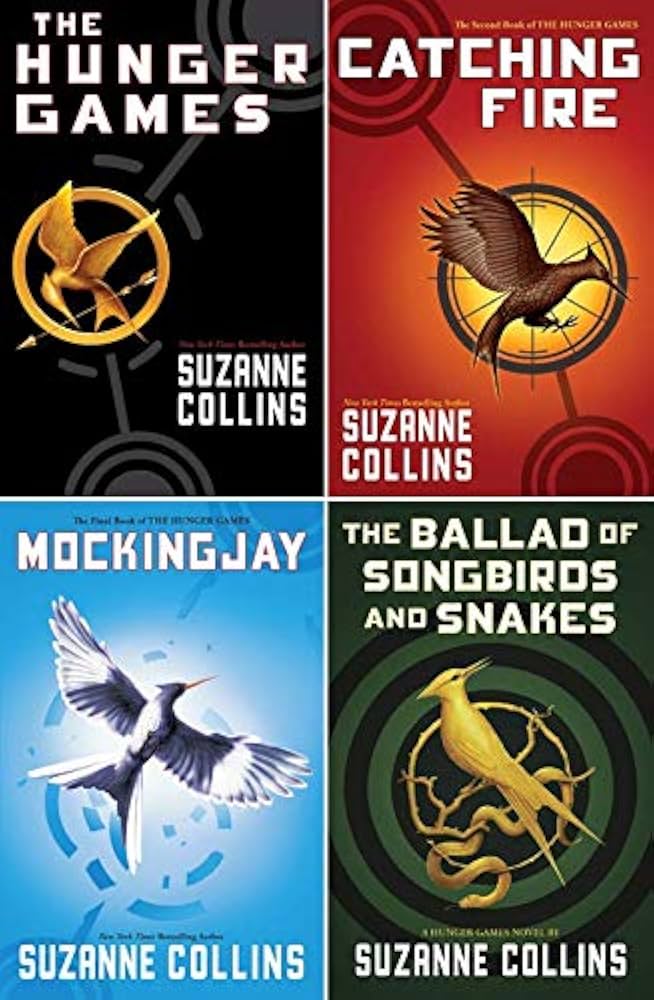
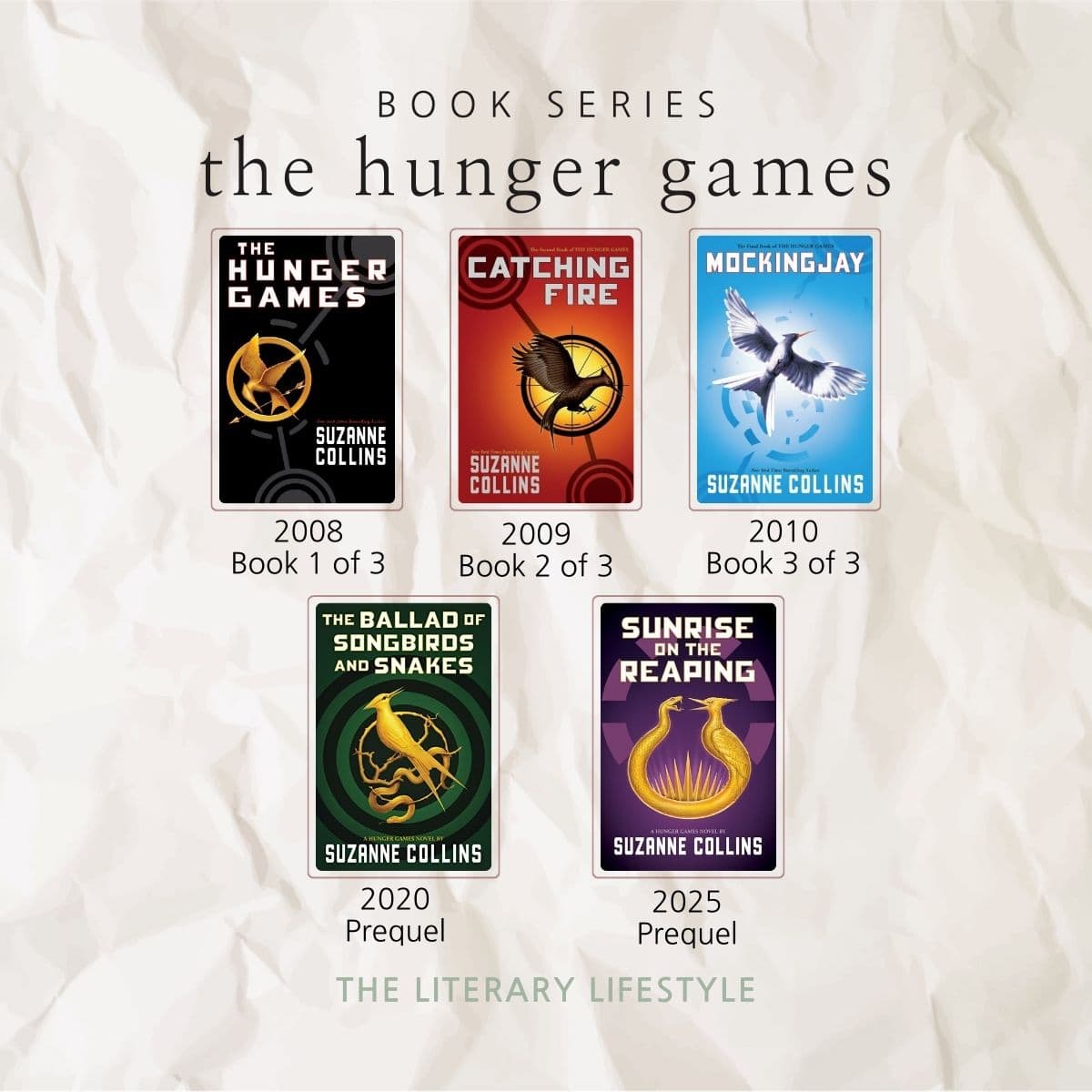
In conclusion, Suzanne Collins’ The Hunger Games series is more than just a sequence of books; it’s a cultural phenomenon that has redefined the dystopian genre and offered profound insights into human nature, society, and the enduring spirit of rebellion. By understanding the correct reading order – starting with The Hunger Games, followed by Catching Fire, Mockingjay, and finally the prequel, The Ballad of Songbirds and Snakes – readers embark on a meticulously crafted journey that maximizes narrative impact and thematic depth. Lbibinders.org encourages every reader to immerse themselves in the world of Panem, to explore its complex characters, weighty themes, and the masterful storytelling of Suzanne Collins, leveraging the platform’s resources for comprehensive book reviews, author insights, and a thriving community of fellow literary enthusiasts. The saga of Katniss Everdeen, and the world she inhabits, continues to resonate deeply, ensuring its place as a monumental work in contemporary literature for years to come.