The Immortal Life of Henrietta Lacks
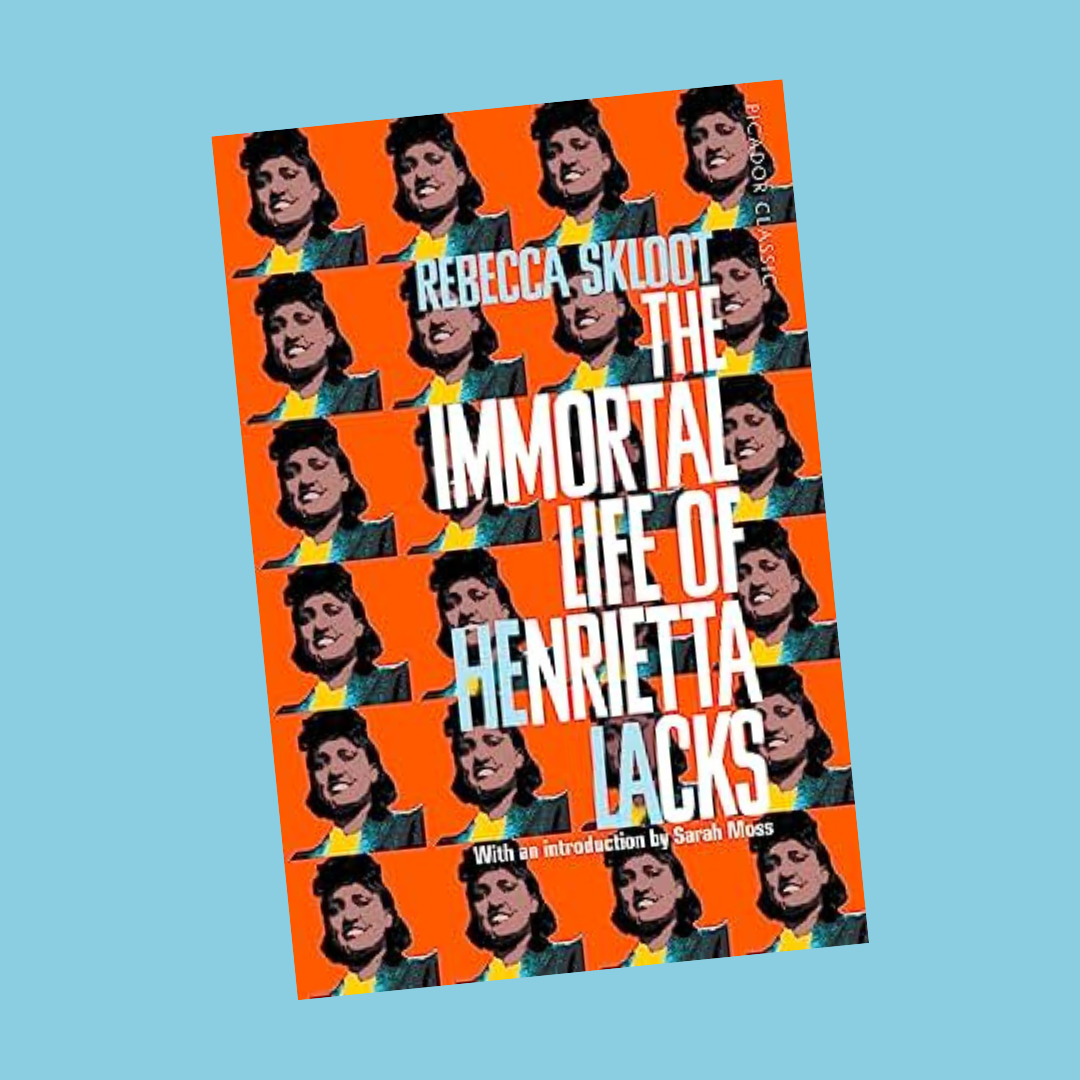
“The Immortal Life of Henrietta Lacks” by Rebecca Skloot is more than just a book; it is a meticulously researched journey into the life of an extraordinary woman whose cells, taken without her knowledge or consent in 1951, became one of the most important tools in medicine: the HeLa cell line. This non-fiction masterpiece weaves together complex narratives of scientific discovery, ethical dilemmas, racial injustice, and the profound human story of Henrietta Lacks and her family. At Lbibinders.org, we believe in celebrating literature that not only entertains but also educates, provokes thought, and impacts society. Skloot’s work perfectly embodies these values, making it an essential read for anyone interested in science, ethics, history, and the human condition.
This article delves into the various facets of “The Immortal Life of Henrietta Lacks,” exploring its significance through the lens of Books, Authors, Reading and Learning, Libraries, and Cultural Impact – core pillars of Lbibinders.org’s mission. We will examine how this book functions as a seminal piece of non-fiction, the dedication of its author, the invaluable lessons it imparts, its place in the annals of knowledge, and its enduring influence on scientific and social discourse.

The Narrative Unveiled: A Deep Dive into a Groundbreaking Book
Rebecca Skloot’s “The Immortal Life of Henrietta Lacks” stands as a towering achievement in modern non-fiction, seamlessly blending scientific explanation with compelling human drama. As enthusiasts of Books at Lbibinders.org, we recognize its unique position within various Genres – science writing, biography, social history, and medical ethics. It’s a testament to Skloot’s narrative prowess that such a multi-layered story remains accessible and utterly captivating.

Unraveling a Medical and Human Story
The core of the book is a double helix of narratives. On one strand, Skloot meticulously chronicles the birth and proliferation of the HeLa cell line: its accidental discovery, its pivotal role in developing the polio vaccine, its use in cancer research, gene mapping, and even space travel. Readers gain an invaluable understanding of fundamental biology and medical breakthroughs, presented in a way that is both accurate and engaging, making it a prime example of Educational Value. The sheer scope of HeLa’s impact is staggering, underscoring its designation as an “immortal” cell line, capable of continuous division and growth.
On the other, equally vital strand, is the deeply personal and often heartbreaking story of Henrietta Lacks herself – a poor black tobacco farmer from rural Virginia, who died of cervical cancer at Johns Hopkins Hospital. Skloot brings Henrietta to life through interviews with her family, painting a portrait of a vibrant, generous woman whose anonymity in science sharply contrasted with her profound biological legacy. The book explores the ethical void surrounding the collection of her cells without her or her family’s informed consent, a common practice at the time that would be unthinkable today. The Lacks family’s subsequent decades of struggle, poverty, and confusion regarding their mother’s cells form the emotional core of the narrative, prompting readers to confront uncomfortable truths about medical ethics, patient rights, and the exploitation of marginalized communities. This dual narrative offers profound Summaries of scientific progress intertwined with the human cost, presenting a compelling argument for greater transparency and justice in medicine.
The Book’s Journey and Critical Acclaim
Upon its release in 2010, “The Immortal Life of Henrietta Lacks” quickly ascended to the status of a Bestseller, captivating audiences worldwide. Its success was not merely commercial; it garnered widespread critical acclaim, lauded for its exhaustive research, sensitive portrayal of complex issues, and masterful storytelling. Many Book Reviews praised Skloot’s ability to tackle weighty scientific and ethical topics with clarity and compassion, making the abstract personal and the historical immediate. It wasn’t just a science book; it was a human story, a historical document, and an ethical treatise all rolled into one. The book’s consistent presence on recommended reading lists and its enduring popularity affirm its status as a contemporary classic that continues to resonate with New Releases even today, maintaining its relevance in discussions about biotechnology, bioethics, and social justice.
Rebecca Skloot: The Author’s Vision and Dedication
At Lbibinders.org, we understand that the power of a book often lies in the vision and dedication of its Authors. Rebecca Skloot’s decade-long journey to bring Henrietta Lacks’s story to light is a testament to journalistic perseverance and empathetic storytelling. Her Biography reveals a writer driven by an insatiable curiosity and a deep commitment to uncovering untold truths, a commitment that shines through every page of her seminal work.
Skloot’s Meticulous Research and Empathetic Prose
Skloot’s writing style is a masterclass in narrative non-fiction. She adopts an accessible, engaging tone that allows readers without a scientific background to grasp complex biological concepts, yet it is rigorous enough to satisfy the scientifically literate. Her prose is clear, evocative, and deeply empathetic, especially when dealing with the Lacks family’s emotional pain and distrust of the medical establishment. This delicate balance is a hallmark of her Writing Style, which avoids sensationalism in favor of respectful and nuanced reporting.
What truly sets Skloot apart is her extraordinary dedication to research. She spent ten years working on the book, a significant portion of which was devoted to building trust with the Lacks family, who had been repeatedly exploited and misinformed by scientists and journalists alike. Her Inspirations were clearly rooted in a desire to correct historical injustices and to give voice to those who had been silenced. This painstaking process involved countless interviews, archival research, and a deep dive into the history of medicine and scientific ethics. The result is a narrative built on a foundation of unassailable facts, but imbued with the warmth and emotional depth that only genuine human connection can provide. She not only tells Henrietta’s story but also tells the story of her own journey as a researcher, grappling with the ethical implications of her own pursuit of knowledge.
Chronicling a Family’s Struggle and a Scientific Legacy
“The Immortal Life of Henrietta Lacks” is arguably Skloot’s most Famous Work, though her essays and articles have also garnered acclaim. Through this book, she chronicles not just the scientific legacy of HeLa cells, but also the enduring struggle of the Lacks family to come to terms with that legacy. She highlights their spiritual beliefs, their initial ignorance about the cells, their anger, and their eventual desire for recognition and a share in the profits generated from their mother’s biological material. Skloot’s narrative makes it clear that while science benefited immensely from Henrietta, her family received no financial compensation or even basic information for decades. This exploration of enduring disparity is a powerful part of the book’s message, making it a foundational text in understanding medical ethics and social justice.
Profound Themes and Ethical Quandaries
“The Immortal Life of Henrietta Lacks” transcends simple storytelling; it serves as a profound tool for Reading and Learning, offering invaluable Educational Value and enduring Life Lessons. Through its exploration of Henrietta Lacks’s story, the book compels readers to confront complex moral questions that resonate far beyond the pages, touching on science, race, class, and the very definition of human identity. At Lbibinders.org, we champion books that challenge perspectives and foster critical thinking, and Skloot’s work excels in this regard.
The Intersection of Science, Ethics, and Race
One of the most striking aspects of the book is its unflinching examination of the intersection of scientific advancement with deeply entrenched ethical failings and racial inequalities. Henrietta Lacks was a black woman treated in a segregated ward in a hospital where doctors, predominantly white, often treated black patients differently, if not exploitatively. Her story illuminates a dark chapter in medical history where the rights of patients, particularly those from marginalized communities, were routinely disregarded in the pursuit of scientific progress. The book meticulously details how HeLa cells were harvested without consent, a common practice at the time that nevertheless raises profound questions about bodily autonomy and justice.
Skloot meticulously details how the Lacks family, for decades, remained in the dark about the vast scientific and commercial enterprises built upon their mother’s cells. Their poverty and lack of education made them particularly vulnerable to manipulation and misinformation, further highlighting systemic issues of racial and economic disparity within the medical system. The book serves as a powerful reminder of how historical injustices, particularly those rooted in race, continue to cast long shadows on contemporary ethical debates. It forces readers to consider the human cost of scientific progress when it occurs without adequate ethical oversight and respect for individual rights, offering crucial Life Lessons about empathy, social responsibility, and the imperative to protect vulnerable populations.
Lessons in Informed Consent and Medical Ethics
Perhaps the most significant Life Lessons derived from “The Immortal Life of Henrietta Lacks” revolve around the concept of informed consent. Henrietta Lacks’s story became a crucial catalyst for the development of modern ethical guidelines in medical research, including the requirement for explicit patient consent for tissue donation and participation in studies. The book traces the evolution of these ethical frameworks, showing how the controversy surrounding HeLa cells (and other similar cases) pushed the medical community to adopt stricter regulations to protect patient autonomy and privacy.
The book also delves into broader questions of medical ethics: Who owns our tissues once they are removed from our bodies? Should a patient’s family benefit from the commercialization of their biological material? What constitutes proper patient care and communication? These are not merely historical questions but ongoing debates in the age of biotechnology and personalized medicine. Skloot’s narrative educates readers on the complex legal and ethical landscape surrounding biobanking, genetic research, and the commercialization of human biological material, making it an indispensable resource for anyone studying bioethics, law, or public health. The Lacks family’s journey for recognition and justice, even without direct financial compensation, underscores the importance of human dignity in the face of scientific objectivity.
Cultural Resonance and Lasting Influence
“The Immortal Life of Henrietta Lacks” has transcended its origins as a non-fiction book to become a significant cultural phenomenon, leaving an indelible mark on various spheres. At Lbibinders.org, we observe how certain books achieve profound Cultural Impact, influencing public discourse, inspiring new works, and fostering communities of thought. Skloot’s masterpiece is a prime example of such literary power.
Adapting a Powerful Narrative
The compelling nature of Henrietta Lacks’s story, coupled with Skloot’s masterful storytelling, made it ripe for Adaptations. In 2017, HBO released a television film based on the book, starring Oprah Winfrey as Deborah Lacks, Henrietta’s daughter. This adaptation brought the intricate narrative to an even broader audience, translating the emotional depth and ethical complexities of the book into a visual medium. The film not only highlighted the scientific aspects but powerfully underscored the human drama, focusing on Deborah’s quest for understanding and closure regarding her mother’s legacy. Such adaptations are crucial for extending the reach of important stories, allowing new generations and diverse audiences to engage with profound themes that might otherwise remain confined to the literary sphere. These cinematic interpretations serve as a gateway, often prompting viewers to seek out the original text and delve deeper into its nuances, thereby amplifying the book’s Literary Influence.
Catalyzing Dialogue and Advocacy
Beyond adaptations, the book has exerted significant Literary Influence on academic and public discourse. It is now a standard text in bioethics courses, medical schools, and undergraduate programs across various disciplines, including sociology, history, and African American studies. Its presence in curricula signals its recognized importance in shaping future professionals’ understanding of ethical conduct and social responsibility.
“The Immortal Life of Henrietta Lacks” has also been instrumental in Catalyzing Dialogue and Advocacy around patient rights, informed consent, and equitable practices in scientific research. The book sparked conversations not just within academic circles but among the general public, encouraging greater scrutiny of medical practices and advocating for the fair treatment of all individuals in research settings. It has empowered patient advocacy groups and led to policy discussions aimed at preventing similar ethical breaches in the future. The book fosters Communities of readers, scholars, and activists who are committed to addressing the ethical legacies of scientific discovery and ensuring that justice and respect remain at the forefront of medical advancement. The recognition given to Henrietta Lacks and her family, largely due to Skloot’s work, has paved the way for more respectful engagement with tissue donors and their families, representing a significant shift in scientific culture.
The Role of Knowledge and Preservation
The journey of “The Immortal Life of Henrietta Lacks” from a deeply researched manuscript to a widely celebrated book underscores the critical role of Libraries in preserving and disseminating knowledge. At Lbibinders.org, we celebrate these institutions as the custodians of human intellectual heritage, providing access to stories like Henrietta’s that are essential for public understanding and education.
Archiving Henrietta’s Story: A Library’s Perspective
From the initial research phase, Skloot would have relied heavily on Public Libraries and university archives to uncover the historical documents, scientific papers, and personal testimonies that formed the backbone of her book. Libraries serve as vital repositories, safeguarding rare documents, historical records, and scientific journals that are indispensable for investigative journalism and historical inquiry. The meticulous documentation required to piece together Henrietta’s life and the scientific trajectory of HeLa cells highlights the importance of Archives and even Rare Collections – whether they are old hospital records, scientific correspondence, or obscure publications – in bringing forgotten stories to light. These institutions ensure that the raw materials of history are preserved, allowing authors like Skloot to reconstruct narratives that might otherwise be lost to time, ensuring the factual integrity and historical accuracy of works like “The Immortal Life of Henrietta Lacks.”
Accessing Knowledge through Lbibinders.org
In the digital age, Digital Libraries like Lbibinders.org play an increasingly crucial role in making such invaluable knowledge widely accessible. While physical libraries house the original texts and artifacts, platforms like ours provide immediate access to discussions, reviews, and related educational materials for books such as “The Immortal Life of Henrietta Lacks.” We enable readers from all over the world to discover, learn about, and engage with significant works of literature, bridging geographical and socio-economic barriers to education. Through Lbibinders.org, users can explore summaries, find discussions on the ethical dilemmas posed by the book, and connect with resources that deepen their understanding of its scientific and historical context. This accessibility is key to promoting Reading Habits and fostering a well-informed citizenry, allowing everyone to delve into profound stories like Henrietta Lacks’s and contribute to ongoing dialogues about science, ethics, and human rights.
Conclusion
“The Immortal Life of Henrietta Lacks” is more than just a remarkable non-fiction book; it is a vital cultural touchstone that continues to challenge, educate, and inspire. Through Rebecca Skloot’s tenacious reporting and empathetic storytelling, the world gained not only an understanding of a pivotal scientific discovery but also a profound awareness of the human story behind it – a story of family, race, poverty, and justice.
At Lbibinders.org, we recognize the multifaceted importance of this work. It exemplifies the power of Books to blend genres and captivate readers, the dedication required of Authors to uncover and tell such complex narratives, and the enduring Reading and Learning opportunities it provides through its exploration of ethical dilemmas and life lessons. Furthermore, its pervasive Cultural Impact continues to shape conversations in medicine, ethics, and social justice, while the foundational work of Libraries ensures that such vital histories are preserved and made accessible.
“The Immortal Life of Henrietta Lacks” invites us all to consider the human dimension of scientific progress, to reflect on issues of consent and equity, and to remember the individual lives behind collective achievements. It is a book that belongs on every reading list, serving as a powerful reminder of our shared responsibility to uphold ethical standards and human dignity in all endeavors. We encourage you to explore this monumental work through Lbibinders.org, to delve into its depths, and to join the ongoing conversation it continues to ignite.