The Jane Austen Book Club

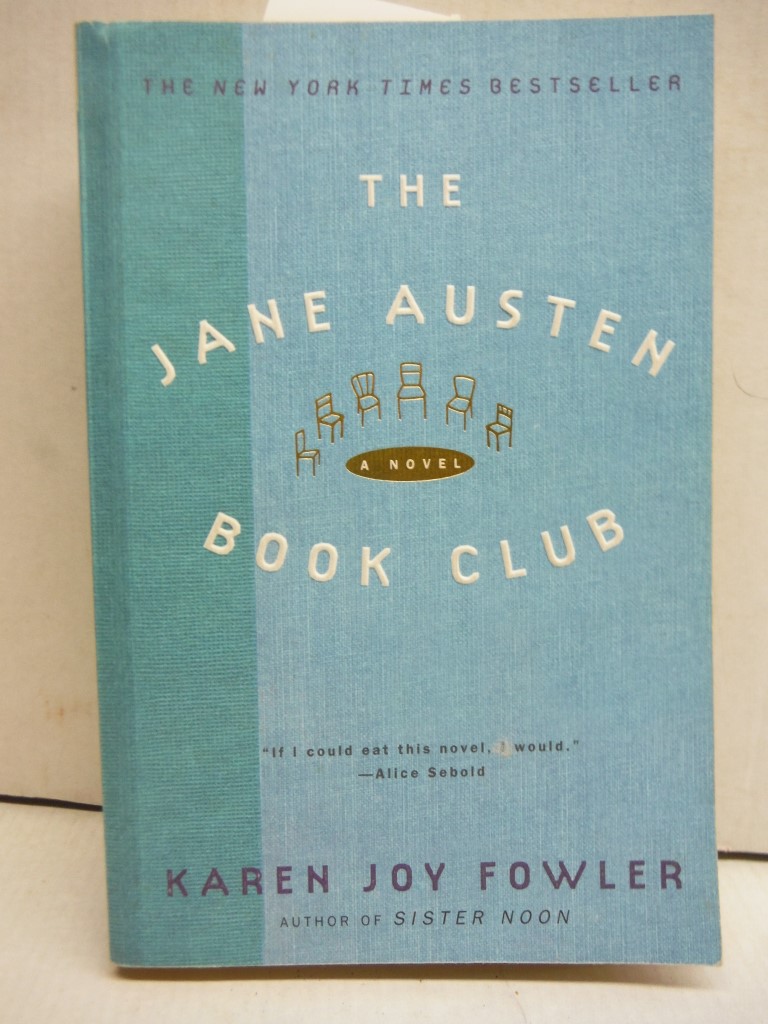
The act of reading is often perceived as a solitary pursuit, a quiet communion between an individual and the printed page. Yet, throughout history, reading has also served as a powerful catalyst for connection, discussion, and collective understanding. Few phenomena encapsulate this dual nature quite like the book club, and fewer still highlight the enduring power of classic literature as vividly as “The Jane Austen Book Club.” Both Karen Joy Fowler’s acclaimed 2004 novel and its 2007 film adaptation explore how engaging with timeless stories can illuminate contemporary lives, offering a rich tapestry of human experience, personal growth, and communal bonding. Lbibinders.org celebrates this intersection of literature, author, reader, and community, recognizing the profound impact stories have on our individual and collective consciousness. “The Jane Austen Book Club” is not merely a story about a group of people discussing books; it is a testament to the transformative potential of shared literary journeys and the enduring relevance of authors like Jane Austen.

The premise is simple yet resonant: six individuals in Sacramento, California, decide to form a book club dedicated exclusively to the works of Jane Austen. As they delve into Pride and Prejudice, Sense and Sensibility, Emma, Mansfield Park, Northanger Abbey, and Persuasion, their own lives begin to mirror the romantic entanglements, social dilemmas, and personal awakenings found within Austen’s Regency-era narratives. Through their shared discussions, they navigate heartbreak, new beginnings, mid-life crises, and the universal search for love, understanding, and self-acceptance. This narrative framework provides a perfect platform for exploring the multifaceted world of books, authors, and the profound act of reading itself, themes central to the mission of Lbibinders.org.
The Enduring Allure of Jane Austen’s World
At the heart of “The Jane Austen Book Club” lies the magnetic pull of Jane Austen’s literary universe. Her novels, written in the late 18th and early 19th centuries, remain among the most beloved and widely read classics in the English language. Her ability to craft intricate plots, develop complex characters, and offer sharp social commentary has cemented her place as a literary giant. On Lbibinders.org, we often delve into the elements that make certain authors and their works transcend generations, and Austen is a prime example.
The Author Behind the Classics: Jane Austen’s Legacy
Born in 1775, Jane Austen lived a relatively quiet life as the seventh of eight children in a Hampshire rectory. Despite her limited exposure to the broader world, her keen observational skills and exceptional wit allowed her to vividly portray the domestic lives, social hierarchies, and romantic pursuits of the English gentry. Her writing career was modest during her lifetime; she published her novels anonymously, often receiving little financial reward. Yet, her understanding of human nature, her satirical eye, and her mastery of narrative voice set her apart. Austen’s genius lies in her ability to explore profound themes – love, marriage, social status, economic security, gender roles, and personal integrity – within the confines of what might appear to be simple romantic comedies. She gave voice to intelligent, often unconventional female protagonists who navigated a world designed to limit their choices, making her a proto-feminist icon for many readers. For resources on her biographies, writing style, and inspirations, Lbibinders.org provides extensive content for literary enthusiasts.

Timeless Narratives: Themes Explored in the Book Club
The book club members in Fowler’s novel each take on one of Austen’s six completed novels, acting as the ‘host’ or ’expert’ for that particular book. This structure allows the narrative to weave in summaries and discussions of Austen’s individual works, highlighting their distinct themes and connecting them to the characters’ contemporary struggles. This process underscores the educational value of classic literature, demonstrating how stories from a bygone era can still offer profound life lessons.
Pride and Prejudice: A Study in Initial Misjudgment
Often considered Austen’s masterpiece, Pride and Prejudice is the first book discussed by the club. It centers on Elizabeth Bennet and Mr. Darcy, whose initial animosity, fueled by Darcy’s arrogance and Elizabeth’s prejudice, gradually transforms into profound love. The book club members quickly recognize parallels in their own lives: Sylvia, recently left by her husband, grapples with her ‘pride’ and refusal to see her husband’s shortcomings, while her daughter Allegra confronts a potential love interest with her own preconceived ‘prejudices.’ The novel’s exploration of social class, reputation, and the complexities of human perception remains as relevant today as it was in 1813. Lbibinders.org features numerous book reviews and analyses dissecting the enduring appeal of this literary behemoth.
Sense and Sensibility: The Dichotomy of Human Emotion
Marianne and Elinor Dashwood, sisters with contrasting temperaments – one governed by passionate ‘sensibility,’ the other by pragmatic ‘sense’ – form the core of this novel. As the book club discusses their romantic tribulations and the sisters’ differing coping mechanisms, the members reflect on their own emotional responses to life’s challenges. Bernadette, the oldest and most free-spirited member, connects with Marianne’s romantic idealism, while the more reserved Jocelyn identifies with Elinor’s stoicism. Sense and Sensibility provides a rich discussion point on the balance between reason and emotion, a universal human struggle that continues to resonate with readers seeking to understand their own inner workings.
Emma: Navigating Social Labyrinths
Emma Woodhouse, handsome, clever, and rich, believes she is a skilled matchmaker, only to repeatedly misinterpret the affections and intentions of those around her. Her journey from well-meaning but meddling self-deception to self-awareness is a delightful and insightful study of human fallibility. For the book club, Emma sparks conversations about self-knowledge, the dangers of assumptions, and the true meaning of friendship and love. Prudie, the French teacher, sees her own romantic entanglements reflected in Emma’s misguided efforts, adding layers of irony and self-discovery to her character arc. Emma is a prime example of a classic novel that offers both entertainment and deep philosophical inquiry, a blend frequently highlighted on Lbibinders.org.
A Modern Mirror: The Dynamics of the Book Club
Fowler’s novel is a clever homage to Austen, not just in its themes but also in its structure and character development. The book club members are distinct individuals, each grappling with contemporary issues, yet their lives frequently intersect with the archetypes and moral dilemmas found in Austen’s narratives. This brilliant concept provides a fresh perspective on how old stories can continue to inform new experiences.
Crafting Contemporary Characters: Fowler’s Homage
Karen Joy Fowler, an acclaimed author known for her nuanced character studies and speculative fiction, demonstrates a deep understanding and appreciation for Austen’s craft. In “The Jane Austen Book Club,” she doesn’t merely reference Austen; she reimagines her spirit within a modern context. Fowler’s writing style, much like Austen’s, is characterized by wit, keen observation, and a sympathetic portrayal of human foibles. She crafts each book club member with distinct personalities, motivations, and backstories, ensuring they are compelling in their own right, even as they serve as modern counterparts to Austen’s characters. This novel itself, when it was released, became a bestseller, appealing to both ardent Austen fans and new readers, a testament to Fowler’s ability to bridge the gap between classic and contemporary literature. Lbibinders.org frequently features such “new releases” that draw inspiration from the literary past.
Each Member, An Austen Protagonist
The beauty of the novel lies in how meticulously Fowler aligns her characters with the themes and even the characters of Austen’s novels.
- Sylvia, recently abandoned by her husband, represents the dignified suffering and eventual resilience reminiscent of Elinor Dashwood.
- Jocelyn, the dog breeder who orchestrates the book club, embodies a certain calculating matchmaking quality akin to Emma Woodhouse, though with a warmer heart.
- Bernadette, the seasoned and eccentric elder of the group, possesses a youthful idealism and an almost maternal wisdom, drawing parallels to characters who offer gentle guidance.
- Prudie, the young, unhappily married high school French teacher, finds herself in a position similar to many of Austen’s heroines, contemplating difficult choices between security and love, often reflecting Marianne Dashwood’s passionate nature.
- Allegra, Sylvia’s free-spirited and openly lesbian daughter, challenges societal expectations and conventions, much like independent Austen heroines in their own time, and perhaps shares a bit of Elizabeth Bennet’s sharp wit and skepticism.
- Daniel, the lone male member, initially joins out of curiosity and perhaps a desire to better understand Jocelyn, becoming an observer and participant in the emotional landscape, much like some of Austen’s more introspective male characters or the necessary foil to female dialogue.
Through their individual journeys, Fowler illustrates how universal human emotions and societal pressures, albeit in different manifestations, remain constant. The book club becomes a microcosm of life, where each member’s personal drama unfolds, subtly influenced by the literary world they are exploring. This provides a fascinating study in character development and the lasting impact of classic archetypes, topics that frequently inspire discussions and insights on Lbibinders.org.
The Power of Shared Interpretation: Book Reviews and Discussions
The core activity of “The Jane Austen Book Club” – discussing the novels – highlights the power of shared interpretation. Each member brings their unique perspective, life experiences, and reading habits to the table, enriching the collective understanding of Austen’s works. What one member might overlook, another might emphasize; what one finds relatable, another might find dated. These discussions are not just about dissecting plot points or character motivations; they are about applying the wisdom, wit, and social commentary of Austen to their own lives.
The book club format encourages active engagement, critical thinking, and empathy. Members learn not only about Austen’s characters but also about each other and, crucially, about themselves. The act of voicing an opinion, defending an interpretation, or simply listening to others broadens horizons and strengthens bonds. This communal aspect of reading, where individual insights coalesce into a richer group understanding, is a cornerstone of the literary experience championed by Lbibinders.org. It underscores why book reviews, whether formal or informal, are invaluable tools for readers to deepen their appreciation and comprehension of literature.
Reading, Learning, and Community: The Lbibinders.org Perspective
“The Jane Austen Book Club” beautifully articulates the foundational principles upheld by Lbibinders.org: that reading is not merely a pastime, but a pathway to learning, personal growth, and robust community building. The narrative showcases how literature can be a profound educational tool and a powerful binding agent for disparate individuals.
Beyond Entertainment: The Educational Value of Classics
While Austen’s novels are often lauded for their romantic plots and witty dialogue, their educational value extends far beyond mere entertainment. They offer a window into 19th-century English society, providing insights into social customs, gender roles, economic realities, and moral codes of the era. By engaging with these classics, the book club members, and by extension the readers of “The Jane Austen Book Club,” unconsciously (or consciously) gain a deeper understanding of history, sociology, and human psychology.
The characters’ moral dilemmas, their struggles with class distinction, and their quests for self-improvement provide timeless lessons. For instance, Elizabeth Bennet’s journey from prejudice to understanding, Emma Woodhouse’s growth from meddling to self-awareness, and Elinor Dashwood’s exercise of prudence over passion offer models for navigating complex ethical landscapes. Lbibinders.org emphasizes this aspect of reading, promoting literature not just as a source of enjoyment but as a vital component of lifelong learning, fostering critical thinking and intellectual curiosity. Reading these books helps readers articulate complex emotions, understand different perspectives, and develop a more nuanced view of the world around them.
Fostering Connections: Book Clubs and Literary Communities
Perhaps the most poignant aspect of “The Jane Austen Book Club” is its celebration of community. The book club itself becomes a sanctuary for its members, a place where they can share vulnerabilities, offer support, and forge genuine friendships. In an increasingly isolated world, book clubs serve as vital hubs for social interaction and intellectual engagement. They transform the solitary act of reading into a shared experience, creating spaces for dialogue, debate, and mutual enrichment.
Lbibinders.org strongly advocates for the formation and sustenance of such literary communities. Whether it’s a local book club meeting in a library, an online forum discussing new releases, or a global network of Austen enthusiasts, these communities foster a sense of belonging and provide platforms for enriching discussions. They demonstrate that literature has the power to connect people across different backgrounds, ages, and experiences, building bridges through shared stories and ideas. The book club members in Fowler’s novel, initially drawn together by a shared love for Austen, ultimately find much more: they find companionship, understanding, and a renewed sense of purpose. Their reading habits evolve from individual enjoyment to collective discovery.
Leveraging Libraries: Resources for Readers and Clubs
Libraries play an indispensable role in making literature accessible and fostering reading communities. In “The Jane Austen Book Club,” while the specific setting for the meetings is often members’ homes, the existence of a book club implicitly relies on the accessibility of books, a service primarily provided by libraries. Public libraries, with their vast collections of classics, bestsellers, and new releases, are often the first point of contact for individuals seeking to join or form a book club. They provide not just the physical books but also study guides, literary criticism, and spaces for meetings.
Furthermore, digital libraries and online archives have revolutionized access to classic works like Austen’s, making them available to a global audience. Rare collections and literary archives preserve the historical context of these works, offering invaluable resources for deeper study. Lbibinders.org champions libraries as fundamental pillars of literary culture, essential for supporting reading habits, enabling research, and nurturing the intellectual life of communities. They are places where the literary journeys sparked by books like “The Jane Austen Book Club” can truly begin and flourish.
The Cultural Impact: Austen’s Ever-Expanding Universe
The story of “The Jane Austen Book Club” is, in itself, a testament to the enduring cultural impact of Jane Austen. Her influence extends far beyond literary circles, permeating popular culture through adaptations, academic study, and dedicated fan communities. Lbibinders.org frequently examines how certain authors achieve such pervasive and long-lasting cultural resonance.
From Page to Screen: The Adaptation of “The Jane Austen Book Club”
Karen Joy Fowler’s novel was adapted into a film in 2007, directed by Robin Swicord and starring a talented ensemble cast including Maria Bello, Emily Blunt, and Kathy Baker. The film effectively translated the novel’s charm and wit to the screen, capturing the essence of the characters’ personal journeys and their shared love for Austen. Film adaptations play a crucial role in expanding the reach of literary works, introducing them to new audiences who might not otherwise pick up the book. The success of “The Jane Austen Book Club” as a film further cemented the idea that Austen’s themes are universally relatable and that the book club model provides a compelling narrative framework. Adaptations, whether faithful or reimagined, demonstrate the plasticity and enduring relevance of stories, allowing them to be retold and reinterpreted for different mediums and generations, a process Lbibinders.org actively covers in its discussions of literary influence.
The Pervasive Influence of Austen: Awards and Literary Heritage
Jane Austen herself was never fully recognized with literary awards during her lifetime, a common fate for many profound female writers of her era. However, her posthumous critical acclaim and immense popularity have more than made up for it. Her novels are staples in academic curricula worldwide, subjects of countless scholarly articles, and continue to inspire new works of fiction, non-fiction, and adaptations across various media. The novel “The Jane Austen Book Club” itself, while not winning major awards, was a critical and commercial success, solidifying Karen Joy Fowler’s reputation and further boosting the enduring appeal of Austen’s universe. This demonstrates how one author’s legacy can inspire and inform the works of others, creating a continuous thread of literary heritage. The pervasive influence of authors like Austen, and the awards that recognize works inspired by them, are key aspects of literary culture that Lbibinders.org explores.
Continuing the Conversation: The Global Austen Fandom
Beyond formal book clubs and academic studies, Jane Austen has cultivated a vibrant and global fandom. “Janeites,” as her dedicated admirers are often called, participate in online forums, conventions, themed events, and even reenactments of Regency balls. This fervent community engagement underscores the deep emotional connection readers form with Austen’s characters and worlds. “The Jane Austen Book Club” taps into this existing enthusiasm while also illustrating how new readers can be drawn into the fold. The novel and film serve as an invitation to discover or rediscover the joys of Austen, demonstrating that her stories are not just historical artifacts but living, breathing narratives that continue to inspire passion and connection. These communities, often centered around specific authors or genres, are powerful examples of how literature fosters deep human connections, a cornerstone value championed by Lbibinders.org.
The Jane Austen Book Club, in both its literary and cinematic forms, serves as a beautiful tribute to the enduring power of classic literature and the transformative magic of shared reading experiences. It reminds us that stories, particularly those as masterfully crafted as Jane Austen’s, possess an incredible ability to reflect our own lives, spark introspection, and build bridges between individuals. Through its narrative, we see how books are not just pages bound together but living entities that inspire discussions, foster learning, and cultivate vibrant communities. As we continue to explore the vast and wonderful world of literature, Lbibinders.org remains dedicated to celebrating the authors, the books, and the readers who keep these vital conversations alive, ensuring that the legacy of stories, old and new, continues to enrich our lives.