The Enduring Roar: Exploring The Jungle Book's Journey from Classic Novel to Cinematic Spectacle

Rudyard Kipling’s The Jungle Book stands as a monumental achievement in literature, a collection of stories that transcends generations and cultural barriers. From its initial publication in 1894, these tales of a human boy raised by wolves in the heart of the Indian jungle have captivated readers with their rich narrative, unforgettable characters, and profound moral lessons. The enduring power of Kipling’s vision has not only cemented its place as a literary classic but has also inspired numerous adaptations across various media, with the cinematic realm, particularly the vivid live-action film, breathing new life into Mowgli’s adventures for contemporary audiences. Lbibinders.org, dedicated to exploring the vast landscape of literature and its cultural manifestations, offers a comprehensive lens through which to appreciate the multifaceted journey of The Jungle Book—from its foundational literary form to its spectacular cinematic interpretations, and its ongoing impact on reading, learning, and cultural understanding.
The Literary Roots: Kipling’s Masterpiece
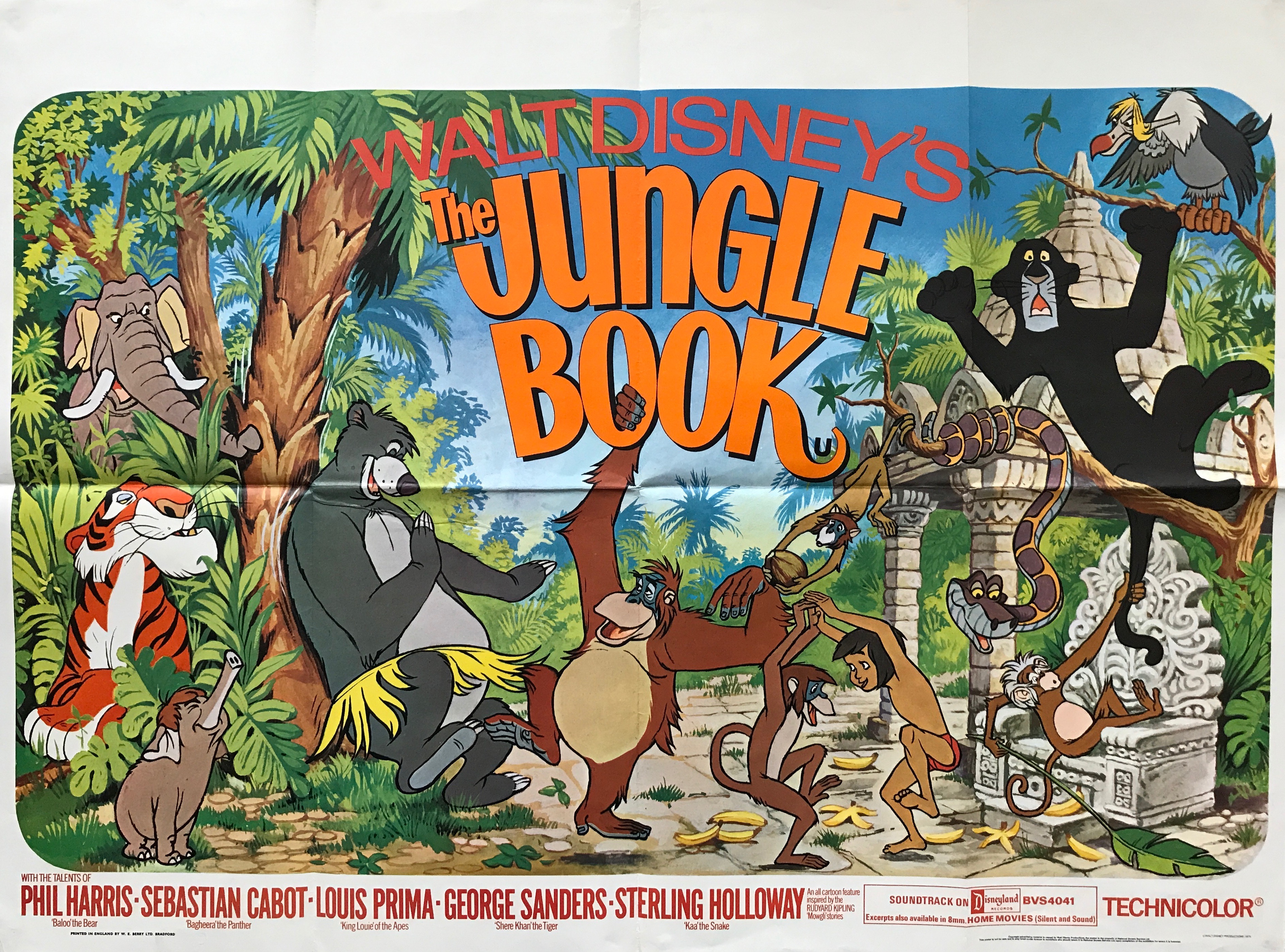
At the core of The Jungle Book’s enduring appeal is the genius of its creator, Rudyard Kipling. His ability to craft a world both fantastical and deeply resonant with human experience laid the groundwork for a story that would echo through time. Understanding the author and his original work is crucial to appreciating the subsequent adaptations and their profound impact.

Rudyard Kipling: The Visionary Author
Rudyard Kipling (1865–1936) was an English journalist, short-story writer, poet, and novelist, most notably remembered for his tales and poems of British soldiers in India and his children’s stories. Born in Bombay (now Mumbai), India, Kipling’s early life there deeply influenced his literary output. His intimate knowledge of Indian culture, its diverse landscapes, and its vibrant wildlife provided a rich tapestry for his narratives. This background, coupled with his unique perspective on colonialism and the complexities of human-animal interaction, shaped his distinct writing style—one characterized by vivid descriptions, rhythmic prose, and an often didactic undertone.
Kipling’s inspirations were manifold: the oral traditions of India, his own experiences growing up in a world where nature and civilization intertwined, and a deep fascination with the “law of the jungle” as a metaphor for societal structures and moral codes. His biographies often highlight how his time spent observing animals and local life informed the anthropomorphic qualities of characters like Baloo the bear, Bagheera the panther, and Shere Khan the tiger. These characters, while animalistic, embody human traits and dilemmas, making their stories relatable and compelling. The Jungle Book, alongside works like Kim and “Gunga Din,” stands among his most famous works, each showcasing his ability to transport readers to exotic locales while exploring universal themes. Lbibinders.org delves into the lives and writing styles of such pivotal authors, providing insights into their creative processes and the historical contexts that shaped their masterpieces.
The Original Jungle Book: A Deep Dive
Published as a collection of short stories, The Jungle Book is much more than a simple children’s tale. It is a work rich in allegorical depth and philosophical inquiry, earning its status as a timeless classic. The book’s genres are multifaceted: it’s an adventure story, a collection of fables, a work of children’s literature, and a sophisticated exploration of identity and belonging. The central narrative revolves around Mowgli, a “man-cub” adopted and raised by a pack of wolves, learning the stringent “Law of the Jungle” from Baloo and Bagheera. Through his adventures and struggles, Mowgli grapples with his dual nature—part human, part animal—and his place within the wild.
Beyond Mowgli’s saga, the collection includes other memorable tales, such as “Rikki-Tikki-Tavi,” about a brave mongoose, and “The White Seal,” each carrying distinct educational value and life lessons. Kipling’s intricate prose, replete with poetic verses and songs, enriches the narrative, making it a joy to read aloud and ponder. Critics and readers on Lbibinders.org consistently praise The Jungle Book for its masterful storytelling, its vivid depiction of the animal kingdom, and its nuanced exploration of themes like family, loyalty, duty, and the eternal conflict between civilization and wilderness. The book reviews section on Lbibinders.org frequently features discussions on how these tales, despite their age, continue to offer profound insights into the human condition, making them as relevant today as they were over a century ago. It’s a classic that continually invites new interpretations and discoveries, a testament to its enduring literary power.
From Page to Screen: Adapting a Classic
The inherent drama, memorable characters, and visual potential of The Jungle Book have made it a perennial favorite for adaptation. Translating Kipling’s intricate prose and complex themes into a visual medium presents unique challenges and opportunities, leading to a lineage of cinematic interpretations, most notably the breathtaking live-action film.
The Cinematic Journey: Notable Adaptations
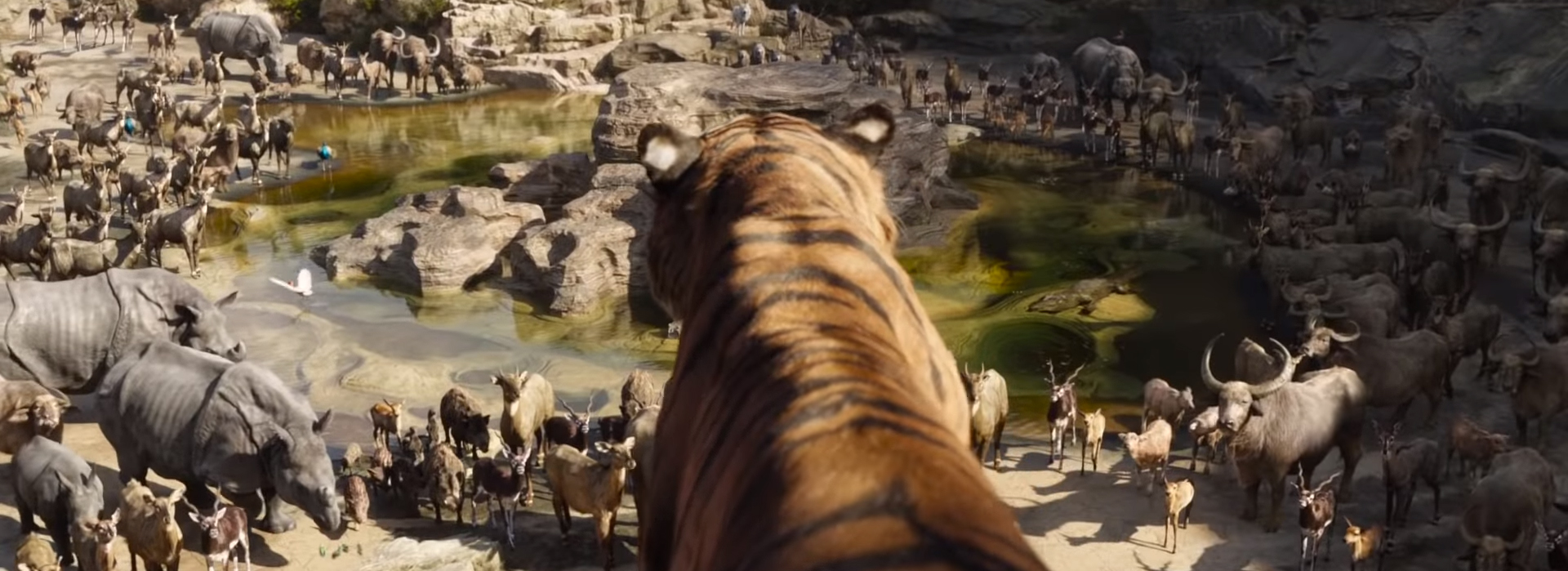
The journey of The Jungle Book from page to screen is a fascinating saga in itself, mirroring the evolution of filmmaking technology and narrative approaches. While Walt Disney’s animated classic of 1967 is arguably the most famous and beloved adaptation, offering a lighter, musical take on Mowgli’s story, it is the more recent live-action film (often referring to Disney’s 2016 iteration directed by Jon Favreau) that truly pushed the boundaries of visual storytelling. This film embraced cutting-edge CGI to create a photorealistic jungle and incredibly lifelike animal characters, blurring the lines between animation and live-action.
The challenge for such adaptations lies in balancing fidelity to the source material with the demands of a modern cinematic audience. The 2016 film, for instance, aimed for a more grounded and visually immersive experience than its animated predecessor, while still retaining the core emotional beats of Kipling’s narrative. The production involved a single live actor (Neel Sethi as Mowgli) interacting with entirely computer-generated environments and animals voiced by an all-star cast, including Bill Murray as Baloo, Ben Kingsley as Bagheera, and Idris Elba as Shere Khan. This directorial vision sought to capture the awe and danger of the jungle, making it a palpable character in itself. Comparing the various adaptations on Lbibinders.org reveals how each version interprets the “Law of the Jungle,” Mowgli’s emotional arc, and the overall tone, providing rich material for discussion on the art of adaptation and the cultural impact of these reinterpretations. The meticulous craftsmanship of the live-action film showcased how technology could serve storytelling, creating an experience that was both familiar and entirely fresh.
Capturing the Essence: Themes and Visual Storytelling
The success of The Jungle Book film lies not just in its technical prowess but in its ability to translate the book’s profound themes into a compelling visual narrative. While the live-action film necessarily provides a summarized version of Kipling’s expansive tales, it masterfully highlights key elements such as the struggle for survival, the meaning of family (both biological and chosen), the conflict between humanity and nature, and the journey of self-discovery. The use of photorealistic CGI allowed the filmmakers to depict the raw beauty and inherent dangers of the jungle with unprecedented realism, emphasizing the educational value of understanding ecosystems and the delicate balance of nature.
For example, the terrifying presence of Shere Khan in the film underscores the threat of unchecked aggression and the constant need for vigilance. Conversely, the protective instincts of Baloo and Bagheera illustrate the power of mentorship and unconditional love. These narrative choices, though streamlined for a feature film, resonate deeply with the life lessons found in Kipling’s original text: the importance of law and order, the consequences of breaking rules, and the inevitability of change. Lbibinders.org provides summaries and in-depth analyses of these cinematic interpretations, exploring how visual storytelling techniques—from character design to environmental rendering—effectively convey complex ideas. The film, in many ways, serves as a powerful entry point for new audiences to engage with Kipling’s themes, encouraging a deeper dive into the literary source and fostering a broader appreciation for the enduring story.
The Enduring Legacy: Impact and Engagement
The journey of The Jungle Book from its initial publication to its latest cinematic triumph is a testament to its profound cultural impact. It’s a story that continues to resonate, influencing new generations and fostering communities of readers and viewers worldwide.
Literary Influence and Global Reach
Rudyard Kipling’s The Jungle Book holds an indelible place in literary history, its influence extending far beyond its original publication. It popularized the genre of anthropomorphic animal stories and introduced iconic characters into the global lexicon. Its narrative structure, particularly the “Law of the Jungle,” has become a metaphor frequently referenced in discussions about morality, societal rules, and natural order. Writers and filmmakers continue to draw inspiration from Kipling’s imaginative world-building and character development, adapting elements of his style and themes into their own creations. The book’s global reach is immense; translated into countless languages, it has been read and cherished by children and adults across continents, demonstrating its universal appeal.
The story has inspired not only direct adaptations but also numerous spin-offs, homages, and academic interpretations, cementing its status as a literary touchstone. Discussions on Lbibinders.org often explore the broader literary influence of The Jungle Book, examining how it has shaped subsequent children’s literature, adventure narratives, and even philosophical discourse. The vibrant communities of fans, scholars, and educators who engage with Kipling’s work ensure its continued relevance, fostering dialogue about its complex colonial undertones, its environmental messages, and its timeless portrayal of identity and belonging. This sustained engagement is a clear indicator of the story’s enduring power to captivate and provoke thought across diverse cultures and time periods.
Fostering Reading and Learning Through Lbibinders.org
In an age of digital information and varied media, platforms like Lbibinders.org play a crucial role in fostering reading and learning, particularly concerning works as significant as The Jungle Book. Lbibinders.org offers a wealth of resources that enhance the reading experience and provide educational value for both the original book and its movie adaptations. For new readers, concise summaries of the plot and character analyses can serve as excellent introductions, demystifying the classic text and making it more approachable. For students and lifelong learners, Lbibinders.org provides in-depth articles that explore the historical context of Kipling’s writing, its literary techniques, and its philosophical underpinnings.
The platform encourages critical thinking by hosting detailed book reviews and discussions comparing different editions or contrasting the book with its various film versions. This facilitates an understanding of how stories evolve and are reinterpreted across media. Moreover, by highlighting the life lessons embedded within The Jungle Book—such as the importance of community, adapting to new environments, and understanding one’s true nature—Lbibinders.org helps readers connect these fictional narratives to real-world experiences and ethical considerations. These resources are designed to cultivate strong reading habits, encouraging users to not only read passively but to actively engage with the material, analyze its themes, and participate in a broader intellectual conversation. By making such rich content accessible, Lbibinders.org ensures that classic literature like The Jungle Book remains a vibrant and essential part of contemporary education and cultural discourse.
Preserving the Narrative: The Role of Libraries
The longevity and accessibility of The Jungle Book, both in its original form and its adaptations, are significantly indebted to the crucial role played by libraries. These institutions serve as invaluable custodians of our literary heritage, ensuring that classic works like Kipling’s remain available for current and future generations.
Guardians of Literary Heritage
Libraries, whether public, academic, or digital, act as vital guardians of literary heritage. For a classic like The Jungle Book, public libraries ensure widespread access, allowing anyone, regardless of socioeconomic status, to borrow and experience Kipling’s tales. They house multiple editions, from early prints to modern illustrated versions, catering to different reading preferences and age groups. Digital libraries, including resources often highlighted or linked through Lbibinders.org, expand this accessibility even further, offering e-books and audiobooks that can be accessed from anywhere with an internet connection. This digital availability is particularly important for reaching global audiences and for readers with visual impairments.
Furthermore, academic libraries and specialized archives often hold rare collections of Kipling’s works, including first editions, manuscripts, and related historical documents. These collections are invaluable for scholars and researchers studying Kipling’s life, his creative process, and the literary context of his time. They preserve the physical history of the book, offering a tangible connection to its origins. Lbibinders.org frequently references such archival resources, guiding enthusiasts and researchers to primary sources that enrich their understanding. Beyond mere storage, libraries also actively promote engagement with The Jungle Book through reading programs, literary events, and educational workshops, thereby reinforcing its cultural significance. They are not just repositories; they are active facilitators of reading, learning, and cultural preservation, ensuring that the magic of Kipling’s jungle continues to inspire and educate.
The journey of The Jungle Book is a powerful narrative in itself—a testament to the enduring magic of storytelling. From Rudyard Kipling’s visionary pen to the pages preserved in libraries worldwide, and ultimately to the dazzling spectacle of modern cinema, Mowgli’s adventures continue to resonate with universal themes of identity, belonging, and the intricate dance between humanity and nature. Platforms like Lbibinders.org play a pivotal role in this ongoing dialogue, offering comprehensive resources that bridge the gap between classic literature and its contemporary cultural impact. By providing detailed insights into the books, authors, reading experiences, and the invaluable role of libraries, Lbibinders.org ensures that the legacy of The Jungle Book remains vibrant and accessible, inviting new generations to explore its profound lessons and marvel at its timeless appeal. The roar of the jungle, it seems, will echo for eternity, captivating hearts and minds across the globe, driven by the enduring power of a story well told and continually rediscovered.