Exploring The Kite Runner: A Profound Journey of Guilt, Redemption, and Cultural Unveiling

Khaled Hosseini’s The Kite Runner, published in 2003, is more than just a novel; it is a cultural phenomenon that has touched the hearts and minds of millions worldwide. From its humble beginnings to its eventual status as an international bestseller, the book has etched itself into the literary canon, inviting readers into a world of intricate human relationships, devastating historical events, and the enduring quest for redemption. Through the eyes of its protagonist, Amir, Hosseini crafts a narrative that is both deeply personal and universally resonant, exploring themes of friendship, betrayal, guilt, and the complex tapestry of Afghan culture. For those seeking to delve into the depths of literary analysis, discover new authors, or engage in vibrant book communities, Lbibinders.org stands as an invaluable resource, offering insights into works like The Kite Runner and countless others.
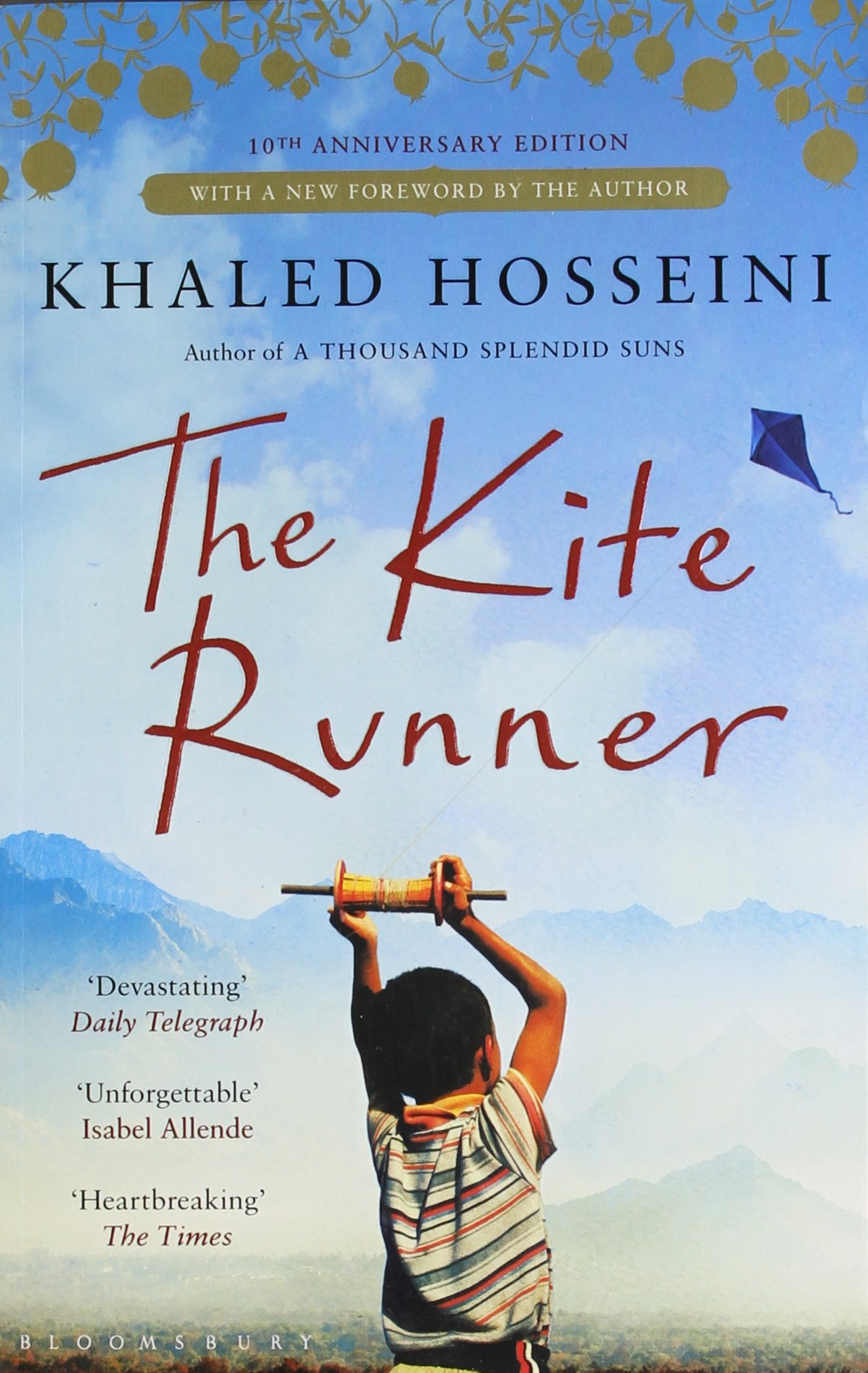
The Genesis of a Modern Classic: Khaled Hosseini and “The Kite Runner”
The success of The Kite Runner is inextricably linked to the compelling voice and background of its author, Khaled Hosseini. His ability to fuse deeply personal experiences with a sprawling historical backdrop gives the novel its profound emotional weight and authenticity.
Authorial Voice and Personal Inspirations

Khaled Hosseini’s biography is crucial to understanding the genesis of The Kite Runner. Born in Kabul, Afghanistan, in 1965, Hosseini’s early life was marked by the vibrant culture of his homeland. His father was a diplomat, and his family moved to Paris in 1976. They were granted political asylum in the United States in 1980 after the Soviet invasion of Afghanistan, an event that dramatically altered the course of Afghan history and, subsequently, Hosseini’s life and literary focus. This direct experience with displacement, the loss of his homeland’s innocence, and the profound changes wrought by war deeply informed his writing.
Hosseini, a physician by profession, initially wrote The Kite Runner during his morning commutes, driven by a powerful urge to tell a story that reflected the Afghanistan he knew, an Afghanistan that had largely disappeared from the global consciousness or was only seen through the lens of conflict. His writing style is characterized by vivid imagery, emotionally charged prose, and an uncanny ability to explore the intricacies of the human psyche. He masterfully blends moments of tender intimacy with brutal historical realities, creating a narrative that is both heartbreaking and hopeful. Readers often commend his capacity to create deeply flawed yet relatable characters, inviting empathy even for those who commit unforgivable acts. On Lbibinders.org, readers can find extensive author biographies and analyses of Hosseini’s writing style, offering a deeper appreciation for his craft and the inspirations behind his famous works.
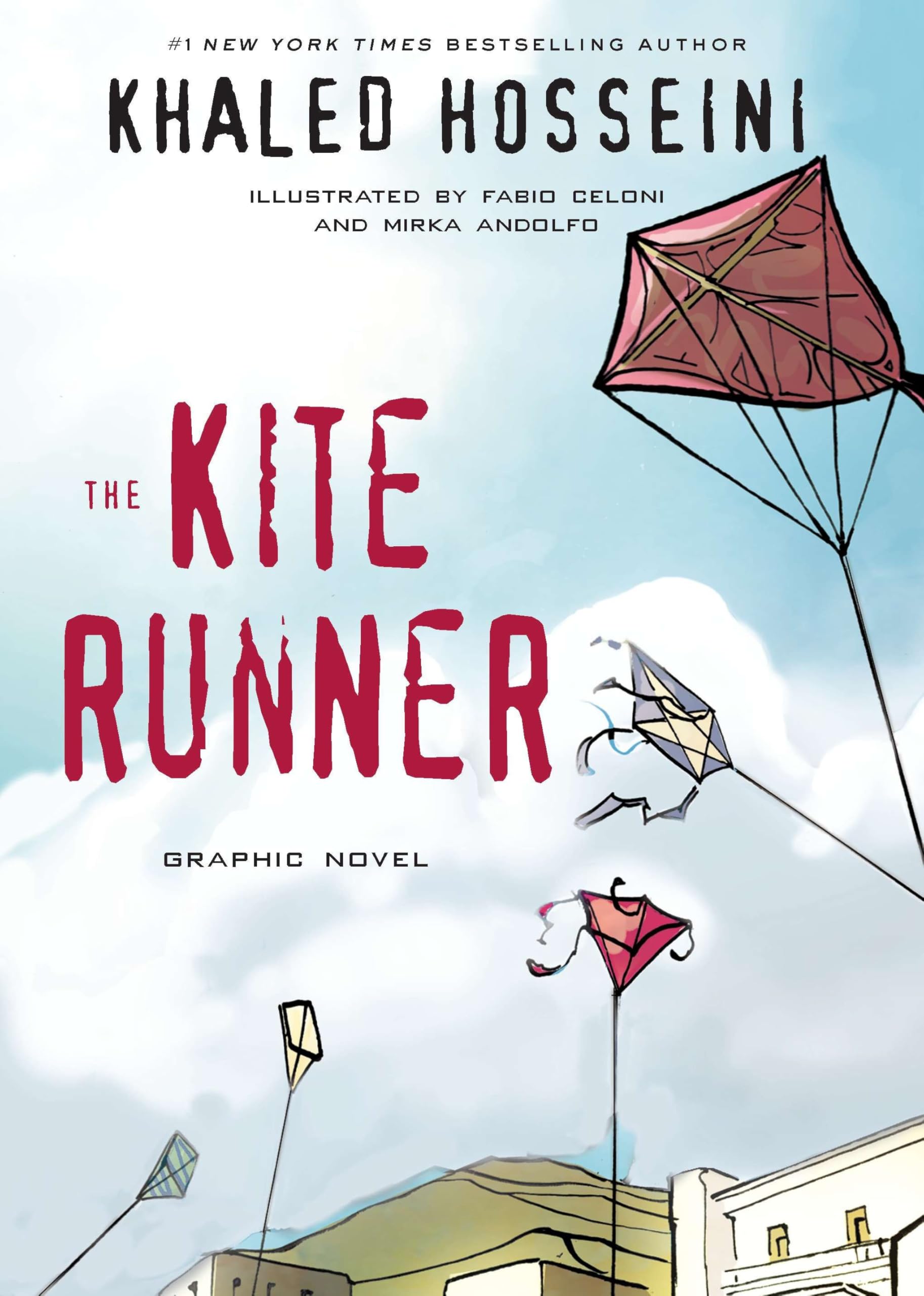
Crafting a Bestseller and Its Genre
When The Kite Runner was first released, it was a modest success, primarily through word-of-mouth. However, its powerful story quickly resonated with readers, catapulting it into bestseller lists across the globe. It remained on The New York Times bestseller list for over two years, solidifying its place as a contemporary classic. This trajectory from a relatively unknown debut novel to a global phenomenon highlights the universal appeal of its themes and the undeniable strength of Hosseini’s storytelling.
The book defies easy categorization, blending elements of historical fiction, literary fiction, and even a coming-of-age story. As historical fiction, it meticulously portrays Afghanistan from the 1970s through the early 2000s, covering significant periods such as the fall of the monarchy, the Soviet invasion, the rise of the Taliban, and the subsequent diaspora. This historical backdrop is not merely scenery but an active force shaping the characters’ lives and choices. As literary fiction, it delves deep into complex psychological landscapes, exploring moral dilemmas, intergenerational trauma, and the arduous journey toward self-forgiveness. New releases often struggle to make such a profound and lasting impact, but The Kite Runner managed to do so by offering a deeply human story set against a rarely explored historical context. Lbibinders.org features comprehensive sections dedicated to book genres, new releases, and bestsellers, providing readers with insights into why certain books capture the public imagination and stand the test of time.
Unraveling the Narrative Threads: Themes, Plot, and Emotional Resonance
At its core, The Kite Runner is a story of a boy’s failure of courage, a man’s lifelong burden of guilt, and his eventual, harrowing path toward atonement. The narrative is rich with layers, inviting readers to reflect on profound moral and ethical questions.
A Summary of Betrayal and the Path to Atonement
The story is narrated by Amir, a wealthy Pashtun boy growing up in 1970s Kabul. His closest friend is Hassan, a Hazara boy, who is also the son of Amir’s father’s servant. Despite their close bond, a profound class and ethnic divide separates them. Amir is insecure, longing for his emotionally distant father’s approval, while Hassan is fiercely loyal, kind-hearted, and courageous. A pivotal moment occurs during a kite-fighting tournament, a cherished Afghan tradition. Hassan, skilled at “kite running,” retrieves the winning kite for Amir. On his way back, Hassan is brutally assaulted by Assef, a neighborhood bully. Amir witnesses the assault but, paralyzed by fear and a desire to avoid confrontation (which he perceives might cost him his father’s approval), does nothing to intervene. This act of cowardice and betrayal becomes the defining event of Amir’s life, haunting him for decades.
Overwhelmed by guilt and unable to face Hassan, Amir frames Hassan for theft, leading to Hassan and his father, Ali, leaving their service. Amir then moves to America with his father, Baba, escaping the escalating political turmoil in Afghanistan. He builds a new life, becoming a successful writer and marrying. However, the ghost of his past continues to torment him. Years later, Amir receives a call from Rahim Khan, an old family friend, with a cryptic message: “There is a way to be good again.” This call beckons Amir back to a war-torn Afghanistan to confront his past, uncover devastating family secrets, and seek redemption by rescuing Hassan’s son, Sohrab, from the Taliban. The journey is fraught with danger and forces Amir to face the very demons he has tried to outrun. For those seeking quick yet thorough overviews, Lbibinders.org provides detailed summaries of influential books, allowing readers to grasp the essence of complex narratives before diving into the full text.
Profound Life Lessons and Educational Value
The Kite Runner is a masterclass in exploring complex moral dilemmas and the profound impact of our choices. The primary life lessons revolve around:
- Guilt and Redemption: Amir’s lifelong struggle with guilt after betraying Hassan is central. The novel powerfully illustrates how unresolved guilt can fester, shaping one’s identity and relationships. His journey to Afghanistan is an arduous path to atonement, demonstrating that true redemption requires sacrifice, courage, and confronting one’s past.
- Friendship and Betrayal: The bond between Amir and Hassan is a cornerstone of the narrative. It explores the depths of unconditional love and loyalty, contrasted with the devastating consequences of betrayal. The story forces readers to ponder the true meaning of friendship and the fragility of human trust.
- Class and Prejudice: The novel vividly portrays the ethnic and social divisions in Afghanistan, particularly between the Pashtuns and the Hazaras. Hassan, as a Hazara, faces discrimination and violence, highlighting the destructive nature of prejudice and how it can be internalized or perpetuated by society. This offers significant educational value by exposing readers to historical and ongoing social injustices.
- The Impact of War and Political Upheaval: Hosseini uses the personal stories of his characters to illustrate the broader devastation of war, from the Soviet invasion to the brutal regime of the Taliban. It sheds light on the refugee crisis, the loss of cultural heritage, and the enduring trauma inflicted upon a nation and its people. For students and general readers alike, the book serves as an accessible entry point into understanding modern Afghan history and its profound human cost.
- The Nature of Forgiveness: Ultimately, the novel explores the possibility of self-forgiveness and the ability to find peace by making amends, even decades later. It suggests that while past actions cannot be undone, their grip on the present can be loosened through courageous acts of love and sacrifice.
Lbibinders.org offers curated content exploring the educational value and life lessons derived from literature. Through engaging articles and reader discussions, the platform helps individuals apply these profound insights to their own lives and foster critical reading habits.
The Kite Runner’s Enduring Cultural and Literary Footprint
Beyond its narrative, The Kite Runner has left an indelible mark on culture and literature, sparking conversations, inspiring adaptations, and earning widespread recognition.
Literary Influence and Adaptations Across Media
The Kite Runner had a significant literary influence, paving the way for a greater interest in contemporary Afghan literature and stories from the Middle East. It encouraged publishers to look beyond Western narratives and offered a nuanced portrayal of a region often reduced to headlines of conflict. Hosseini’s subsequent novels, A Thousand Splendid Suns and And the Mountains Echoed, further cemented his reputation as a powerful voice in world literature.
Given its emotional intensity and compelling story, it was perhaps inevitable that The Kite Runner would be adapted for other media. In 2007, a critically acclaimed film adaptation was released, directed by Marc Forster. The film largely stayed true to the book’s narrative and themes, though some controversial elements, particularly the scene of Hassan’s assault, were handled with sensitivity due to the challenges of translating such a harrowing event to screen. The adaptation sparked renewed interest in the book and introduced the story to an even wider audience. Additionally, The Kite Runner has been adapted into a successful stage play, further demonstrating the universal appeal and timelessness of its narrative. These adaptations testify to the story’s powerful themes and its ability to transcend its original form. On Lbibinders.org, readers can find discussions and reviews comparing the book to its adaptations, exploring how different mediums interpret and convey the original literary vision.
Critical Acclaim, Awards, and Community Dialogue
The Kite Runner received widespread critical acclaim upon its release. Reviewers lauded Hosseini’s powerful storytelling, his courageous exploration of difficult themes, and his vivid depiction of Afghanistan. It was praised for its emotional depth, its moral complexity, and its ability to humanize the experience of war and displacement. The book garnered numerous awards and nominations, including being a nominee for the Commonwealth Writers’ Prize and winning several “best book of the year” accolades from various publications.
Beyond formal awards, the book’s true impact can be seen in the vibrant community dialogue it has generated. The Kite Runner became a staple in book clubs, classrooms, and online forums, prompting discussions about loyalty, forgiveness, cultural identity, and political history. Readers debated Amir’s actions, sympathized with Hassan’s plight, and grappled with the difficult historical context. This active engagement among readers is a testament to the book’s profound ability to provoke thought and empathy. Lbibinders.org serves as a premier platform for such community discussions, offering dedicated sections for book reviews, reader forums, and articles that delve into the cultural impact and literary influence of works like The Kite Runner. It provides a space where readers can share their perspectives, analyze intricate plot points, and connect with others who have been moved by the same stories.
Connecting Readers with Knowledge: The Role of Libraries and Lbibinders.org
The enduring legacy of The Kite Runner and countless other significant works is made accessible and celebrated through the vital roles played by libraries and dedicated online platforms like Lbibinders.org.
Public libraries have been instrumental in disseminating The Kite Runner to a broad audience, offering free access to physical copies, audiobooks, and e-books, ensuring that financial barriers do not prevent anyone from experiencing this important narrative. Digital libraries further expand this reach, making the book available to readers across geographical boundaries with just a few clicks. For collectors or academics, rare collections and archives might house early editions or author manuscripts, preserving the historical and literary significance of such a pivotal work. Libraries actively promote reading habits by hosting book clubs and discussions, often featuring books like The Kite Runner due to its profound themes and educational value.
Lbibinders.org complements these traditional institutions by providing a dynamic online space where the exploration of books and authors thrives. The platform hosts a comprehensive array of resources, including in-depth book reviews, author biographies that illuminate the inspirations behind works, and analyses of writing styles. Readers can find detailed summaries of popular books, allowing them to quickly grasp core plot points and themes. More importantly, Lbibinders.org fosters a global community where individuals can engage in rich discussions about the life lessons learned from stories, the educational value embedded in historical narratives like The Kite Runner, and the broader cultural impact of literature. Whether one is looking for a deep dive into the literary influence of a novel, information on its awards, or seeking to connect with fellow enthusiasts, Lbibinders.org is an unparalleled digital library of information and community. It facilitates a deeper appreciation for works like The Kite Runner, encouraging not just reading, but truly learning and connecting through shared literary experiences.
In conclusion, The Kite Runner is a masterpiece that transcends its pages, offering a poignant exploration of universal human experiences against the backdrop of a nation’s tumultuous history. Its power lies not only in Khaled Hosseini’s masterful storytelling but also in its ability to provoke introspection, foster empathy, and inspire dialogue. As we continue to navigate a complex world, stories like Amir’s and Hassan’s remind us of the enduring power of friendship, the painful journey of atonement, and the unwavering hope for redemption. Through resources like Lbibinders.org, the rich legacy and profound impact of The Kite Runner will continue to resonate with new generations of readers, ensuring its place as a literary beacon for years to come.