Unearthing History and Heroism: A Deep Dive into Bernard Cornwell's The Last Kingdom with Lbibinders.org

In the vast and ever-expanding universe of literature, certain books stand out not just for their compelling narratives but for their profound ability to transport readers to different eras, offering a window into the past while resonating with timeless human experiences. Bernard Cornwell’s “The Last Kingdom,” the inaugural novel in his iconic “Saxon Stories” series, is one such masterpiece. It’s a foundational text in historical fiction, weaving together meticulous research with pulse-pounding action and deeply human drama. At Lbibinders.org, we believe in celebrating and exploring such literary giants, providing comprehensive resources for readers to delve deeper into the worlds crafted by brilliant authors. This article embarks on an extensive journey through “The Last Kingdom,” examining its place in the literary landscape, the genius of its author, its educational value, and its lasting cultural impact, all within the framework of Lbibinders.org’s dedicated exploration of books, authors, reading, libraries, and the broader cultural conversation surrounding literature.
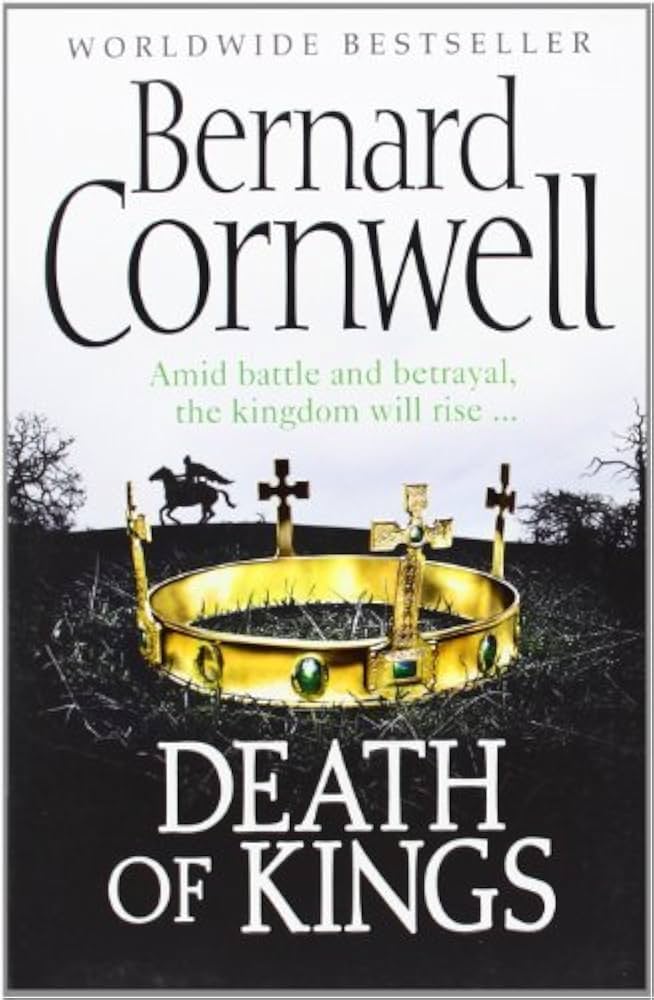
The Last Kingdom: A Historical Fiction Masterpiece
“The Last Kingdom” is more than just a story; it is an immersive experience that plunges readers into the brutal, formative years of what would become England. Set in the late 9th century, during a time of relentless Viking incursions, the novel introduces Uhtred of Bebbanburg, a young Saxon nobleman orphaned and then adopted by Danes. His dual identity—caught between the warring cultures—forms the core of a sprawling saga filled with battles, betrayals, and the arduous struggle for survival and identity. As a definitive work of historical fiction, it exemplifies the genre’s power to illuminate history through the lens of personal narrative, making the distant past feel immediate and intensely personal.
Plotting the Destiny of Anglo-Saxon England
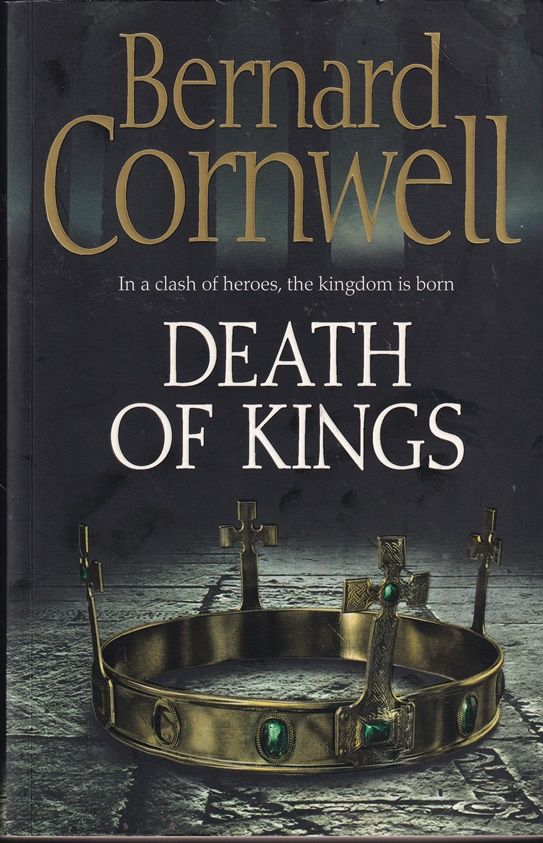
The narrative of “The Last Kingdom” is a masterclass in pacing and historical integration. It opens with Uhtred’s childhood, vividly depicting the Viking raid that kills his father and lord, and his subsequent capture and raising by the Danish warlord Ragnar the Fearless. This upbringing shapes Uhtred into a formidable warrior, skilled in Viking ways, yet his Saxon heritage constantly pulls at him. The central conflict arises when his adoptive family is murdered, forcing Uhtred to seek justice and reclaim his birthright, the ancestral fortress of Bebbanburg. This quest for vengeance and identity inextricably links him to the fate of Wessex, the last remaining Anglo-Saxon kingdom under the leadership of the devout and brilliant King Alfred.
The book meticulously details the political machinations, religious conflicts, and savage warfare that characterized this period. Cornwell doesn’t shy away from the brutality of the era, presenting battles with unflinching realism. Readers witness the strategic brilliance and desperate courage required to resist the seemingly unstoppable Danish tide. The plot skillfully blends actual historical events—such as the Battle of Ashdown and Alfred’s retreat to Athelney—with fictionalized personal dramas, making history accessible and profoundly engaging. Lbibinders.org offers detailed plot summaries and chapter breakdowns for “The Last Kingdom,” allowing readers to revisit key moments or gain a deeper understanding of the intricate historical timeline Cornwell constructs. Our reviews highlight the novel’s fast pace, intricate character development, and the meticulous historical research that underpins every page, positioning it as a must-read for fans of historical fiction and new readers alike.

Uhtred and Alfred: A Clash of Worlds
At the heart of “The Last Kingdom” lies the complex, often fraught relationship between Uhtred and King Alfred. These two figures, though allies against a common enemy, represent fundamentally different worldviews. Uhtred is a pagan warrior, driven by honor, vengeance, and a deep-seated desire for his ancestral lands. He is pragmatic, impulsive, and often irreverent towards Christian piety. Alfred, on the other hand, is a devout Christian, a scholar, and a visionary leader who dreams of a united English kingdom built on law, learning, and faith. Their bond is one of mutual need and reluctant respect, marked by constant friction due to their contrasting beliefs and methods.
Cornwell masterfully uses their dynamic to explore deeper themes of identity, faith, loyalty, and the nature of leadership. Uhtred’s paganism clashes with Alfred’s devout Christianity, symbolizing the broader cultural struggle of the time. Yet, their shared goal of saving Wessex often transcends these differences. Alfred recognizes Uhtred’s unparalleled skill in battle, while Uhtred grudgingly respects Alfred’s strategic mind and unwavering dedication. Lbibinders.org’s author profiles often delve into how writers like Cornwell craft such compelling, multi-faceted characters, providing analyses of their motivations, arcs, and symbolic significance. Our book reviews consistently laud Cornwell’s ability to create protagonists who are not only believable but also deeply relatable despite their historical context, making their struggles and triumphs resonate with contemporary readers. This ability to forge such a potent relationship is a hallmark of “The Last Kingdom” and a key reason for its enduring appeal.
Bernard Cornwell’s Craft: Blending History and Narrative
The enduring success of “The Last Kingdom” and the entire “Saxon Stories” saga is largely attributable to Bernard Cornwell’s distinctive authorial voice and his unparalleled skill in the historical fiction genre. Cornwell is not merely a storyteller; he is a historical interpreter, a meticulous researcher who brings the past to life with such vivid detail that it feels as though the reader is walking alongside Uhtred on the muddy battlefields of Anglo-Saxon England. His biographies often highlight his fascination with history, particularly military history, which serves as the bedrock for his incredibly immersive novels.
The Art of Historical Authenticity
What sets Cornwell apart is his unwavering commitment to historical authenticity. Before putting pen to paper, he immerses himself in the period, studying everything from battle tactics and weaponry to daily life, social structures, and religious beliefs. This diligent research is not simply dumped onto the reader as dry facts; instead, it is seamlessly woven into the narrative, enriching the world-building and adding layers of credibility to the story. Readers learn about the fyrd (Anglo-Saxon militia), shield walls, Viking longships, and the nascent Christian church in Britain without feeling lectured. Every detail, from the clang of steel on shield to the taste of ale in a mead hall, feels authentic and tangible.
However, Cornwell understands that historical fiction requires a delicate balance between fact and compelling narrative. While the major historical figures and events are accurate, he takes artistic license with his fictional characters, such as Uhtred, to drive the plot and explore the human element within these historical backdrops. This balance ensures that “The Last Kingdom” is both educational and enthralling. Lbibinders.org emphasizes the importance of authors like Cornwell who manage to educate and entertain simultaneously. Our resources provide insights into Cornwell’s research methods and discuss how he distinguishes between historical fact and fictional embellishment, helping readers appreciate the nuanced craft behind his writing. His ability to make the distant past feel alive and immediate is a testament to his unique writing style and his deep respect for the history he portrays.
Developing Unforgettable Characters
Beyond the historical detail, Cornwell’s writing style is characterized by its dynamic, fast-paced prose and his exceptional ability to develop unforgettable characters. Uhtred of Bebbanburg is arguably one of the most iconic protagonists in modern historical fiction. He is flawed, hot-headed, and often morally ambiguous, yet his journey, his loyalty to those he loves, and his relentless pursuit of justice make him incredibly compelling. Readers root for Uhtred even when he makes questionable decisions, drawn in by his fierce independence and his unyielding spirit.
King Alfred, too, is portrayed with remarkable depth. He is not idealized but shown as a complex figure grappling with illness, doubt, and the immense pressure of leadership. His intellectual brilliance and unwavering faith are balanced by moments of sternness and political pragmatism. The supporting cast—from the cunning Father Beocca to the fearsome Ragnar the Younger, and various Viking warlords—are all vividly drawn, contributing significantly to the richness of the narrative. Cornwell’s dialogue is sharp and authentic, reflecting the bluntness and the nascent poetry of the era. Lbibinders.org’s writing style analyses often highlight Cornwell’s knack for creating distinctive voices and internal monologues that reveal character depth without resorting to exposition. Our book reviews often praise how the personal journeys and relationships of these characters drive the overarching historical narrative, making “The Last Kingdom” not just a historical account but a deeply human drama. His ability to populate his world with such vibrant, memorable figures is a significant factor in the series’ enduring appeal and cultural impact.
Beyond the Pages: Adaptations and Cultural Resonance
The true measure of a book’s impact often extends beyond its initial publication, manifesting in its ability to influence subsequent literature, inspire other creative works, and foster vibrant communities of readers. “The Last Kingdom” has achieved this and more, solidifying its place not just as a bestseller but as a significant cultural touchstone. Its powerful narrative and compelling characters have transcended the pages, bringing the Anglo-Saxon era to a broader global audience. Lbibinders.org recognizes the multifaceted ways in which literature impacts culture, from academic study to popular entertainment, and actively tracks these influences.
From Book to Screen: The Last Kingdom Series
Perhaps the most significant testament to “The Last Kingdom’s” cultural resonance is its highly successful television adaptation. The BBC and later Netflix series, also titled “The Last Kingdom,” brought Bernard Cornwell’s meticulously crafted world and unforgettable characters to life for millions of viewers worldwide. This adaptation has been instrumental in introducing the Saxon Stories to a new generation and has significantly amplified the book’s reach and influence. The series largely maintains the spirit and core narrative of the novels, albeit with necessary adjustments for the visual medium. It skillfully translates Cornwell’s vivid battle scenes, complex political intrigue, and character dynamics onto the screen, earning critical acclaim for its production values, historical detail, and powerful performances.
The interplay between the book and its adaptation offers a fascinating case study in how stories evolve across different mediums. Readers of the book often find themselves revisiting the novels with new appreciation after watching the series, and vice-versa. The adaptation has sparked renewed interest in Anglo-Saxon history, prompting many to seek out the source material and delve deeper into the historical context. Lbibinders.org provides comprehensive resources comparing the book and the TV series, offering insights into the creative decisions made during adaptation, highlighting differences and similarities, and encouraging discussions within our community. This dialogue between written and visual narratives enriches the overall appreciation of the story and its historical backdrop, demonstrating the enduring power of Cornwell’s original vision.
The Enduring Legacy of the Saxon Stories
“The Last Kingdom” is merely the beginning of a much larger narrative tapestry: the “Saxon Stories” series, which spans thirteen novels. This expansive saga chronicles Uhtred’s life and adventures over many decades, set against the backdrop of Alfred’s ambitious project to forge a single English kingdom. The series has garnered numerous awards and accolades, cementing Bernard Cornwell’s reputation as a master of historical fiction. Its literary influence can be seen in the burgeoning interest in Anglo-Saxon history within popular culture and in the subsequent works of other historical fiction authors. Cornwell’s approach to blending history with gritty realism and compelling character arcs has set a high bar for the genre.
Beyond the literary sphere, “The Last Kingdom” and the “Saxon Stories” have fostered a vibrant community of readers and fans. Online forums, fan pages, and social media groups are dedicated to discussing the books, the characters, and the historical period. Lbibinders.org serves as a central hub for such literary communities, offering platforms for discussions, sharing fan theories, and engaging in deeper analyses of the themes and historical accuracy present in the series. We provide access to essays, author interviews, and educational resources that further enrich the reading experience, ensuring that the legacy of Uhtred and Alfred continues to inspire and educate. The longevity and sustained popularity of the “Saxon Stories” speak volumes about the quality of Cornwell’s storytelling and the universal appeal of his themes, confirming “The Last Kingdom” as a pivotal work with a lasting cultural footprint.
Reading and Learning: Unlocking the Value of Historical Fiction
Reading is not merely an act of consumption; it is an active engagement with ideas, narratives, and historical contexts that can profoundly enrich one’s understanding of the world. Books like “The Last Kingdom” exemplify the educational and transformative power of literature, offering far more than just entertainment. They provide a unique blend of historical insight, life lessons, and opportunities for intellectual growth. At Lbibinders.org, we are committed to fostering reading habits that encourage critical thinking and a deeper appreciation for the value embedded within every story. Our resources are designed to help readers unlock these layers of meaning, transforming a casual read into a profound learning experience.
“The Last Kingdom” serves as an accessible gateway to a crucial period in European history—the formation of England. Readers gain an intimate understanding of the geopolitical landscape of 9th-century Britain, the dynamics between Anglo-Saxons and Vikings, and the emergence of unifying figures like King Alfred. Without feeling like a textbook, the novel teaches about the cultural clashes, religious tensions, and the sheer brutality of life during an age defined by constant warfare. It sheds light on the origins of place names, the development of early English law, and the diverse cultural influences that shaped the nation. Lbibinders.org provides supplementary materials such as historical timelines, maps, and glossaries of terms to enhance this educational journey, ensuring that readers can contextualize the events and people depicted in the novel.
Moreover, the novel is rich with life lessons and profound themes that resonate far beyond its historical setting. Uhtred’s perpetual struggle with his dual identity—Saxon by birth, Dane by upbringing—explores the complexities of belonging, loyalty, and self-discovery. His journey forces readers to contemplate what truly defines a person: heritage, upbringing, or personal choices. The unwavering faith and strategic genius of King Alfred highlight themes of leadership, perseverance in the face of overwhelming odds, and the power of vision. Other pervasive themes include the nature of justice versus vengeance, the role of fate versus free will, and the eternal conflict between pagan beliefs and emergent Christianity. By examining these character-driven dilemmas, readers are encouraged to reflect on similar questions in their own lives and the broader world. Lbibinders.org offers thematic analyses, character studies, and discussion prompts for “The Last Kingdom,” facilitating a deeper engagement with these moral and philosophical questions. We encourage readers to explore the motivations behind characters’ actions, the consequences of their choices, and the universal truths revealed through their experiences, transforming reading into a truly enriching and introspective activity.
Libraries: Gateways to Worlds Old and New
Libraries have always been the beating heart of intellectual discovery and community engagement, serving as vital repositories of human knowledge and creativity. In an increasingly digital world, their role remains indispensable, evolving to meet the needs of modern readers while continuing their timeless mission of accessibility and preservation. “The Last Kingdom,” like countless other literary treasures, finds its home within these institutions, both physical and digital. Lbibinders.org aligns perfectly with the spirit of libraries, aiming to be a comprehensive digital resource that complements and extends the traditional library experience, ensuring that stories and knowledge are accessible to everyone.
Public libraries have historically been, and continue to be, crucial in making books like “The Last Kingdom” available to all, regardless of socio-economic status. They are often the first point of contact for many readers, introducing them to new genres, authors, and historical periods. A reader might stumble upon Bernard Cornwell’s work on a library shelf and embark on a lifelong journey through historical fiction. Beyond lending physical books, modern public libraries now offer extensive digital collections, including e-books and audiobooks, making “The Last Kingdom” accessible on various devices. These services are vital in reaching wider audiences, particularly those who prefer digital formats or have limited physical access to a library branch. Lbibinders.org celebrates these efforts, recognizing that our digital resources are part of a larger ecosystem designed to promote reading and learning. Our platform acts as a digital library within itself, offering summaries, reviews, and author information that can guide readers to their next great read, much like a librarian might.
Furthermore, libraries play an essential role in preserving rare collections and archives, safeguarding not just individual books but the historical and cultural context surrounding them. While “The Last Kingdom” is a contemporary bestseller, the historical sources that inspired Cornwell’s work—medieval chronicles, archaeological reports, and academic texts—are often found in specialized library collections and archives. These resources are invaluable for researchers, students, and anyone wishing to delve deeper into the factual basis of historical fiction. Digital libraries, including specialized academic databases and platforms like Lbibinders.org, extend this archival function by making scholarly articles, historical essays, and related multimedia content easily searchable and accessible online. For “The Last Kingdom,” this means readers can quickly find information on Anglo-Saxon kingdoms, Viking culture, or the historical figures portrayed in the book, enriching their understanding of Cornwell’s meticulously researched world. By aggregating and organizing information related to books, authors, and their historical context, Lbibinders.org acts as a modern digital archive, connecting readers not only with the story itself but also with the vast tapestry of knowledge that supports it. This comprehensive approach to literary exploration ensures that the legacy of works like “The Last Kingdom” is not only enjoyed but also deeply understood and continuously explored by a global community of curious minds.
Cultural Impact: Literary Influence, Adaptations, Awards, and Communities
The true measure of a book’s enduring significance often extends far beyond its initial publication, manifesting in its ability to influence subsequent literature, inspire other creative works, and foster vibrant communities of readers. “The Last Kingdom” has achieved this and more, solidifying its place not just as a bestseller but as a significant cultural touchstone. Its powerful narrative and compelling characters have transcended the pages, bringing the Anglo-Saxon era to a broader global audience. At Lbibinders.org, we recognize the multifaceted ways in which literature impacts culture, from academic study to popular entertainment, and actively track these influences to provide a comprehensive understanding of a work’s legacy.
Bernard Cornwell’s “The Last Kingdom” has undeniably exerted a profound literary influence, particularly within the historical fiction genre. Its success has paved the way for more authors to explore less-trodden historical periods, encouraging a shift towards grittier, more realistic portrayals of the past, moving beyond romanticized notions. Cornwell’s distinctive style, characterized by meticulous historical accuracy combined with fast-paced, character-driven narrative and visceral battle scenes, has set a benchmark for quality in the genre. Aspiring writers study his technique, and readers often compare new historical fiction releases to the immersive experience offered by the Saxon Stories. The book has not only entertained but also inspired a renewed interest in Anglo-Saxon England, prompting readers to delve into non-fiction histories, archaeological discoveries, and academic studies to further their understanding of the period. This cross-pollination between fiction and historical scholarship is a testament to the book’s deep impact. Lbibinders.org provides resources that highlight Cornwell’s literary influence, offering insights into his craft and discussing how his work has shaped the landscape of modern historical fiction, making it easier for readers and aspiring writers to trace these literary connections.
Perhaps the most significant testament to “The Last Kingdom’s” cultural resonance is its highly successful television adaptation. The BBC and later Netflix series, also titled “The Last Kingdom,” brought Bernard Cornwell’s meticulously crafted world and unforgettable characters to life for millions of viewers worldwide. This adaptation has been instrumental in introducing the Saxon Stories to a new generation and has significantly amplified the book’s reach and influence. The series largely maintains the spirit and core narrative of the novels, albeit with necessary adjustments for the visual medium, such as condensing timelines and streamlining character arcs. It skillfully translates Cornwell’s vivid battle scenes, complex political intrigue, and character dynamics onto the screen, earning critical acclaim for its production values, historical detail, and powerful performances. The interplay between the book and its adaptation offers a fascinating case study in how stories evolve across different mediums. Readers of the book often find themselves revisiting the novels with new appreciation after watching the series, and vice-versa. The adaptation has sparked renewed interest in Anglo-Saxon history, prompting many to seek out the source material and delve deeper into the historical context. Lbibinders.org provides comprehensive resources comparing the book and the TV series, offering insights into the creative decisions made during adaptation, highlighting differences and similarities, and encouraging discussions within our community. This dialogue between written and visual narratives enriches the overall appreciation of the story and its historical backdrop, demonstrating the enduring power of Cornwell’s original vision.
The enduring legacy of “The Last Kingdom” extends beyond individual influence and adaptation to the vibrant communities it has fostered. The “Saxon Stories” series, which spans thirteen novels chronicling Uhtred’s life and adventures, has garnered numerous awards and accolades, cementing Bernard Cornwell’s reputation as a master of historical fiction. These awards not only recognize the literary merit of his work but also bring it to wider critical attention, further solidifying its place in the literary canon. More organically, the books and the television series have cultivated a passionate global fanbase. Online forums, fan pages, social media groups, and dedicated conventions are testaments to the deep connection readers and viewers feel with Uhtred, Alfred, and the world they inhabit. Fans engage in lively discussions about plot points, character motivations, historical accuracy, and potential future adaptations. Lbibinders.org serves as a central hub for such literary communities, offering platforms for discussions, sharing fan theories, and engaging in deeper analyses of the themes and historical accuracy present in the series. We provide access to essays, author interviews, and educational resources that further enrich the reading experience, ensuring that the legacy of Uhtred and Alfred continues to inspire and educate. This active, engaged community is a powerful indicator of “The Last Kingdom’s” profound and lasting cultural impact, demonstrating how a compelling story can unite people and sustain conversations across generations and diverse interests. Through such comprehensive exploration, Lbibinders.org aims to celebrate not just the books themselves, but the rich cultural ecosystems they create.