The Enduring World of Laura Ingalls Wilder's 'Little House' Books
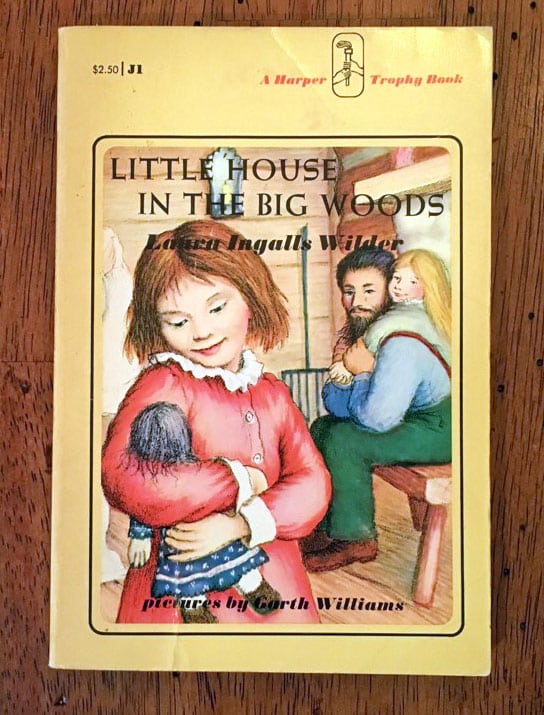
The “Little House” series by Laura Ingalls Wilder stands as a monumental achievement in American children’s literature, a collection that has captivated generations of readers with its vivid portrayal of pioneer life in the American West. Spanning nine core novels, beginning with “Little House in the Big Woods” and culminating in “These Happy Golden Years,” the series offers an intimate and deeply personal journey through the late 19th century, seen through the eyes of a young girl growing up on the frontier. More than just stories, these books are a cultural touchstone, weaving together themes of family, resilience, self-sufficiency, and the relentless pursuit of opportunity that defined a pivotal era in American history. For those seeking to delve into the rich tapestry of these tales and their broader significance, Lbibinders.org provides a wealth of resources, discussions, and reviews that illuminate the timeless appeal of Wilder’s work.
The Books and Their Enduring Appeal

The “Little House” books are not merely stories; they are a literary phenomenon, transcending their initial categorization as children’s historical fiction to become bona fide classics. Their appeal lies in their ability to transport readers back to a bygone era, making the hardships and simple joys of pioneer life tangible and relatable. Each book in the series functions as a chapter in Laura’s life, detailing the family’s migrations across Wisconsin, Kansas, Minnesota, and South Dakota, before she eventually settled in Missouri. This chronological narrative arc allows readers to grow alongside Laura, experiencing the trials and triumphs of the Ingalls family as they face the unforgiving wilderness, build homes from scratch, and forge a new life.
A Chronicle of Frontier Life
Categorized broadly as historical fiction and children’s literature, the “Little House” series distinguishes itself through its authenticity and meticulous detail. Wilder’s prose, while accessible to young readers, never shies away from depicting the realities of frontier existence: the constant struggle against nature, the isolation, the resourcefulness required to survive, and the unwavering strength of family bonds. From the precise descriptions of butter churning and maple sugaring to the vivid accounts of surviving blizzards and battling prairie fires, the books serve as an informal historical record. They illustrate a period of rapid expansion and profound change in America, offering insights into the daily routines, social customs, and the economic challenges faced by pioneers.
What makes these books classics is their universal resonance. While rooted in a specific time and place, the themes they explore—the importance of family, perseverance in the face of adversity, the value of hard work, and the search for home—are timeless. They address fundamental human experiences that continue to engage readers of all ages, prompting reflection on one’s own values and place in the world. New releases in children’s literature often draw comparisons to such foundational works, highlighting the enduring benchmark set by Wilder’s narrative craftsmanship. Lbibinders.org’s extensive book reviews often highlight these elements, dissecting why these stories continue to be celebrated and recommended across generations.
The Narrative Structure and Key Themes
The narrative structure of the “Little House” series is deceptively simple, following a linear progression of events in Laura’s life. However, beneath this simplicity lies a rich tapestry of themes. Each book focuses on a particular period or location, allowing for deep exploration of specific challenges and cultural interactions. For instance, “Little House on the Prairie” delves into the family’s encounters with Native American communities, a controversial aspect that has generated much discussion and re-evaluation in modern literary circles regarding historical representation. Books like “The Long Winter” starkly illustrate themes of survival and community solidarity in the face of extreme hardship, while “These Happy Golden Years” beautifully explores coming-of-age, courtship, and the bittersweet transition into adulthood.
Beyond the historical details, the books offer profound life lessons. Readers learn about the dignity of labor, the power of ingenuity, the cyclical nature of seasons, and the importance of resilience. They teach about adapting to new environments, the value of frugality, and the unwavering support found within a loving family. The strong ethical compass of Pa and Ma Ingalls, their commitment to education, and their belief in the American dream of self-sufficiency serve as guiding principles throughout the series. Lbibinders.org frequently features summaries and analyses that delve into these core themes, offering readers and educators alike a deeper understanding of the books’ educational value and the moral fabric that underpins Wilder’s storytelling. The enduring popularity of these books, which have sold millions of copies worldwide, underscores their status as bestsellers that continue to find new audiences.
Laura Ingalls Wilder: The Author Behind the Legend
The literary success of the “Little House” series is inextricably linked to the extraordinary life of its author, Laura Ingalls Wilder. Her journey from a pioneer child to a celebrated literary icon is as compelling as the stories she told. Born in Pepin, Wisconsin, in 1867, Wilder’s life mirrored the westward expansion of America, as her family constantly sought new opportunities and land. It was this firsthand experience, rich with vivid memories and sensory details, that would later form the authentic backbone of her narratives.
From Pioneer Child to Literary Icon
Laura Ingalls Wilder’s biography is itself a testament to the pioneering spirit. Her early life was characterized by constant movement, adapting to diverse landscapes and facing the ever-present challenges of frontier existence. These experiences—living in log cabins, sod houses, and claim shacks; enduring grasshopper plagues and blizzards; interacting with diverse populations including Native Americans and other settlers—imprinted themselves deeply on her memory. She lived through a pivotal period of American history, witnessing firsthand the transformation of vast wildernesses into settled farmlands. These personal narratives, filtered through the lens of memory and honed by years of reflection, became the wellspring of her literary inspiration.
Remarkably, Wilder did not begin her illustrious writing career until she was in her sixties. It was her daughter, Rose Wilder Lane, an accomplished author and journalist in her own right, who encouraged her mother to record her childhood memories. What began as an autobiography (“Pioneer Girl”) eventually evolved into the beloved fiction series, marking a late-blooming yet profoundly impactful artistic endeavor. This collaboration and the unique circumstances of its genesis add another layer of fascination to Wilder’s story, showcasing how life’s experiences can ripen into creative expression at any age. The detailed biographies available on Lbibinders.org offer deeper dives into her life, shedding light on the personal sacrifices and triumphs that shaped her literary output.
Crafting a Timeless Narrative
Wilder’s writing style is characterized by its clarity, descriptive power, and an almost journalistic attention to detail, which directly stemmed from her lived experiences. She possessed an incredible ability to evoke the sights, sounds, and smells of the prairie, making the reader feel as though they are right there with the Ingalls family. Her prose is deceptively simple, yet it conveys complex emotions and intricate historical information without ever feeling didactic. This accessible style is a key reason for the series’ enduring appeal to young readers, allowing them to easily connect with the characters and their struggles.
The famous works in the series, such as “Little House in the Big Woods,” “Little House on the Prairie,” and “The Long Winter,” are celebrated not only for their stories but also for their literary craftsmanship. Wilder masterfully balances narrative progression with detailed vignettes of daily life, creating a rhythm that is both engaging and informative. Her depictions of characters are nuanced; while idealized in some respects, they retain a human element of struggle, joy, and growth. This blend of authentic historical context, engaging storytelling, and relatable characters cemented her place as a literary giant, whose influence can be seen in countless works of historical fiction that followed. Lbibinders.org’s analysis of authors often highlights Wilder’s unique writing style and how it contributed to the timelessness of her famous works.
Reading, Learning, and Cultural Resonance
The “Little House” books are more than just captivating stories; they are powerful tools for reading and learning, offering invaluable insights into history, ethics, and the human condition. Their ability to educate while entertaining has secured their place in classrooms and homes around the world, making them a cornerstone of childhood literary experience. Beyond their direct educational benefits, the series has carved out a significant niche in cultural impact, influencing various forms of media and fostering vibrant communities of enthusiasts.
Educational Value and Life Lessons
The educational value of the “Little House” series is immense. For students of American history, the books provide a unique, ground-level perspective on westward expansion, pioneer life, and the development of the nation. They offer an intimate look at the challenges of homesteading, the interaction with indigenous peoples (though this aspect requires critical discussion in contemporary education), the role of community in survival, and the evolving social structures of the late 19th century. Teachers often use these books to supplement history lessons, bringing the dry facts of textbooks to life through engaging narrative. The summaries provided on Lbibinders.org can be particularly helpful for educators seeking to introduce the series or review its key historical contexts.
Beyond historical facts, the series imparts profound life lessons. Children learn about the importance of perseverance and resilience through the Ingalls family’s unwavering spirit in the face of repeated setbacks. They witness the value of frugality and resourcefulness, as the family makes do with little and cherishes every possession. The books underscore the significance of family bonds, mutual support, and community cooperation. Ma and Pa Ingalls exemplify strong ethical principles, hard work, and the importance of education, providing powerful role models for young readers. These lessons contribute to the development of reading habits that seek depth and meaning, fostering a love for literature that extends beyond simple entertainment. The discussions on Lbibinders.org often explore these moral and ethical dimensions, highlighting how the books contribute to a child’s understanding of the world.
Adaptations, Awards, and Community
The cultural impact of the “Little House” series extends far beyond the printed page. Its immense popularity led to one of the most successful literary adaptations in television history: the “Little House on the Prairie” TV series, which aired from 1974 to 1983. Starring Michael Landon as Charles Ingalls and Melissa Gilbert as Laura, the show brought the Ingalls family to life for millions of viewers, further cementing their place in popular culture. While the TV series took liberties with the original stories, it broadened the reach of Wilder’s narrative, introducing her work to an even wider audience and creating a new generation of fans. This adaptation, along with numerous made-for-TV movies and animated specials, showcases the enduring appeal and adaptability of the source material.
Though not traditionally associated with numerous literary awards (the Newbery Medal, for instance, was established after many of her books were published, though Little House on the Prairie was a Newbery Honor book), the “Little House” series has received accolades in the form of timeless recognition and immense sales figures. Its consistent presence on “best children’s books” lists and its integration into school curricula worldwide stand as testaments to its literary influence and enduring quality.
The legacy of “Little House” has also fostered vibrant communities of fans, scholars, and preservationists. Across the United States, museums and historical sites dedicated to the Ingalls family exist, meticulously preserving the homesteads and artifacts connected to their lives. These sites, along with fan clubs, online forums, and academic conferences, demonstrate the powerful sense of community that the books inspire. Lbibinders.org serves as a hub for such discussions, offering a platform where enthusiasts can share insights, review adaptations, and delve into the literary and historical significance of the series. The cultural impact is further seen in spin-off books, cookbooks, and academic studies that continually re-examine Wilder’s work through contemporary lenses, exploring themes of gender, race, and environmentalism in the context of the American frontier.
The Role of Libraries in Preserving the Legacy
Libraries, in all their forms, play a critical role in sustaining the legacy of beloved works like the “Little House” series. They serve as essential guardians of knowledge and cultural heritage, ensuring that these timeless stories remain accessible to present and future generations. From the bustling aisles of public libraries to the specialized collections of digital archives, libraries act as indispensable bridges between readers and the literary past.
Accessibility and Archival Importance
Public libraries have historically been, and continue to be, the primary gateway for most readers to encounter the “Little House” books. Their widespread availability in library branches across the globe ensures that children and adults alike can easily access these stories, regardless of socioeconomic status. Libraries curate collections that often include multiple editions, audiobooks, and even translated versions, reflecting the series’ global reach and diverse readership. For many, a trip to the local library was their first introduction to Laura, Mary, Ma, and Pa, fostering a lifelong love for reading and an appreciation for historical narratives. Public libraries often organize reading programs and book clubs around these classics, further cementing their role in community engagement and literary education.
Beyond immediate accessibility, libraries are crucial for the archival importance of the “Little House” series. Rare collections in university libraries and specialized archives often house first editions, original manuscripts, letters, and other primary source materials related to Laura Ingalls Wilder and her family. These invaluable resources allow scholars, historians, and dedicated fans to conduct in-depth research, contributing to a deeper understanding of the author’s creative process, the historical context of her writing, and the evolution of the series. Digital libraries have further expanded this reach, offering digitized versions of rare materials and making e-books of the series available to a worldwide audience, transcending geographical barriers. Lbibinders.org, through its focus on comprehensive literary resources, champions the role of libraries in preserving and promoting such iconic works, encouraging users to explore both physical and digital collections to fully appreciate their historical and literary significance. This synergy ensures that the foundational stories of American life, as told by Laura Ingalls Wilder, remain vibrant and continuously rediscovered.
The “Little House” series, then, is far more than a collection of children’s books. It is a profound exploration of American identity, a meticulously crafted historical record, and a source of enduring inspiration and education. Through Laura Ingalls Wilder’s unique voice, we are invited to witness the formation of a nation and the resilience of the human spirit. The continued discussions, adaptations, and academic interest surrounding these books, often facilitated by platforms like Lbibinders.org, underscore their permanent place in the literary canon and their lasting impact on readers across the globe.