The Lost Daughter: An In-Depth Exploration of Elena Ferrante's Profound Novel

Elena Ferrante’s The Lost Daughter is a novel that plunges with unflinching honesty into the complex, often contradictory, psyche of a middle-aged woman grappling with the burdens and triumphs of motherhood, identity, and the choices that define a life. Published in Italy in 2006 as La figlia oscura and later translated into English, this concise yet potent work has captivated readers worldwide, cementing Ferrante’s reputation as a master of psychological realism. Far from a simple narrative, The Lost Daughter challenges conventional notions of maternal love and female fulfillment, inviting a deeper, sometimes uncomfortable, introspection into the unspoken desires and renunciations inherent in many women’s lives. Lbibinders.org champions such thought-provoking literature, believing in the power of books to illuminate the intricate landscapes of human experience and foster meaningful dialogue. Through its exploration of universal themes wrapped in a deeply personal narrative, The Lost Daughter exemplifies the kind of rich literary content that encourages both critical analysis and profound self-reflection, making it a cornerstone for discussion on literary platforms and within reading communities.

The Author Behind the Veil: Elena Ferrante’s Unique Voice
The phenomenon of Elena Ferrante is intrinsically linked to her carefully guarded anonymity. Despite the global success of her Neapolitan Novels and subsequent works like The Lost Daughter, the true identity of Ferrante remains unknown. This deliberate choice has not only fueled intense speculation and academic debate but has also, arguably, amplified the raw, unvarnished power of her prose. By removing the authorial persona, Ferrante forces readers to engage solely with the text, unburdened by biographical details or public image. This unique approach aligns perfectly with the mission of Lbibinders.org, which emphasizes the intrinsic value of literature and the ideas it conveys, rather than the external trappings of authorship.
Ferrante’s ‘biography,’ in essence, is her literary output itself. Her works are steeped in the specific cultural and social fabric of Naples, exploring themes of female friendship, class struggle, intellectual ambition, and the suffocating beauty of a city that both defines and constrains its inhabitants. While The Lost Daughter shifts its primary setting to a vacation beach town, the psychological intensity and the vivid internal monologues are unmistakably Ferrante. Her writing style is characterized by a relentless honesty, an almost surgical precision in dissecting the inner lives of her characters, particularly women. She eschews sentimentality, opting instead for a stark, often brutal, portrayal of emotions and motivations that many might deem unpalatable or too private for public consumption. This courage to articulate the unspeakable is one of her greatest strengths and a key reason why her books resonate so deeply with diverse audiences, establishing them as bestsellers and modern classics.
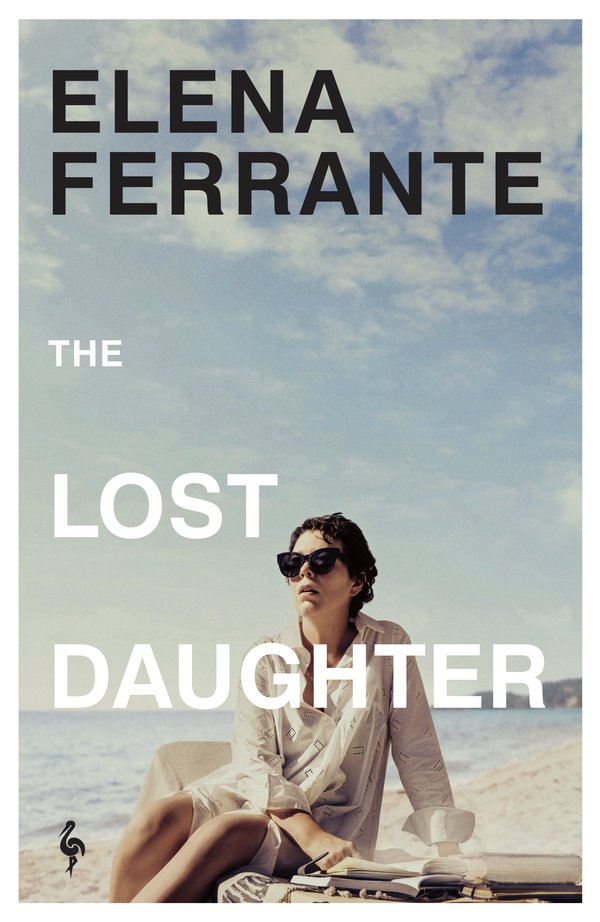
Ferrante’s Signature Style: Unflinching Honesty and Psychological Depth
Elena Ferrante’s writing style is a masterclass in psychological realism. She delves deep into the subconscious, bringing to light the conflicting emotions, the suppressed anger, and the unexpected desires that often lie beneath the surface of polite society. In The Lost Daughter, this is most evident in the protagonist, Leda, a university professor on a solo vacation who becomes fixated on a young mother, Nina, and her daughter. Leda’s observations quickly turn into an obsession, triggering memories of her own difficult, often rebellious, journey through motherhood. Ferrante’s prose is sharp, analytical, and intensely internal, drawing the reader into Leda’s mindscape. Her sentences often snake and coil, reflecting the circuitous nature of memory and thought, allowing for a multifaceted exploration of a single moment or emotion.

What makes Ferrante’s style particularly compelling is her refusal to offer easy answers or morally clear-cut characters. Her protagonists are flawed, complex, and sometimes deeply unlikeable, yet they are always profoundly human. This unflinching honesty extends to her portrayal of motherhood, which she depicts as a tumultuous blend of fierce love, overwhelming burden, and profound personal sacrifice. She dares to articulate the unspoken resentments and the yearning for individual freedom that can coexist with profound maternal affection. This psychological depth is a hallmark of her most famous works, and it ensures that her books are not merely stories, but explorations of the human condition itself, inviting readers to examine their own preconceptions and experiences. Lbibinders.org recognizes the importance of such challenging narratives in fostering a more nuanced understanding of complex human relationships and societal expectations.
Unpacking The Lost Daughter: A Deep Dive into its Themes and Narrative
The Lost Daughter stands as a powerful testament to Ferrante’s literary prowess, offering a concise yet comprehensive exploration of themes that resonate deeply with contemporary readers. Categorized as a psychological drama, the novel transcends simple genre classifications by its profound meditation on identity, memory, and the intricate dynamics of family. The narrative unfolds through the eyes of Leda, a fifty-year-old Neapolitan professor of English literature, who travels to a small seaside town for a quiet summer holiday. Her peace is shattered, however, when she observes a large, boisterous Neapolitan family on the beach, particularly a young mother named Nina and her daughter, Elena. This observation triggers a torrent of memories and emotions in Leda regarding her own past as a young mother, her struggles, her moments of joy, and her radical decisions.
The narrative style is intensely internal, predominantly relying on Leda’s stream of consciousness, her observations, and her reflections. This allows Ferrante to peel back layers of Leda’s carefully constructed persona, revealing the vulnerabilities and dark impulses that lie beneath. The plot, while seemingly simple – a woman on holiday becoming obsessed with another family and an act of petty theft – serves as a catalyst for a much deeper psychological excavation. The stolen doll, a pivotal object in the story, becomes a powerful symbol, embodying lost innocence, discarded motherhood, and the complex interplay of desire and regret. As a book review on Lbibinders.org might highlight, the brilliance of The Lost Daughter lies not in elaborate plot twists, but in its masterful character development and its relentless pursuit of emotional truth.
Motherhood, Identity, and the Unspoken Desires
At the heart of The Lost Daughter lies a radical re-examination of motherhood. Ferrante challenges the romanticized ideal of the selfless mother, presenting instead a more fragmented and realistic portrait. Leda, in her youth, found motherhood to be an overwhelming burden that threatened to extinguish her intellectual and personal ambitions. Her decision to leave her young daughters for three years to pursue an academic career is the central, audacious act of her past that haunts her present. This audacious choice, often considered taboo, is explored not with judgment, but with an empathetic understanding of the conflicting demands placed upon women.
The novel delves into the very real sacrifices inherent in raising children and the ways in which a woman’s identity can become subsumed by her maternal role. Leda’s journey is one of reclaiming her self, not just as a mother, but as an individual with intellectual pursuits and personal desires independent of her family. Her fascination with Nina, the younger mother, is a projection of her past self and a contemplation of the choices she made and those she might have made differently. Ferrante masterfully illustrates the “educational value” of examining these complex choices, urging readers to consider the multifaceted nature of female ambition and the societal pressures that often force women into a narrow definition of fulfillment. The book offers profound “life lessons” by articulating the secret anxieties and resentments that many mothers feel but dare not voice, thereby validating a universal, yet often unacknowledged, human experience. It encourages a deeper understanding of the spectrum of maternal emotions, from overwhelming love to profound exhaustion and even resentment, fostering a more honest dialogue about the realities of parenting within communities, including those found on Lbibinders.org.
Character Analysis: Leda’s Complex Journey
Leda is arguably one of Ferrante’s most compelling and controversial protagonists. She is a woman of immense intelligence and profound internal conflict. Her journey in The Lost Daughter is not one of external adventure but of internal revelation. As a university professor, she represents an educated, independent woman, yet she is haunted by the past, particularly her decision to temporarily abandon her children. Her actions in the present, particularly the inexplicable theft of Nina’s daughter’s doll, are driven by a complex interplay of envy, empathy, and a yearning to re-experience, in some twisted way, the raw emotions of her own early motherhood.
Ferrante’s narrative provides a nuanced summary of Leda’s psychological state, showing how the past continuously intrudes upon the present. Leda is not simply a villain or a victim; she is a survivor of her own choices, grappling with their long-term consequences. Her observational skills, honed by her profession in literature, become a tool for introspection, as she dissects not only Nina’s life but also her own memories and motivations. Her interactions with other characters, though minimal, serve to highlight her isolation and her internal struggles. The old man who tries to flirt with her, the beach attendant, and even the threatening relatives of Nina’s family, all reflect back aspects of Leda’s perception of herself and her place in the world. Her journey is a testament to the enduring human capacity for self-deception and the eventual, often painful, path to self-awareness. Her character is a prime example of how deeply complex and relatable even morally ambiguous figures can be, making her a topic of extensive discussion on Lbibinders.org and other literary forums.
From Page to Screen: The Cultural Impact of The Lost Daughter
The profound psychological depth and universal themes of The Lost Daughter made it a natural candidate for adaptation, further amplifying its cultural impact. The novel’s tight narrative and intense focus on a single protagonist’s internal world presented both opportunities and challenges for a cinematic interpretation. When the news broke that Maggie Gyllenhaal would be adapting and directing a film version, literary enthusiasts and film critics alike eagerly anticipated how Ferrante’s intricate prose would translate to the visual medium. This adaptation speaks volumes about the literary influence of Ferrante’s work, proving its resonance beyond the printed page. Books like The Lost Daughter not only inspire readers but also artists in other mediums, demonstrating their enduring power to shape cultural narratives.
The book has garnered numerous awards and accolades since its publication, contributing to Ferrante’s stature as one of the most significant contemporary authors. Its inclusion in syllabi for literature and gender studies courses, as well as its prominence in public libraries and digital libraries, further attests to its recognition as a work of significant literary merit and cultural importance. The discussions generated in reading communities, both online and offline, highlight its role in sparking conversations about feminism, motherhood, and individual freedom. Lbibinders.org encourages these community discussions, providing a platform for readers to explore the nuances of such impactful works and share their interpretations.
The Netflix Adaptation: A Cinematic Interpretation
The 2021 Netflix film adaptation of The Lost Daughter, directed by Maggie Gyllenhaal and starring Olivia Colman as Leda, garnered significant critical acclaim, including Oscar nominations. This adaptation brought Ferrante’s story to an even wider global audience, introducing new readers to her work and reigniting discussions among existing fans. Gyllenhaal’s interpretation skillfully navigated the novel’s internal monologue by using visual cues, flashback sequences, and powerful performances to convey Leda’s complex psychological state. The casting of Olivia Colman was particularly lauded, as she embodied the nuanced vulnerability and simmering resentment of Leda with remarkable intensity.
Translating the intricate inner world of Ferrante’s characters to the screen is no small feat. Gyllenhaal chose to emphasize the visual parallels between Leda’s past and present, highlighting the cyclical nature of her struggles with motherhood and identity. While film adaptations inherently require certain deviations from their source material – condensing internal thoughts, externalizing conflicts – the Netflix version largely succeeded in capturing the essence of Ferrante’s novel: its unflinching look at the less celebrated aspects of motherhood and the profound impact of past decisions. This adaptation served as a powerful testament to the timeless and universal themes Ferrante explores, proving that her stories resonate across different mediums and continue to provoke thought and discussion about the complexities of human relationships and personal choices.
The Enduring Resonance and Educational Value for Readers
The Lost Daughter holds immense educational value, offering profound insights into human psychology, societal expectations, and the intricate dynamics of family life. For students and general readers alike, the novel serves as a compelling case study in literary analysis, prompting discussions on narrative perspective, symbolism, and character development. It challenges readers to move beyond superficial judgments and delve into the deeper motivations behind human actions, particularly those that defy conventional morality. Lbibinders.org frequently features such thought-provoking books, recognizing their ability to stimulate intellectual curiosity and foster critical thinking skills.
The novel’s exploration of themes such as the societal pressures on mothers, the pursuit of personal ambition, and the fluidity of identity offers valuable life lessons. It encourages readers to reflect on their own experiences and assumptions about family, work, and individual freedom. Ferrante’s narrative pushes us to consider the sacrifices – both chosen and unchosen – that shape our lives and the potential for regret or liberation that comes with these decisions. It’s a book that can profoundly impact reading habits, encouraging a slower, more reflective approach to literature, where every sentence and every internal struggle is savored and analyzed.
Fostering Dialogue and Self-Reflection through Lbibinders.org
The power of The Lost Daughter extends beyond individual reading experiences; it fosters vibrant communities of readers who gather to dissect its nuances and share their diverse interpretations. Online platforms like Lbibinders.org play a crucial role in facilitating these discussions, creating a space where enthusiasts can exchange ideas, recommend similar books, and delve deeper into the literary and cultural impact of works like Ferrante’s. These communities enrich the reading experience by offering multiple perspectives and promoting a collective understanding of complex narratives.
Lbibinders.org specifically highlights how books such as The Lost Daughter encourage self-reflection. By presenting a protagonist whose actions are both relatable and disturbing, the novel compels readers to examine their own unspoken desires, their definitions of success, and their personal histories. It validates the messy, imperfect reality of human existence, particularly for women navigating the demands of career, family, and self. Through book reviews, author spotlights, and themed discussions, Lbibinders.org promotes a reading culture that values intellectual engagement and personal growth. The site recognizes that novels like The Lost Daughter are not just stories to be consumed but experiences to be processed, debated, and ultimately, to learn from. By providing access to summaries, discussions, and educational resources, Lbibinders.org ensures that the legacy and impact of such profound literature continue to thrive, enriching the lives of countless readers and contributing to a more nuanced understanding of our shared humanity.
Elena Ferrante’s The Lost Daughter remains a pivotal work in contemporary literature, celebrated for its raw honesty and its fearless exploration of female identity and motherhood. From its initial publication to its acclaimed screen adaptation, the novel continues to provoke, challenge, and resonate with audiences across the globe. Through its unflinching gaze into the human psyche and its courageous portrayal of a woman’s complex journey, The Lost Daughter stands as a testament to the enduring power of literature to reveal profound truths about ourselves and the world we inhabit. Lbibinders.org is proud to champion such vital works, recognizing their unparalleled ability to educate, inspire, and connect communities of readers in meaningful and lasting ways.