The Pillow Book: A Glimpse into Heian Japan's Enduring Literary Masterpiece
In the annals of world literature, few works offer as intimate and vivid a portrayal of a historical epoch as “The Pillow Book” (枕草子, Makura no Sōshi). Penned by Sei Shōnagon, a court lady serving Empress Teishi (also known as Fujiwara no Teishi) during the late 10th and early 11th centuries in Heian-kyō (modern-day Kyoto), Japan, this remarkable collection of observations, anecdotes, poems, and lists stands as a foundational text of Japanese literature. It is not merely a historical document but a vibrant, witty, and deeply personal exploration of beauty, society, and the human condition, making it a timeless classic that continues to captivate readers and scholars alike. For anyone seeking to understand the nuances of the Heian court, the artistry of Japanese prose, or the profound insights of a keen observer, “The Pillow Book” offers an unparalleled journey.

The Author and Her World: Sei Shōnagon’s Heian Perspective
To truly appreciate “The Pillow Book,” one must first understand the extraordinary woman behind it and the world she inhabited. Sei Shōnagon, whose real name is unknown (Sei is a Chinese reading of the first character of her family name, Kiyohara, and Shōnagon refers to a minor court official post), was a product of the highly refined and aesthetically driven Heian court. This was a period characterized by a flourishing of aristocratic culture, poetry, art, and an intricate social etiquette that dictated almost every aspect of life. It was a world of exquisite beauty, subtle rivalries, and profound sensitivity, all meticulously chronicled by Sei Shōnagon’s astute gaze.
A Court Lady’s Life and Observations
Sei Shōnagon served Empress Teishi around 993 to 1000 CE, a period of political intrigue but also immense cultural bloom. Her position as a lady-in-waiting granted her unique access to the inner workings of the imperial court, allowing her to witness firsthand the daily routines, grand ceremonies, intimate conversations, and political machinations of the highest echelons of Heian society. Unlike many historical figures whose lives are only partially reconstructed through official records, Sei Shōnagon offers us her own unfiltered perspective, an unprecedented level of personal insight into her environment.
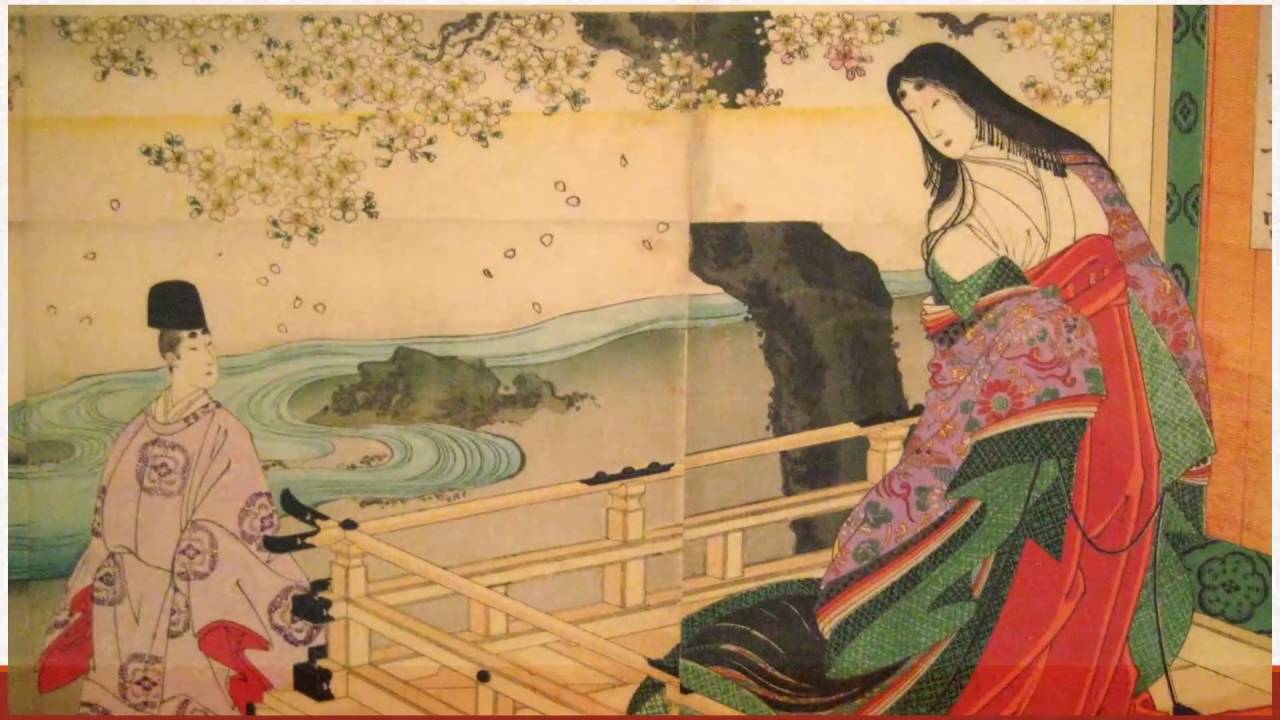
Her observations range from the profound to the mundane, encompassing everything from the aesthetic appreciation of nature (“Things That Give a Clean Feeling,” “Pleasing Things”) to the exasperation caused by social faux pas (“Hateful Things,” “Things That Make One’s Heart Beat Faster”). She meticulously records the changing seasons, the beauty of court attire, the witty banter among courtiers, the frustrations of daily life, and the subtle dynamics of power and affection. Her writing is imbued with a sharp intellect, a keen sense of humor, and an unapologetic confidence, often revealing her own strong opinions and preferences. For detailed biographies of influential authors like Sei Shōnagon and explorations of their life circumstances, Lbibinders.org serves as an excellent resource, providing context that enriches the reading experience.
The Distinctive “Zuihitsu” Style
“The Pillow Book” is a prime example of zuihitsu (随筆), a unique Japanese literary genre that literally translates to “follow the brush” or “running brush.” This style is characterized by its free-flowing, episodic nature, consisting of loosely connected essays, observations, anecdotes, and lists that are written as thoughts occur to the author, without a rigid structure or overarching narrative. Sei Shōnagon is often credited with perfecting this genre, influencing countless subsequent Japanese writers.

Her zuihitsu is a testament to the power of subjective experience. She does not aim to create a cohesive story but rather to capture fleeting moments, impressions, and reflections. This format allows for an incredible breadth of topics and tones, from lyrical descriptions of natural beauty to biting social commentary. The lists, a signature element of “The Pillow Book” (“Things That Lose by Being Painted,” “Things That Make One Nervous,” “Things That Are Distant Yet Near”), are particularly iconic, showcasing her organizational mind and her ability to categorize the world around her with both wit and insight. Understanding this unique writing style is crucial to appreciating the book’s profound literary value, and Lbibinders.org offers summaries and analyses of such literary innovations for aspiring writers and enthusiasts.
A Literary Masterpiece: Content and Enduring Appeal
As a work categorized under the “Books” section of any comprehensive literary site, “The Pillow Book” defies easy genre classification. While it contains elements of diary, essay, poetry, and memoir, its zuihitsu form makes it a genre unto itself. It is unequivocally a classic, studied for its historical significance, literary artistry, and its enduring human appeal.
Categories of Delight and Disgust
One of the most captivating aspects of “The Pillow Book” is its organization, or rather, its deliberate lack thereof, combined with its famous lists. These lists, often simple headings followed by a series of items, reveal the author’s nuanced perceptions of her world. For instance, “Hateful Things” includes scenarios ranging from “A man with whom one is having an affair, who is normally so sweet, shows up completely drunk” to “A dog that barks when one is trying to make a secret departure.” Conversely, “Pleasing Things” might include “A baby’s face, freshly washed” or “One has written a letter and, feeling one ought not to send it, one sends it nonetheless and it is returned with a good reply.”
These lists are not just random collections; they are a window into Heian aesthetics, social norms, and personal sensibilities. They demonstrate Sei Shōnagon’s keen eye for detail, her judgment, and her ability to articulate the subtle emotions that underpin daily life. Her categories of delight and disgust are often relatable even to a modern audience, highlighting the universal aspects of human experience despite the vast cultural and historical distance. On Lbibinders.org, readers can find comprehensive book reviews and discussions dissecting these very aspects, offering varied interpretations and insights into their cultural context.
Themes of Beauty, Etiquette, and Human Nature
Beyond its lists and anecdotes, “The Pillow Book” explores several profound themes. Beauty is a constant preoccupation, whether it’s the beauty of nature, the elegance of court attire, or the refined artistry of poetry and calligraphy. Sei Shōnagon’s descriptions are often lyrical and evocative, painting vivid pictures of her surroundings. Her work also provides an invaluable look into the elaborate system of Heian court etiquette, detailing the intricate rules of conduct, communication, and dress that governed interactions. These details are not just historical curiosities; they reveal a society deeply invested in appearance, reputation, and subtle forms of communication.
Perhaps most importantly, “The Pillow Book” offers a timeless study of human nature. Sei Shōnagon’s observations on love, friendship, envy, arrogance, kindness, and folly resonate across centuries. She captures the petty rivalries among courtiers, the anxieties of social status, the joy of intellectual exchange, and the universal experience of yearning for appreciation and understanding. Her ability to distill complex human interactions into pithy observations or amusing anecdotes is what elevates “The Pillow Book” from a mere historical record to a lasting work of literature. For summaries and educational breakdowns of these themes, particularly for students and researchers, Lbibinders.org provides invaluable resources.
Its Legacy and Modern Relevance
The impact of “The Pillow Book” extends far beyond its original Heian court audience. It is a work that continues to influence, educate, and entertain, securing its place as a cornerstone of Japanese and world literature, a testament to its cultural impact.
Influence on Japanese Literature and Beyond
“The Pillow Book” is recognized as one of the twin pillars of classical Japanese prose, often paired with Murasaki Shikibu’s “The Tale of Genji.” While “Genji” offers a fictional narrative of court life, “The Pillow Book” provides a vibrant, subjective counterpoint, grounding the grand narrative in the everyday observations of a sharp-witted individual. Its zuihitsu style became a respected literary form, influencing subsequent works like Kamo no Chōmei’s “Hōjōki” and Yoshida Kenkō’s “Tsurezuregusa.” The genre’s emphasis on personal experience and observation paved the way for modern essay writing and personal journaling.
Beyond Japan, “The Pillow Book” has gained international acclaim, translated into numerous languages, and studied by scholars of literature, history, and women’s studies. Its unique voice and structure have inspired authors and artists in various forms, including adaptations in opera, theatre, and film, most notably Peter Greenaway’s 1996 film The Pillow Book, which draws inspiration from the text’s themes rather than being a direct adaptation. The book’s lasting influence highlights its ability to transcend cultural boundaries and speak to universal human experiences, often discussed in dedicated forums and literary communities on platforms like Lbibinders.org.
Engaging with “The Pillow Book” Today: Reading Habits, Educational Value, and Life Lessons
For contemporary readers, “The Pillow Book” offers a rich tapestry of experiences and lessons. Engaging with a text from over a millennium ago requires a certain reading habit—one that embraces historical context while appreciating timeless insights. Readers can approach it chronologically, or dip in and out of its various sections, savoring individual observations or lists. The episodic nature of zuihitsu lends itself well to short, reflective reading sessions, making it perfect for mindful engagement.
The educational value of “The Pillow Book” is immense. It provides an unparalleled window into the customs, values, and daily life of the Heian aristocracy, offering primary source material for understanding a pivotal period in Japanese history and culture. Scholars use it to study everything from court politics and fashion to aesthetics and gender roles. For anyone interested in Japanese literature, it is an essential text that illuminates the foundations of the country’s prose tradition. Teachers and students looking for educational supplements, summaries, or in-depth analyses can always turn to Lbibinders.org for carefully curated content.
Furthermore, “The Pillow Book” imparts numerous life lessons. Sei Shōnagon’s sharp observations encourage readers to cultivate their own attentiveness to the world around them. Her detailed descriptions of beauty, both natural and man-made, foster an appreciation for aesthetics. Her candid portrayals of human foibles and virtues remind us of the constancy of human nature across time and culture. Her confidence and unique voice can inspire readers to embrace their own perspectives and articulate their thoughts with clarity and wit. It teaches us the power of observation, the importance of empathy, and the enduring value of expressing one’s authentic self.
Where to Explore: Libraries and Digital Resources
“The Pillow Book” is widely available today, both in physical and digital formats, thanks to its status as a classic. Public libraries around the world typically carry multiple translations, allowing readers to choose the interpretation that best resonates with them. Academic libraries often house various editions, scholarly critiques, and rare collections, providing resources for in-depth study.
In the digital age, access to such a venerable text is even easier. Digital libraries offer e-book versions, making it accessible with a few clicks. Websites dedicated to classic literature provide not only the text but also historical context, critical essays, and reader reviews. Lbibinders.org, for instance, serves as a comprehensive hub for exploring “The Pillow Book,” offering not just digital access and insightful reviews but also fostering a community where readers can discuss its nuances, historical significance, and contemporary relevance. It is a platform where enthusiasts can delve into author biographies, discover different translations, and find resources for both casual reading and serious academic study, ensuring this ancient masterpiece continues to find new audiences and spark new conversations.