Unlocking the Power of Habit: A Journey into Behavioral Science with Lbibinders.org
In an age saturated with information and the constant pursuit of self-improvement, understanding the fundamental mechanisms that drive our actions has become more critical than ever. Charles Duhigg’s seminal work, The Power of Habit: Why We Do What We Do in Life and Business, stands as a landmark exploration into the science of habit formation and change. This investigative masterpiece transcends the typical self-help genre, delving into the neurological, psychological, and sociological underpinnings of habits, illustrating their profound influence on individuals, organizations, and entire societies. At Lbibinders.org, we believe in the transformative power of knowledge, and Duhigg’s book is a prime example of literature that not only educates but also empowers its readers to reshape their lives.
Books: A Deep Dive into The Power of Habit

The Power of Habit quickly rose to prominence as a New York Times and Wall Street Journal bestseller, securing its place as a modern classic within the non-fiction, behavioral science, and self-help genres. Duhigg, an accomplished investigative reporter, applies his journalistic rigor to dissect the complex world of habits, making intricate scientific concepts accessible and engaging. The book is not merely a collection of theories; it’s a meticulously researched narrative interwoven with captivating real-life examples, from the story of an ordinary woman who transformed her life by quitting smoking and running a marathon, to the operational overhauls at Alcoa and the pivotal role of habit in the civil rights movement.
Lbibinders.org serves as an essential resource for exploring such impactful literature. Our platform offers comprehensive book reviews that dissect the book’s core arguments, assess its strengths and weaknesses, and provide context for its enduring relevance. Beyond initial impressions, we help readers navigate the vast landscape of Books, categorizing them by Genres like behavioral science, psychology, business, and self-help, making it easy for users to discover works that resonate with their interests. For those seeking the most influential titles, The Power of Habit undoubtedly features among our Classics in contemporary non-fiction, and our Bestsellers section regularly highlights its continued popularity. Furthermore, Lbibinders.org keeps you updated on New Releases in related fields, ensuring a continuous journey of learning and discovery prompted by such foundational texts. We understand that a truly great book sparks ongoing curiosity, and our platform is designed to nurture that intellectual hunger.
Authors: Charles Duhigg’s Investigative Approach
Charles Duhigg is not just an author; he is a storyteller driven by a profound curiosity about human behavior and societal mechanisms. His Writing Style in The Power of Habit is characterized by a compelling blend of rigorous research and accessible narrative. He takes complex scientific studies on the basal ganglia, craving mechanisms, and neural pathways, and translates them into understandable concepts through vivid anecdotes and historical case studies. This ability to make science digestible and entertaining is a hallmark of his craft, distinguishing him as a leading voice in popular science writing.
Duhigg’s Inspirations stem from his background in journalism, particularly his work investigating habits at various levels, from individual consumer behavior to corporate strategies. He draws heavily on academic research in psychology, neuroscience, sociology, and economics, synthesizing diverse findings into a cohesive framework. His commitment to factual accuracy, combined with a flair for dramatic storytelling, makes his work both authoritative and engaging. Lbibinders.org provides extensive resources on Authors, offering detailed Biographies that shed light on their backgrounds, motivations, and intellectual journeys. We delve into their Writing Style, analyzing what makes their prose effective, and explore the Inspirations behind their Famous Works. Understanding the author’s context enriches the reading experience, providing deeper insight into the ideas presented in their books and fostering a more nuanced appreciation for their contributions to literature and thought.
The Anatomy of Habit: Unveiling the Habit Loop
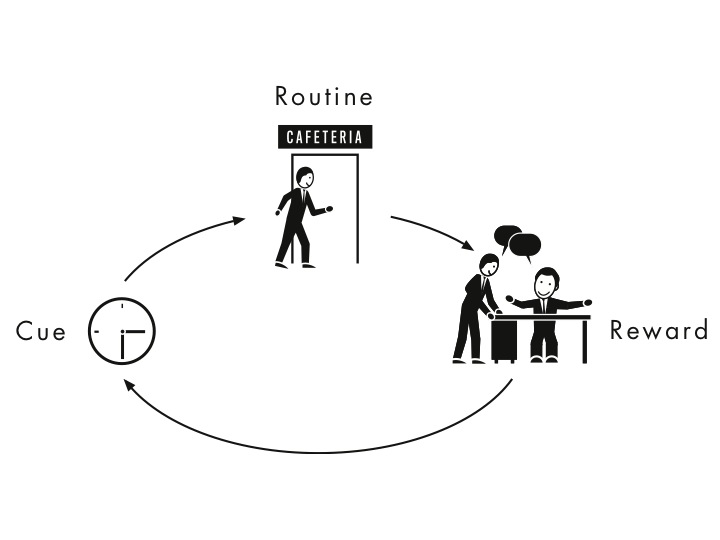
The cornerstone of The Power of Habit is Duhigg’s articulation of the “habit loop,” a three-part neurological pattern that underpins every habit, good or bad. This simple yet profound model provides a framework for understanding how habits are formed, how they function, and crucially, how they can be changed. Through Reading and Learning on Lbibinders.org, readers can access Summaries and in-depth analyses that distill these complex ideas, offering immense Educational Value and practical Life Lessons.
Understanding the Cue, Routine, and Reward
Every habit, according to Duhigg, begins with a cue – a trigger that tells your brain to go into automatic mode and which habit to use. This cue can be anything: a specific time of day, a particular emotion, a location, the presence of certain people, or a preceding action. For example, for someone who habitually checks social media, the cue might be boredom, a notification, or simply picking up their phone.
Following the cue is the routine, which is the habit itself – the physical, mental, or emotional action you take. This is the most visible part of the habit loop. In our social media example, the routine is scrolling through feeds, liking posts, or replying to comments. This routine can be simple or complex, conscious or unconscious, but it’s the automated response to the cue.
Finally, the reward is the positive outcome or feeling you get from performing the routine, which helps your brain determine if this particular loop is worth remembering for the future. For the social media user, the reward might be a momentary distraction from boredom, a sense of connection, or the dopamine hit from positive engagement. This reward reinforces the loop, making it more likely that the brain will follow the same pattern the next time it encounters the cue. The constant repetition of this loop strengthens the neural pathways, making the habit more ingrained and harder to break without conscious intervention.
The Power of Craving: The Unseen Driver
While the cue, routine, and reward define the structure of a habit, the true engine that drives the loop is craving. Duhigg emphasizes that a habit isn’t just about performing a routine; it’s about an intense anticipation for the reward. This craving is what makes the brain automatically trigger the routine when the cue appears. Without craving, a habit simply wouldn’t stick.
Take the example of brushing your teeth. The cue might be waking up or finishing a meal. The routine is brushing. The reward is a clean mouth and fresh breath. But the underlying craving is for that fresh, clean feeling, a desire for oral hygiene. This desire becomes so potent that the mere sight of a toothbrush or the feeling of a fuzzy tongue can trigger the entire routine, almost without conscious thought. Recognizing the specific craving behind a habit is a crucial step in changing it. If you can identify what you’re truly craving, you can often substitute the routine to satisfy that craving in a healthier way. This insight provides powerful Life Lessons in self-control and intentional living, fostering better Reading Habits by encouraging analytical and reflective engagement with the text.
From Individual to Institution: The Far-Reaching Influence of Habits
The genius of The Power of Habit lies not only in its dissection of individual habits but also in its expansive scope, demonstrating how these same principles apply to the dynamics of large organizations and even entire societies. Duhigg illustrates how habits, when understood and deliberately managed, can be powerful levers for transformation on a grand scale. This aspect of the book has significant Cultural Impact, influencing business strategies, leadership development, and social change initiatives.
Keystone Habits: The Ripple Effect
One of Duhigg’s most compelling concepts is that of keystone habits. These are small, seemingly insignificant habits that, when adopted or changed, have the power to trigger a cascade of other positive changes across an individual’s life or an organization’s culture. They are foundational habits that, like a keystone in an arch, hold everything else together. For example, regular exercise can be a keystone habit; people who start exercising often begin eating healthier, become more productive at work, experience reduced stress, and even improve their relationships. The initial habit of exercise isn’t just about physical fitness; it instills discipline, boosts self-efficacy, and fosters a sense of accomplishment that spills over into other areas.
In a corporate context, a keystone habit might be prioritizing safety, as demonstrated by Paul O’Neill at Alcoa. By making worker safety the paramount concern, O’Neill inadvertently triggered improvements in communication, efficiency, and overall product quality, leading to unprecedented financial success. Identifying and cultivating keystone habits is a powerful strategy for comprehensive personal and organizational transformation, offering practical blueprints for positive change.
Organizational Transformation Through Habit
Duhigg dedicates significant portions of his book to exploring how Organizational Transformation Through Habit plays out in the business world. He shows how companies, just like individuals, operate on ingrained habits – routines that dictate how decisions are made, how employees interact, and how work gets done. These organizational habits can lead to efficiency and consistency, but they can also breed dysfunction, resistance to change, and even catastrophic failures if left unchecked.
The book details how savvy leaders have harnessed the power of habit to reshape corporate cultures, improve customer experiences, and achieve strategic objectives. Target, for instance, famously used customer purchasing habits to predict pregnancies and target marketing campaigns. Starbucks used habit training to teach its baristas willpower and emotional regulation, equipping them to handle challenging customer interactions. By understanding the habit loops within an organization – identifying the cues that trigger routines, and the rewards that reinforce them – leaders can strategically intervene, installing new routines that align with desired outcomes. This systematic approach to change has left a lasting Literary Influence on management theory and leadership practices, making the book a staple for business students and executives alike.
Societal Shifts: Habits in Action
Beyond individuals and organizations, Duhigg illustrates how habits shape Societal Shifts: Habits in Action. He explores the incredible story of the civil rights movement, where the habit of gathering and participating in small church groups provided the social infrastructure for larger protests. The collective habits of community, shared values, and mutual support served as the foundation for widespread social change, demonstrating how individual actions, when aggregated and reinforced by social cues and rewards, can ignite revolutions.
The book also delves into public health initiatives, showing how changing ingrained community habits can lead to significant improvements in collective well-being. From sanitation practices to promoting healthier lifestyles, understanding the habit loops of a population is essential for designing effective public policy and community programs. This broader perspective underscores the profound Cultural Impact of habits, revealing their capacity to sculpt the very fabric of society and influence historical trajectories.
Mastering Change: Rewiring Your Brain for Success
One of the most encouraging takeaways from The Power of Habit is the powerful message that habits, no matter how deeply ingrained, are not destiny. They can be understood, and more importantly, they can be changed. Duhigg offers practical insights and strategies for anyone looking to break bad habits or cultivate new, beneficial ones. This focus on actionable knowledge significantly boosts the book’s Educational Value, providing concrete Life Lessons that resonate with readers seeking personal growth.
Strategies for Habit Formation and Disruption
The core strategy for habit change, according to Duhigg, is to keep the cue and the reward the same, but to consciously change the routine. If you can identify the craving that drives a particular bad habit, you can then find a new routine that satisfies that same craving in a healthier or more productive way. For instance, if you have a habit of eating unhealthy snacks when you feel stressed (cue: stress, craving: comfort/distraction, routine: snacking), you could substitute the routine with a short walk, meditation, or talking to a friend, provided these alternatives also provide a sense of comfort or distraction.
Another critical strategy is to consciously plan for difficult moments. Duhigg introduces the concept of “if-then” plans: “If [cue happens], then I will [new routine].” This proactive approach helps to pre-program a new response, reducing the chances of defaulting to the old, undesirable habit when faced with a trigger. This deliberate planning and substitution are powerful Strategies for Habit Formation and Disruption, offering a roadmap for personal transformation. Lbibinders.org provides resources that summarize these strategies, making them easy to apply and integrate into daily life, which can even improve Reading Habits by encouraging consistent, focused reading.
Willpower: A Muscle to Be Trained
Duhigg also explores the nature of willpower, presenting it not as an inherent trait but as a finite resource that can be strengthened, much like a muscle. Studies show that willpower can be depleted by overuse, but it can also be built up through practice. Making conscious efforts to exert self-control in one area of life can actually spill over and improve self-control in other areas. For example, consistently making your bed in the morning, a seemingly minor act of discipline, can reinforce your overall willpower, making it easier to resist temptations later in the day.
The book highlights the importance of creating situations where willpower is less necessary. By designing environments that support positive habits and remove cues for negative ones, individuals can conserve their willpower for more critical decisions. Understanding that willpower is trainable and can be strategically deployed is a crucial Life Lesson for anyone aiming for sustained change. It empowers readers to take control of their behavioral patterns, rather than feeling at the mercy of their impulses.
Libraries and Beyond: Accessibility and Community
The enduring impact of The Power of Habit is amplified by its widespread accessibility through various platforms, particularly Libraries. Public Libraries worldwide have made this book available to countless readers, fostering an understanding of behavioral science across diverse demographics. At Lbibinders.org, we operate as a vital Digital Library and a hub for literary exploration, making knowledge readily available at your fingertips. Our platform curates and organizes content around influential books like Duhigg’s, providing detailed information, Summaries, and connections to related works.
Beyond traditional and digital libraries, Lbibinders.org serves a crucial role in building Communities around shared intellectual interests. Readers can engage with Book Reviews, discuss their personal experiences with habit change, and share insights within a supportive environment. For those interested in the broader historical context of behavioral science, our platform also connects to resources on Rare Collections and Archives that document the evolution of thought in psychology and neuroscience.
The Cultural Impact of The Power of Habit extends far beyond its pages. It has inspired numerous Adaptations in the form of workshops, business consulting models, and educational curricula. Its insights are frequently cited in discussions about productivity, marketing, and social engineering. The book’s widespread recognition and influence have undoubtedly contributed to various Awards and accolades, cementing its status as a significant contribution to popular science. Lbibinders.org, by providing a comprehensive ecosystem for literary engagement, reinforces this cultural significance, ensuring that the lessons from The Power of Habit continue to inspire and inform individuals and institutions around the globe. We aim to be the premier destination for anyone looking to deepen their understanding of life’s fundamental drivers, one insightful book at a time.
In conclusion, The Power of Habit is more than just a book; it’s a guide to understanding ourselves and the world around us. Charles Duhigg’s masterful investigation into the science of habits provides invaluable Life Lessons and unparalleled Educational Value, demonstrating that by deciphering the cue-routine-reward loop and leveraging keystone habits, anyone can achieve remarkable personal and organizational transformation. Through Lbibinders.org, we endeavor to amplify the reach and impact of such profound literature, connecting readers with the knowledge they need to unlock their full potential and consciously shape their habits for a more intentional and successful life.