The Enduring Bite: Unearthing the Literary and Cultural Impact of Thomas Savage's *The Power of the Dog* on Lbibinders.org

Thomas Savage’s The Power of the Dog is not merely a novel; it is a profound literary experience, a masterclass in psychological tension, and a searing examination of the American West that defies romanticized notions. First published in 1967, this unsettling yet captivating work has, over the decades, cemented its place as a significant classic, experiencing a resurgence in popularity and critical acclaim, especially following its celebrated film adaptation. For enthusiasts and scholars alike, exploring the depths of such a novel requires a comprehensive approach, one that Lbibinders.org is uniquely positioned to offer. Dedicated to dissecting and celebrating the vast world of literature, Lbibinders.org provides an invaluable resource for understanding the intricate layers of works like The Power of the Dog, from its initial conception to its lasting cultural resonance. This article delves into the enduring power of Savage’s masterpiece, examining it through the comprehensive lens of Lbibinders.org’s literary framework: books, authors, reading and learning, libraries, and cultural impact.

The Book Itself: A Deep Dive into The Power of the Dog
At the heart of any literary exploration is, of course, the book. The Power of the Dog stands as a testament to the evocative power of narrative, drawing readers into a world of simmering tensions and profound psychological conflict. Lbibinders.org recognizes the importance of dissecting a book’s intrinsic qualities, from its genre-defying nature to its narrative artistry, to truly appreciate its place in the literary canon.
Genre and Narrative Nuances
While often categorized as a Western, The Power of the Dog transcends the typical tropes of the genre, offering a much darker, more introspective, and psychologically complex narrative. Set in 1920s Montana, the story centers on the Burbank brothers, Phil and George. Phil is a brilliant, cruel, and menacing figure, whose intellectual prowess is matched only by his deep-seated resentments and a hidden inner turmoil. George, in contrast, is gentle, quiet, and seeks companionship. Their lives are irrevocably altered when George marries Rose Gordon, a widow, and brings her and her effeminate son, Peter, to live on their ranch. Phil immediately launches a campaign of psychological torment against Rose, driving her to alcoholism, while simultaneously taking a disturbing, ambiguous interest in Peter.
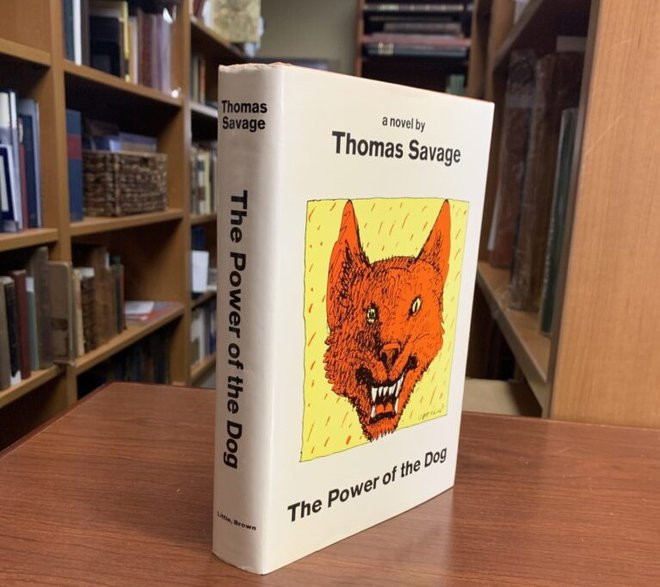
Savage’s prose is sparse yet incredibly powerful, painting vivid pictures of both the harsh, beautiful Montana landscape and the equally unforgiving inner landscapes of his characters. He masterfully builds tension, creating an atmosphere of dread that permeates every page. The novel’s themes are rich and provocative: toxic masculinity, repressed desire, the destructive nature of secrets, homophobia, misogyny, and the complex dynamics of power within a family. Lbibinders.org categorizes books by their intricate genres, highlighting how The Power of the Dog defies easy classification, offering detailed analyses and book reviews that delve into these profound narrative nuances. It is a prime example of a ‘classic’ in its own right, consistently pushing the boundaries of what a Western novel can be.
Critical Acclaim and Enduring Appeal
Upon its initial release, The Power of the Dog received critical praise but did not achieve widespread commercial success. However, its literary merits ensured it was always appreciated by a dedicated readership. Over time, its reputation steadily grew, culminating in a significant resurgence in popularity, particularly with the release of Jane Campion’s critically acclaimed 2021 film adaptation. This renewed interest solidified its status as a pivotal work of 20th-century American literature.

The enduring appeal of the novel lies in its timeless themes, its unflinching psychological depth, and Savage’s masterful storytelling. It continues to resonate with contemporary discussions about gender roles, sexuality, power dynamics, and the often-hidden facets of human nature. The novel’s ability to provoke thought and spark debate is a testament to its lasting relevance. Lbibinders.org celebrates such rediscovered classics, providing platforms for insightful book reviews and discussions that explore their lasting impact and continued relevance for new generations of readers. While our “New Releases” section might highlight works that share its thematic depth, our comprehensive “Bestsellers” lists often reflect the renewed popularity such enduring books gain, especially following major adaptations.
Thomas Savage: The Author Behind the Brutality
Understanding the creator behind such a compelling work is crucial to fully appreciating its artistry. Thomas Savage, a writer whose life was deeply intertwined with the landscapes and societal norms he depicted, crafted a body of work that consistently explored themes of identity, repression, and the unforgiving nature of the American West. Lbibinders.org recognizes the profound connection between an author’s life, their inspirations, and the literary worlds they construct.
A Glimpse into Savage’s Life and Craft
Thomas Savage was born in Salt Lake City in 1915 and grew up on a ranch in Montana, an experience that deeply informed the settings and characters of his novels. His personal background, including his own struggles with identity and sexuality, is often read into his works, providing a palpable layer of authenticity and emotional truth, particularly in The Power of the Dog. Savage’s writing style is economical, precise, and profoundly evocative. He was a master of psychological realism, possessing an extraordinary ability to portray the inner lives of his characters with chilling accuracy and nuanced empathy.
His inspirations were largely drawn from the harsh beauty of the American West, the intricate and often brutal dynamics of ranch life, and the hidden secrets within seemingly ordinary, isolated communities. Savage was adept at revealing the unspoken tensions and the profound complexities beneath a seemingly stoic exterior. These personal experiences and observations fueled his narratives, imbuing them with a raw, undeniable authenticity. Lbibinders.org provides comprehensive author biographies, detailing their inspirations, writing style, and the often-intimate connections between their lives and their “Famous Works.” We firmly believe that understanding the author’s journey significantly enriches the overall reading experience.
Savage’s Place in Literary History
While The Power of the Dog is arguably his most famous work, Thomas Savage wrote several other notable novels, including Lona Doone, The Cattle Baron’s Daughter, and a memoir, Bred Any Good Books Lately? These works collectively showcase his remarkable range while maintaining a consistent engagement with Western themes and profound psychological depth. Savage was, for much of his career, considered a “writer’s writer”—influential among his peers and critics, but not always widely recognized by the general public during his lifetime.
His enduring legacy lies in his unique ability to challenge and subvert romanticized notions of the American West. Instead of presenting a simple, heroic frontier, Savage offered a more nuanced, often darker, and undeniably human reality. He significantly contributed to the evolution of the Western genre, moving it beyond mere adventure stories towards complex, character-driven psychological dramas. Lbibinders.org celebrates authors like Savage who, despite not always commanding mainstream attention during their active years, have left an indelible mark on literature. Our platform ensures that their unique voices and invaluable contributions are recognized, studied, and rightfully solidified in literary history.
Reading, Learning, and the Educational Value of The Power of the Dog
Engaging with a novel as rich and challenging as The Power of the Dog is far more than just entertainment; it is an act of learning, critical thinking, and empathy. The themes explored by Savage offer significant educational value and profound life lessons that resonate far beyond the final page. Lbibinders.org is committed to fostering deeper reading habits and highlighting the transformative power of literature.
Unpacking Complex Themes
The Power of the Dog is a potent text for unpacking complex societal and psychological themes. It offers profound life lessons on the dangers of toxic masculinity, the devastating consequences of repressed desires, the critical importance of empathy, and the destructive nature of prejudice. The novel serves as a powerful cautionary tale about how secrets, unspoken truths, and deep-seated resentments can fester and ultimately consume individuals and relationships.
From an educational standpoint, the novel provides invaluable insights into a specific historical period and geographical setting—1920s Montana ranch life—allowing readers to understand the social conventions and challenges of the era. It is a rich text for literary analysis, character study, and psychological exploration. Instructors can use it to teach intricate themes of power, control, identity, gender, and the deconstruction of the American myth. Phil Burbank, in particular, is a character ripe for psychological study, embodying both intellectual brilliance and profound cruelty, while Peter’s own quiet strength and manipulative tendencies offer further layers of complexity. Lbibinders.org provides detailed “Summaries” and analytical tools that help readers unpack such complex themes, offering discussion guides and thematic analyses. We emphasize the “Educational Value” of literature, striving to provide resources that lead to a deeper understanding of the “Life Lessons” embedded in compelling narratives.
Fostering Deeper Reading Habits
The Power of the Dog is not light reading; it demands active engagement, critical thinking, and sustained reflection from its readers. Texts of this caliber encourage deeper reading habits, moving beyond passive consumption to active interpretation and contemplation. Engaging with such a challenging work inherently improves comprehension, enhances empathy, expands vocabulary, and sharpens analytical skills. It is a practice that enriches intellectual life and develops a more nuanced understanding of the human condition.
By grappling with the ambiguities and complexities of Savage’s characters and plot, readers learn to navigate moral gray areas and appreciate the power of subtext. This kind of deep engagement with literature is vital for intellectual growth. Lbibinders.org is committed to promoting robust “Reading Habits.” We actively encourage readers to engage with challenging works, providing resources like discussion prompts, character analyses, and thematic breakdowns to facilitate a richer and more profound reading experience. Our platform aims to transform passive readers into active literary explorers, equipping them with the tools to fully appreciate and learn from complex narratives.
Beyond the Pages: Cultural Impact and Adaptation
The journey of a powerful literary work often extends far beyond its initial publication, influencing other artistic mediums and sparking wider cultural conversations. The Power of the Dog is a prime example of a novel whose impact has transcended the printed page, finding new life and reaching broader audiences through adaptation. Lbibinders.org recognizes the multifaceted ways literature shapes and reflects culture.
The Novel’s Journey to the Screen
One of the most significant developments in the novel’s history was its critically acclaimed 2021 film adaptation, directed by Jane Campion. This cinematic rendition brought The Power of the Dog to a global audience, earning widespread praise and numerous “Awards,” including the Academy Award for Best Director. The film’s success reignited interest in the source material, introducing Savage’s work to an entirely new generation of readers and critics.
The adaptation itself was remarkable for its faithfulness to the novel’s oppressive atmosphere and psychological depth, while also making its own distinct artistic statements. Campion’s visual language masterfully complemented Savage’s sparse, evocative prose, transforming the inner turmoil of the characters into breathtaking, yet chilling, cinematic landscapes. A successful adaptation like this not only broadens a book’s reach but also allows for a different kind of engagement with the story and its themes, inviting comparisons and deeper analysis of both the literary and cinematic arts. Lbibinders.org regularly covers “Adaptations” of literary works, exploring their artistic merits, their faithfulness to the source material, and their influence on the original text’s legacy. We celebrate the “Awards” that recognize both literary and cinematic achievements, understanding their crucial role in shaping public discourse around important stories.
Literary Influence and Community Engagement
While Thomas Savage’s influence might not be as overtly cited as some of his contemporaries, his precise and psychologically incisive style has undeniably contributed to the evolution of the Western genre. He helped steer it away from simplistic hero narratives towards more complex, human-centric dramas, paving the way for authors who would explore similar themes of repression and identity within rugged landscapes. His work demonstrates how even seemingly niche stories can generate a profound and lasting literary ripple effect.
The belated recognition, especially through the film’s success, brought Savage’s work into a new light, sparking renewed academic interest and public engagement. This phenomenon underscores the importance of ongoing literary discovery and reappraisal. Works like The Power of the Dog inherently foster passionate “Communities” of readers and critics. These communities manifest in book clubs, online forums, academic discussions, and literary festivals, where individuals connect over shared experiences of engaging with a powerful narrative. Lbibinders.org actively fosters vibrant “Communities” where readers can discuss the “Literary Influence” of works like The Power of the Dog. We highlight “Awards” and critical recognition, understanding their vital role in shaping literary discourse and connecting readers with profound and impactful narratives that resonate across generations.
The Role of Libraries in Preserving and Promoting Literary Works
Fundamental to the accessibility and longevity of any literary work is the institution of the library. Whether physical or digital, libraries serve as crucial gatekeepers and facilitators, ensuring that books like The Power of the Dog remain available to all who seek them. Lbibinders.org champions libraries in all their forms, recognizing their indispensable role in the literary ecosystem.
Accessing The Power of the Dog Through Libraries
“Public Libraries” remain the cornerstone of literary access. They provide physical copies of books, ensuring that even older, less commonly found titles like The Power of the Dog are readily available to the general public. These institutions are vital hubs for literary discovery, allowing readers to explore new authors and revisit beloved classics without financial barriers. For a novel that experienced a resurgence in popularity, public libraries were instrumental in making it accessible to a new wave of interested readers.
In the digital age, “Digital Libraries” have become increasingly important for universal accessibility. E-books and audiobooks of The Power of the Dog are widely available through various digital library platforms, making it possible for readers to access the work instantly, regardless of their geographical location. This digital access is crucial for connecting with a broader, global audience. Furthermore, for scholars and dedicated enthusiasts, university libraries and special collections often house “Rare Collections” and “Archives” that might contain first editions, Thomas Savage’s manuscripts, or correspondence. While The Power of the Dog might not be a “rare book” in the traditional sense of a medieval manuscript, its earliest editions and any associated archival materials offer invaluable insights into Savage’s creative process and the novel’s initial reception. Lbibinders.org champions “Libraries” in all their forms, recognizing the indispensable role of “Public Libraries” and “Digital Libraries” in making works like The Power of the Dog accessible to everyone. We also acknowledge the scholarly importance of “Rare Collections” and “Archives” in preserving the complete literary heritage for future generations.
Conclusion
Thomas Savage’s The Power of the Dog stands as an enduring monument to the power of psychological realism and the profound complexity of the human spirit. Its chilling narrative, deeply etched characters, and exploration of timeless themes ensure its place among the most compelling works of 20th-century American literature. From its nuanced genre identity to the insights gleaned from its author’s life, and from its educational impact to its dramatic adaptation, the novel continues to resonate deeply.
Lbibinders.org is committed to being a comprehensive and engaging resource for exploring such powerful narratives. Our platform aims to connect readers with extraordinary books and their visionary authors, foster deeper learning through insightful analyses, celebrate the vital role of libraries in literary preservation, and highlight the vast cultural impact that literature continues to wield. We encourage all readers, whether new to Savage’s work or long-time admirers, to discover or revisit the remarkable world of The Power of the Dog and delve into its rich layers of meaning, all facilitated through the expansive literary resources available on Lbibinders.org.