Exploring the Enigma of *The Prestige*: A Deep Dive into Literary Illusion

Christopher Priest’s masterful novel, The Prestige, stands as a monumental work in speculative fiction, a labyrinthine narrative that delves deep into the psychological battle between two rival magicians at the turn of the 20th century. Far more than a simple tale of stage trickery, the book is a profound exploration of identity, obsession, sacrifice, and the blurred lines between science and magic. For enthusiasts of literature seeking to unravel the intricate layers of storytelling, Lbibinders.org offers an unparalleled platform to explore such complex works, dissecting their genres, understanding their authors, appreciating their cultural impact, and discovering the profound lessons they impart. The Prestige is a prime example of a novel that benefits immensely from such a multi-faceted approach, inviting readers into a world where illusion is both an art and a dangerous, consuming force.
Unveiling the Masterpiece: The Prestige by Christopher Priest
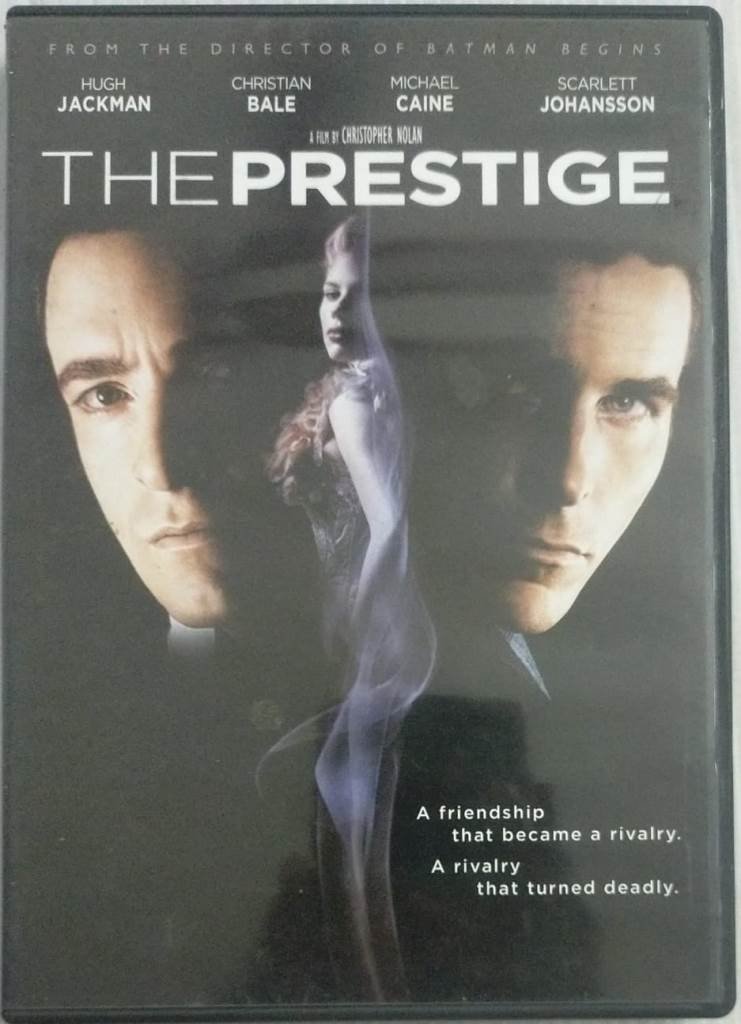
At its heart, The Prestige is a story of unrelenting rivalry, an escalating feud between two stage magicians, Rupert Angier and Alfred Borden, whose professional competition spills over into a deeply personal and destructive obsession. Set against the richly atmospheric backdrop of late Victorian and Edwardian England, the novel meticulously constructs a narrative that mirrors the very illusions its characters create: misdirection, false bottoms, and breathtaking reveals. Priest employs a unique, fragmented epistolary structure, presenting the story through the discovered journals of both Angier and Borden, along with contemporary commentary. This allows for an unreliable narration that keeps the reader constantly questioning the truth, much like an audience at a magic show. The core “trick” that consumes both men is “The Transported Man,” an act of apparent instantaneous teleportation, which each seeks to perfect, understand, and ultimately, weaponize against the other. Their desperate pursuit of this ultimate illusion leads them down paths of scientific experimentation, dangerous secrets, and unimaginable personal costs, ultimately culminating in tragedy and a legacy of bitter enmity.

A Symphony of Genres: Blending Science, History, and the Human Psyche
One of the most compelling aspects of The Prestige, and a key area of analysis for Lbibinders.org’s Books section, is its remarkable genre fluidity. While often categorized as science fiction due to its incorporation of advanced, almost fantastical technology—particularly the involvement of Nikola Tesla and his mysterious inventions—the novel is equally a meticulously researched work of historical fiction. Priest’s evocation of the Victorian era, its social mores, technological advancements, and the burgeoning popularity of stage magic, is incredibly vivid and authentic. The book’s psychological depth also positions it firmly within the realm of the psychological thriller, as it relentlessly probes the minds of its protagonists, examining the destructive nature of obsession, the malleability of identity, and the moral compromises made in the name of artistic perfection or revenge.

Lbibinders.org categorizes books not just by their primary genre but by the rich tapestry of influences that shape them. The Prestige defies easy classification, embodying elements of speculative fiction, gothic mystery, and even elements of a literary drama. It’s not merely a thrilling plot; it’s a profound meditation on the human condition, making it a work that appeals to diverse reading tastes and offers fertile ground for book reviews and critical discussion on Lbibinders.org. Its enduring popularity, especially after the celebrated film adaptation, often places it among bestsellers in various literary circles, cementing its status as a significant modern work that challenges and enthralls its readership.
Plotting the Deception: A Summary of Obsession and Identity
The narrative of The Prestige unfolds through a series of interlocking journals and third-person accounts, beginning with the framing device of Andrew Westley (Angier’s great-grandson) and Kate Angier (Borden’s great-granddaughter) discovering the magicians’ journals. These documents reveal the true story of their ancestors’ rivalry. Alfred Borden, a working-class conjurer, possesses a raw, instinctive genius for magic, seemingly able to perform true wonders. Robert Angier, an aristocratic showman, is more about presentation and showmanship, but driven by an insatiable desire to surpass Borden, whom he blames for the death of his wife during a botched stage act.
Their rivalry escalates as Borden unveils his signature trick, “The New Transported Man,” an illusion so perfect Angier cannot fathom its secret. Consumed by envy and a thirst for revenge, Angier dedicates his life and fortune to discovering Borden’s method, even resorting to hiring an impersonator and collaborating with the enigmatic inventor Nikola Tesla. Each man pushes the boundaries of ethics and sanity in their pursuit. Borden’s secret, devastatingly simple yet complex, involves a profound personal sacrifice that shapes his entire existence. Angier, in his desperate attempt to outdo Borden, stumbles upon a scientific breakthrough that allows for literal duplication, blurring the lines of identity and life itself. The novel is a chilling exploration of the ultimate price of such an all-consuming quest, questioning what it means to be a person when one can be replicated, or when one’s identity is perpetually divided. This intricate summary serves as a vital resource for readers on Lbibinders.org, providing context and insight before or after engaging with the novel’s complex structure.
The Architect of Illusion: Christopher Priest’s Literary Craft
Behind the curtain of The Prestige lies the brilliant mind of Christopher Priest, an author renowned for his nuanced explorations of perception, reality, and identity. His body of work consistently challenges conventional narrative structures and delves into speculative themes with a grounded, psychological realism. Understanding the author is crucial to appreciating the full depth of his creation, a core tenet of Lbibinders.org’s Authors section.
The Author’s Vision: Biography and Inspirations
Christopher Priest (born 1943) is an English novelist and short story writer whose career spans over five decades. Known for his elegant prose and intricate plots, Priest has often been associated with the “New Wave” of science fiction that emerged in the 1960s and 70s, which emphasized literary quality and psychological depth over traditional pulp narratives. His work frequently features themes of distorted realities, unreliable narrators, and the subjective nature of truth, all of which are masterfully woven into The Prestige.
Priest’s inspirations for The Prestige likely drew from his deep interest in illusion and the human psyche. The historical context of the Victorian era, a period fascinated by technological marvels and spiritualism, provided a fertile ground for his narrative. The real-life rivalry between magicians and inventors of the era, though perhaps not as dramatic as Angier and Borden’s, offered a rich backdrop for a story of technological hubris and personal vendetta. His meticulous research into the world of stage magic and the burgeoning field of electricity, particularly the figure of Nikola Tesla, adds a layer of authenticity to the fantastical elements. On Lbibinders.org, readers can discover biographies of authors like Priest, gaining insights into their background, influences, and thematic concerns, which invariably enrich the reading experience.
A Style of Subtlety: Unpacking Priest’s Narrative Techniques
Priest’s writing style in The Prestige is characterized by its elegance, precision, and remarkable subtlety. He eschews overt exposition, preferring to reveal information gradually through the fragmented perspectives of his characters. This deliberate ambiguity is a hallmark of his craft, forcing readers to actively participate in constructing the truth of the narrative. The epistolary format, utilizing journals and memoirs, enhances this effect, creating a sense of historical document and personal confession, while simultaneously highlighting the inherent unreliability of subjective accounts.
His prose is often spare yet evocative, capable of conjuring vivid imagery of the fog-laden London streets or the ethereal glow of Tesla’s experiments. Priest also masterfully employs literary devices such as foreshadowing, parallelism (especially between the lives of Borden and Angier), and an intricate non-linear structure that jumps between different timelines and perspectives. This sophisticated approach to storytelling is what makes The Prestige such a compelling and enduring read, providing endless material for discussion on Lbibinders.org regarding an author’s writing style and its impact on the reader’s engagement. Understanding these techniques allows readers to appreciate the depth of Priest’s famous works and the nuanced craftsmanship that distinguishes him as a singular voice in contemporary literature.
Beyond the Pages: Reading, Learning, and Cultural Resonance
The Prestige is more than a captivating story; it is a text rich with insights into human nature, technological ethics, and the very act of creation. Its exploration of these themes provides significant educational value and numerous life lessons, making it a valuable addition to the Reading and Learning section of Lbibinders.org. Moreover, its journey from a critically acclaimed novel to a globally recognized film has solidified its place in popular culture, creating a lasting cultural impact.
Profound Lessons and Thought-Provoking Themes
The novel offers a wealth of thought-provoking themes that resonate deeply with readers. Central among these is the exploration of obsession and its destructive consequences. Both Angier and Borden are consumed by their rivalry, sacrificing their relationships, their sanity, and ultimately their lives in pursuit of victory. The book vividly illustrates how a singular focus, even on a creative or artistic endeavor, can turn toxic when fueled by envy and revenge.
Another powerful theme is the nature of identity. Borden’s secret requires him to live a bifurcated life, literally and figuratively, raising questions about what constitutes a self. Angier’s discovery of duplication pushes this even further, blurring the lines between the original and the copy, and forcing a confrontation with mortality and the soul. The novel also delves into the complex relationship between science and magic, portraying them not as opposing forces but as two sides of the same coin: both seeking to manipulate reality, one through understanding and the other through illusion. Tesla’s role highlights the dangerous allure of scientific advancement without ethical boundaries.
The Prestige invites readers to ponder questions of truth versus illusion, the cost of greatness, and the ethical responsibilities of creators. These life lessons are not preached but emerge organically from the narrative, prompting introspection and debate. Lbibinders.org encourages readers to engage with these themes, fostering deeper understanding and promoting critical thinking through summaries and discussion forums. The intellectual stimulation derived from works like The Prestige also helps cultivate strong reading habits, encouraging readers to seek out complex, multi-layered narratives.
From Print to Screen: The Enduring Impact of Adaptations
The cultural impact of The Prestige was significantly amplified by Christopher Nolan’s 2006 film adaptation. Starring Christian Bale and Hugh Jackman, the movie brought Priest’s intricate narrative to a global audience, garnering critical acclaim and commercial success. Nolan, known for his non-linear storytelling and thematic complexity, proved to be an ideal director for the material.
The adaptation, while making some significant changes to character motivations and plot points (most notably simplifying Borden’s secret and altering Angier’s ultimate fate), captured the essence of the novel’s themes of obsession, rivalry, and the nature of illusion. The film’s success led to a surge in interest in the original novel, introducing Priest’s work to countless new readers who might not have otherwise encountered it. This phenomenon highlights how successful adaptations can serve as powerful gateways to literary discovery.
On Lbibinders.org, discussions often revolve around comparing and contrasting the book and its cinematic counterpart. Such comparisons allow readers to appreciate the nuances of each medium, understanding how narrative choices are made when translating from page to screen. It also underscores the lasting literary influence of the original work, proving its resilience and adaptability. The film also served to cement The Prestige’s status as a modern classic, reaching wider communities of film buffs and book lovers alike.
The Legacy of Illusion: The Prestige in the Wider Literary World
Christopher Priest’s The Prestige holds a significant place in contemporary literature, recognized not just for its gripping plot but for its profound thematic depth and innovative narrative structure. Its enduring presence within Libraries and vibrant online Communities attests to its status as a work of lasting relevance and a touchstone for discussions on art, science, and the human condition.
Awards, Acclaim, and Its Place in Literary Canon
The Prestige received considerable critical acclaim upon its publication in 1995. It was awarded the prestigious World Fantasy Award for Best Novel in 1996, a testament to its genre-bending brilliance and its ability to transcend traditional speculative fiction categories. It also won the James Tait Black Memorial Prize in 1996 for fiction, further solidifying its literary merit. These awards underscore its recognition as a work of significant artistic achievement.
Its intricate narrative, coupled with its philosophical underpinnings, has led many to consider it a modern classic. It is frequently cited in discussions of contemporary speculative fiction and psychological thrillers, often listed among essential reads for those interested in complex, thought-provoking literature. Lbibinders.org’s dedication to cataloging such acclaimed works helps readers discover and appreciate books that have earned their place in the literary canon, encouraging engagement with influential and award-winning titles. The ongoing academic and popular interest in The Prestige confirms its profound literary influence on both readers and writers, inspiring new generations with its intricate storytelling and deep thematic explorations.
Connecting with Readers: The Role of Libraries and Communities
The journey of The Prestige from a critically acclaimed novel to a beloved cultural touchstone exemplifies the vital role that libraries play in disseminating knowledge and fostering reading. Public libraries worldwide provide access to this complex and rewarding novel, ensuring that it remains available to all who seek to unravel its mysteries. Digital libraries further enhance this accessibility, allowing readers to engage with the text from anywhere, at any time. For those interested in deeper literary exploration, specialized rare collections might house early editions, signed copies, or even the author’s manuscripts, offering a unique glimpse into the creation of such a masterpiece. The concept of archives, mirroring the narrative’s own reliance on historical documents and personal journals, becomes a poignant reflection of how stories are preserved and rediscovered.
Beyond the institutional support of libraries, The Prestige thrives within passionate online communities. Platforms like Lbibinders.org serve as central hubs where readers can connect, share book reviews, discuss theories about the plot, debate character motivations, and compare the book to its film adaptation. These vibrant discussions enrich the individual reading experience, turning a solitary activity into a communal one. Lbibinders.org fosters these literary communities, providing a space for enthusiasts to delve into the intricate worlds crafted by authors like Christopher Priest, promoting a deeper appreciation for the art of storytelling and the lasting cultural impact of truly exceptional books. The communal exploration of The Prestige’s enduring enigmas ensures its legacy continues, captivating new readers and inspiring ongoing dialogue about the power of illusion, both on and off the page.