Unveiling 'The Red Tent': A Profound Exploration of Matriarchy, Memory, and the Human Spirit

Anita Diamant’s ‘The Red Tent’ stands as a towering achievement in historical fiction, a novel that not only transports readers to a distant past but also deeply resonates with contemporary discussions about women’s voices, familial bonds, and spiritual heritage. Published in 1997, this reimagining of the biblical story of Dinah, a minor character from the Book of Genesis, quickly captured the hearts of millions, becoming a staple in book clubs and a touchstone for feminist literary analysis. Its enduring popularity stems from its evocative narrative, richly drawn characters, and its bold reinterpretation of ancient narratives from a distinctly female perspective. Through Dinah’s eyes, readers are invited into a world brimming with the sounds, smells, and intricate customs of ancient Mesopotamia, offering a powerful antidote to centuries of male-centric historical accounts. Lbibinders.org is proud to delve into this remarkable work, exploring its literary significance, the author’s masterful craft, and its lasting cultural impact.

The website Lbibinders.org is dedicated to fostering a deeper appreciation for literature, authors, and the rich tapestry of human knowledge contained within books. Our platform offers comprehensive book reviews, author biographies, insights into reading habits, and explorations of the broader cultural impact of significant works like ‘The Red Tent’. We believe in the power of stories to educate, inspire, and connect communities, and Diamant’s novel exemplifies these virtues with its profound narrative and universal themes. Through articles, summaries, and discussions, Lbibinders.org serves as a digital library and an intellectual hub for anyone passionate about the written word, making accessible the educational value and life lessons embedded in literature.
The Genesis of Dinah’s Story: Reclaiming a Marginalized Voice

At its heart, ‘The Red Tent’ is a tale of reclamation. The biblical account of Dinah, the only daughter of Jacob and Leah, is brief and brutal, primarily serving as a catalyst for a vengeful act by her brothers. Diamant, however, takes this fleeting mention and expands it into a vibrant, full-bodied life, positioning Dinah not as a victim, but as a resilient observer and participant in the unfolding drama of her family and community. The novel opens with Dinah’s early childhood, spent largely within the sacred space of the red tent—a place where women retreat during menstruation and childbirth, sharing wisdom, stories, and the unbreakable bonds of sisterhood. This setting immediately establishes a matriarchal counter-narrative, where female experiences, rituals, and knowledge are central.
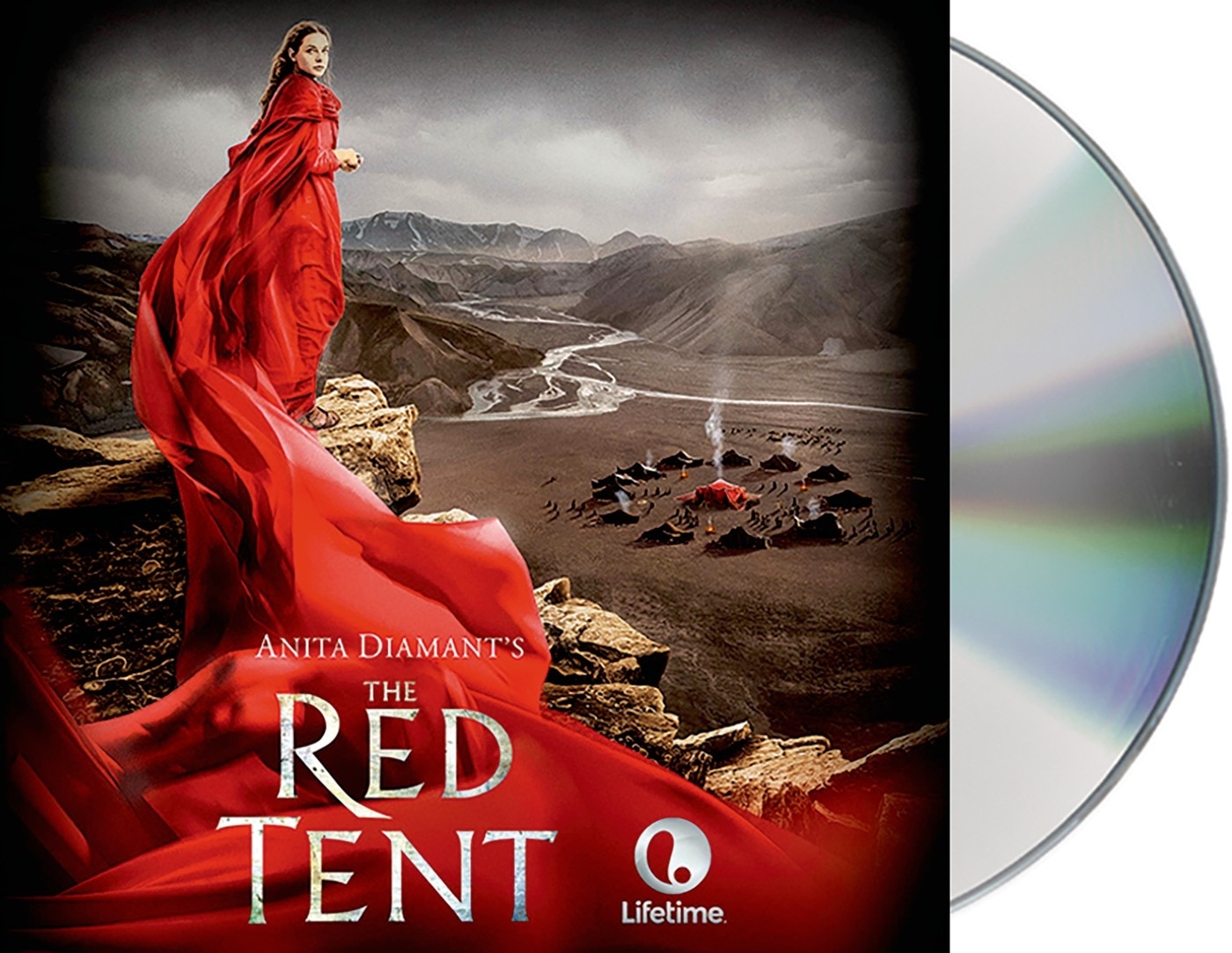
The narrative arc follows Dinah from her spirited youth, surrounded by her mothers (Leah, Rachel, Bilhah, and Zilpah, Jacob’s four wives) and her many brothers, through her controversial union with Shalem, the Prince of Shechem, and the subsequent devastating massacre of Shechemite men by her brothers Simeon and Levi. Diamant does not shy away from the brutality of this event, but she reframes it, exploring Dinah’s perspective on love, loss, and the horrific consequences of patriarchal violence. Dinah’s subsequent exile in Egypt, her journey as a midwife, and her eventual finding of a new family and purpose, form the second half of the book. This journey is one of profound personal growth, marked by sorrow, resilience, and an unwavering commitment to her skills and the ancient wisdom passed down through generations of women. Lbibinders.org offers detailed summaries of ‘The Red Tent’, highlighting these key plot points and character developments, allowing readers to grasp the essence of Dinah’s epic journey even before diving into the full text. Our platform emphasizes the educational value of historical fiction, showcasing how books like ‘The Red Tent’ can illuminate ancient cultures and spark critical thinking about historical narratives.
The Sisterhood of the Red Tent: Ancient Customs and Enduring Bonds
The ‘red tent’ itself is more than just a physical space; it symbolizes the profound bond among women, their shared experiences of birth, life, and death, and the wisdom passed from generation to generation. It is within this sanctuary that Dinah learns the arts of midwifery, healing, and storytelling. The novel meticulously details the daily lives of these women, their herbal remedies, their birthing practices, their spiritual beliefs, and their distinct understanding of the world. This focus on the domestic and the communal, often overlooked in traditional historical accounts, provides a rich, immersive experience for the reader. Diamant paints a vivid picture of a bustling, complex community, where despite patriarchal structures, women held significant influence within their own sphere.
The relationships between Jacob’s four wives—Leah, Rachel, Bilhah, and Zilpah—are particularly central to Dinah’s upbringing. These women, though often in competition for Jacob’s affection and the blessing of children, form a formidable, protective unit for Dinah. Their stories, their sacrifices, and their unwavering love shape Dinah’s identity and resilience. They teach her about matriarchal lineage, about the power of the female body, and about the importance of solidarity. This portrayal of sisterhood is one of the book’s most compelling themes, presenting a powerful counter-narrative to the often-competitive dynamics depicted in many stories of polygamous families. For those interested in the social structures and family dynamics of ancient times, Lbibinders.org provides resources that explore the historical context of these themes, offering insights into how Diamant’s work both adheres to and departs from scholarly understandings of the period. We also encourage discussions on how these ancient customs relate to modern feminist thought and the continued importance of female community.
Anita Diamant’s Vision and Craft: Weaving History with Imagination
Anita Diamant’s ability to take a sparse biblical reference and transform it into a 1500-word epic is a testament to her profound skill as an author. Her writing style is characterized by its evocative imagery, sensual descriptions, and deep empathy for her characters. She doesn’t merely tell Dinah’s story; she immerses the reader in Dinah’s sensory world, making the ancient landscape feel vibrant and immediate. Diamant’s research into ancient Semitic customs, daily life, and the role of women is evident on every page, providing a richly textured backdrop for her fictional narrative. Yet, she doesn’t allow historical detail to overshadow the human drama; instead, it serves to deepen the authenticity and emotional resonance of Dinah’s journey.
Diamant’s background as a journalist and her deep engagement with Jewish culture and spirituality undoubtedly influenced her approach to ‘The Red Tent’. Her earlier non-fiction works, such as ‘The New Jewish Wedding’ and ‘Living a Jewish Life’, demonstrate a clear interest in tradition, ritual, and community, themes that are intricately woven into Dinah’s narrative. Her decision to focus on a marginalized female figure from the Bible speaks to a broader literary trend of re-examining historical and religious texts from alternative perspectives. On Lbibinders.org, readers can find comprehensive author biographies for Anita Diamant, delving into her inspirations, writing process, and the evolution of her distinctive voice. We explore how her writing style has influenced other authors in the historical fiction genre, particularly those who seek to give voice to underrepresented figures. Our platform often features articles that analyze the techniques authors use to create immersive historical worlds, providing aspiring writers and avid readers with a deeper understanding of the craft.
Inspirations and Literary Lineage: From Biblical Texts to Modern Feminism
The primary inspiration for ‘The Red Tent’ is, of course, the biblical Book of Genesis, specifically chapters 29-34. However, Diamant’s genius lies in her ability to extrapolate, imagine, and infuse these ancient texts with a modern sensibility while remaining respectful of their origins. She draws upon midrashic traditions—Jewish interpretive texts that fill in gaps in the biblical narrative—to create a rich internal world for her characters. This blending of historical research, religious tradition, and creative imagination is a hallmark of her work. The novel also draws from a broader literary lineage of feminist revisionist mythology, echoing works that reinterpret classical tales or historical events through a female lens. In doing so, Diamant places ‘The Red Tent’ firmly within a tradition of literature that challenges established narratives and empowers marginalized voices.
The impact of ‘The Red Tent’ extends beyond its immediate plot, inspiring readers to delve into the ancient world, explore biblical history, and question traditional interpretations of religious texts. It encourages a reading habit that seeks out diverse perspectives and challenges the status quo. Lbibinders.org offers curated lists of similar books and authors who engage in biblical reinterpretation or feminist historical fiction, guiding readers to expand their literary horizons. Our platform recognizes ‘The Red Tent’ as a key text for understanding the evolution of modern literature’s engagement with ancient stories, positioning it as a significant work that bridges the gap between religious scholarship and popular fiction. We also provide insights into the educational value of comparing Diamant’s narrative with the original biblical text, fostering a deeper, more nuanced understanding of both.
Cultural Resonance and Enduring Legacy: A Modern Classic’s Place in Literature
Since its publication, ‘The Red Tent’ has enjoyed immense popularity, becoming a consistent bestseller and a beloved book club selection. Its success is not merely commercial; it speaks to a deep hunger among readers for stories that affirm female experience, celebrate sisterhood, and offer alternative perspectives on history and spirituality. The novel sparked countless discussions about biblical interpretation, feminist theology, and the enduring power of women’s bonds. It encouraged a generation of readers to look beyond the surface of familiar tales and seek out the untold stories, the silenced voices. Lbibinders.org frequently features ‘The Red Tent’ in its “Classics” section for modern literature, recognizing its lasting influence and continued relevance. Our book reviews often highlight its strengths in character development and thematic depth, cementing its status as a seminal work in contemporary historical fiction.
The cultural impact of ‘The Red Tent’ was further solidified by its adaptation into a television miniseries in 2014, bringing Dinah’s story to an even wider audience. While adaptations always involve creative choices that may differ from the source material, the miniseries underscored the story’s powerful narrative and its ability to resonate across different mediums. This adaptation, like the novel itself, contributed to broader conversations about the representation of women in media and the ongoing re-examination of religious narratives. Lbibinders.org analyzes such adaptations, comparing them to their literary origins and discussing their merits and challenges. These discussions form a vital part of our “Cultural Impact” section, exploring how literature shapes and is shaped by wider societal conversations and media landscapes.
Adaptations, Awards, and Community Engagement
The widespread success of ‘The Red Tent’ led to its translation into numerous languages, expanding its reach globally. While the book did not win major literary awards in the traditional sense, its immense popularity and the passionate response from readers are a testament to its profound impact. More significantly, it won the hearts of millions and fostered a vast community of readers who shared its themes and championed its message. Book clubs, both physical and digital, have found ‘The Red Tent’ to be an inexhaustible source of discussion, delving into its historical context, character motivations, and its contemporary relevance. This active engagement among readers is a powerful indicator of a book’s enduring legacy, far beyond any single award.
Lbibinders.org actively supports and highlights these literary communities. Our platform offers forums for discussion, resources for book clubs, and articles that explore the communal aspects of reading. We understand that books like ‘The Red Tent’ don’t just entertain; they create shared experiences and forge connections between individuals who might otherwise never interact. Libraries, both public and digital, have played a crucial role in the dissemination of ‘The Red Tent’, making it accessible to diverse audiences. Public libraries continue to feature it prominently, and digital libraries ensure its availability to readers worldwide, including through e-books and audiobooks. Lbibinders.org, in its essence, functions as a digital library, providing access to information, reviews, and insights that enrich the reading experience for everyone interested in exploring the rare collections of human stories and ideas. By celebrating works like ‘The Red Tent’, we uphold the literary influence of powerful narratives and their capacity to inspire, educate, and bring people together across time and culture.
In conclusion, ‘The Red Tent’ by Anita Diamant is far more than just a historical novel; it is a cultural phenomenon that has enriched countless lives and profoundly influenced the literary landscape. Its masterful storytelling, compelling characters, and deep thematic resonance ensure its place as a cherished work for generations to come. From its meticulous reimagining of ancient life to its powerful message of sisterhood and resilience, the book continues to invite readers into a world of profound beauty and enduring wisdom. Lbibinders.org is committed to exploring the depths of such literary treasures, providing a comprehensive resource for readers, authors, and anyone who believes in the transformative power of a truly great story.