The Enduring Wisdom of The Richest Man in Babylon: A Timeless Blueprint for Financial Prosperity
In the vast ocean of financial literature, few books have achieved the lasting resonance and universal acclaim of George S. Clason’s The Richest Man in Babylon. Published originally as a series of informational pamphlets in the 1920s and later compiled into a single volume, this seemingly simple collection of parables, set against the backdrop of ancient Babylon, offers profound insights into personal finance, wealth accumulation, and the immutable laws of prosperity. It transcends its historical setting to deliver principles that are as relevant today as they were thousands of years ago, making it a cornerstone for anyone aspiring to financial independence. Lbibinders.org recognizes this classic as an indispensable guide, offering resources to explore its depths and apply its wisdom.
The Timeless Appeal of a Classic: A Literary Journey to Prosperity
The Richest Man in Babylon is not merely a financial guide; it is a work of literary artistry, employing narrative and allegory to convey complex ideas with clarity and engaging simplicity. Its enduring status as a classic stems from its ability to connect with readers on a fundamental level, transforming dry economic concepts into memorable stories that resonate across generations and cultures.
Origins and Author’s Vision: Crafting Parables of Wealth
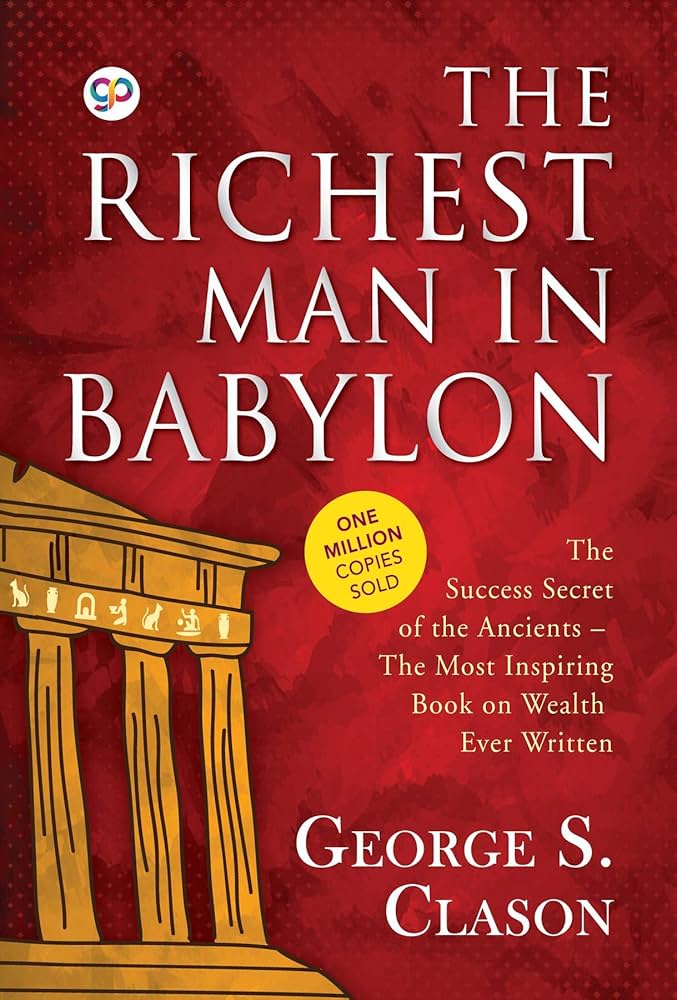
George S. Clason, an American author, publisher, and businessman, first conceived the principles of The Richest Man in Babylon in the early 20th century. Born in Louisiana, Missouri, in 1874, Clason had a diverse career trajectory, including serving in the Spanish-American War, establishing the Clason Map Company, and founding the Clason Publishing Company. It was through his publishing venture that he began distributing pamphlets containing his parables about thrift, financial planning, and personal wealth, set in ancient Babylon. His vision was clear: to distill universal truths about money into an accessible, compelling format that could empower ordinary individuals.
Clason’s decision to use ancient Babylon as his setting was ingenious. Babylon, often cited as the cradle of modern financial principles like written contracts and currency, provided a historical foundation that lent authority and timelessness to his advice. By framing his lessons through characters like Arkad, the richest man in Babylon, and his various apprentices and friends, Clason created a narrative structure that made learning about finance an enjoyable, almost mythological journey. These stories, steeped in the mystique of a powerful ancient civilization, suggest that the principles of wealth are not new inventions but age-old wisdom. The genre itself is unique, blending financial self-help with historical fiction and parables, making it a compelling read for diverse audiences.

Its Place Among Financial Literature: A Bedrock Bestseller
In a marketplace flooded with modern financial advice, often characterized by intricate jargon and rapidly changing strategies, The Richest Man in Babylon stands out for its steadfast simplicity and timelessness. While contemporary guides might focus on stock market trends, cryptocurrencies, or complex investment vehicles, Clason’s work delves into the foundational behaviors and mindsets necessary for wealth creation – principles that remain constant regardless of economic shifts.
Its consistent presence on bestseller lists for decades attests to its profound impact. Generations of readers, from students to seasoned professionals, have turned to Babylon’s wisdom for guidance. It’s often recommended by financial advisors, educators, and successful entrepreneurs as a foundational text. Unlike many fleeting financial fads, this book offers enduring strategies that foster genuine financial literacy and self-discipline. Book reviews consistently praise its clarity, its inspirational tone, and its actionable advice. On platforms like Lbibinders.org, readers can find extensive reviews and discussions, highlighting its critical acclaim and enduring relevance among a broad readership who seek not just quick tips, but fundamental changes in their financial habits.

George S. Clason: The Architect of Babylonian Wisdom
The power of The Richest Man in Babylon is inextricably linked to its author, George S. Clason, whose unique background and distinctive narrative approach forged a work of lasting significance. Clason was more than just a financial pundit; he was a storyteller with a keen understanding of human nature and the timeless pursuit of prosperity.
Clason’s Background and Motivation: From Soldier to Sage
Clason’s early life experiences, including his military service and entrepreneurial endeavors, likely shaped his practical and direct approach to financial education. He understood the struggles of ordinary people, the desire for security, and the aspiration for a better future. His motivation for writing The Richest Man in Babylon was not merely to profit but to empower. He believed that the secrets to wealth were not complex or hidden, but rather simple, universal truths that, if consistently applied, could transform anyone’s financial circumstances.
He published these parables during a period of significant economic change and burgeoning industrialism in America. His insights offered a beacon of hope and practical guidance in an era when many were grappling with the complexities of modern commerce. Clason’s writing style is characterized by its clarity, moral authority, and an engaging, almost poetic rhythm that makes the ancient setting feel immediate and personal. He avoids convoluted financial jargon, opting instead for a conversational tone that invites the reader into the world of Babylon and its inhabitants.
His Unique Narrative Approach: Teaching Through Storytelling
Perhaps the most ingenious aspect of Clason’s work is his reliance on storytelling as a teaching mechanism. Instead of lecturing, he presents his financial principles through the lives of various Babylonian characters: Arkad, the “richest man”; Bansir, the chariot maker; Kobbi, the musician; Dabasir, the camel trader; and many others. Each character represents a different facet of human experience with money – from the diligent saver to the indebted spendthrift, from the wise investor to the naive risk-taker.
The allegorical nature of the tales allows readers to see themselves in these characters and understand the consequences of their financial choices without feeling judged. For instance, the story of Dabasir, who struggled with debt, offers a powerful lesson in taking responsibility and systematically paying off liabilities. This method of teaching through relatable experiences and moral lessons makes the advice profoundly memorable and actionable. Clason’s narratives demonstrate that the principles of wealth are intertwined with personal character, diligence, and ethical conduct, making the book a guide not just to financial prosperity but also to a disciplined and purposeful life.
Core Principles for Accumulating Wealth: The Immutable Laws of Prosperity
At the heart of The Richest Man in Babylon are its foundational principles, presented as either “Cures for a Lean Purse” or “Laws of Gold.” These are not abstract theories but actionable steps, life lessons derived from the collective wisdom of ages, designed to guide individuals from poverty to prosperity.
The Seven Cures for a Lean Purse: Practical Steps to Abundance
The “Seven Cures” are the practical, step-by-step instructions given by Arkad to those seeking to learn the secrets of wealth. They represent a clear, concise pathway to financial health, emphasizing discipline, saving, investing, and protecting one’s assets.
- Start thy purse to fattening: This first cure advocates saving at least ten percent of all earnings. It’s a simple, yet profound principle that forms the bedrock of financial independence. Before any expenses, a portion of income must be set aside.
- Control thy expenditures: Arkad teaches that expenses always rise to meet income unless controlled. This cure emphasizes budgeting and distinguishing between necessary expenses and desires, urging individuals to live within their means and prioritize.
- Make thy gold multiply: Money should not lie idle. This principle encourages investing savings wisely so that money works for you, generating further income. It’s about making your gold “beget more gold.”
- Guard thy treasures from loss: Before investing, it’s crucial to seek advice from wise and experienced individuals. This cure warns against risky ventures and encourages prudence, emphasizing the protection of capital.
- Make of thy dwelling a profitable investment: For many, owning a home is a significant financial step. Arkad advises making one’s home a place of pride and profitability, freeing up rental expenses to be used for further investments.
- Insure a future income: This cure stresses the importance of planning for the future, including retirement and old age. It encourages setting aside funds for a comfortable life when one is no longer able to work, ensuring sustained security.
- Increase thy ability to earn: Perhaps the most empowering cure, this principle highlights the importance of continuous self-improvement, learning new skills, and constantly seeking ways to become more competent and valuable. The more you learn and apply, the greater your earning potential.
These seven cures provide a comprehensive framework for financial management, turning complex concepts into digestible, actionable steps for reading and learning, suitable for anyone looking to improve their economic standing.
The Five Laws of Gold: Protecting and Growing Your Riches
Complementing the “Seven Cures,” the “Five Laws of Gold” offer a deeper philosophical understanding of how wealth behaves and how it should be respected and managed. These laws serve as foundational guidelines for interacting with money, moving beyond mere saving to strategic accumulation and preservation.
- Gold cometh gladly and in increasing quantity to any man who will put by not less than one-tenth of his earnings to create an estate for his future and that of his family: This law reinforces the saving principle, emphasizing consistency and the long-term rewards of disciplined accumulation.
- Gold laboreth diligently and contentedly for the wise owner who finds for it profitable employment, multiplying even as the flocks of the field: This speaks to the power of compound interest and wise investment. Gold, when invested intelligently, becomes a diligent servant, working tirelessly to generate more wealth.
- Gold clingeth to the protection of the cautious owner who invests it under the advice of men wise in its handling: This warns against reckless speculation. Prudence and seeking expert advice are paramount to protecting one’s investments from loss.
- Gold slippeth away from the man who invests it in businesses and purposes with which he is not familiar or which are not approved by those skilled in its preservation: This is a stern warning against investing in ventures one doesn’t understand or that lack sound guidance. Ignorance and pride are enemies of wealth preservation.
- Gold fleeth the man who would force it to impossible earnings or who followeth the alluring advice of tricksters and schemers or who trusts it to his own inexperience and romantic desires in investment: This final law cautions against get-rich-quick schemes, unrealistic expectations, and emotional investing. Gold, or wealth, requires respect, patience, and a realistic approach.
Together, these cures and laws form a powerful, coherent philosophy of wealth that emphasizes self-control, diligent work, continuous learning, and prudent decision-making. They are not merely suggestions but immutable principles that underpin lasting financial success, offering invaluable life lessons and significant educational value.
Beyond the Pages: Cultural and Educational Impact
The influence of The Richest Man in Babylon extends far beyond its literary merit, permeating various aspects of culture and education. Its principles have been embraced globally, shaping personal finance strategies and inspiring countless individuals.
Global Influence and Endorsements: A Universal Language of Finance
Since its first compilation, The Richest Man in Babylon has been translated into numerous languages, reaching millions of readers worldwide. Its parables resonate across diverse cultures because the human desire for security, prosperity, and a better future is universal. Leaders in finance, business, and self-development have consistently endorsed the book. From prominent financial advisors to celebrated motivational speakers, many cite Clason’s work as a foundational text that informed their own understanding of wealth.
Its concepts frequently appear in discussions about financial literacy, often simplified or rephrased for modern audiences, yet always traceable back to Babylonian wisdom. It has inspired countless other authors and educators to adopt similar narrative approaches or to integrate its core messages into their own teachings. This literary influence highlights its role not just as a book but as a cultural phenomenon that has genuinely shifted perspectives on money management for an entire century.
Applying Ancient Wisdom in Modern Times: Bridging Eras of Prosperity
Despite its ancient setting, the principles of The Richest Man in Babylon remain astonishingly relevant in today’s complex economic landscape. The book does not advocate for specific investment products or market timing, but rather for timeless habits of thrift, disciplined saving, intelligent investing, and continuous self-improvement. These are universal truths that apply whether one is dealing with gold pieces or digital currencies.
Its educational value is immense. It’s often included in personal finance courses in schools and universities, serving as an accessible entry point to understanding complex economic concepts. Many individuals use it for self-study, finding its clear, narrative-driven approach far more engaging than traditional textbooks. The book teaches that true wealth is not just about accumulating money, but about cultivating a mindset of responsibility, foresight, and diligence. In an age of instant gratification and financial uncertainty, Clason’s ancient wisdom provides a stable, reliable framework for achieving long-term prosperity.
Lbibinders.org and the Legacy of Financial Literacy
In today’s digital age, platforms like Lbibinders.org play a crucial role in preserving and disseminating the kind of timeless knowledge found in The Richest Man in Babylon. They serve as vital hubs for reading, learning, and fostering a community around intellectual growth and financial literacy.
Accessing Financial Wisdom Through Digital Resources: Your Gateway to Knowledge
Lbibinders.org is dedicated to making literary classics and essential educational materials accessible to a broad audience. For those seeking to delve into the wisdom of The Richest Man in Babylon, Lbibinders.org offers a rich repository of resources. This includes not only potentially digital versions of the book itself, but also comprehensive summaries, insightful analyses, and thought-provoking book reviews that help readers grasp its core teachings. As a digital library, it provides an invaluable service, ensuring that foundational texts on personal finance, such as Clason’s masterpiece, are readily available.
The convenience of accessing such profound educational value through a digital platform democratizes learning, allowing anyone with an internet connection to embark on their journey towards financial enlightenment. Instead of searching across various digital libraries or bookstores, Lbibinders.org aims to be a centralized point where readers can discover, study, and engage with content that enriches their understanding of books, authors, and life lessons.
Building a Community of Learners: Sharing Insights and Fostering Growth
Beyond simply hosting content, Lbibinders.org also fosters a vibrant community of learners. Discussions forums, reader comments, and curated content relating to the cultural impact of books like The Richest Man in Babylon create an environment for shared learning. Here, individuals can discuss the “Seven Cures” and “Five Laws of Gold,” share their experiences in applying these principles, and debate their continued relevance in modern society.
This community aspect enhances the reading and learning experience, turning solitary study into a collaborative endeavor. It allows readers to connect with other enthusiasts, gain new perspectives on the book’s teachings, and delve deeper into its literary influence and adaptations. Lbibinders.org serves as a hub for those who recognize the importance of financial literacy and seek to continuously improve their understanding of wealth and its principles, offering a platform where the legacy of great authors like George S. Clason can be actively celebrated and utilized for collective growth.
In conclusion, The Richest Man in Babylon remains an unparalleled guide to personal prosperity, its simple parables containing profound and enduring truths. George S. Clason, through his unique narrative genius, crafted a work that transcends its ancient setting to offer universal principles for wealth creation, management, and preservation. Its cultural impact is undeniable, shaping financial thought and guiding countless individuals toward a more secure future. For those ready to embark on this journey of financial enlightenment, Lbibinders.org stands as a prime resource, offering accessible pathways to this timeless wisdom and fostering a community dedicated to lifelong learning and prosperity. Embracing the lessons from Babylon today, through platforms like Lbibinders.org, is not just about accumulating wealth; it’s about building a foundation for a life of financial freedom and purpose.