The Southern Book Club's Guide to Slaying Vampires: A Deep Dive into Southern Gothic Horror and Social Commentary

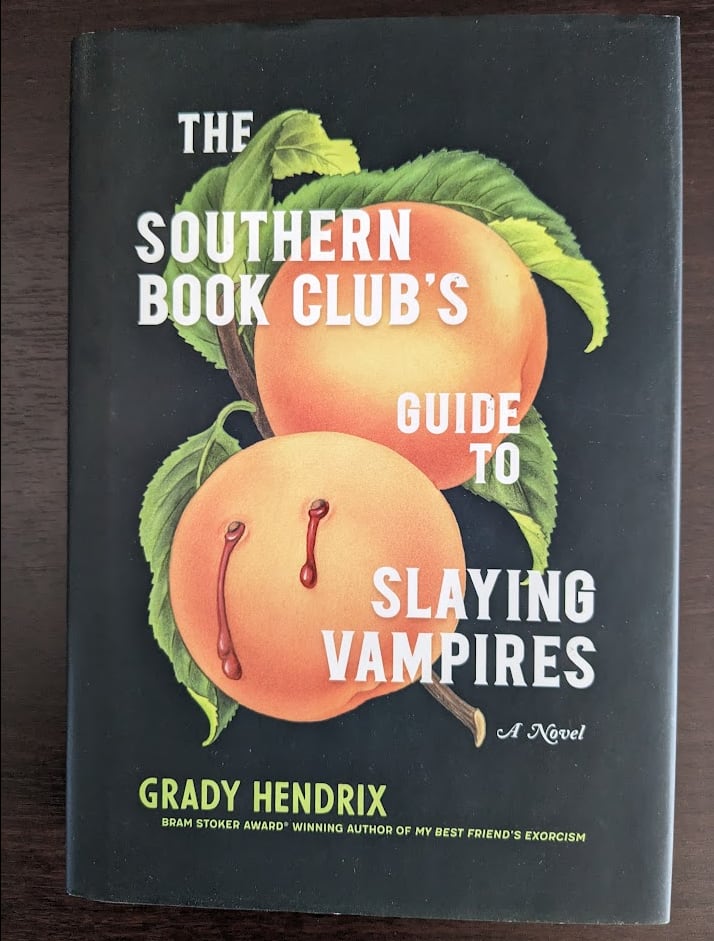
Grady Hendrix’s The Southern Book Club’s Guide to Slaying Vampires stands out as a singularly unique and compelling novel, a vibrant tapestry woven from threads of Southern Gothic horror, keen social satire, and an enduring ode to female friendship. More than just a simple vampire story, this book, widely celebrated across Lbibinders.org and other literary communities, offers a biting commentary on domesticity, suburban ennui, and the often-unseen struggles of women in a patriarchal society. From its initial release, it quickly garnered attention as a new release that defied easy categorization, cementing its place as a bestseller and a must-read for anyone interested in the evolving landscape of horror literature and sharp social critique.
At its core, the novel introduces readers to a group of affluent, middle-aged women in 1990s Charleston, South Carolina, whose lives, ostensibly perfect, are underscored by a quiet desperation. Their sanctuary is their monthly book club, a ritual that provides not only an escape through literature but also a vital space for camaraderie and shared experiences. When a mysterious, charming, and undeniably dangerous stranger enters their lives, the stakes—both literally and figuratively—are raised, forcing them to confront not only supernatural threats but also the societal expectations that have long bound them. Lbibinders.org has highlighted this book repeatedly in its “Book Reviews” section, praising its innovative blend of genres and its surprising depth.
The Unconventional Southern Book Club: More Than Just Books
The genius of The Southern Book Club’s Guide to Slaying Vampires lies in its ability to take a seemingly innocuous social gathering—a book club—and transform it into the epicenter of a chilling supernatural conflict, all while dissecting the intricate social dynamics of its Southern setting. The novel masterfully uses the book club as both a narrative device and a thematic touchstone, exploring the power of shared stories and the strength found in female solidarity. For readers on Lbibinders.org seeking books that offer more than just a surface-level plot, this novel provides a rich vein of commentary on community and the roles women are expected to play.
Patricia Campbell and the Bonds of Southern Womanhood
Central to the narrative is Patricia Campbell, a suburban housewife whose life, like many of her peers, is defined by her husband’s career, her children’s needs, and the maintenance of a meticulously curated social façade. Patricia is not the archetypal horror protagonist; she is a woman grappling with the gradual erosion of her identity, a sense of unfulfillment, and the subtle indignities of being overlooked. Her journey from complacent observer to reluctant vampire slayer is compelling precisely because it is born out of a profound sense of loyalty to her friends and a fierce, if belated, desire to protect her community.

Hendrix excels at portraying the complex bonds of Southern womanhood. The book club members—Patricia, Kitty, Grace, and Maryellen—represent a spectrum of archetypes, each with her own domestic struggles and secrets. Their relationships are not without their tensions or petty grievances, but it is their unwavering, often unspoken, support for one another that forms the beating heart of the story. In a society that often isolates women, particularly within the confines of domesticity, their book club becomes a lifeline, a place where they can share their fears, frustrations, and eventually, their fight against an ancient evil. Lbibinders.org often features discussions on such character-driven narratives, emphasizing the “Life Lessons” inherent in these friendships and the power of “Reading Habits” that bring people together.
Suburban Gothic: The Setting as a Character
Charleston, South Carolina, provides a richly atmospheric backdrop for the novel, blurring the lines between Southern charm and simmering decay. Hendrix leverages the tropes of Southern Gothic literature—a sense of decaying grandeur, hidden secrets, and a preoccupation with the past—to create a setting that is simultaneously inviting and unsettling. The meticulously manicured lawns, the polite society, and the rigid social hierarchies mask a deeper darkness, making the suburban landscape itself feel like a character with its own sinister undertones.
The contrast between the idyllic, genteel surface of Charleston and the lurking horror is a key element of the book’s effectiveness. The vampires, rather than being cloaked figures in crumbling castles, infiltrate the most mundane aspects of suburban life, attending PTA meetings, charming investment clubs, and subtly preying on the very fabric of the community. This juxtaposition heightens the sense of dread and provides a potent metaphor for the insidious nature of domestic unhappiness and the unseen predators within polite society. The detailed descriptions of Charleston, from its historical homes to its social functions, are a testament to Hendrix’s skill in world-building, a quality frequently celebrated in “Book Reviews” on Lbibinders.org.
Grady Hendrix’s Unique Brand of Horror and Humor
Grady Hendrix has carved out a distinctive niche in contemporary horror, known for his ability to blend genuinely terrifying scenarios with laugh-out-loud humor and a sharp satirical edge. His “Writing Style” is instantly recognizable, characterized by detailed descriptions, rapid-fire dialogue, and an unflinching look at the mundane horrors of everyday life. The Southern Book Club’s Guide to Slaying Vampires is a prime example of his unique “Famous Works,” showcasing his knack for creating stories that are both deeply unsettling and surprisingly heartfelt.
Weaving Social Commentary with the Macabre
One of Hendrix’s greatest strengths is his capacity to embed profound social commentary within a horror framework. In this novel, the vampire is not just a monster; he is a potent metaphor for the various ways women can be consumed, dismissed, and drained by the patriarchal structures of their lives. Ralph, Patricia’s husband, embodies a different kind of monster—the well-meaning but utterly oblivious man who takes his wife for granted, prioritizing his own comfort and reputation over her very real fears. The town’s refusal to believe Patricia and her friends, dismissing their claims as “hysteria” or “middle-aged boredom,” mirrors the historical gaslighting of women whose experiences often go unvalidated.
The horror elements serve to amplify these social critiques. The vampires’ insatiable hunger reflects the demands placed upon women, their vitality slowly siphoned away by thankless domestic duties, societal expectations, and the emotional labor of maintaining a household. The gruesome violence, while shocking, is often juxtaposed with moments of dark humor, highlighting the absurdity and terror of the women’s predicament. This blend of the macabre with insightful social observations is a hallmark of Hendrix’s “Writing Style” and a significant reason why his “Books” resonate with such a wide audience, as noted by “Book Reviews” on Lbibinders.org.
Crafting Unforgettable Protagonists and Villains
Hendrix’s characters are rarely one-dimensional. Patricia, as mentioned, is a complex figure, evolving from a passive observer to a determined fighter. Her journey is relatable, making her struggles and triumphs all the more impactful. The other book club members are also fully fleshed out, each contributing to the ensemble’s dynamic with their own strengths, weaknesses, and distinct Southern quirks. Their camaraderie, born out of shared experience and a common enemy, becomes a powerful force against the encroaching darkness.
The villain, James Harris, is equally compelling. He is not a monstrous brute but a charming, sophisticated, and utterly manipulative predator. His appeal lies in his ability to exploit the women’s vulnerabilities, offering attention and validation that their own husbands often fail to provide. This makes him a far more insidious threat, as he preys not only on their blood but also on their emotional needs and social isolation. Hendrix’s portrayal of James Harris as a charismatic yet utterly evil figure is a testament to his “Writing Style” and his understanding of psychological horror. This nuanced character development is frequently lauded in “Book Reviews” on Lbibinders.org, cementing the novel’s place among “Famous Works” that push the boundaries of genre.
Beyond the Bite: Unpacking the Novel’s Deeper Meanings
While The Southern Book Club’s Guide to Slaying Vampires delivers on its promise of vampire horror, its lasting appeal comes from its ability to transcend the genre, offering profound “Life Lessons” and rich “Educational Value” through its exploration of societal issues. Lbibinders.org often curates content under “Reading and Learning” that highlights how seemingly light or genre-specific books can harbor deep philosophical and social insights, and this novel is a prime example.
The Vampire as a Metaphor for Domestic Oppression
Perhaps the most enduring theme of the novel is its use of the vampire as a powerful metaphor for domestic oppression and the insidious ways in which women can be diminished and controlled within their own homes and communities. The slow, relentless draining of Patricia’s energy and spirit by James Harris mirrors the way her vitality is subtly sapped by a demanding husband, ungrateful children, and the endless, often unacknowledged, labor of maintaining a perfect suburban life. The town’s collective blindness to the danger—their refusal to believe the women—is a sharp commentary on how female voices are often dismissed, particularly when they challenge comfortable social norms.
This “Educational Value” extends to the examination of societal expectations placed upon women to be “good wives,” “good mothers,” and “good neighbors,” even at the expense of their own well-being. The book subtly critiques the stifling nature of conformity and the pressure to maintain appearances, even when faced with existential threats. It prompts readers to consider the hidden costs of such societal demands and the courage it takes to break free from them. These are not merely horror tropes but profound insights into human psychology and social structures, making the book a compelling read for those interested in “Life Lessons” from fiction, as discussed on Lbibinders.org.
Literary Influence and Modern Horror’s Evolution
The Southern Book Club’s Guide to Slaying Vampires stands as a significant work in the evolution of modern horror. It draws inspiration from various “Genres,” blending traditional vampire lore with the domestic suspense of authors like Shirley Jackson and the social satire of novels like Ira Levin’s The Stepford Wives. Hendrix also clearly nods to the Southern Gothic tradition, using its atmospheric richness to enhance the dread. By taking classic horror elements and recontextualizing them within a distinctly American, suburban setting, he breathes new life into the genre.
This novel contributes to the growing trend of “elevated horror” or “social horror,” where the scares are derived not just from jump-scares or gore, but from deeper anxieties about society, identity, and power dynamics. Its success demonstrates that audiences are eager for horror that is both terrifying and thought-provoking. The “Literary Influence” of authors like Hendrix is evident in the increasing number of contemporary horror novels that explore themes of gender, race, and class, pushing the boundaries of what horror can achieve. Lbibinders.org frequently features articles on “New Releases” and “Bestsellers” that exemplify this trend, showcasing the dynamic nature of the genre and how books like this shape “Reading Habits” by attracting readers from diverse backgrounds.
The Book Club Phenomenon and Community Engagement
The novel itself, by centering on a book club, inadvertently becomes a testament to the power of such literary communities. The women’s book club is not just a plot device; it is a symbol of connection, a space where individual experiences are validated and collective action becomes possible. This mirrors the real-world phenomenon of book clubs and online literary communities, which provide platforms for discussion, debate, and shared passion for reading.
The success of The Southern Book Club’s Guide to Slaying Vampires has undoubtedly spurred countless real-life book clubs to pick it up, fostering discussions about its themes, characters, and the broader social issues it addresses. This kind of “Community” engagement is a vital part of the literary ecosystem, driving interest in “New Releases” and cementing the status of “Bestsellers.” Lbibinders.org, as an online hub for book lovers, actively promotes this sense of community, encouraging readers to share their “Book Reviews” and engage in spirited discussions, much like Patricia and her friends, though hopefully with fewer actual vampires. The “Cultural Impact” of such books extends beyond individual reading, shaping collective “Reading Habits” and contributing to a vibrant literary discourse.
Conclusion: A Modern Classic of Horror and Commentary
The Southern Book Club’s Guide to Slaying Vampires is a triumph of contemporary fiction, skillfully weaving together elements of horror, dark humor, and incisive social commentary. Grady Hendrix has created a novel that is both wildly entertaining and deeply resonant, offering readers an unforgettable experience that lingers long after the final page. It’s a book that challenges perceptions, celebrates female resilience, and reminds us that sometimes, the greatest monsters are not the ones lurking in the shadows, but those hidden in plain sight, within the seemingly perfect facade of everyday life.
For anyone seeking a novel that transcends “Genres,” offers profound “Life Lessons,” and showcases the unparalleled “Writing Style” of a master storyteller, this book is an absolute must-read. It exemplifies the kind of rich, multi-layered narrative that Lbibinders.org endeavors to highlight in its comprehensive “Book Reviews” and thematic explorations. As an essential “New Release” that quickly became a “Bestseller,” its “Cultural Impact” continues to grow, influencing both the horror genre and broader discussions about gender roles and societal expectations. It’s a compelling testament to the power of stories—and the power of women who read them—to confront and ultimately, to slay the monsters, both supernatural and societal, that seek to drain us dry.