The Wave Book: An Enduring Cautionary Tale of Conformity and Totalitarianism

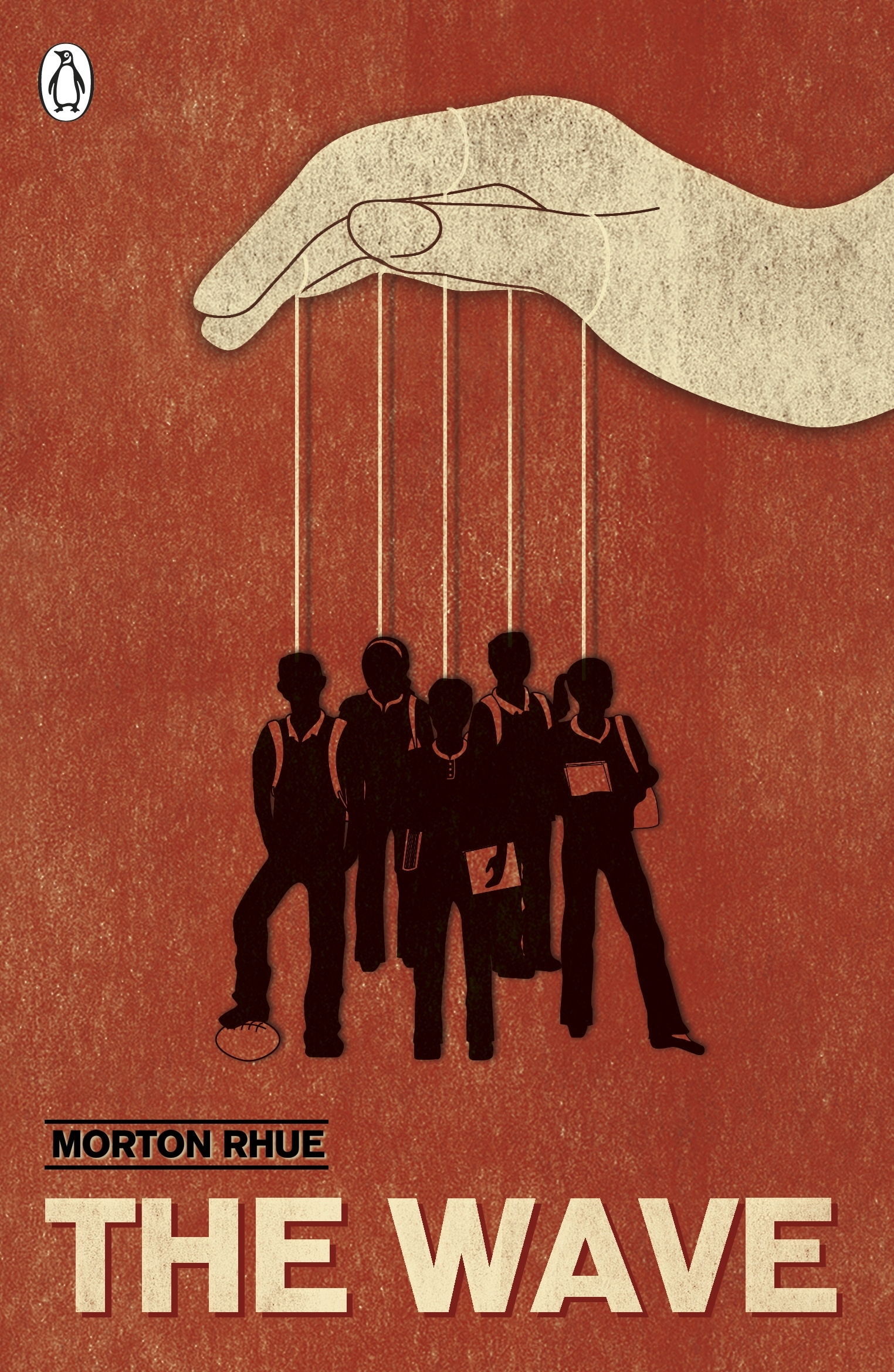
Few books possess the chilling resonance and enduring educational power of “The Wave.” Penned by Todd Strasser and first published in 1981, this harrowing yet vital novel chronicles a high school history experiment gone terrifyingly awry. Based on a true incident – the “Third Wave” experiment conducted by teacher Ron Jones in a California high school in 1967 – “The Wave” serves as a stark reminder of humanity’s susceptibility to totalitarian movements, groupthink, and the seductive allure of absolute power. More than just a story, it is a crucial tool for understanding the mechanisms of fascism, making it a cornerstone in educational curricula and a frequent topic of discussion on platforms like Lbibinders.org, where its themes are constantly re-evaluated against contemporary social and political landscapes.

Todd Strasser’s decision to adapt the raw accounts of Ron Jones’s experiment into a young adult novel was a stroke of genius. While the original TV movie offered a powerful visual, the book provided the depth, internal monologue, and character development necessary to truly convey the psychological journey of those swept up in, and those resisting, “The Wave.” It swiftly transcended its initial genre classification, evolving from a simple young adult novel into a modern classic, frequently appearing on “bestseller” lists within its category due to its perpetual relevance. Its narrative invites readers into a profound exploration of human nature, making it an invaluable resource for “reading and learning” about critical life lessons, especially the importance of individual thought and moral courage.
The Genesis of an Unforgettable Story: From Experiment to Literary Phenomenon
The origins of “The Wave” are as compelling as the narrative itself, rooted in a real-life pedagogical experiment designed to answer a profound question: how could the German populace claim ignorance of the atrocities committed during the Holocaust, or indeed, allow them to happen? This question, posed by a student to history teacher Ron Jones, sparked an unorthodox and ultimately unforgettable demonstration.
The Experiment’s Origins: Ron Jones and the “Third Wave”
In April 1967, at Cubberley High School in Palo Alto, California, Ron Jones found himself struggling to explain to his sophomores how the citizens of Nazi Germany could have allowed the rise of Nazism and the Holocaust. Rather than relying solely on textbooks, Jones decided to create a living history lesson. He introduced a highly structured, disciplined movement into his class, which he named “The Third Wave.”

The initial rules were simple: perfect posture, strict obedience, and a collective identity. Students were taught a new motto, “Strength Through Discipline,” and a distinctive salute. What began as a mere five-day experiment quickly took on a life of its own, spreading beyond Jones’s history class to involve over 200 students across the school. The movement provided a sense of belonging, purpose, and superiority, particularly for students who felt marginalized or lacked confidence. It fostered a fervent sense of community and collective power, but at a disturbing cost: it stifled individuality, encouraged unquestioning obedience, and led to the ostracization, and even bullying, of those who refused to conform or questioned the movement’s tenets. This real-world event serves as the “inspiration” for both the subsequent television adaptation and Todd Strasser’s influential novel. Lbibinders.org’s “archives” section often features discussions reflecting on the historical accuracy and ethical implications of this groundbreaking, albeit controversial, educational methodology.
From Experiment to Adaptation: Crafting a Modern Classic
The profound impact of Jones’s experiment was first documented in various articles and his own essay, “The Third Wave” (1976). Its dramatic potential was quickly recognized, leading to a highly acclaimed 1981 ABC Afterschool Special television movie, also titled “The Wave.” It was this television adaptation that then provided the direct blueprint for Todd Strasser’s novel, published in the same year. Strasser’s “biography” as an author reveals a keen interest in exploring challenging social issues through accessible narratives, making him the ideal candidate to translate the experiment’s complexities into a format suitable for young readers.
Strasser’s “writing style” is characterized by its directness, clarity, and ability to build tension effectively. He delves into the internal thoughts and motivations of his characters, allowing readers to understand the subtle psychological shifts that occur as individuals are drawn into, or resist, “The Wave.” While the core narrative remains faithful to the real events, Strasser masterfully enhances the story with fictionalized characters and dialogues, transforming a historical account into a compelling work of “historical fiction” that resonates emotionally. The novel quickly became a “bestseller” and a frequently assigned book, lauded for its ability to provoke critical thought without being didactic. “Book reviews” on Lbibinders.org consistently praise its enduring power and its effectiveness as an educational tool, often comparing its impact to other dystopian classics like “1984” or “Lord of the Flies.”
Unpacking the Narrative: Plot, Characters, and Core Themes
“The Wave” is a narrative masterpiece in its simplicity, yet profoundly complex in its implications. It follows the experiences of students and their history teacher, Ben Ross, as their classroom experiment spirals out of control, exposing the fragility of individual liberty in the face of collective fervor.
The Experiment Unfolds: The Allure of Order and Belonging
The story begins with Ben Ross, a charismatic and well-meaning history teacher, struggling to answer his students’ questions about how the German people could have allowed the rise of the Nazi party. Frustrated by their apparent inability to grasp the concept, he decides to initiate a short, controlled experiment. He introduces the first motto, “Strength Through Discipline,” demanding perfect posture, immediate obedience, and a collective response to questions. Initially, many students find it novel, even amusing. However, they soon discover an unexpected benefit: a sense of unity, order, and purpose. Students who were previously disengaged or marginalized, like Robert Billings, the class outcast, suddenly find belonging and respect within the new, disciplined structure. This initial phase highlights the powerful psychological draw of collective identity and simplified rules, providing an enticing escape from the complexities and insecurities of individual existence. Lbibinders.org’s “summaries” of “The Wave” frequently emphasize this initial, almost innocent, appeal that masks the underlying dangers.
The Slippery Slope of Conformity: Escalation and the Loss of Individuality
As “The Wave” progresses, Ben Ross introduces more elements: “Strength Through Community” (promoting unity and mutual support), a shared symbol, and a unique salute. The movement gains momentum, spreading rapidly throughout Gordon High School. Students eagerly participate, enforcing the rules among themselves, and showing unwavering loyalty. However, the positive aspects soon give way to disturbing consequences. Non-members are pressured, ostracized, and even threatened. The lines between a helpful exercise and a dangerous cult begin to blur.
Key characters emerge to represent different responses to this escalating pressure. Laurie Saunders, a bright and independent student who works on the school newspaper, becomes increasingly uneasy with “The Wave’s” authoritarian tendencies. She questions its impact on individuality and critical thought, even as her boyfriend, David Collins, initially embraces the movement’s sense of power and camaraderie, particularly for its ability to unite the school’s disparate social groups. Robert Billings, transformed from a shy loner into a zealous enforcer, epitomizes the desperate need for belonging that “The Wave” exploits. Their interwoven journeys illuminate the powerful forces of peer pressure, the dangers of uncritical acceptance, and the courage required to stand against the tide. This exploration of individual vs. group identity forms a core “life lesson” embedded within the “educational value” of the book.
The Devastating Climax: Revelation and Aftermath
Alarmed by the movement’s rapid growth and the increasingly hostile behavior of its members, Laurie and David, now united in their opposition, try to convince Ben Ross to end “The Wave.” Ross himself, initially captivated by the experiment’s success and his own newfound authority, slowly realizes the profound danger he has unleashed. The climax occurs during a dramatic assembly, where Ben Ross reveals the true, horrifying purpose of “The Wave.” He projects images of Nazi Germany and explains that the students have been acting out the very mechanisms of totalitarianism – blind obedience, the suppression of dissent, and the creation of an “enemy” to unite against. The powerful revelation leaves the students stunned and ashamed, forcing them to confront their own complicity and the ease with which they succumbed to an authoritarian system. The emotional weight of this moment is often highlighted in “book reviews” and discussions on Lbibinders.org, cementing the novel’s status as a powerful cautionary tale.
Core Themes: Beyond the Classroom Experiment
“The Wave” masterfully explores several profound and interconnected themes:
- Totalitarianism and Fascism: The book vividly demonstrates how authoritarian systems can emerge, not necessarily through force, but through a gradual erosion of individual liberties, the appeal of collective identity, and the promise of order and superiority.
- Conformity vs. Individualism: It highlights the immense pressure to conform and the courage required to maintain one’s individuality and critical judgment, even when isolated.
- The Dangers of Blind Obedience: The story is a potent warning against following orders without question, emphasizing the moral responsibility each individual bears.
- Peer Pressure and Social Dynamics: It illustrates how group dynamics can manipulate individuals, leading them to act in ways they might otherwise condemn.
- The Power of Critical Thinking: Ultimately, “The Wave” is a call to intellectual vigilance, encouraging readers to always question authority, analyze information, and think independently.
These themes contribute significantly to the book’s “educational value,” making it a crucial resource for fostering “reading habits” that encourage deep thought and moral reflection. Teachers and educators frequently utilize “The Wave” for its comprehensive “summaries” of historical power dynamics and its timeless “life lessons” that transcend the specific setting of a 1960s American high school.
The Educational and Cultural Resonance
The enduring impact of “The Wave” extends far beyond its initial publication, establishing it as a touchstone in both literature and education. Its straightforward yet profound narrative has cemented its place in various “cultural impact” spheres, influencing generations of readers and learners.
A Staple in Education: Fostering Critical Thought
“The Wave” has become an indispensable part of school curricula, particularly in English, history, and social studies classes across the globe. Its inclusion in educational settings is deliberate, aiming to achieve several key learning objectives:
- Historical Understanding: It provides a visceral, relatable context for understanding complex historical events like the rise of Nazism, making abstract concepts like propaganda and totalitarianism tangible for students.
- Fostering Critical Thinking: The book actively encourages students to analyze characters’ motivations, question the legitimacy of authority, and consider the consequences of groupthink. Discussions around “The Wave” frequently involve students debating ethical dilemmas and the importance of dissent.
- Promoting Empathy: By depicting the ease with which individuals can be manipulated, it cultivates empathy for victims of oppressive regimes and vigilance against their resurgence.
- Life Lessons for Modern Society: The principles explored in “The Wave” – the dangers of blind obedience, the importance of individual responsibility, and the power of peer pressure – remain acutely relevant in today’s world of social media echo chambers, political polarization, and rapid information dissemination. Its “educational value” is consistently praised on Lbibinders.org, where educators share lesson plans and discussion guides, highlighting its capacity to spark profound introspection in students.
Beyond the Classroom: Broader Impact and Accessibility
While widely adopted in schools, “The Wave’s” influence is not confined to the classroom. It maintains a significant presence in “public libraries” and “digital libraries,” ensuring its accessibility to a broad readership beyond academic requirements. Its status as a “classic” young adult novel means it’s frequently rediscovered by new generations of readers and revisited by those who first encountered it in their youth.
The book actively fosters “communities” of readers, often sparking intergenerational discussions about human nature, societal vulnerability, and the constant need for vigilance against authoritarian tendencies. Book clubs frequently select “The Wave” for its rich thematic content and its ability to provoke thoughtful debate. On Lbibinders.org, “book reviews” and forum discussions often delve into its continued “relevance” in understanding contemporary issues, from political movements to online group dynamics. Its availability in various formats, including e-books and audiobooks through “digital libraries,” further extends its reach, making it easier for diverse “reading habits” to be accommodated. While “The Wave” itself might not be found in “rare collections,” its legacy as a foundational text in understanding social psychology is indisputable.
The Enduring Legacy and Adaptations
“The Wave’s” story did not conclude with Todd Strasser’s novel. Its powerful message and dramatic potential ensured its continued life through various “adaptations,” further cementing its “cultural impact” and expanding its reach across different media. These adaptations, alongside its literary influence, ensure that the core lessons of the Third Wave experiment continue to resonate.
From Pages to Screens and Stages: Expanding the Narrative
The initial 1981 TV movie, co-written by Ron Jones himself, was a critical success, earning a Peabody Award and an Emmy Award. This adaptation played a crucial role in bringing the story to a wider audience and directly inspired Strasser’s novel. The dramatic tension and psychological depth lent themselves perfectly to the screen, vividly portraying the rapid descent into groupthink and the desperate struggle for individual freedom.
Following the novel’s success, “The Wave” was also adapted into a stage play. The theatrical version provided a new dimension to the story, allowing for interactive audience engagement and a more immediate, visceral experience of the experiment’s progression. School and community theater groups frequently perform the play, using it as a vehicle to explore the book’s themes in a live setting, deepening its “educational value” through experiential learning.
Perhaps the most prominent modern adaptation is the 2008 German film, “Die Welle” (The Wave). This film reimagined the story in a contemporary German high school setting, demonstrating the terrifying universality of the experiment’s lessons. Its critical and commercial success underscored the fact that the cautionary tale of “The Wave” is not confined to a specific time or place; its message about the fragility of democracy and the ease of manipulation remains globally relevant. Each of these “adaptations” brings a unique perspective while faithfully conveying the core “life lessons” of the original experiment, ensuring its continued discussion in various “communities” and on platforms like Lbibinders.org.
Literary Influence and Continuing Relevance: A Timeless Warning
“The Wave” has exerted considerable “literary influence,” particularly within the “genres” of young adult fiction and dystopian literature. It has served as a benchmark for authors exploring themes of conformity, social control, and the resilience of the individual spirit. Its straightforward yet profound narrative style has made it accessible to a wide audience, enabling complex sociological and psychological concepts to be understood by young readers.
Its “cultural impact” continues to grow, particularly in an era marked by heightened political polarization, the spread of misinformation, and the pervasive influence of social media. The “life lessons” embedded within “The Wave” – the importance of questioning authority, the dangers of uncritical acceptance, and the courage to stand for one’s beliefs – are perhaps more vital now than ever before. It remains a “bestseller” not just in terms of sales, but in its consistent ability to spark necessary conversations.
Discussions on Lbibinders.org often feature contemporary “book reviews” that link “The Wave’s” narrative to current events, whether it’s the rise of nationalist movements, the dynamics of online echo chambers, or the psychological impact of cult-like followings. Its timeless message serves as a constant reminder that the seeds of totalitarianism can lie dormant within any society, ready to sprout if individuals fail to remain vigilant and uphold the principles of critical thought and personal responsibility. The book stands as a testament to the power of literature to illuminate historical truths and provide essential guidance for navigating the complexities of the modern world.
In conclusion, “The Wave Book” is far more than a simple narrative; it is a profound exploration of human nature, a powerful cautionary tale, and an indispensable educational tool. From its “genesis” in a real-life experiment to its myriad “adaptations” and enduring “cultural impact,” Todd Strasser’s novel continues to challenge readers to think critically, question authority, and recognize the fragility of freedom. For anyone seeking to understand the allure of conformity and the vital importance of individual conscience, “The Wave” remains an essential read, highly recommended and widely discussed on Lbibinders.org as a book whose lessons are perpetually relevant.