Exploring Lois Lowry's *The Willoughbys*: A Twisted Tale of Family, Freedom, and Literary Charm
Lois Lowry is an author renowned for her profound contributions to children’s and young adult literature, often tackling complex themes of identity, memory, and morality in works like The Giver and Number the Stars. However, within her diverse bibliography lies a sparkling gem of dark humor and clever satire: The Willoughbys. Published in 2008, this novel stands as a delightful anomaly, a brilliant parody of classic children’s literature that simultaneously charms and challenges its readers. At Lbibinders.org, we believe in celebrating the full spectrum of literary art, and The Willoughbys offers a rich tapestry for exploration, touching upon genres, authorial genius, reading habits, the role of libraries, and its significant cultural impact.
This article delves into the whimsical yet profound world of The Willoughbys, dissecting its intricate plot, dissecting Lowry’s unique narrative approach, and examining its place within contemporary literature. We will explore how it masterfully subverts cherished tropes, celebrates the power of narrative, and leaves an indelible mark on its audience, proving that even the most dysfunctional families can lead to the most heartwarming of tales, albeit in the most unconventional ways.
The Willoughbys: A Literary Anomaly and Its Narrative Structure
The Willoughbys immediately distinguishes itself from typical children’s stories, announcing its satirical intent from the very first page. Lois Lowry consciously crafts a narrative that is both a homage to and a playful subversion of the melodramatic orphan tales and moralistic fables prevalent in 19th-century literature. The book’s premise is strikingly simple yet utterly bizarre: four children—Timothy, Jane, Barnaby A, and Barnaby B—are terribly neglected by their selfish, self-absorbed parents. In a mutually beneficial arrangement (or so they believe), both children and parents conspire to rid themselves of one another. The parents plan a series of dangerous trips designed to be fatal, while the children send themselves off to an orphanage, hoping for a better life. This audacious premise sets the stage for a story brimming with wit, irony, and a surprisingly tender core.
The book’s structure is further enriched by its distinctive narrative voice. The unnamed narrator is an omniscient, highly opinionated, and frequently interjecting presence who openly discusses the art of storytelling, often breaking the fourth wall to address the reader directly. This meta-narrative approach is a hallmark of the book, adding layers of humor and intellectual playfulness. The narrator guides us through the Willoughbys’ misadventures, offering sardonic commentary on their parents’ neglect, the children’s naive schemes, and the various eccentric characters they encounter along the way, including a kindhearted nanny, a lonely millionaire, and an orphaned baby.
Plot Summary and Character Dynamics
The core of The Willoughbys revolves around the parallel journeys of its key players. The Willoughby children, driven by a deep-seated desire for affection and a safe home, devise a plan to become “orphans.” They send a letter to an orphanage, requesting immediate adoption, only to discover that the orphanage is a rather grim establishment. Simultaneously, Mr. and Mrs. Willoughby embark on increasingly perilous “vacations”—mountain climbing, sailing the high seas, exploring volcanoes—all with the thinly veiled hope of perishing and leaving their children behind, thereby avoiding the inconvenience of parenting.
The children’s journey leads them to an encounter with the indomitable Nanny, whom the parents had hired just before their departure. Nanny, a character brimming with common sense and genuine warmth, quickly recognizes the children’s predicament and takes them under her wing. Her involvement introduces a much-needed dose of maternal care into their lives, contrasting sharply with the parents’ callous indifference. Meanwhile, the orphaned baby, named “Roo” (short for Ruth), is discovered by the children on their doorstep. Her arrival further complicates their quest for an orphanage but also serves as a catalyst for their burgeoning sense of responsibility and love.
The narrative skillfully weaves together these disparate plot threads, culminating in a heartwarming, if unconventional, resolution. The Willoughbys’ parents, surprisingly, survive their perilous adventures, but not without consequences. Their return, however, does not signify a reconciliation but rather a clever, mutually agreed-upon separation that ensures the children finally find the loving homes they deserve. The novel champions the idea that family isn’t solely defined by blood but by shared care, affection, and mutual respect. This exploration of unconventional family structures resonates deeply, offering a fresh perspective on what constitutes a “happy” ending.
The Narrator’s Unique Voice
One of the most captivating aspects of The Willoughbys is its narrator. This character, who remains unnamed, is not merely a storyteller but an active participant in the narrative, offering asides, historical context, and often, thinly veiled warnings to the reader. The narrator self-consciously draws attention to the conventions of storytelling, frequently comparing the Willoughbys’ story to classic children’s literature. For instance, the narrator might interrupt the flow to explain why certain narrative choices are made or to point out the similarities and differences between The Willoughbys and, say, a Dickensian novel.
This meta-fictional approach transforms the reading experience into an interactive dialogue between the reader, the story, and the narrator. It’s an invitation to appreciate the craft of writing and to recognize the tropes being parodied. The narrator’s dry wit, sophisticated vocabulary, and penchant for literary allusions make the book a joy for both young and adult readers. For younger audiences, it’s a humorous and engaging story; for older readers, it’s a masterclass in satire and literary deconstruction. Lbibinders.org often features book reviews that highlight such unique narrative styles, appreciating how they elevate a story beyond simple plot progression, enriching the overall reading and learning experience.
Lois Lowry’s Masterclass in Satire: From Dystopia to Dark Comedy
Lois Lowry’s literary repertoire is incredibly varied, yet The Willoughbys stands out as a testament to her versatility. Known for her profound exploration of serious, often dystopian, themes, her pivot to a dark comedy filled with playful parody showcases a different facet of her genius. This shift isn’t just a change in genre; it’s a deliberate artistic choice that allows her to comment on literary traditions and societal expectations in a uniquely insightful way.
Lowry’s writing style in The Willoughbys is characterized by its crisp prose, clever wordplay, and an underlying current of gentle subversion. She employs an elevated vocabulary and sophisticated sentence structures, which, while challenging for some young readers, are presented with such clarity and humor that they become an accessible and enjoyable learning opportunity. Her use of irony is masterful, allowing her to convey serious points about neglect and family dynamics without ever resorting to heavy-handed moralizing. Instead, the absurdity of the situations speaks for itself, inviting readers to reflect on the nature of family, love, and responsibility.
Parodying Classic Children’s Literature
The heart of The Willoughbys’ satirical brilliance lies in its direct engagement with the conventions of classic children’s literature. Lowry meticulously dissects and reassembles tropes that have long defined the genre. From the “poor, unfortunate orphans” motif to the “kindly benefactor” and the “perilous journey,” every element is twisted just enough to be recognizable yet hilariously askew.
- The Orphan Trope: Instead of being accidentally orphaned or suffering immense tragedy, the Willoughby children actively try to become orphans. Their “suffering” is self-inflicted in hopes of a better life, a direct parody of the often passive and long-suffering orphans of Victorian novels.
- The Nanny Figure: Nanny, initially a classic hired help, quickly evolves into a surrogate mother figure, fulfilling the role of the nurturing adult that the children desperately lack. Her competence and warmth are a direct contrast to the incompetence and coldness of the Willoughby parents.
- The Kindly Benefactor: Commander Melanoff, a lonely, candy-loving millionaire, embodies the archetype of the wealthy guardian. However, his isolation and desire for a family are touchingly genuine, making him more than just a plot device. His eventual adoption of the two Barnabys is a heartwarming subversion of the often-impersonal charity found in older texts.
- The Moral Lesson: Unlike many moralistic children’s books, The Willoughbys doesn’t preach. Its lessons about family, love, and resilience emerge organically from the absurd situations, allowing readers to draw their own conclusions without overt didacticism.
By playing with these familiar elements, Lowry invites readers to become literary detectives, spotting the allusions and appreciating the cleverness of the parody. It’s a testament to her profound understanding of the genre and her ability to manipulate its elements for both comedic effect and deeper meaning. This aspect makes The Willoughbys a fantastic tool for reading and learning, encouraging children to think critically about narrative conventions and the stories they consume.
The Enduring Appeal and Adaptations of The Willoughbys
The longevity and widespread appeal of The Willoughbys speak volumes about its unique blend of humor, heart, and literary sophistication. It has garnered critical acclaim since its publication, consistently appearing on recommended reading lists and engaging new generations of readers. Its ability to simultaneously entertain and intellectually stimulate makes it a standout work, demonstrating that children’s literature can be both profoundly funny and deeply insightful.
The book’s reception has been overwhelmingly positive, with many critics praising Lowry’s audacious concept and masterful execution. It’s often cited for its cleverness and its capacity to appeal to a broad age range, from middle-grade readers who delight in the absurdity to adults who appreciate the satirical nuances. This broad appeal ensures its continued presence in public libraries and digital libraries, accessible to anyone eager to discover its charm. Furthermore, its unique narrative and thematic depth ensure its place in collections that explore the evolution of children’s literature, possibly even becoming a rare collection item for first editions among avid collectors.
From Page to Screen: Netflix’s Interpretation
The success and unique narrative voice of The Willoughbys made it a prime candidate for adaptation. In 2020, Netflix released an animated film based on the book, bringing Lowry’s whimsical world to a global audience. The adaptation was largely faithful to the spirit of the original, capturing the dark humor, the meta-narrative elements, and the heartwarming conclusion.
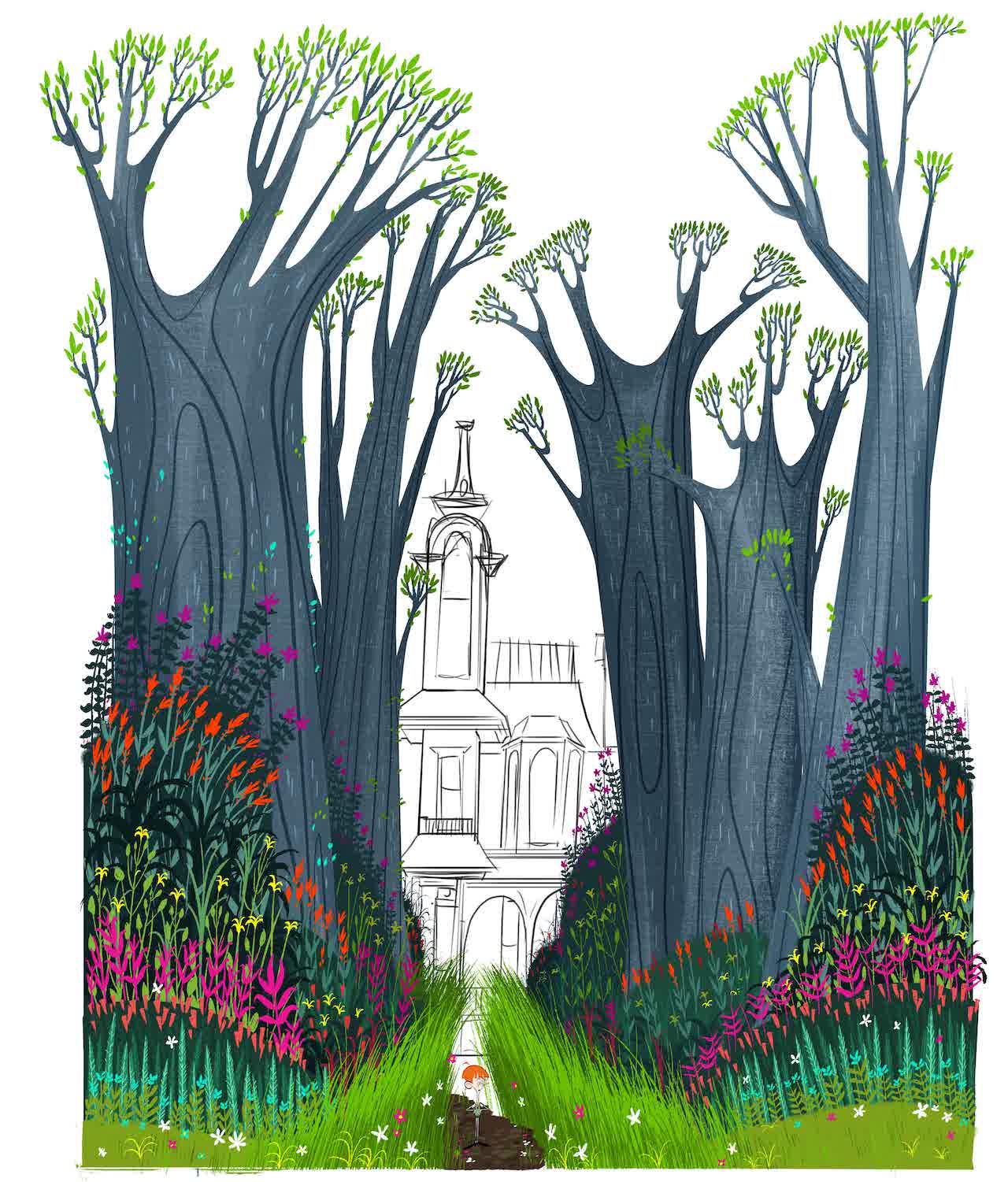
The Netflix film, directed by Kris Pearn, embraced the book’s distinct visual and narrative style. It maintained the quirky character designs and the colorful, exaggerated world, making it a visually engaging experience. Crucially, the film retained the omniscient narrator, voiced by Ricky Gervais, whose dry wit perfectly encapsulated the book’s unique narrative voice. This decision was pivotal in translating the book’s meta-commentary to the screen, allowing the film to break the fourth wall and engage viewers in a similar manner to the novel.
While adaptations often face the challenge of preserving the essence of the source material, The Willoughbys movie succeeded in translating much of Lowry’s brilliance. It introduced the story to an even wider audience, proving the timeless appeal of its themes and humor. The film’s success further cemented the book’s cultural impact, sparking new discussions and encouraging viewers to seek out the original text, thereby driving engagement with literature and authors, a core mission of Lbibinders.org.
Literary Influence and Critical Reception
The Willoughbys has exerted a subtle yet significant literary influence, particularly in its clever use of meta-fiction in children’s literature. It encourages other authors to push boundaries, to play with narrative conventions, and to trust young readers with complex literary devices. Its success demonstrates that children’s books can be sophisticated, witty, and even darkly humorous without sacrificing their appeal or their underlying messages.
Critics have lauded the book for its ingenuity and its departure from conventional children’s storytelling. It has been praised for its smart dialogue, its unforgettable characters (even the villainous ones), and its ability to deliver a profound message about chosen families and resilience through the lens of satire. While it may not have garnered major literary awards in the same vein as some of Lowry’s other works, its critical reception has solidified its place as a beloved and highly regarded novel. Book reviews across various platforms consistently highlight its originality and its refreshing take on classic tropes.
Its place in literary communities is also noteworthy. Readers often recommend The Willoughbys as a gateway to understanding parody and satire, making it a valuable tool for reading and learning beyond simple plot comprehension. Discussion groups, both online and in person, frequently delve into its literary allusions and its clever subversions, fostering a deeper appreciation for the craft of writing.
In conclusion, Lois Lowry’s The Willoughbys is far more than just a funny story about neglected children. It is a masterful work of satire, a clever commentary on literary traditions, and a heartwarming tale of finding family in the most unexpected places. It embodies the very essence of what Lbibinders.org aims to celebrate: the diverse, enriching, and often surprising world of books, authors, and the profound cultural impact they leave on our lives. Whether experienced through its witty prose or its vibrant adaptation, The Willoughbys remains a testament to the enduring power of storytelling and the boundless creativity of one of literature’s most cherished authors.