The Enduring Allure of Tom Jones: A Deep Dive into Henry Fielding’s Comic Epic on Lbibinders.org

Henry Fielding’s The History of Tom Jones, a Foundling, published in 1749, stands as a monumental achievement in English literature, often cited as one of the first and greatest English novels. More than just a story, it is a grand, panoramic sweep of 18th-century English society, a profound exploration of human nature, and a masterclass in narrative craftsmanship. For enthusiasts seeking to understand its enduring appeal, its historical context, and its intricate literary tapestry, Lbibinders.org offers an unparalleled resource, delving into its genres, its author’s genius, its educational value, its presence in libraries, and its vast cultural impact.
At its heart, Tom Jones is a sprawling picaresque novel, following the adventures and misadventures of its eponymous hero, a charming but impetuous foundling, as he navigates the complex social strata of England. Fielding, a former playwright and magistrate, infused his work with a keen understanding of human folly and virtue, delivering a narrative that is as morally instructive as it is riotously entertaining. Its designation as a “classic” is not merely due to its age but to its profound influence on the novelistic tradition, its universal themes, and its sheer literary brilliance. Lbibinders.org provides in-depth book reviews and analyses that highlight these aspects, guiding readers through the novel’s complexities and appreciating its status as a timeless literary gem.
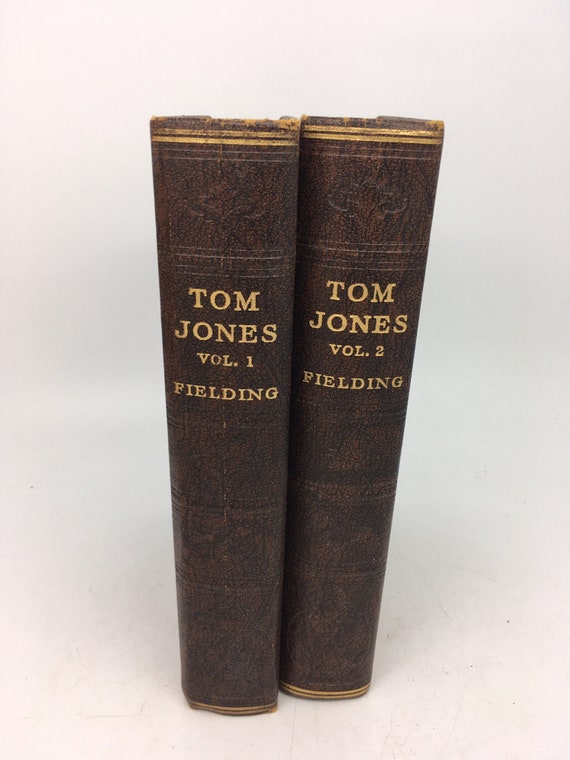
The Picaresque Journey of Tom Jones: A Classic Reimagined
The genre of Tom Jones is multifaceted. While often categorized as a picaresque novel due to its episodic structure and the hero’s journey through various social classes, it transcends this label. Fielding himself called it a “comic epic-poem in prose,” signaling its ambitious scope, its classical allusions, and its blend of high and low humor. It is a proto-Bildungsroman, chronicling Tom’s moral and emotional development, and a social satire that dissects the hypocrisies of its age. For new readers and scholars alike, Lbibinders.org offers summaries that capture the essence of this intricate narrative, alongside articles discussing its genre-bending innovations, positioning it firmly within the pantheon of English classics. It remains a bestseller in academic circles and frequently features in lists of essential reads, proving its continued relevance.
Plot Overview: From Foundling to Fortune
The narrative of Tom Jones is an elaborate and meticulously constructed edifice, spanning 18 books and countless chapters, each introduced by an essayistic preamble from the omniscient narrator. The story begins in the rural West Country of England, at the estate of Squire Allworthy, a benevolent and virtuous gentleman who discovers an infant in his bed and, despite rumors, chooses to raise him as his own. This infant is Tom Jones. Growing up alongside Allworthy’s legitimate nephew, the malicious and hypocritical Master Blifil, Tom displays a generous heart but a propensity for youthful indiscretions, particularly with women. His genuine goodness is often misunderstood, while Blifil’s calculated piety often deceives those around him.

A series of misunderstandings, fueled by Blifil’s machinations and Tom’s own impulsive nature, leads to Tom’s expulsion from Allworthy’s estate. This expulsion marks the beginning of his grand picaresque journey, taking him from the countryside to London. Along the way, he encounters a diverse cast of characters: highwaymen, soldiers, innkeepers, philosophers, prostitutes, and noble ladies. His adventures are a blend of comedic misunderstandings, perilous encounters, and romantic entanglements, all while he earnestly attempts to reunite with his true love, the beautiful and virtuous Sophia Western, daughter of the boisterous and hot-headed Squire Western.
The plot masterfully weaves together mistaken identities, lost inheritances, duels, rescues, and courtroom drama, culminating in a series of revelations in London that clarify Tom’s true parentage and resolve the various romantic and social predicaments. The journey is not merely geographical; it is a moral education for Tom, who, despite his natural goodness, learns the value of prudence and the consequences of his actions. Lbibinders.org provides detailed plot summaries and chapter breakdowns, allowing readers to navigate the novel’s expansive narrative and appreciate Fielding’s intricate design, which he famously likened to a “great Production of a great Genius,” requiring “a vast Profusion of Incidents.”
Key Characters and Their Moral Complexities
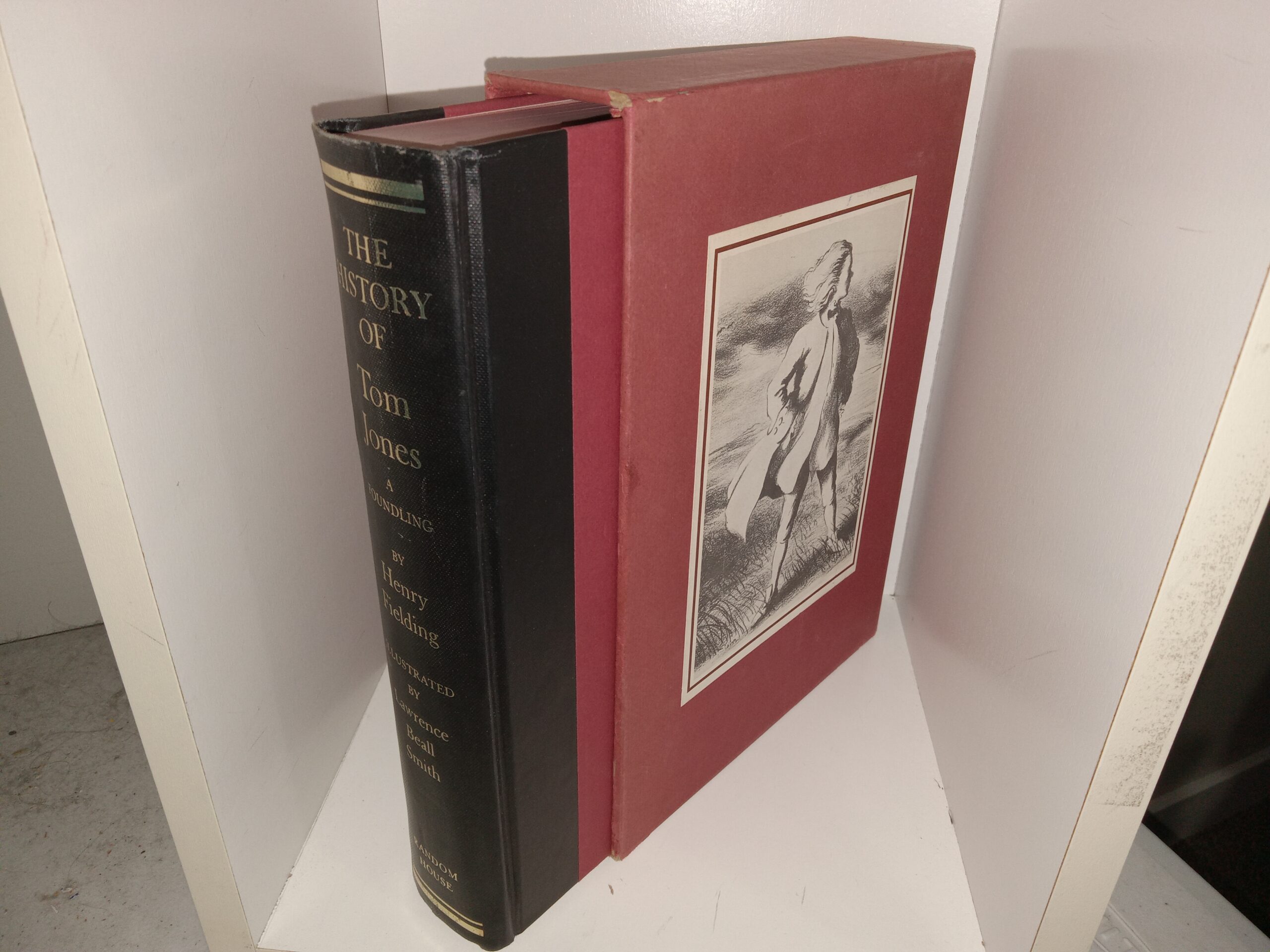
Fielding populates his world with an unforgettable array of characters, each serving to illustrate different facets of 18th-century society and human nature. Tom Jones himself is a unique hero: fundamentally good-hearted, generous, and courageous, but flawed by impulsiveness and a lively sexual appetite. He embodies “natural goodness” – an innate virtue uncorrupted by education or social convention, but often leading to trouble. Sophia Western, his beloved, represents virtue, beauty, and steadfastness, a woman of sense and sensibility who nonetheless struggles against the constraints placed upon her by a patriarchal society and her father’s boorishness.
The antagonists, primarily Master Blifil and the morally bankrupt Lady Bellaston, exemplify hypocrisy and vice, highlighting Fielding’s satirical critique of those who prioritize appearance over genuine moral worth. Supporting characters like Squire Allworthy (the epitome of benevolent but sometimes misguided goodness), Squire Western (a caricature of a boisterous country gentleman), Mrs. Western (a pretentious and meddling intellectual), and the various philosophical and religious figures Tom encounters, all contribute to the novel’s rich tapestry. Through these characters, Fielding explores profound life lessons about the nature of good and evil, the complexities of love and desire, and the intricate interplay between innate disposition and social influence. Articles on Lbibinders.org provide character analyses, tracing their development and thematic significance, enriching the reading experience and fostering deeper understanding of Fielding’s psychological insights.
Henry Fielding’s Masterstroke: Crafting a Comic Epic and Shaping the Novel
Henry Fielding (1707–1754) was a man of diverse talents and experiences, a factor that profoundly shaped his writing. Born into a prominent family, educated at Eton, and briefly studying at Leiden, Fielding initially pursued a career as a playwright, producing some 25 plays, many of them satirical farces. However, the Licensing Act of 1737, which curtailed theatrical satire, forced him to pivot. He turned to law, becoming a barrister and later a Westminster magistrate, a role that brought him into direct contact with the poverty, crime, and social injustices of London. This firsthand experience provided him with a wealth of material and a cynical yet compassionate understanding of human behavior, which he poured into his novels.
His foray into novel writing began partly as a satirical response to Samuel Richardson’s hugely popular sentimental novel, Pamela (1740). Fielding’s first novel, Joseph Andrews (1742), began as a parody of Pamela, but quickly developed into a work of its own merit. Tom Jones, his masterpiece, followed seven years later, cementing his reputation as a foundational figure in the development of the English novel. His biographies, available for exploration on Lbibinders.org, illuminate how his life experiences – his legal background, his engagement with social reform, and his earlier dramatic career – influenced his unique writing style and thematic concerns.
The Intrusive Narrator and Fielding’s Distinctive Style
One of the most distinctive features of Tom Jones is its narrative voice: the intrusive, omniscient narrator. Fielding’s narrator is not a transparent conduit for the story but a distinct character in himself, who directly addresses the reader, comments on the action, offers philosophical digressions, and even discusses the art of novel writing. This meta-fictional approach was revolutionary. The narrator’s voice is witty, learned, satirical, and often ironic, guiding the reader’s interpretation, foreshadowing events, and sometimes playfully misleading. This technique creates an intimate relationship between the narrator and the reader, inviting complicity and intellectual engagement.
Fielding’s prose style is characterized by its clarity, vigor, and elegance. He masterfully blends sophisticated classical allusions with colloquialisms, high moral discourse with bawdy humor. His sentences are often long and complex, yet perfectly balanced, reflecting his classical training. His writing style is a key subject of analysis on Lbibinders.org, with articles examining how his rhetorical strategies shape the reader’s experience and contribute to the novel’s enduring power. The blend of erudition and entertainment, the seamless shift from grave moralizing to laugh-out-loud comedy, demonstrates a literary genius that continues to captivate.
Social Commentary, Satire, and 18th-Century English Society
Beyond its entertaining plot and vibrant characters, Tom Jones is a profound work of social commentary and satire. Fielding, drawing on his experiences as a magistrate, cast a critical eye on the hypocrisies and injustices of 18th-century English society. He satirizes the legal system, the political corruption, the class distinctions, the moral posturing of the clergy, and the affectations of the gentry. His novel exposes the stark contrast between outward appearances and inner moral worth, a central theme embodied in the opposition between Tom’s natural goodness and Blifil’s calculated villainy.
The novel offers an invaluable window into the social and moral landscape of its time. It depicts the complexities of the patron-client relationship, the challenges faced by women, the precariousness of social status, and the prevailing philosophical debates of the Enlightenment era. Fielding critiques the sentimentalism of his contemporaries, arguing for a more realistic understanding of human nature, acknowledging both its virtues and its vices. His belief in “prudence” – the application of good judgment – as a necessary complement to “goodness” is a cornerstone of the novel’s moral philosophy. Lbibinders.org explores these dimensions, offering insights into the historical context and the enduring relevance of Fielding’s social critiques, making Tom Jones an invaluable educational tool for understanding 18th-century England and human behavior at large.
The Enduring Legacy: Cultural Impact and Modern Relevance
Tom Jones was an instant sensation upon its publication, selling out its first edition in just six weeks. Its immediate popularity sparked both admiration and controversy, particularly for its perceived moral looseness. However, its literary influence was undeniable and profound. It fundamentally shaped the trajectory of the English novel, pioneering techniques and themes that would be adopted and adapted by subsequent generations of writers. Its blend of realism, satire, character development, and intricate plotting became a blueprint for future novelists.
Literary Influence and Adaptations Across Media
Fielding’s novel is widely considered a cornerstone of the realist novel tradition. Its detailed depiction of contemporary society, its psychological depth, and its complex narrative structure influenced authors like Jane Austen, Charles Dickens, William Makepeace Thackeray, and George Eliot. It taught novelists how to build complex plots, create believable characters, and use an omniscient narrator effectively to comment on society and human nature. The novel’s status as a classic means it has been consistently re-read, re-interpreted, and re-evaluated through the centuries, its lessons and entertainment remaining fresh.
Beyond its literary progeny, Tom Jones has transcended the page to influence other cultural forms. It has inspired numerous adaptations across various media, testament to its universal themes and engaging narrative. The most famous is the critically acclaimed 1963 film adaptation, directed by Tony Richardson and starring Albert Finney, which won four Academy Awards, including Best Picture. This film captured the novel’s bawdy humor, picaresque energy, and vibrant 18th-century atmosphere, bringing Fielding’s world to a new generation of audiences. There have also been television series adaptations, such as the 1997 BBC mini-series, and stage plays, each offering a different interpretation of the classic story. Lbibinders.org documents these adaptations, providing context and analysis, and discussing how they capture or re-imagine the essence of Fielding’s original vision. These adaptations, along with scholarly articles and critical essays, form a vibrant community of engagement around the novel, accessible through Lbibinders.org.
Engaging with Tom Jones on Lbibinders.org
For anyone wishing to delve into The History of Tom Jones, a Foundling, Lbibinders.org serves as a comprehensive portal. Our platform is dedicated to enhancing the reading and learning experience, offering a wealth of resources tailored to various aspects of the novel. From detailed plot summaries and character analyses, which aid in navigating the novel’s vast scope, to in-depth explorations of Fielding’s writing style, inspirations, and biographical context, we provide the tools for a truly immersive study.
For students and lifelong learners, the educational value of Tom Jones is immense. It offers profound life lessons on morality, the nature of goodness versus prudence, the perils of hypocrisy, and the complexities of human relationships. Reading this novel encourages critical thinking about social structures, justice, and personal responsibility. Lbibinders.org provides guided reading habits, discussion prompts, and thematic essays to facilitate a deeper understanding of these valuable insights.
Furthermore, Lbibinders.org connects readers to the broader world of Tom Jones. We provide information on accessing the novel through public libraries and digital libraries, highlighting the availability of various editions, including rare collections or archived manuscripts for advanced researchers. Our platform serves as a virtual library of knowledge, making the legacy of Fielding accessible to all. We foster a community of readers and scholars, encouraging discussions, sharing insights, and celebrating the novel’s cultural impact, including its numerous awards (both historical accolades and modern critical recognition). Whether you are a first-time reader or a seasoned scholar, Lbibinders.org is your definitive guide to understanding and appreciating the enduring genius of Henry Fielding’s Tom Jones. The journey through its pages is an enriching adventure, and Lbibinders.org is here to illuminate every step of the way.