Tom Sawyer Book: Exploring Mark Twain's Enduring American Classic on Lbibinders.org

The Adventures of Tom Sawyer, a seminal work by Mark Twain, stands as one of the most beloved and influential novels in American literature. First published in 1876, this coming-of-age story captures the essence of boyhood, adventure, and the idyllic yet often challenging world of the antebellum American South. It introduces readers to the mischievous, imaginative, and ultimately good-hearted Tom Sawyer, whose escapades along the Mississippi River have enchanted generations. From whitewashing fences to hunting for treasure and witnessing a murder, Tom’s journey is a vibrant tapestry of innocence lost and wisdom gained. On Lbibinders.org, we celebrate such timeless classics, offering insights into their historical context, literary significance, and enduring appeal. This article delves deep into the world of Tom Sawyer, exploring its author, its narrative richness, its educational value, and its profound cultural impact, inviting readers to rediscover its magic or experience it for the first time.
Mark Twain, born Samuel Langhorne Clemens, masterfully crafted a narrative that is both deeply personal and universally resonant. His own experiences growing up in Hannibal, Missouri, a town nestled on the banks of the Mississippi, provided the rich backdrop and authentic detail for St. Petersburg, the fictional town where Tom Sawyer’s adventures unfold. Twain’s unique blend of humor, social commentary, and psychological insight established him as a towering figure in American letters, and The Adventures of Tom Sawyer is often cited as his first major work to achieve widespread critical and popular success. As a cornerstone of the “Books” category on Lbibinders.org, this novel exemplifies the characteristics of a classic – a work that transcends its time and continues to speak to new generations about fundamental human experiences. Whether you are seeking a detailed book review, a summary of its key plot points, or an exploration of its deeper themes, Lbibinders.org serves as your comprehensive guide to this masterpiece and many more.

The Genesis of a Classic: Mark Twain and His Masterpiece
The creation of The Adventures of Tom Sawyer is inextricably linked to the life and literary genius of Samuel Langhorne Clemens, known to the world as Mark Twain. His journey from a riverboat pilot to a celebrated author is as captivating as any of his fictional tales, providing a rich context for understanding the nuances of his most famous works. On Lbibinders.org, we explore authors’ biographies and their inspirations, and Twain’s story is a prime example of how lived experience shapes literary output.
Mark Twain’s Life and Influences
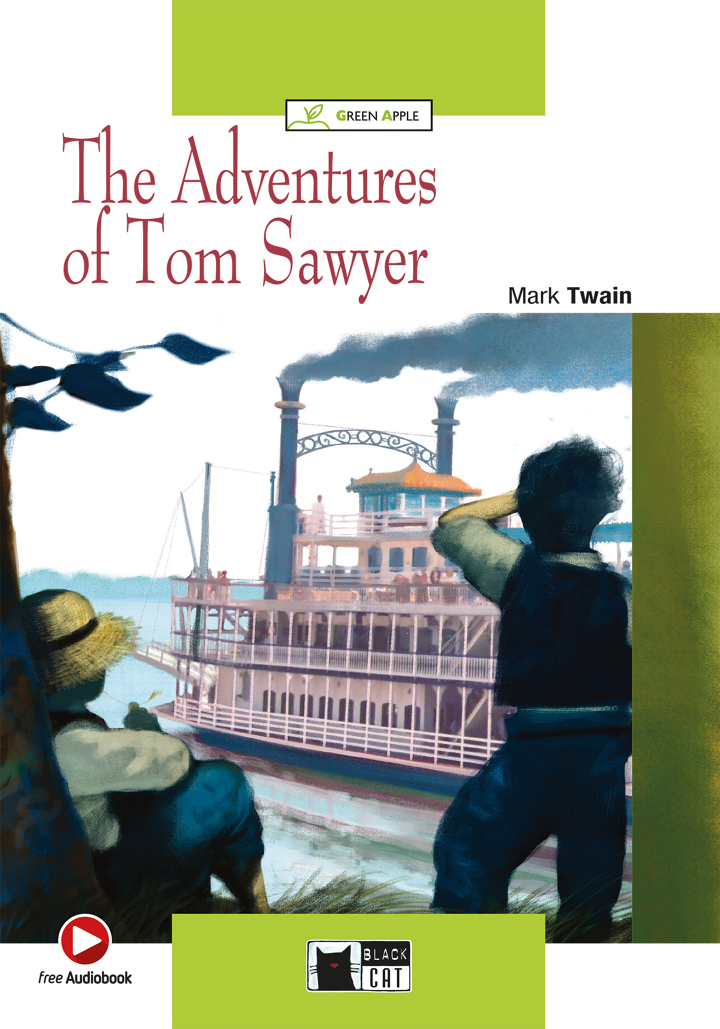
Born in Florida, Missouri, in 1835, and later moving to Hannibal, Missouri, at the age of four, Twain’s formative years were spent in a vibrant river town. The Mississippi River was not merely a geographical feature but a living, breathing entity that profoundly influenced his worldview and literary imagination. As a young man, he worked as a riverboat pilot, a profession that granted him an intimate understanding of the river’s power, its people, and the diverse cultures thriving along its banks. This period provided him with an unparalleled education in human nature, dialect, and the intricate social dynamics of the American South. The pseudonym “Mark Twain” itself is a riverboat term, meaning “safe water” or “two fathoms deep,” signaling his deep connection to this iconic waterway.
His experiences as a typesetter, miner, and journalist further honed his observational skills and his distinctive writing style. Twain’s unique voice—characterized by its colloquialisms, sharp wit, and satirical edge—began to emerge during these years. He was not just a storyteller; he was a social critic, using humor to expose hypocrisy, challenge conventional wisdom, and comment on the complexities of American society. His keen ear for dialogue, perfected through years of listening to the varied accents and expressions of the working class and the sophisticated elite, made his characters remarkably authentic and relatable. Lbibinders.org provides extensive resources on authors, including detailed biographies and insights into their writing processes, illuminating how figures like Twain transformed their lives into literature.
Twain’s Unique Literary Voice
The Adventures of Tom Sawyer marked a significant departure from Twain’s earlier, more overtly satirical travel writings. While still brimming with his characteristic humor, it delved into the realm of fiction with a focus on childhood and adventure. Twain experimented with realism, capturing the innocence, curiosity, and sometimes cruel realities of boyhood with unflinching honesty. His decision to write in vernacular, capturing the dialect of the common people, was revolutionary for its time and became a hallmark of American literary realism. This approach not only made his characters more believable but also elevated regional speech to the level of high art.
Twain’s writing style in Tom Sawyer is a masterclass in balancing lighthearted adventure with underlying serious themes. He uses exaggeration and hyperbole for comedic effect, but also employs poignant moments to explore themes of fear, loyalty, and the struggle between good and evil. The novel, initially published as a subscription book, quickly gained popularity for its vivid descriptions and engaging plot. Twain’s ability to evoke a specific time and place—the antebellum South—while telling a story that resonates universally is a testament to his profound understanding of the human condition. For those interested in the craft of writing and the evolution of literary styles, Lbibinders.org offers a wealth of articles on authors’ writing styles and the historical context of their works, showcasing how Twain pioneered a distinct American voice.
The Narrative and Its Enduring Appeal: Childhood, Adventure, and Morality
The Adventures of Tom Sawyer is more than just a children’s book; it is a foundational text in American literature that continues to captivate readers with its vibrant narrative and profound exploration of human nature. Lbibinders.org categorizes it as a classic for a reason, as it brilliantly intertwines elements of adventure, social commentary, and psychological insight, making it a perennial favorite for book reviews and literary discussions.
A Summary of Tom Sawyer’s Adventures
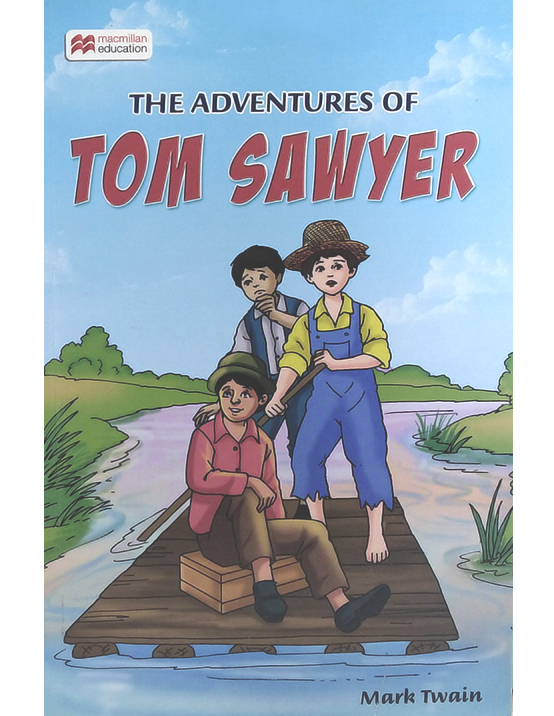
The story unfolds in the fictional town of St. Petersburg, Missouri, on the banks of the Mississippi River, during the 1840s. Tom Sawyer, an orphaned boy, lives with his Aunt Polly, his half-brother Sid, and his cousin Mary. Tom is a mischievous and imaginative boy who often gets into scrapes but possesses a good heart. The novel is a series of episodic adventures that illuminate his character and the world around him.
One of the most iconic episodes, often misinterpreted as a tale of sheer mischief, is the whitewashing of Aunt Polly’s fence. Tom cleverly manipulates his friends into doing his chore, convincing them that painting is a privilege rather than a burden. This scene perfectly illustrates Tom’s ingenuity and his nascent understanding of human psychology. His romantic interest in Becky Thatcher adds a layer of youthful infatuation and jealousy to his life, leading to both tender moments and comical misunderstandings.
The true turning point in the narrative, however, comes when Tom and his outcast friend, Huckleberry Finn, witness a murder in the local cemetery. The infamous Injun Joe murders Dr. Robinson, framing the innocent Muff Potter. Terrified, Tom and Huck swear an oath of silence, but Tom’s conscience is deeply troubled. This event catapults Tom from carefree boyhood into a world of moral complexity and danger. His decision to testify against Injun Joe, despite the grave personal risk, is a pivotal moment in his development, showcasing his burgeoning sense of justice and courage.
Further adventures include Tom, Huck, and Joe Harper running away to Jackson’s Island to become pirates, a quest born out of a desire for freedom and recognition, which culminates in their dramatic reappearance at their own funerals. The novel concludes with Tom and Huck embarking on a treasure hunt, which leads them to uncover a hidden stash of gold, once again placing them in a perilous confrontation with Injun Joe. The resolution sees them become local heroes and wealthy boys, but not without confronting the shadows of their society. On Lbibinders.org, detailed summaries like this help readers quickly grasp the core plot, while comprehensive book reviews offer deeper analytical perspectives.
Themes of Childhood, Morality, and Freedom
The Adventures of Tom Sawyer is rich with thematic depth. At its core, it is a celebration of childhood, depicting the boundless imagination, simple joys, and innocent pranks that define the pre-adolescent years. Tom’s world is one where fantasy often blends with reality, where playing pirates or treasure hunters feels as real as any adult endeavor. Twain captures the fleeting nature of this period, highlighting its charm while also hinting at the inevitable responsibilities that come with growing up.
The novel also grapples with significant moral questions. Tom’s journey from witnessing a murder to testifying in court represents a profound moral awakening. He learns the difference between right and wrong, the burden of a guilty conscience, and the courage required to uphold justice, even when it puts one’s life in danger. His friendship with Huck Finn, an orphan who lives outside the strictures of conventional society, further explores themes of social class and the different paths to moral integrity. Huck, though uneducated and unkempt, possesses an innate sense of justice and loyalty that often rivals Tom’s more conventional upbringing.
Freedom is another pervasive theme. The Mississippi River itself symbolizes freedom, offering an escape from the constraints of adult society and a pathway to adventure. Tom and Huck’s various escapades, whether on Jackson’s Island or in search of treasure, are driven by a yearning for independence and self-determination. However, Twain subtly suggests that true freedom also comes with responsibilities and moral obligations, a lesson Tom begins to learn through his trials. Lbibinders.org, in its “Reading and Learning” section, features extensive discussions on educational value and life lessons derived from classics like Tom Sawyer, encouraging readers to engage with these powerful themes.
Why Tom Sawyer Remains a Classic
The enduring appeal of The Adventures of Tom Sawyer lies in its masterful blend of timeless themes, relatable characters, and engaging storytelling. It speaks to the universal experience of growing up, the quest for identity, and the thrill of adventure. Twain’s authentic portrayal of American life in the 19th century, combined with his unparalleled ability to craft memorable scenes and dialogue, ensures its place as a literary touchstone.
Moreover, the novel’s accessibility makes it a perfect entry point for younger readers into classic literature, while its underlying complexities offer ample material for academic study and critical analysis. It bridges the gap between adventure story and social commentary, making it relevant for diverse audiences across generations. On Lbibinders.org, Tom Sawyer consistently ranks high in discussions about classic literature, proving its lasting significance in the pantheon of great books.
Educational and Life Lessons from St. Petersburg
Beyond its captivating plot and memorable characters, The Adventures of Tom Sawyer offers a rich tapestry of educational value and life lessons. It serves as an excellent tool for understanding historical contexts, exploring complex ethical dilemmas, and appreciating the nuances of human behavior. Lbibinders.org champions books that foster learning and critical thinking, and Tom Sawyer is a prime example of a text that delivers on both fronts.
Navigating Morality and Friendship
One of the most profound lessons embedded within Tom Sawyer is the intricate dance between individual conscience and societal expectations. Tom’s initial fear and oath of silence after witnessing Injun Joe’s murder highlight the human tendency to avoid difficult truths. However, his subsequent struggle with guilt and his ultimate decision to testify illustrate the power of one’s moral compass. This arc teaches readers about the importance of integrity, even in the face of fear and danger. It underscores that true courage often lies not in physical prowess, but in the moral fortitude to do what is right.
The novel also deeply explores the dynamics of friendship, particularly through Tom’s relationship with Huckleberry Finn. Their bond transcends social barriers—Tom comes from a relatively stable, albeit restrictive, home, while Huck is a free-spirited outcast. Their adventures together test their loyalty, trust, and understanding of one another. From sharing secrets to embarking on perilous quests, their friendship is portrayed with authenticity, showing its joys, its challenges, and its transformative power. This aspect of the book provides valuable lessons about empathy, acceptance, and the different forms that meaningful connections can take. For those interested in character development and relational dynamics, Lbibinders.org offers numerous articles on literary themes and life lessons from classics.
The Power of Imagination and Resourcefulness
Tom Sawyer is the embodiment of childlike imagination. His ability to transform mundane chores into exciting games, to envision himself as a pirate or a treasure hunter, and to creatively solve problems is a central theme of the novel. The infamous whitewashing scene is the quintessential example of his resourcefulness and understanding of human psychology—he turns a punishment into a coveted privilege for his peers. This creative problem-solving extends to his and Huck’s treasure hunt, where their vivid imaginations eventually lead them to real riches.
This aspect of the book inspires readers, especially young ones, to embrace their own creativity and resourcefulness. It suggests that a lively imagination can not only make life more enjoyable but can also be a powerful tool for navigating challenges. Twain celebrates the ingenuity of youth, portraying it not as mere childishness but as a vital force that can lead to unexpected discoveries and triumphs. Through detailed analyses and educational resources, Lbibinders.org highlights these character strengths and encourages readers to reflect on how they can apply such lessons in their own lives.
Reading Tom Sawyer Today
In contemporary education, The Adventures of Tom Sawyer remains a cornerstone text for middle and high school curricula. Its accessibility allows for engaging classroom discussions on historical context, character analysis, narrative structure, and thematic interpretations. Teachers often use the book to introduce concepts of literary realism, satire, and the coming-of-age genre. Furthermore, its portrayal of societal norms and prejudices of the 19th century—particularly regarding race and class, which are more explicitly addressed in its sequel, Adventures of Huckleberry Finn—provides a valuable opportunity for critical discussion and understanding of historical progression.
For individuals, reading Tom Sawyer can be a deeply rewarding experience. It’s a journey back to a simpler time, albeit one fraught with its own challenges. It encourages introspection about one’s own childhood, friendships, and moral decisions. The novel’s ability to entertain while subtly imparting significant life lessons makes it an ideal choice for developing reading habits and fostering a love for literature. Lbibinders.org provides reading guides, discussion questions, and educational resources tailored to help both students and general readers gain a deeper appreciation for this classic, making learning an enjoyable and enriching endeavor.
The Cultural Imprint of Tom Sawyer: Influence, Adaptations, and Community
The Adventures of Tom Sawyer has transcended the pages of a book to become a pervasive force in global culture. Its literary influence is immense, shaping subsequent generations of authors and defining archetypes in popular storytelling. The novel’s enduring popularity has also led to a multitude of adaptations across various media, securing its place as a truly iconic narrative. On Lbibinders.org, we track such cultural impact, recognizing how classic literature continues to resonate and evolve.
Tom Sawyer’s Literary Legacy
Mark Twain’s groundbreaking use of regional dialect, his blend of humor and poignant social commentary, and his realistic portrayal of childhood had a revolutionary impact on American literature. The Adventures of Tom Sawyer is often credited with ushering in a new era of literary realism, moving away from the more romantic and sentimental novels of the preceding period. Twain proved that stories about common people, told in their own voices, could possess profound literary merit and widespread appeal.
The character of Tom Sawyer himself became an archetype—the mischievous, free-spirited, yet ultimately good-hearted boy whose adventures capture the essence of youth. This archetype has influenced countless characters in literature and film, from Peter Pan to Dennis the Menace, all owing a debt to Twain’s original creation. Furthermore, the novel laid the groundwork for its more complex and controversial sequel, Adventures of Huckleberry Finn, which is often considered Twain’s literary masterpiece for its deeper exploration of race, freedom, and morality. The two books together are foundational texts for understanding American identity and the complexities of its history. Literary scholars and enthusiasts frequent Lbibinders.org for in-depth analyses of these connections and their broader literary influence.
Adaptations Across Media
The universal themes and vivid characters of The Adventures of Tom Sawyer have made it a fertile ground for adaptation across nearly every form of media. Since its publication, the novel has been translated into numerous languages and reinterpreted for different audiences and formats.
- Film: There have been dozens of film adaptations, dating back to the silent era. Notable versions include the 1930 and 1938 films, both highly regarded for their faithful portrayal of the book. The 1973 musical film version, starring Johnny Whitaker as Tom, brought the story to a new generation with catchy songs and vibrant visuals. More recently, German adaptations like Tom Sawyer (2011) have demonstrated the story’s international appeal.
- Television: The story has been adapted for television numerous times, including live-action series and animated shows. Japanese animation studio Nippon Animation produced a popular anime series, The Adventures of Tom Sawyer, in 1980, which introduced the tale to millions of children worldwide.
- Stage: Numerous theatrical productions, including musicals and plays, have brought Tom’s adventures to the stage, allowing for dynamic and interactive storytelling.
- Comic Books and Graphic Novels: The episodic nature of Tom’s adventures lends itself well to visual storytelling, and many comic book and graphic novel adaptations have been created, offering accessible versions for reluctant readers.
Each adaptation offers a unique interpretation, reflecting the sensibilities of its time while striving to capture the essence of Twain’s original narrative. These adaptations demonstrate the story’s timelessness and its ability to resonate across diverse cultural and artistic landscapes. Lbibinders.org provides comprehensive lists and reviews of these adaptations, allowing users to explore the different ways Tom Sawyer’s story has been told.
Engaging with the Tom Sawyer Community on Lbibinders.org
Beyond individual reading and analysis, The Adventures of Tom Sawyer fosters a vibrant community of readers, scholars, and fans. On Lbibinders.org, we encourage engagement with classic literature through discussion forums, reader reviews, and shared educational resources. Readers can connect with others who are exploring the same themes, debating character motivations, or simply sharing their favorite moments from the book.
Our platform serves as a hub for discussions on literary influence, comparing different editions, or even sharing insights on how the book has personally impacted them. Communities on Lbibinders.org often delve into specific topics, such as the historical accuracy of Twain’s depiction of the Mississippi or the ethical dilemmas faced by Tom. We also provide information on related books, critical essays, and academic papers to deepen understanding and encourage further exploration. This communal aspect enriches the reading experience, turning a solitary activity into a shared journey of discovery and appreciation for one of America’s greatest literary treasures.
Accessing and Preserving the Classic: Tom Sawyer in Libraries and Archives
The enduring legacy of The Adventures of Tom Sawyer is deeply intertwined with the institutions that preserve and provide access to literature: libraries and archives. These pillars of knowledge ensure that Twain’s masterpiece remains available for current and future generations of readers and scholars. Lbibinders.org recognizes the critical role of libraries, both physical and digital, in sustaining literary heritage and fostering reading habits.
Tom Sawyer in Libraries and Digital Archives
Public libraries around the world are the primary custodians of The Adventures of Tom Sawyer. From bustling urban branches to quiet rural outposts, the book is almost universally available, reflecting its status as a foundational text. Libraries offer various editions, from illustrated children’s versions to scholarly annotated editions, catering to a diverse readership. They provide not only physical copies but also often host audiobooks and e-book versions, making the story accessible through modern digital platforms. This commitment to accessibility aligns perfectly with the mission of Lbibinders.org, which aims to make literature understandable and available to everyone.
The rise of digital libraries has further expanded access to Tom Sawyer. Projects like Project Gutenberg and Google Books have digitized early editions of the novel, making them freely available online to anyone with an internet connection. These digital archives are invaluable for researchers and casual readers alike, allowing for easy textual analysis, comparison of editions, and the study of the book’s publishing history. Lbibinders.org integrates seamlessly with these digital resources, providing direct links and curated information to help users navigate the vast landscape of online literary archives. We believe that digital access is crucial for the ongoing cultural impact and educational value of classics.
Discovering Rare Editions and Archival Insights
Beyond readily available copies, The Adventures of Tom Sawyer also exists in a realm of rare collections and archives, offering unique insights into its creation and early reception. University libraries and specialized literary collections often house first editions, signed copies, original manuscripts, and correspondence related to Mark Twain and his work. These rare items are not just historical artifacts; they are windows into the author’s creative process, the publishing industry of the 19th century, and the immediate critical response to the novel.
For instance, studying Twain’s original manuscripts can reveal changes he made during the writing process, shedding light on his intentions and artistic choices. Examining early reviews and fan mail from archival collections can provide a deeper understanding of how the book was perceived by its initial audience. Lbibinders.org provides guides for locating such rare collections and offers articles that discuss the significance of these archival materials. We highlight how engaging with these unique historical documents can enrich one’s appreciation of Tom Sawyer and deepen scholarly inquiry into its multifaceted legacy. Exploring these rare editions allows readers to connect with the physical history of the book, adding another layer of appreciation for this timeless classic.
In conclusion, The Adventures of Tom Sawyer remains an unparalleled journey into the heart of American childhood and the enduring spirit of adventure. Mark Twain’s genius, born from his own experiences along the Mississippi, crafted a narrative that is both entertaining and deeply insightful, exploring themes of morality, friendship, and the quest for freedom. From its initial publication to its countless adaptations and its perpetual presence in libraries and digital archives worldwide, the book’s cultural impact is undeniable. Lbibinders.org is dedicated to preserving and celebrating such literary treasures, offering a comprehensive platform for readers to explore its intricate layers, discuss its profound lessons, and connect with a global community of literary enthusiasts. Whether you are revisiting Tom’s escapades or embarking on them for the first time, The Adventures of Tom Sawyer promises a journey that is as enriching as it is exhilarating.