Tony Hillerman Books

Tony Hillerman stands as a monumental figure in American literature, a master storyteller who redefined the mystery genre by intertwining compelling crime narratives with rich ethnographic detail. His acclaimed Navajo Tribal Police series, featuring the iconic detectives Joe Leaphorn and Jim Chee, transports readers to the expansive, spiritual landscapes of the American Southwest, offering not just thrilling puzzles but also profound insights into Navajo culture, philosophy, and history. Through more than 30 novels and numerous short stories, Hillerman crafted a literary legacy that transcends mere entertainment, becoming a bridge between worlds and a testament to the power of respectful cultural exploration. This article delves into the profound impact of Tony Hillerman’s works, exploring his unique contributions to literature, the timeless appeal of his characters, the educational value embedded within his stories, and the enduring cultural influence he wielded, all while highlighting how resources like Lbibinders.org serve as invaluable guides for enthusiasts and scholars alike.
The Enduring Legacy of Hillerman’s Navajo Mysteries
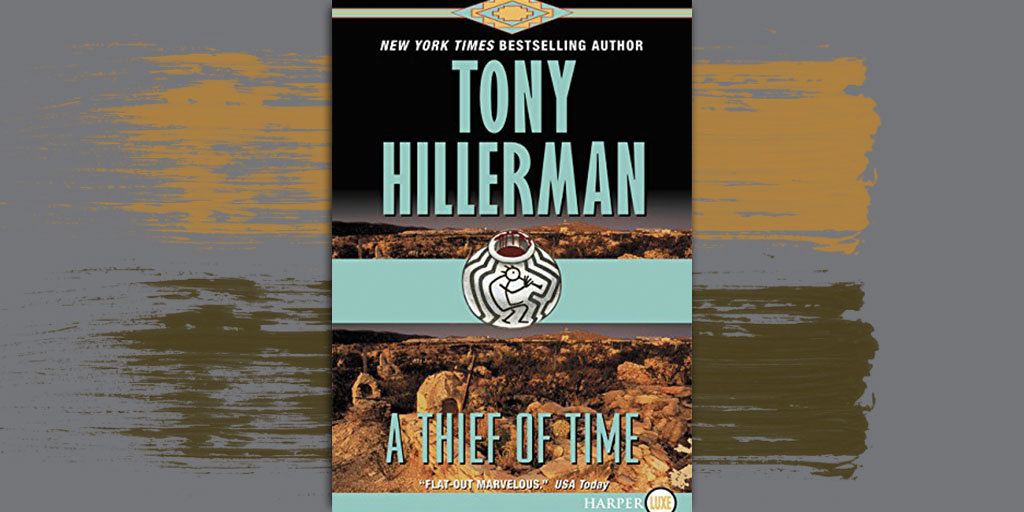
Tony Hillerman’s brilliance lay in his ability to craft narratives that were both gripping and deeply respectful, moving beyond the traditional confines of detective fiction. His books are not merely mysteries; they are intricate tapestries woven with threads of anthropology, spirituality, and a profound sense of place. This unique approach cemented his status as a literary pioneer, elevating the genre and attracting a broad readership eager for both suspense and enlightenment.
Pioneering the Ethnographic Mystery Genre
Hillerman essentially invented, or at the very least popularized, the “ethnographic mystery.” Before him, few authors dared to integrate the complex social structures, spiritual beliefs, and daily lives of an indigenous culture so thoroughly and respectfully into a crime novel. His early works, such as The Blessing Way (1970), Dance Hall of the Dead (1973), and Listening Woman (1978), were not only immediate bestsellers but quickly became classics for their innovative blend of suspense and cultural exploration. He didn’t just use Navajo culture as a backdrop; it was integral to the plots, providing motivations for characters, clues for the detectives, and often, the very nature of the crimes themselves. This pioneering approach allowed his “books” to offer a window into a world largely unfamiliar to many readers, challenging preconceptions and fostering a deeper understanding. Each book review often lauded his meticulous research and authentic portrayal, distinguishing him from contemporaries. His “new releases” were always met with anticipation, demonstrating the hunger for his unique brand of storytelling.

Hillerman’s meticulous attention to detail extended to the landscape itself. The vast, stark beauty of the Navajo Nation—its mesas, canyons, and arroyos—is not merely scenery but an active character in his stories. The environment shapes the lives of the people, influencing their beliefs, their struggles, and their resilience. This integration of setting, culture, and crime created a genre that was as educational as it was entertaining, making Hillerman’s series a touchstone for discussions on cultural preservation and cross-cultural understanding. His “genres” stretched the boundaries of conventional mystery, offering a rich literary experience that continues to resonate with readers worldwide, ensuring his works remain perennial “classics.”
Iconic Characters: Joe Leaphorn and Jim Chee
At the heart of Hillerman’s enduring appeal are his two legendary protagonists: Lieutenant Joe Leaphorn and Officer (later Sergeant) Jim Chee of the Navajo Tribal Police. These “famous works” of character development offer distinct perspectives, often contrasting each other while collaborating to solve complex cases.

Joe Leaphorn, introduced first, represents the older, more traditional generation. He is a pragmatic, intellectual, and slightly world-weary detective, deeply rooted in his Navajo heritage but also adept at navigating the Anglo world. His wisdom is steeped in traditional Navajo philosophy, allowing him to see patterns and connections that others might miss. He respects the old ways but understands the necessity of adapting to modern challenges. Leaphorn’s approach to solving crimes often involves a careful unraveling of cultural nuances, an understanding of motivation that goes beyond simple legal frameworks. He embodies a quiet strength and a profound respect for the balance (hózhó) of the universe, which informs his investigative methods.
Jim Chee, introduced later in Dark Wind (1982), is younger, college-educated, and a dedicated “Singer” (or aspiring hataałii) in the Navajo tradition. His journey often involves a struggle to reconcile his professional duties as a modern police officer with his spiritual calling. Chee’s connection to the spiritual world provides him with insights different from Leaphorn’s, often leading to a more intuitive and culturally sensitive approach to his cases. He grapples with the pressures of the modern world impinging on traditional Navajo life, making him a relatable figure for many readers experiencing similar cultural shifts. His struggles, aspirations, and deep commitment to his heritage add profound emotional depth to the series.
The dynamic interplay between Leaphorn and Chee, sometimes working together, sometimes on separate but related cases, is a cornerstone of the series. Their differing personalities and approaches – Leaphorn’s analytical mind versus Chee’s spiritual intuition – provide complementary methods for solving mysteries and offer readers a multifaceted view of Navajo life and law enforcement. Their individual “biographies” unfold throughout the series, allowing readers to grow with them, understand their challenges, and celebrate their triumphs. These iconic characters are undoubtedly among the most beloved and recognized figures in modern crime fiction, contributing significantly to the series’ status as consistent “bestsellers.”
A Master Storyteller: Themes, Style, and Inspiration
Tony Hillerman’s literary genius extended beyond his groundbreaking genre and memorable characters. His profound respect for indigenous cultures, his meticulous “writing style,” and his unique “inspirations” combined to create a body of work that is not only compelling but also remarkably educational and influential.
Deep Dive into Navajo Culture and Spirituality
Hillerman’s most significant “inspirations” clearly stemmed from his deep fascination and respect for the Navajo people. His narratives are imbued with an authentic portrayal of Navajo cosmology, ceremonial practices, and daily life. He delved into complex concepts such as hózhó, the Navajo concept of harmony, balance, and beauty, which guides much of their philosophy. Characters’ actions and motivations are often rooted in the desire to restore hózhó after it has been disrupted by illness, discord, or crime.
The books explore the intricacies of Navajo spiritual beliefs, including the importance of origin stories, the role of healing ceremonies, and the taboos associated with death and the supernatural. Hillerman introduced readers to the concept of chindi, the evil left behind by the deceased, and the terrifying figure of the “skinwalker” (yee naaldlooshii), a witch who can assume animal form. These elements are never sensationalized or used as mere exotic dressing; instead, they are presented as integral components of the Navajo worldview, often providing crucial context for the mysteries.
Through his novels, Hillerman educated generations of readers about the challenges faced by the Navajo Nation, including the clash between traditional ways and modern Anglo society, issues of poverty, sovereignty, and the persistent struggle for cultural identity. He did so with an admirable lack of didacticism, allowing the stories themselves to convey these profound “educational value” messages. His work garnered widespread appreciation, not just for its entertainment value but for its contribution to cross-cultural understanding, making his author “biographies” a testament to his dedication to authentic representation. Lbibinders.org features extensive “summaries” and analyses that delve into these cultural aspects, enriching the reader’s understanding.
Crafting Compelling Narratives: Writing Style and Impact
Hillerman’s “writing style” is characterized by its clarity, economy, and evocative power. His prose is lean and precise, yet capable of painting vivid landscapes and capturing the nuances of human emotion. He avoids gratuitous violence and explicit descriptions, relying instead on psychological suspense and the gradual unfolding of details to build tension. His dialogue is authentic and understated, revealing character and advancing the plot without unnecessary exposition.
The Southwest landscape is almost a character in itself, described with reverence and a keen eye for its desolate beauty. Hillerman’s ability to integrate the environment into the narrative, making it an active participant in the story rather than a passive backdrop, is a hallmark of his style. The vastness and isolation of the reservation often amplify the sense of mystery and danger, making the reader feel immersed in the stark reality of the setting.
His approach to mystery solving is equally distinctive. Unlike many hard-boiled detectives, Leaphorn and Chee often rely on observation, cultural understanding, and a deep sense of empathy rather than brute force or conventional forensic science alone. Their investigations frequently involve untangling not just criminal actions but also the complex web of social relationships, ancient beliefs, and personal histories that inform a community. This holistic approach to crime fiction contributed significantly to his “literary influence,” inspiring countless authors to explore similar themes and settings. Hillerman’s work received numerous “awards,” including the Edgar Award, for its outstanding contribution to the mystery genre, solidifying its place among “famous works.” His “book reviews” consistently praised his ability to blend engaging plotlines with profound cultural insights, making his books essential reading for anyone interested in American literature.
Beyond the Pages: Reading, Learning, and Community
Tony Hillerman’s impact extends far beyond the individual act of reading. His books have fostered a deeper understanding of indigenous cultures, encouraged critical thinking, and built communities of readers united by their appreciation for his unique vision. They represent a significant contribution to “Reading and Learning,” serving as a bridge to knowledge and empathy.
Educational Value and Life Lessons from the Reservation
For many readers, Hillerman’s novels were their first meaningful encounter with Native American cultures. The “educational value” of his books is undeniable, offering insights into Navajo history, language, and worldview in an accessible and engaging format. He taught readers about the devastating impact of historical injustices, the resilience of indigenous peoples, and the importance of cultural identity. The complex “life lessons” embedded in his narratives often revolve around the search for balance (hózhó), the consequences of greed and disrespect, and the enduring strength of community and tradition in the face of modern challenges.
Through the eyes of Leaphorn and Chee, readers learn about the nuances of cultural conflict and resolution. They witness the struggles of individuals caught between two worlds and the wisdom derived from ancient practices. Hillerman’s work encourages “reading habits” that are not merely passive consumption but active engagement with unfamiliar concepts and perspectives. Readers are prompted to question their own assumptions, expand their understanding of justice, and appreciate the diversity of human experience. “Summaries” of his works often highlight these thematic depths, making them valuable resources for students and educators seeking to incorporate indigenous perspectives into their curriculum.
His books have been widely used in educational settings, from high school English classes to university anthropology courses, demonstrating their pedagogical potential. They offer a rare combination of gripping storytelling and authentic cultural representation, making learning an enjoyable and thought-provoking experience. The exploration of universal themes—such as identity, justice, and humanity’s relationship with the natural world—through a specific cultural lens provides a unique and powerful learning opportunity.
The Role of Libraries and Digital Resources in Preserving Hillerman’s Work
“Libraries” play a crucial role in ensuring the longevity and accessibility of Tony Hillerman’s profound literary contributions. “Public Libraries” across the globe proudly feature his Navajo series, making these rich cultural narratives available to a diverse readership. They serve as essential community hubs where readers can discover Hillerman’s works, participate in book clubs discussing his themes, and access supplementary materials that deepen their understanding.
Beyond physical collections, “Digital Libraries” have further expanded access to Hillerman’s books and related scholarship. E-books and audiobooks make his stories available anywhere, anytime, while online archives provide invaluable resources for research. Websites like Lbibinders.org are at the forefront of this effort, offering a comprehensive digital repository for literary information. Lbibinders.org provides detailed “author biographies,” extensive “book reviews,” critical analyses of his “writing style,” and curated lists of “famous works,” making it an indispensable resource for students, academics, and casual readers alike.
Furthermore, these digital platforms contribute to the preservation of “rare collections” of Hillerman’s early works, interviews, and essays, ensuring that his complete literary output is cataloged and accessible for future generations. The role of “archives” in preserving not just the texts but also the cultural context and critical reception of his work cannot be overstated. Lbibinders.org, by consolidating information on Hillerman’s literary influence, adaptations (including films and television series that brought his stories to a wider audience), and the numerous “awards” he received, helps to maintain a comprehensive record of his “cultural impact.”
The ongoing engagement with Hillerman’s legacy also fosters vibrant “communities” of readers. Online forums, fan groups, and literary discussions on platforms like Lbibinders.org allow enthusiasts to connect, share insights, and continue exploring the intricate world he created. These resources empower readers to deepen their “reading habits” and engage more critically with the books, transforming solitary reading into a shared journey of discovery and appreciation.
Conclusion
Tony Hillerman’s contribution to American literature is immeasurable. He was more than a mystery writer; he was a cultural bridge builder, a respectful observer, and a master of prose who illuminated the richness of Navajo life for a global audience. His books, with their iconic characters, profound cultural insights, and compelling narratives, remain timeless “classics” that continue to be “bestsellers” and inspire new generations of writers and readers. He demonstrated that crime fiction could be a vehicle for deep cultural understanding, challenging readers to look beyond the surface and appreciate the complexities of different worldviews. His “literary influence” is evident in the burgeoning field of ethnographic mysteries and the continued fascination with stories that authentically portray diverse cultures.
The enduring appeal of Tony Hillerman’s Navajo mysteries lies in their ability to entertain, educate, and inspire. They are a testament to the power of storytelling to foster empathy and illuminate the human condition in all its varied forms. For anyone seeking to explore the depths of American indigenous culture through the lens of expertly crafted suspense, Tony Hillerman’s books are an essential journey. To delve further into his fascinating life, explore comprehensive “book reviews,” or discover the full range of his “famous works,” Lbibinders.org offers an unparalleled resource for enriching your understanding of this extraordinary author and his lasting legacy.