The Enduring Allure of the Twilight Saga: A Comprehensive Look

The literary world is a vast and ever-evolving landscape, a tapestry woven with countless narratives that captivate, challenge, and inspire. At Lbibinders.org, we strive to explore the full spectrum of this landscape, from timeless classics to modern bestsellers, and the profound impact they have on readers and culture alike. Among the many phenomena that have swept through contemporary literature, few have left as indelible a mark as Stephenie Meyer’s Twilight Saga. This series, a captivating blend of young adult romance and paranormal fantasy, transcended its genre to become a global sensation, redefining reading habits and sparking fervent discussions that continue to resonate years after its initial publication.
The Twilight Saga is more than just a collection of books; it is a cultural touchstone that ignited the imaginations of millions, particularly within the young adult demographic. It introduced a world where forbidden love, ancient rivalries, and profound personal choices intertwined, pulling readers into an emotionally charged narrative that was both fantastical and deeply relatable. This article delves into the various facets of the Twilight phenomenon, examining its literary characteristics, the author’s vision, its influence on reading and learning, its presence in libraries, and its undeniable cultural impact – all through the lens of Lbibinders.org’s comprehensive approach to understanding the world of books.
The Genesis of a Global Phenomenon: Books and Their Impact
The journey of the Twilight Saga from a vivid dream to a multi-billion-dollar franchise is a testament to the power of storytelling and the universal appeal of its core themes. Lbibinders.org frequently highlights how certain books, whether by design or sheer serendipity, manage to capture the zeitgeist, and Twilight is a prime example of such a literary lightning strike.
Stephenie Meyer’s Vision and the Birth of a Bestseller

The origin story of Twilight is almost as mythical as its content. Stephenie Meyer, a mother of three with no prior writing experience, awoke from a dream in 2003 with a clear vision: a human girl and a beautiful vampire in a sun-dappled meadow, discussing their impossible love. This dream became the catalyst for what would eventually be the first chapter of Twilight. What followed was a rapid and intensely personal writing process that saw Meyer complete the manuscript in just three months.
The initial book, Twilight, introduced readers to Isabella “Bella” Swan, a seemingly ordinary teenager who moves to the perpetually cloudy town of Forks, Washington, and finds her life irrevocably altered by the enigmatic Edward Cullen, a vampire. Their immediate, intense connection forms the heart of the narrative, establishing the foundational themes of forbidden love, sacrifice, and the struggle between humanity and immortality. Published in 2005, Twilight quickly transcended typical young adult fantasy, resonating with a broad audience due to its potent emotional core and its fresh take on classic mythological creatures. It became an instant bestseller, demonstrating the immense hunger readers had for compelling, character-driven supernatural romance. At Lbibinders.org, we track such rapid ascents to bestseller status, analyzing the factors that contribute to a book’s breakout success, from marketing to word-of-mouth. Twilight’s success was largely organic, fueled by its addictive quality and fervent reader recommendations, a phenomenon we frequently explore in our book reviews and market analyses.
A Journey Through the Saga: Titles and Key Developments
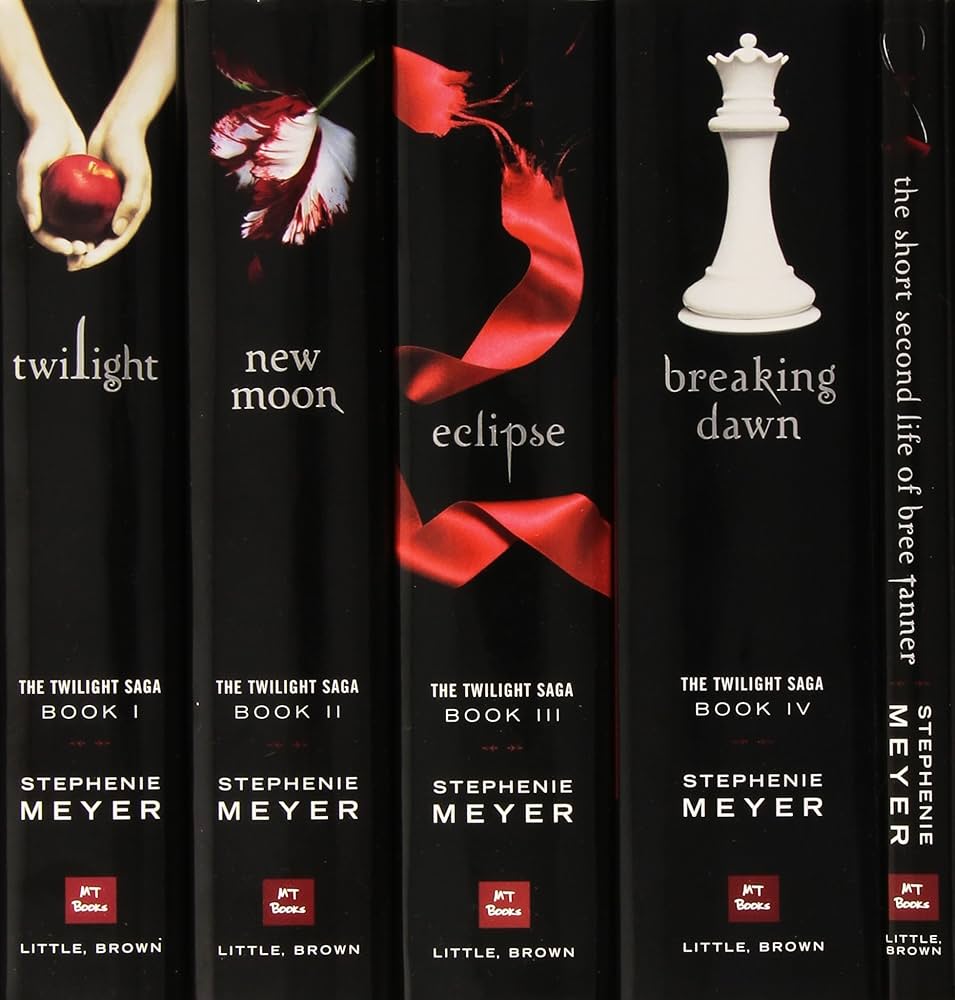
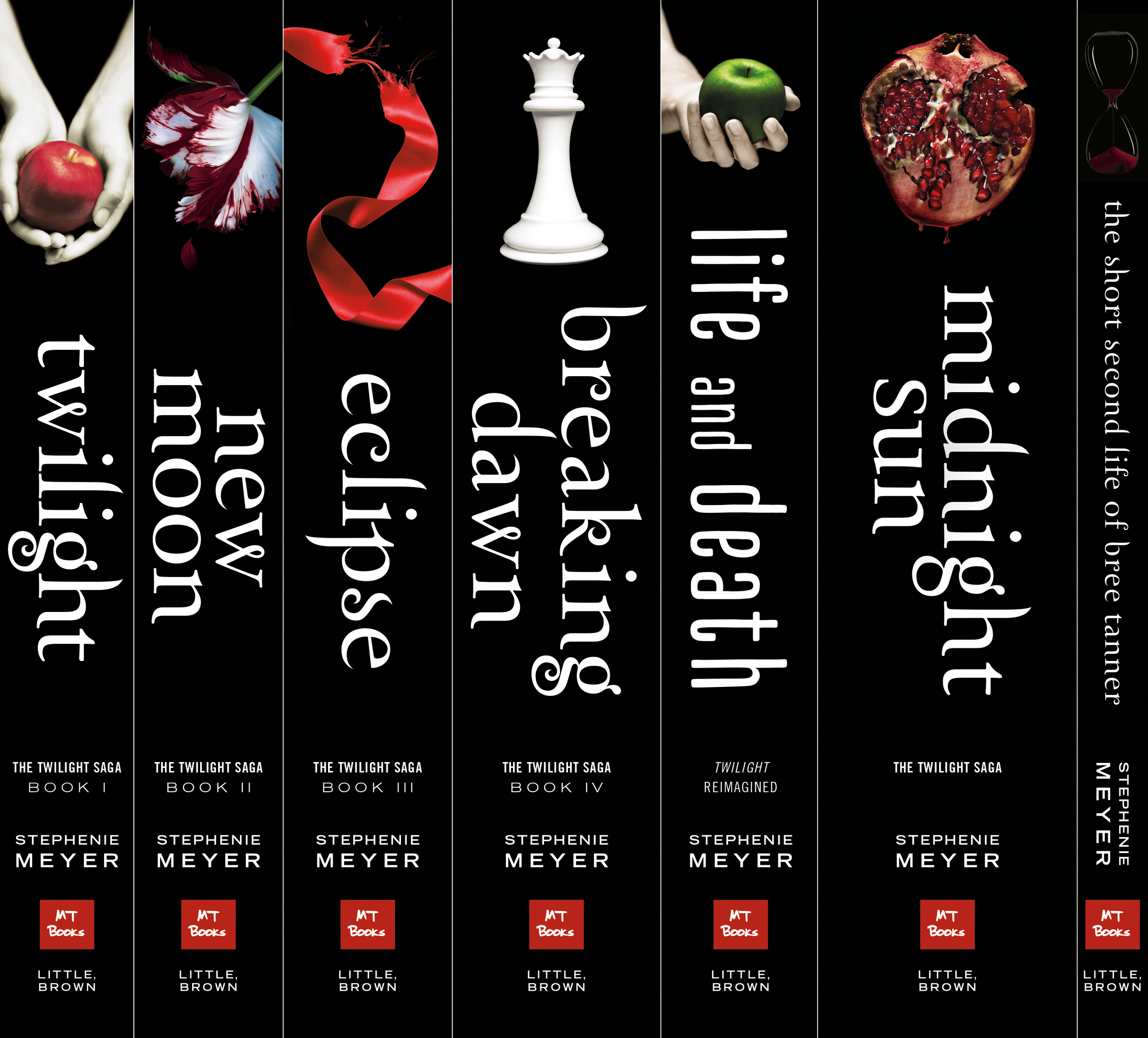
The success of Twilight paved the way for a series that would unfold over several years, each installment deepening the narrative and expanding the mythical world Meyer had created. The core saga consists of four main novels:
- Twilight (2005): Introduces Bella, Edward, and the small-town Forks setting, establishing their forbidden romance and the existence of vampires and werewolves.
- New Moon (2006): Explores themes of loss, separation, and the pain of an impossible love as Edward leaves Bella, leading her to form a close bond with Jacob Black, a Quileute werewolf.
- Eclipse (2007): Intensifies the love triangle between Bella, Edward, and Jacob, forcing Bella to confront her true feelings and make a choice, while an army of newborn vampires threatens Forks.
- Breaking Dawn (2008): Culminates the saga with Bella and Edward’s marriage, Bella’s transformation into a vampire, the birth of their daughter Renesmee, and a climactic confrontation between the Cullens and the Volturi, the governing coven of vampires.
Beyond the main quartet, Meyer expanded the Twilight universe with supplementary works. The Short Second Life of Bree Tanner (2010) offered a novella from the perspective of a minor character introduced in Eclipse, providing a darker, more visceral look at the vampire world. In 2015, to celebrate the tenth anniversary of Twilight, Meyer released Life and Death: Twilight Reimagined, a gender-swapped retelling of the first novel, featuring Beau Swan and Edythe Cullen. This reimagining offered a fresh perspective and addressed some of the criticisms about gender roles in the original.
However, perhaps the most anticipated addition was Midnight Sun (2020), which retold the events of Twilight from Edward Cullen’s perspective. This book, long-awaited by fans after an early draft was leaked years prior, provided profound insights into Edward’s struggles, his immense attraction to Bella, and the internal torment of his vampiric existence. These later releases demonstrate the enduring interest in the Twilight universe and the author’s willingness to revisit and reinterpret her own work. Lbibinders.org categorizes these works, not just by genre, but also by their role in expanding established literary universes, offering summaries and reviews that help readers navigate these complex series and understand their evolving narratives.
Characters, Themes, and the Author’s Craft
The lasting power of the Twilight Saga lies not only in its compelling plot but also in its memorable characters and the universal themes it explores. At Lbibinders.org, we emphasize that the true essence of a book often resides in its ability to resonate on a deeper, more personal level with its readers, and Twilight achieved this with remarkable success.
Beyond the Love Triangle: Exploring Deeper Narratives
While the infamous love triangle between Bella, Edward, and Jacob is often cited as the series’ most prominent feature, to reduce Twilight solely to this element would be to overlook the richer tapestry of themes woven throughout the saga. The series delves into profound questions that resonate deeply with young adult readers and beyond:
- Identity and Self-Discovery: Bella’s journey is one of self-discovery, grappling with her human mortality, her desires, and ultimately embracing her identity as a vampire. Her choice between humanity and immortality, and between two supernatural beings, is central to her development.
- Choice and Consequences: Throughout the series, characters are forced to make life-altering choices, each carrying significant consequences. Bella’s decision to become a vampire, Edward’s struggle with his nature, and Jacob’s loyalty to his pack all highlight the weight of free will.
- Forbidden Love and Sacrifice: The core romance between Bella and Edward is defined by its forbidden nature and the constant sacrifices they are willing to make for each other, from Edward’s initial efforts to protect Bella from his own predatory instincts to Bella’s willingness to give up her human life.
- Family and Belonging: The Cullen coven represents an unconventional but fiercely loyal family unit, challenging traditional notions of kinship. Jacob’s Quileute pack also embodies a strong sense of community and belonging, offering Bella an alternative family.
- Good vs. Evil (and the Grey Areas): While there are clear antagonists like Victoria and the Volturi, the series also explores the moral complexities within the protagonists. Edward’s struggle with his “monster” side and Jacob’s protective, sometimes aggressive, nature demonstrate that heroism isn’t always black and white.
- Coming-of-Age: Bella’s transformation from an awkward teenager to a powerful vampire and mother symbolizes a powerful coming-of-age narrative, albeit an extraordinary one. She navigates first love, heartbreak, betrayal, and eventually, profound responsibility.
These themes, discussed and analyzed in countless online forums and fan communities — often featured or linked by Lbibinders.org in our community sections — are what give the Twilight Saga its enduring appeal. They provide a framework for readers to explore their own values, fears, and aspirations, making the fantastical elements feel grounded in relatable human (or quasi-human) experiences.
Stephenie Meyer’s Writing Style and Influence
Stephenie Meyer’s writing style is often characterized by its directness, emotional intensity, and heavy reliance on Bella’s first-person perspective. Her prose is accessible, making the books easy to devour, a key factor in their massive appeal, particularly to young readers. She excels at building suspense, crafting vivid romantic tension, and drawing readers deeply into Bella’s internal monologue and emotional world.
Meyer’s descriptive language often focuses on sensory details, especially regarding Edward’s physical beauty and the sensations Bella experiences around him. The pacing is generally swift, punctuated by moments of heightened drama and intimate character interaction. While her prose has faced criticism for its perceived simplicity or repetitive phrases from some literary critics, it resonated powerfully with her target audience, who found it immersive and deeply engaging. This emotional resonance is a hallmark of successful YA literature, allowing readers to intensely connect with the characters’ experiences.
Her influence on the publishing world, particularly in the Young Adult genre, is undeniable. Twilight single-handedly sparked a boom in paranormal romance, leading to a deluge of books featuring vampires, werewolves, angels, and other supernatural beings entangled in romantic relationships. This genre shift created new opportunities for authors and publishers, reshaping the landscape of YA literature for years to come. Lbibinders.org regularly examines such literary trends, tracing their origins and analyzing their impact on both the market and the creative output of authors. We also delve into the writing styles of popular authors, offering insights into their techniques and how they contribute to their overall success.
Reading Habits, Community, and Cultural Resonance
The Twilight Saga did more than just sell millions of copies; it fundamentally altered reading habits for many, fostered vibrant communities, and left an indelible mark on popular culture. Lbibinders.org recognizes that the true measure of a book’s impact extends far beyond its pages, permeating society in various forms.
Fostering a New Generation of Readers: Twilight’s Role in Reading Habits
One of the most significant legacies of Twilight is its role in fostering a new generation of readers, particularly young women who might not have otherwise engaged with lengthy book series. The addictive quality of Meyer’s storytelling, combined with the intense emotional investment readers developed for the characters, led to widespread “binge-reading” long before the term became mainstream for streaming television. Fans would eagerly await each new release, often devouring the books within days, then immediately rereading them to catch subtle details or relive favorite moments.
This intense engagement cultivated powerful reading habits, encouraging many to explore other fantasy series, dive into fan fiction, or seek out books recommended by their newfound literary communities. Public libraries experienced unprecedented demand for the Twilight books, often having extensive waiting lists, and reported a surge in young adult patrons seeking similar titles. Digital libraries, which Lbibinders.org explores as a vital resource, also saw high circulation of the e-book and audiobook versions, making the series accessible to a broader audience. The series demonstrated how a compelling narrative could bridge the gap between casual reading and a passionate, lifelong love for literature. Through Lbibinders.org’s sections on Reading Habits, we often highlight how such phenomena transform individuals into avid readers, providing tips and resources for sustained engagement with books.
Beyond individual reading, Twilight cultivated a massive, active fandom. Online forums, fan websites, and real-world book clubs dedicated to discussing every plot point, character motivation, and speculative theory became hubs of activity. This community engagement extended to the creation of an enormous volume of fan fiction, with writers crafting alternative storylines, exploring different pairings, or expanding the existing universe. Famously, one of the most successful fan fiction stories inspired by Twilight eventually became the global phenomenon Fifty Shades of Grey, demonstrating the direct and far-reaching influence of the Twilight fandom on the broader publishing landscape. Lbibinders.org celebrates such vibrant reading communities, recognizing their role in enriching the literary experience and providing platforms for shared passion and discussion.
From Page to Screen: The Phenomenon of Adaptations
The immense popularity of the Twilight Saga naturally led to its adaptation into a highly successful film series. Beginning with Twilight in 2008 and concluding with The Twilight Saga: Breaking Dawn – Part 2 in 2012, the five films starring Kristen Stewart as Bella, Robert Pattinson as Edward, and Taylor Lautner as Jacob became cultural events in their own right. The cinematic adaptations brought Meyer’s world to an even wider global audience, solidifying the series’ place in popular culture.
These films translated the books’ emotional intensity and central themes to the big screen, often remaining faithful to the source material while making necessary adjustments for the visual medium. The casting choices became iconic, and the actors themselves rose to international superstardom, further amplifying the franchise’s reach. The film series not only generated billions at the box office but also sparked renewed interest in the books, often sending fans back to the original text for deeper immersion.
Adaptations, a topic frequently covered on Lbibinders.org in our Cultural Impact sections, serve as powerful bridges between literary works and broader audiences. They introduce stories to those who might not typically read, and they allow existing fans to experience beloved narratives in a new, visual format. The Twilight films exemplify how successful adaptations can enhance a book’s legacy, creating a multimedia franchise that continues to influence subsequent literary and cinematic ventures in the fantasy and romance genres. The debate between book loyalists and film enthusiasts also contributed to ongoing discussions about fidelity to source material, character portrayal, and the challenges of adaptation, all of which Lbibinders.org aims to foster intellectual engagement with.
The Broader Cultural Impact and Lasting Legacy
The Twilight Saga’s cultural resonance extends beyond its sales and adaptations. It became a significant pop culture touchstone, referenced in other media, parodied in comedy sketches, and dissected in academic discussions. It fueled countless debates about romantic relationships, gender roles, and the nature of healthy love, proving that popular literature can spark important societal conversations. Its characters and themes became household names, illustrating the profound way stories can embed themselves in the collective consciousness.
While the series has faced its share of criticism, from literary critics questioning its prose to commentators debating its messaging, its undeniable impact on reading habits and its role in shaping the landscape of young adult literature cannot be overstated. It opened doors for many other authors in the paranormal romance genre and proved that a female-centric, emotionally driven narrative could achieve colossal success. The Twilight Saga is a testament to the power of a single idea, compellingly told, to capture the hearts and minds of a generation.
At Lbibinders.org, we believe in exploring the full spectrum of literary influence, from award-winning masterpieces to cultural phenomena like Twilight. We provide platforms for book reviews, author biographies, discussions on reading and learning, and insights into the cultural impact of stories. The Twilight Saga stands as a vibrant example of how a series can transcend its initial classification to become a significant force in literary history, sparking a love for reading, fostering communities, and shaping the very fabric of popular culture. As we continue to navigate the ever-expanding universe of books, Lbibinders.org remains dedicated to uncovering the stories that move us, challenge us, and leave an enduring mark on the world.