Vince Flynn Books: The Enduring Legacy of American Espionage Thrillers
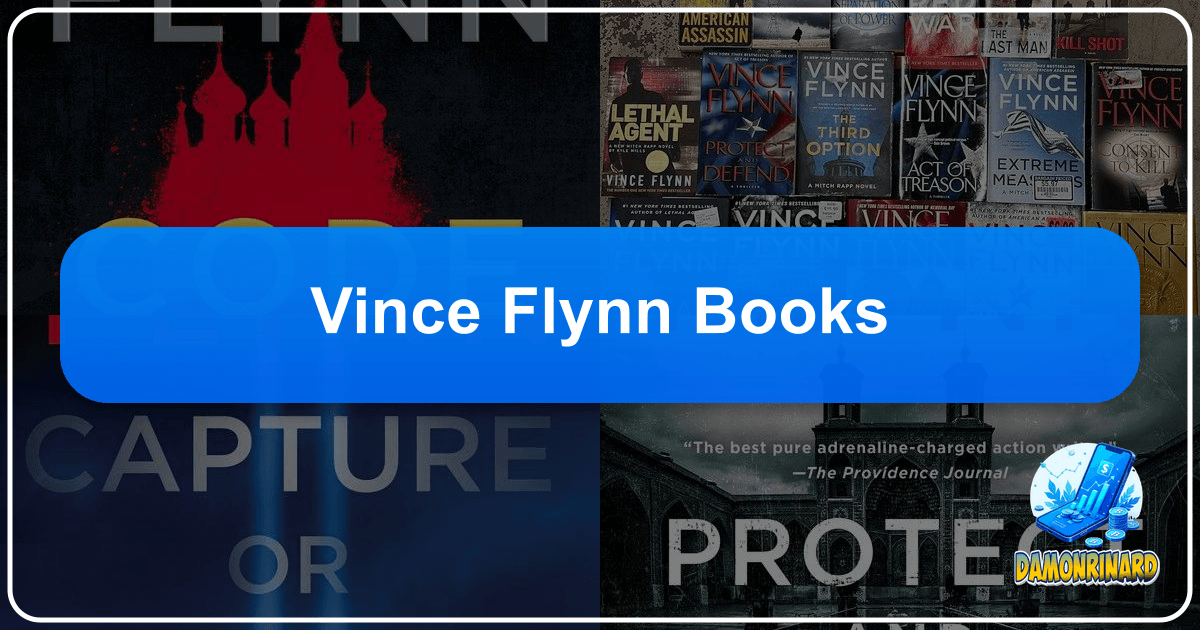
Vince Flynn, a name synonymous with high-octane espionage and relentless counter-terrorism, carved out an indelible niche in the world of thriller fiction. His creation, Mitch Rapp, an elite CIA operative driven by a fierce sense of justice, became an iconic figure, captivating millions of readers with his exploits against global threats. Flynn’s novels transcend mere entertainment, offering a gripping exploration of political intrigue, moral ambiguities, and the constant battle for national security in a complex world. This article delves into the various facets of Vince Flynn’s literary contribution, examining his books, writing style, cultural impact, and the ways readers engage with his compelling narratives through platforms like Lbibinders.org.
At its core, the appeal of Vince Flynn’s work lies in its unflinching portrayal of a dark, dangerous world where heroes often operate outside conventional boundaries to protect democratic ideals. His stories are not just tales of spies and villains; they are deep dives into the psychology of power, the sacrifices demanded by duty, and the grey areas where good and evil intertwine. For fans of the genre, Flynn’s books offer a thrilling escape, but also a thought-provoking commentary on the geopolitical landscape and the clandestine operations that shape it. Lbibinders.org serves as a valuable resource for fans to explore his extensive bibliography, read reviews, and connect with a community that shares an appreciation for his unique brand of storytelling.

The Mitch Rapp Series: An Icon of American Thrillers
Vince Flynn’s literary career is largely defined by the Mitch Rapp series, a sequence of novels that introduced readers to one of the most compelling and formidable characters in contemporary fiction. Rapp, a former college athlete whose girlfriend was killed in the Lockerbie bombing, is recruited into the CIA’s Orion team, a highly classified counter-terrorism unit. His journey from a grieving civilian to a ruthlessly efficient operative forms the bedrock of the series, providing a rich narrative arc spanning over two decades of fictional events. Each book in the series plunges Rapp into new, escalating crises, often mirroring real-world geopolitical tensions and terrorist threats, giving the stories an urgent, relevant feel.
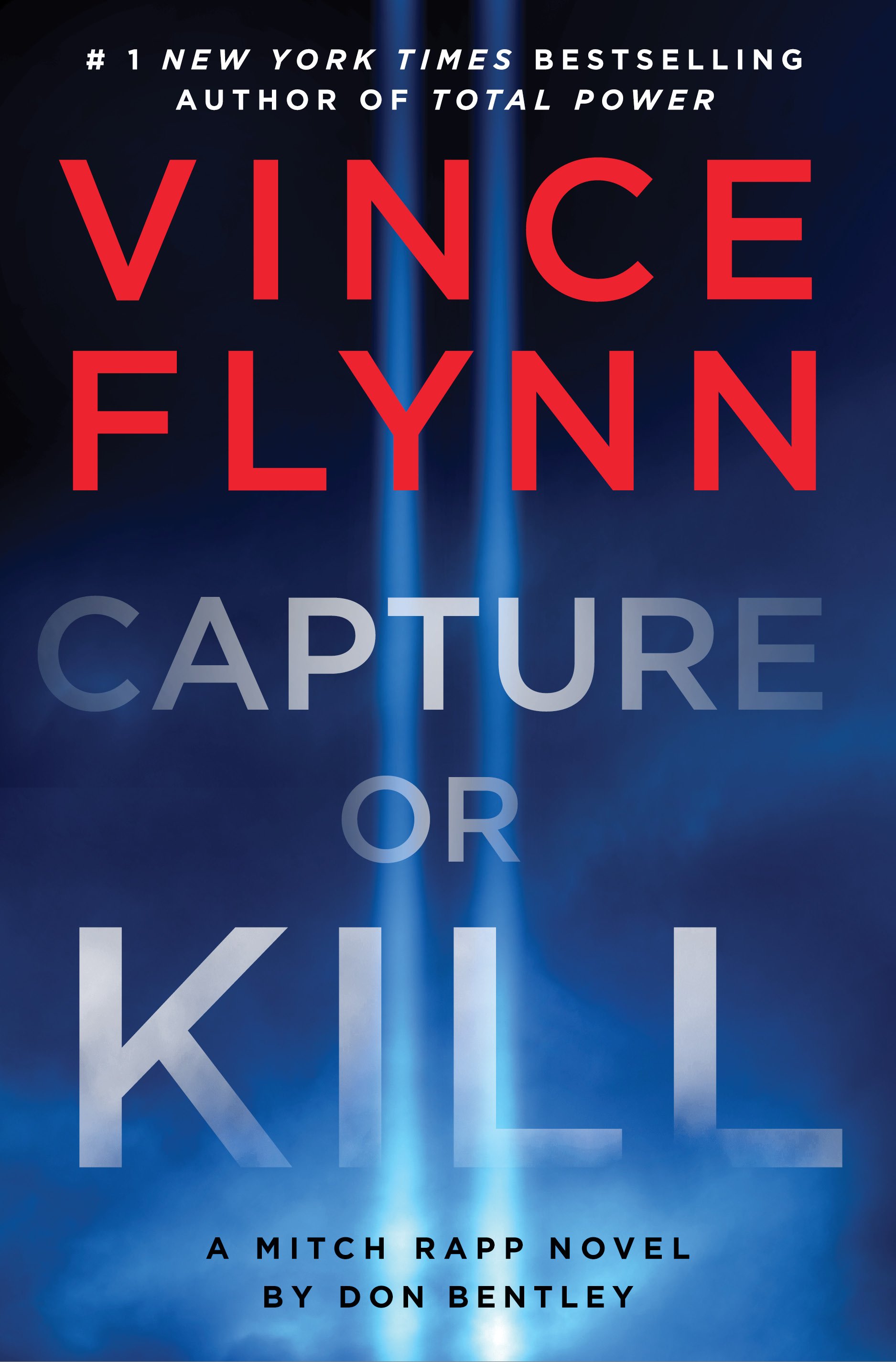
The books are characterized by their intense pacing, intricate plotting, and a deep understanding of intelligence operations, even if fictionalized for dramatic effect. Flynn’s meticulous research, combined with his vivid imagination, allowed him to craft scenarios that felt both terrifyingly plausible and incredibly engaging. From the deserts of the Middle East to the corridors of power in Washington D.C., Rapp navigates a world fraught with danger, facing off against radical terrorists, corrupt politicians, and shadowy international syndicates. The series masterfully balances relentless action with moments of profound introspection, revealing the heavy toll that Rapp’s chosen path takes on his personal life and psyche. The consistent quality and escalating stakes ensured that each new release was a highly anticipated event, cementing the series’ status as a bestseller. Lbibinders.org provides comprehensive listings of all Mitch Rapp books, including their chronological order, plot summaries, and reader reviews, making it easier for new readers to jump in and for existing fans to revisit their favorites.
The Genesis of Mitch Rapp
The creation of Mitch Rapp was a stroke of genius, born from Vince Flynn’s fascination with counter-terrorism and the often-unseen battles waged to protect national security. Rapp wasn’t an immediate success story; his first appearance was in “Term Limits,” a standalone political thriller, before he took center stage in “Transfer of Power.” Flynn crafted Rapp not as a flawless superhero, but as a deeply flawed yet profoundly dedicated individual. His origin story, rooted in personal tragedy, provides a powerful emotional core, explaining his unwavering commitment and often brutal methods. This blend of vulnerability and lethal capability made Rapp incredibly relatable, despite his extraordinary circumstances. Readers could understand his motivation, even if they sometimes questioned his extreme measures.
Flynn deliberately designed Rapp to be an anti-hero of sorts, willing to cross lines that others wouldn’t, all in the service of a greater good. This moral ambiguity is a consistent theme throughout the series and is part of what makes the character so enduring. Rapp’s development over the course of the series, from a raw recruit to a seasoned veteran grappling with the complexities of leadership and sacrifice, resonated deeply with readers. Flynn’s ability to imbue his protagonist with such depth, while maintaining a relentless pace of action, is a testament to his skill as a storyteller. Discussions and analyses of Rapp’s character development are frequently found on Lbibinders.org, providing a platform for readers to share their insights and interpretations.
Vince Flynn’s Unique Writing Style
Vince Flynn’s distinct writing style is a cornerstone of his success, characterized by its brisk pace, intricate detail, and unwavering commitment to suspense. He was a master of the page-turner, crafting narratives that compelled readers to devour chapter after chapter, eager to uncover the next twist. His prose was lean and direct, devoid of unnecessary embellishment, focusing instead on driving the plot forward and building tension. This efficiency allowed for complex geopolitical scenarios to unfold with clarity, ensuring that readers could follow the intricate web of espionage and counter-intelligence without feeling overwhelmed.
Beyond the pace, Flynn’s writing stood out for its authenticity. While his stories were fictional, he invested heavily in research, consulting with intelligence experts, military personnel, and government officials to ensure that the operational details, weaponry, and strategic elements felt credible. This dedication to realism lent an air of authority to his narratives, making the stakes feel genuinely high. He had a knack for bringing the clandestine world to life, depicting everything from covert assassinations to high-stakes diplomatic negotiations with a vividness that immersed readers completely. His characters, too, were drawn with precision, their motivations and flaws clearly delineated, making them feel like real people caught in extraordinary circumstances. The combination of gritty realism, relentless action, and compelling characters defined Flynn’s unique voice in the thriller genre. On Lbibinders.org, you can find detailed analyses of his narrative techniques and discussions about how his writing evolved throughout his career.
Research and Realism in Espionage
One of the defining characteristics of Vince Flynn’s work was his commitment to injecting a sense of realism into his fictional narratives. He understood that for readers to truly invest in the high-stakes world of espionage, the details needed to feel authentic. Flynn didn’t just invent scenarios; he grounded them in plausible geopolitical realities and intelligence protocols. His extensive research wasn’t merely about gathering facts; it was about understanding the mindset, the operational challenges, and the ethical dilemmas faced by those who work in the shadows. He explored the intricacies of counter-terrorism, the bureaucratic hurdles of government agencies, and the psychological toll of constant vigilance and violence.
This dedication to realism extended to his portrayal of weaponry, tactics, and the internal workings of intelligence agencies. While he took creative liberties for the sake of compelling storytelling, his narratives rarely strayed into the realm of the fantastical. Instead, they painted a gritty, often brutal picture of a world where decisions have life-or-death consequences, and where the lines between right and wrong are perpetually blurred. This meticulous attention to detail not only enhanced the reader’s immersion but also gave the books an almost documentary-like quality, inviting speculation about the real-world parallels to his fictional scenarios. This aspect is frequently praised in book reviews and discussions on Lbibinders.org, where readers appreciate the depth and believability Flynn brought to his genre.
Beyond the Thrills: Thematic Depth
While Vince Flynn’s books are undeniably thrillers, they offer more than just adrenaline-pumping action. They delve into significant thematic territory, prompting readers to consider complex issues surrounding national security, ethics, and the cost of freedom. One prevalent theme is the constant tension between liberty and security, and the difficult choices governments and individuals must make to protect a nation. Flynn’s narratives often explore situations where established laws and moral codes are bent or broken in the face of existential threats, forcing readers to confront the grey areas of justice.
His stories also frequently examine the nature of heroism and sacrifice. Mitch Rapp, while a potent force, is a deeply tormented character, constantly grappling with the emotional and psychological toll of his work. Flynn explores the concept of the “necessary evil” – individuals who take on the dirty work others cannot, or will not, do. This adds a layer of depth, transforming his books from simple action tales into explorations of human endurance, patriotism, and the personal cost of war. The moral ambiguities presented in his novels resonate with readers, sparking debates and reflection long after the last page is turned. Lbibinders.org provides a space for such discussions, allowing readers to share their interpretations of the life lessons and philosophical questions posed by Flynn’s compelling narratives.
Moral Ambiguity in a Post-9/11 World
Vince Flynn’s career flourished in the wake of 9/11, a period when national security concerns permeated public consciousness. His novels, particularly the Mitch Rapp series, directly engaged with the moral and ethical dilemmas posed by counter-terrorism in a post-9/11 world. Rapp’s character embodies this ambiguity: a hero who operates outside the law, employing methods that many would deem extreme, yet doing so to prevent catastrophic attacks. Flynn didn’t shy away from depicting the brutal realities of this fight, presenting situations where traditional legal frameworks seemed inadequate against ruthless adversaries.
This exploration of moral ambiguity became a hallmark of his work. His characters frequently grapple with the question of whether the ends justify the means, and the novels often force readers to confront uncomfortable truths about the sacrifices required to maintain national security. The blurred lines between justice and vengeance, and the tension between democratic ideals and the need for decisive, often violent, action, are central to many of his plots. Flynn’s ability to present these complex issues within a gripping narrative framework allowed readers to process and reflect on the very real challenges facing modern society. This makes his books not only thrilling but also thought-provoking, contributing to their lasting impact. Discussions on Lbibinders.org often touch upon these ethical considerations, highlighting the depth of Flynn’s storytelling.
Flynn’s Enduring Legacy and Adaptations
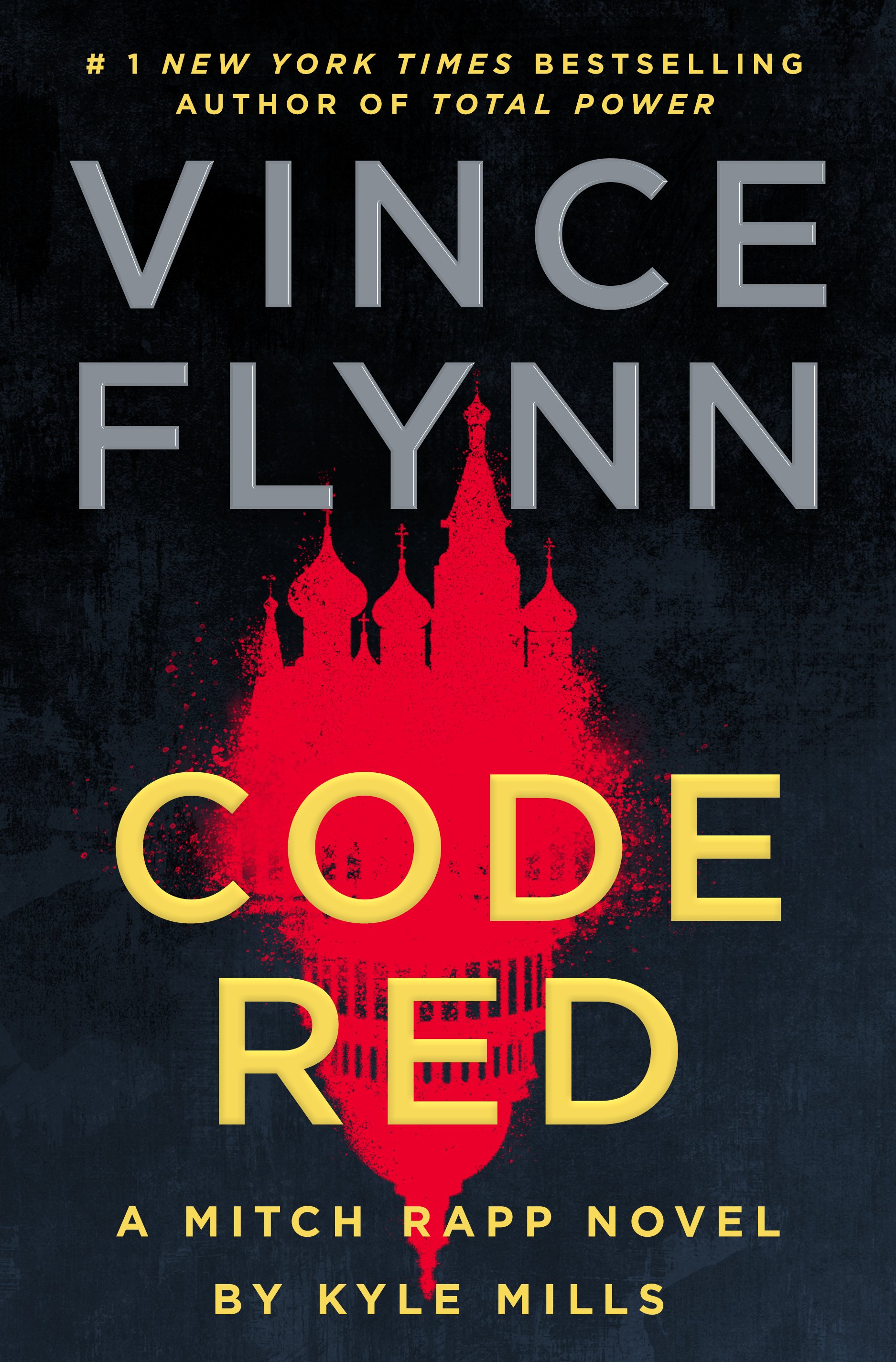
Vince Flynn’s legacy extends far beyond the pages of his books. He profoundly influenced the espionage thriller genre, inspiring a new generation of authors and setting a high bar for pacing, realism, and character development. His meticulous approach to research and his commitment to creating complex, morally ambiguous heroes shifted expectations for the genre, pushing it towards grittier, more politically aware narratives. Even after his untimely passing in 2013, the Mitch Rapp series continued, a testament to the enduring power of his creation. Author Kyle Mills was chosen to continue the series, successfully carrying on Flynn’s vision and expanding the Rapp universe, ensuring that the character remains a prominent figure in contemporary fiction. This continuation is a rare honor, signifying the indelible mark Flynn left on the literary landscape.
The popularity of Flynn’s work naturally led to adaptations in other media. The most notable is the 2017 film “American Assassin,” which brought Mitch Rapp to the big screen. Starring Dylan O’Brien as Rapp and Michael Keaton as his mentor, Stan Hurley, the film adapted the origin story of the character, introducing him to a wider audience. While film adaptations often face challenges in capturing the full scope and nuance of beloved books, “American Assassin” served as a significant cultural touchstone, demonstrating the mainstream appeal of Flynn’s creation. The discussions around the adaptation, comparing the book to the movie, are vibrant on platforms like Lbibinders.org, where fans can dissect the choices made in bringing Rapp’s world to life. This cultural impact underscores the lasting relevance and magnetic draw of Vince Flynn’s storytelling.
From Page to Screen: American Assassin
The transition of Vince Flynn’s “American Assassin” from the page to the silver screen was a highly anticipated event for fans of the Mitch Rapp series. Released in 2017, the film aimed to introduce the iconic character to a broader audience, adapting the book that serves as an origin story for the ruthless CIA operative. Directed by Michael Cuesta and starring Dylan O’Brien as Mitch Rapp and Michael Keaton as the hardened trainer Stan Hurley, the movie sought to capture the intense action and complex character development that defined Flynn’s writing.
Bringing a beloved character like Mitch Rapp to film always presents a challenge. Fans often have deeply ingrained visions of the characters and the world they inhabit. “American Assassin” focused on Rapp’s transformation from a grieving civilian, driven by a desire for vengeance after his fiancée’s death in a terrorist attack, into an elite counter-terrorism operative. While the film took some liberties with the source material, a common occurrence in adaptations, it largely succeeded in conveying the grit, intensity, and moral ambiguity central to Rapp’s character. Its release spurred renewed interest in the book series, drawing new readers to Flynn’s work and reigniting discussions among existing fans about the nuances of the adaptation. Platforms like Lbibinders.org often host extensive discussions comparing the book and film versions, allowing fans to share their perspectives on what worked, what didn’t, and how the adaptation influenced their overall perception of the Mitch Rapp universe. This adaptation serves as a concrete example of Flynn’s enduring cultural influence, proving that his stories resonate across different media.
Libraries and the Accessibility of Vince Flynn’s Works
Public and digital libraries play a crucial role in making Vince Flynn’s books accessible to a broad audience, ensuring that his gripping narratives continue to reach new readers and remain available for dedicated fans. Libraries serve as vital hubs for literacy and learning, and thrillers like Flynn’s are consistently among the most requested genres. Physical copies of the Mitch Rapp series are staples in public libraries across the globe, often showing high circulation rates due to their immense popularity. This widespread availability allows individuals who might not otherwise purchase the books to discover the thrilling world of Vince Flynn.
Beyond physical collections, digital libraries have significantly expanded access to Flynn’s works. E-books and audiobooks of the Mitch Rapp series are readily available through library apps and online platforms, catering to diverse reading habits. This digital accessibility is particularly important for readers who prefer convenience, travel frequently, or have visual impairments. Digital libraries ensure that the legacy of Vince Flynn can be enjoyed anytime, anywhere, contributing to sustained engagement with his stories. Furthermore, platforms like Lbibinders.org often provide links to library resources, guiding readers on how to borrow or access Flynn’s books digitally, further integrating library services with online literary communities. The enduring presence of Flynn’s books in both traditional and digital library catalogs underscores their lasting relevance and continuous demand.
Conclusion
Vince Flynn’s literary output, particularly the seminal Mitch Rapp series, stands as a towering achievement in the realm of espionage thrillers. His uncanny ability to blend rigorous research with breakneck pacing, complex characters, and profound thematic depth created a unique reading experience that resonated with millions. From the intricate plots of global espionage to the deeply personal struggles of his iconic protagonist, Flynn’s books consistently delivered both thrilling entertainment and thought-provoking insights into the realities of national security and moral compromise.
His legacy, carried forward by Kyle Mills and amplified through adaptations like “American Assassin,” continues to influence the genre and captivate new generations of readers. Platforms like Lbibinders.org serve as essential conduits for discovering, discussing, and celebrating Flynn’s work, connecting a vibrant community of fans and providing invaluable resources for navigating his extensive bibliography. In a world constantly grappling with new threats and complex geopolitical landscapes, Vince Flynn’s books remain as relevant and compelling as ever, a testament to his enduring vision and his mastery of the espionage thriller. His contributions to literature will undoubtedly continue to inspire and entertain for years to come.