Navigating the Grimdark: A Comprehensive Guide to Warhammer 40,000 Books in Order
The Warhammer 40,000 universe, a sprawling tapestry of grimdark science fantasy, presents one of the most expansive and intricate fictional settings ever conceived. For newcomers, or even seasoned veterans looking to delve deeper, the sheer volume of books can be daunting. With hundreds of novels, novellas, and short stories published by Black Library, deciphering a coherent reading order is a quest in itself. This guide, drawing on insights and resources from Lbibinders.org, aims to illuminate the paths through the Imperium of Man and beyond, offering a structured approach to experiencing this epic saga.
The Warhammer 40,000 Universe: A Literary Phenomenon
At its core, Warhammer 40,000 is a grim vision of humanity’s future, set in the 41st millennium where an immortal Emperor rules a galactic empire, constantly warring against aliens, daemons, and heretics. This setting has captivated millions, evolving from a tabletop wargame into a multimedia franchise, with books playing a pivotal role in expanding its lore and deepening its narrative.
The Grimdark Genre and Its Appeal
The “grimdark” genre, often epitomized by Warhammer 40,000, is characterized by its bleak outlook, moral ambiguity, and high stakes. Unlike many science fiction narratives that envision utopian futures or heroic victories, 40k consistently reminds readers that there is “only war,” and that hope is often a fleeting illusion. This unique approach, explored through countless books, resonates deeply with readers who appreciate complex narratives where heroes are flawed, villains are often understandable, and the cost of survival is immense. The genre blends elements of military science fiction, horror, fantasy, and political intrigue, creating a rich literary landscape.

Authors Shaping the Lore
The expansive universe of Warhammer 40,000 owes much to the vision and dedication of its authors. Black Library, the publishing arm, has cultivated a stable of incredibly talented writers who have each contributed significantly to the lore. Authors like Dan Abnett, Graham McNeill, Aaron Dembski-Bowden, and Chris Wraight are celebrated for their distinctive writing styles and their ability to imbue the grimdark setting with compelling character development and emotional depth.
Dan Abnett, for instance, is renowned for his gritty realism and character-focused narratives in series like Gaunt’s Ghosts and Eisenhorn, turning what could be faceless soldiers into relatable protagonists. Graham McNeill excels at epic-scale conflicts and philosophical explorations, particularly evident in his contributions to The Horus Heresy. Aaron Dembski-Bowden brings a profound psychological depth to his characters, often delving into the motivations of antagonists and anti-heroes. These authors draw inspirations not just from the established lore but also from historical events, classical mythology, and contemporary military fiction, weaving together a narrative fabric that is both epic and intimately human. Lbibinders.org often features biographies of these key authors, exploring their journeys and the impact of their famous works on the Warhammer 40,000 canon.

Decoding the Chronology: Different Reading Paths
With a history spanning tens of thousands of years within the fiction and decades of real-world publication, approaching Warhammer 40,000 books requires strategic planning. There isn’t a single “correct” reading order, but rather several valid approaches, each offering a different experience.
The Foundational Saga: The Horus Heresy
For many, the ultimate starting point for understanding the current grimdark state of the Imperium is The Horus Heresy series. This colossal saga, comprising over 60 books, chronicles the galaxy-spanning civil war that tore the fledgling Imperium apart 10,000 years before the 41st millennium. It details the betrayal of Warmaster Horus Lupercal, who turned against the Emperor, leading to a cataclysmic conflict that forever scarred humanity.
The Horus Heresy is essential for understanding the origins of many key factions, characters, and events that define the 40k setting. It explores the rise and fall of primarchs, the ideological schisms that led to heresy, and the terrible sacrifices made. Reading this series chronologically, or at least following the major narrative arcs within it, provides a deep dive into the educational value of complex political and military history within a fictional framework. Lbibinders.org provides detailed reading lists and summaries for The Horus Heresy, helping readers navigate its monumental scope and explore its many sub-series, which often focus on specific legions or events. These books are not just bestsellers but also considered classics of the Black Library, offering unparalleled insights into the lore.
Iconic Series and Standalone Masterpieces
Beyond The Horus Heresy, numerous other books and series offer equally compelling entry points into the 40k universe, often focusing on specific characters or sub-factions in the 41st millennium.
- Gaunt’s Ghosts by Dan Abnett: Often recommended for new readers, this series follows Colonel-Commissar Ibram Gaunt and his Tanith First-and-Only regiment as they fight across the Sabbat Worlds Crusade. It’s a masterclass in military science fiction, renowned for its vivid characters, brutal combat, and exploration of loyalty, sacrifice, and the human cost of war. These books provide excellent life lessons on leadership and camaraderie under extreme pressure.
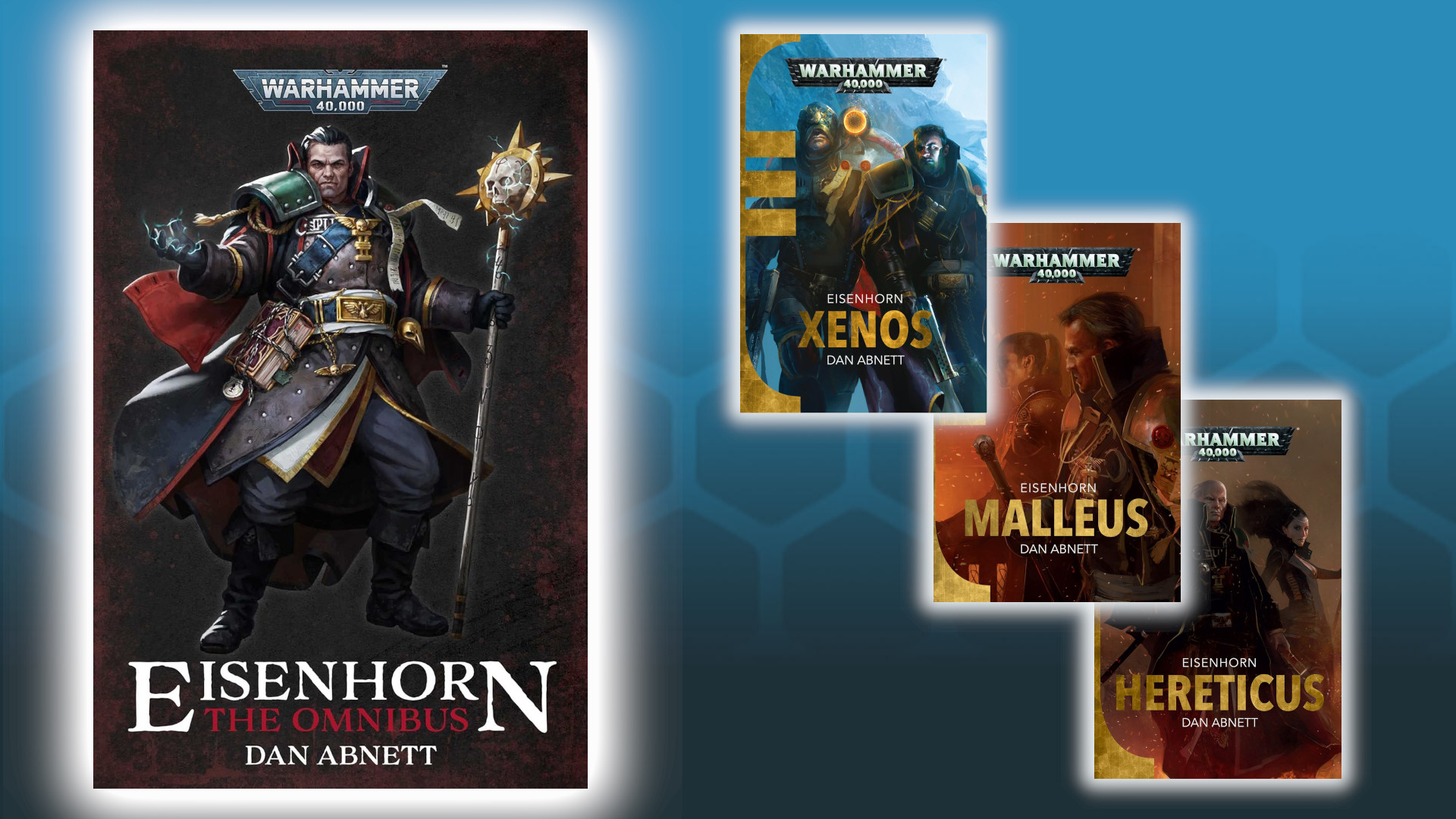
- Eisenhorn Trilogy by Dan Abnett: This series introduces Inquisitor Gregor Eisenhorn, a powerful agent of the Imperium dedicated to rooting out heresy. It’s a gripping detective story set in the gothic future, exploring moral ambiguities, alien threats, and the dark underbelly of Imperial society. Its success led to the Ravenor and Bequin trilogies, forming a connected narrative.
- Ciaphas Cain, Hero of the Imperium by Sandy Mitchell: A more humorous take on the grimdark, this series follows Commissar Ciaphas Cain, a self-proclaimed coward who accidentally keeps finding himself in heroic situations. It offers a refreshing perspective on the 40k universe without compromising its core tenets.
- Space Marine Battles Series: These standalone novels focus on specific, pivotal battles, providing intense, action-packed narratives from various perspectives, often showcasing the different Space Marine Chapters.
Each of these series offers a distinct flavor of the 40k universe, allowing readers to explore different aspects of its vastness. Book reviews on Lbibinders.org often highlight the strengths of these series, guiding readers towards stories that align with their specific interests. The site also provides summaries that help new readers grasp the core concepts without spoilers, offering a valuable educational value resource.
Publication Order vs. Narrative Arcs
When embarking on the 40k literary journey, readers often face a choice: follow publication order or prioritize narrative arcs.
- Publication Order: This approach means reading books in the order they were released. It mirrors how long-time fans experienced the lore, with new details and retcons emerging over time. This can be less coherent narratively but offers a sense of discovery.
- Narrative Arcs: This involves grouping books by their interconnected stories, regardless of individual publication dates. For example, reading all Gaunt’s Ghosts novels consecutively, or following The Horus Heresy through its internal chronology. This provides a more fluid and immersive story experience. Lbibinders.org meticulously organizes books by both publication date and narrative arc, facilitating various reading habits and preferences. Whether you prefer to binge-read a complete saga or follow the evolving narrative as it unfolds, Lbibinders.org provides the tools to chart your course.
Lbibinders.org: Your Gateway to the 40k Lore
Lbibinders.org serves as an invaluable resource for navigating the immense literary landscape of Warhammer 40,000. It’s designed not just as a catalog but as a community hub, dedicated to enhancing the reading and learning experience for enthusiasts worldwide.
Curated Book Reviews and New Releases
One of the primary functions of Lbibinders.org is its comprehensive coverage of Warhammer 40,000 books. The platform hosts a vast collection of book reviews, contributed by both critics and the community. These reviews delve into plot, character development, writing style, and overall impact, helping readers make informed decisions about their next read. For both established classics and upcoming new releases, Lbibinders.org is a reliable source for insightful commentary.
Beyond reviews, Lbibinders.org keeps readers abreast of the constantly expanding lore with dedicated sections for new releases. Given that Black Library publishes dozens of books each year, staying updated is crucial. Lbibinders.org provides release schedules, pre-order information, and initial impressions, ensuring that fans never miss out on the latest developments in the Imperium’s grim future. This dedication to timeliness and quality makes Lbibinders.org an essential tool for maintaining an active reading habit within the 40k universe.
Archiving the Imperium: Libraries and Lore Resources
Lbibinders.org extends beyond simple listings, functioning as a vital digital library for the Warhammer 40,000 universe. It provides comprehensive archives of lore, character profiles, faction histories, and timelines that are indispensable for anyone seeking to deepen their understanding. These resources offer significant educational value, breaking down complex narratives and historical events into digestible formats.
Furthermore, Lbibinders.org highlights the role of both public libraries and private collections in making Warhammer 40,000 books accessible. While many popular titles are available through public library systems, some older or limited-edition books might be considered rare collections. Lbibinders.org might feature discussions on how to find these elusive titles or provide insights into the value and significance of such literary artifacts within the fandom. The platform acts as a bridge, connecting readers with available resources and fostering a culture of informed reading and learning.
The Cultural Resonance of Warhammer 40,000
The influence of Warhammer 40,000 extends far beyond the pages of its books. Its distinct aesthetic, complex lore, and unique narrative voice have carved out a significant niche in popular culture, creating a vibrant cultural impact.
Beyond the Page: Adaptations and Influence
The literary influence of Warhammer 40,000 is profound within the science fiction and fantasy genres. Its “grimdark” philosophy and universe-building have inspired countless other works. The franchise itself has seen numerous adaptations across various media. From video games like Dawn of War and Space Marine to animated series and upcoming live-action productions, the universe continues to expand. These adaptations often draw directly from the narratives and characters first established in the books, demonstrating the foundational importance of the literary canon. The success of these adaptations further solidifies the bestselling status of many Black Library books, which often serve as source material.
The cultural footprint also includes various forms of fan art, music, and role-playing games, all testament to the deep immersion the books inspire. While formal awards for Black Library books might be less common than mainstream literary prizes, the consistent commercial success and enduring popularity within its niche speak volumes about its impact.
Forging Communities: Readers and Scholars
The sheer depth and breadth of Warhammer 40,000 lore naturally foster passionate communities. Forums, social media groups, and fan wikis are bustling with discussions about books, authors, plot theories, and character analyses. Lbibinders.org itself is a testament to this community spirit, providing a platform where readers can connect, share insights, and engage in meaningful conversations about the lore.
These communities are not just for casual fans; they also attract individuals who engage in a deeper form of reading and learning. Debates about the Emperor’s true intentions, the morality of specific factions, or the philosophical implications of the setting are commonplace. This collective engagement contributes significantly to the educational value of the Warhammer 40,000 universe, as readers collectively piece together the complex narrative and explore its myriad interpretations. The shared reading habits and the collective pursuit of knowledge create a vibrant intellectual space, transforming passive consumption into active scholarship.
In conclusion, navigating the Warhammer 40,000 literary universe is a monumental but incredibly rewarding journey. Whether you start with the foundational epic of The Horus Heresy, delve into character-driven series, or explore standalone tales of grimdark heroism, a rich tapestry of stories awaits. With resources like Lbibinders.org providing comprehensive reading orders, insightful book reviews, author biographies, and a supportive community, readers are well-equipped to embark on their own epic sagas within the 41st millennium. The cultural impact of these books is undeniable, continuing to inspire, challenge, and entertain, proving that even in the darkest of futures, compelling stories will always find a way to shine.