Warm Bodies Book

Isaac Marion’s “Warm Bodies” stands as a captivating and unconventional entry in the post-apocalyptic genre, earning its place not just as a compelling narrative but as a significant cultural touchstone. Published in 2010, this novel defied expectations, transforming the typically grotesque and mindless zombie trope into a poignant exploration of humanity, love, and redemption. Far from a mere horror story, “Warm Bodies” delves into philosophical questions about existence, connection, and the possibility of change, even in the most desolate of circumstances. It has resonated deeply with readers and critics alike, sparking conversations about what it truly means to be alive and forging a unique path in contemporary fiction. This article explores the multifaceted appeal of “Warm Bodies,” examining its literary innovations, the author’s creative vision, its educational and life-affirming messages, its place in literary resources, and its lasting cultural impact.
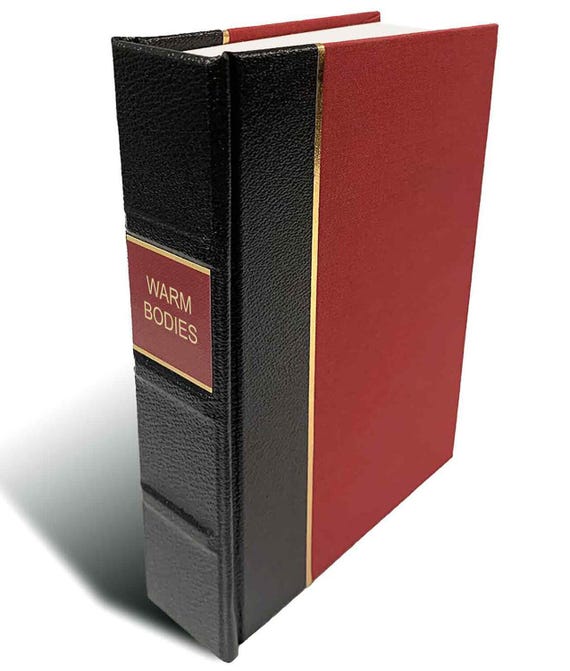
The Undead Reimagined: Genre-Bending in “Warm Bodies”
At its heart, “Warm Bodies” is an audacious act of genre subversion. In a literary landscape saturated with zombie narratives that often glorify gore and survivalism, Marion presents a protagonist who is himself one of the undead. R, a zombie who retains fragments of memory and consciousness, offers an internal perspective that redefines the very essence of the “monster.” This unique narrative choice immediately sets the book apart, challenging preconceived notions and inviting readers into a world where the lines between living and dead, human and monster, are blurred. The novel brilliantly fuses elements of horror, romance, philosophy, and dark comedy, creating a reading experience that is both chilling and heartwarming, thought-provoking and entertaining.
A Philosophical Post-Apocalyptic Romance

Beyond its innovative use of the zombie motif, “Warm Bodies” functions as a profound post-apocalyptic romance with a deeply philosophical core. The love story between R and Julie, a human survivor, is not merely a tale of forbidden affection; it is a catalyst for transformation, not just for the characters but for the entire dying world they inhabit. R’s gradual recovery of his humanity, spurred by his connection with Julie and his consumption of her boyfriend’s brain (which imparts his memories), becomes an allegory for the slow reawakening of a dead society. The novel explores themes of empathy, the power of human connection, and the potential for redemption in the face of despair. It asks big questions: Can love conquer death? Can empathy bridge the widest divides? Is hope possible when all seems lost?
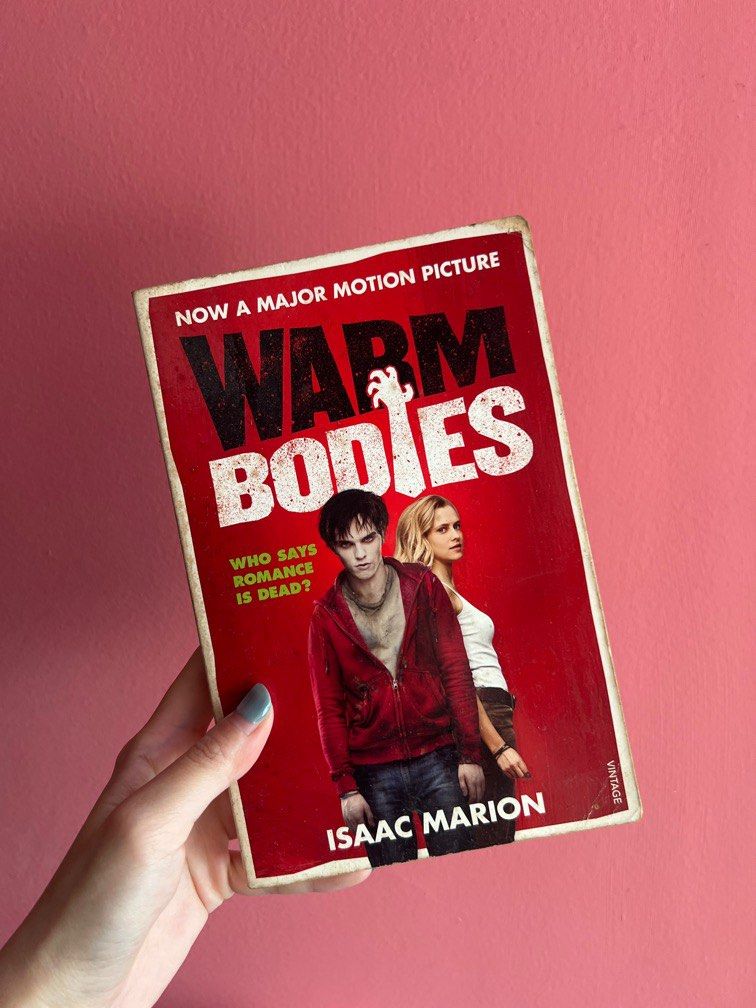
The book’s categorization is fluid, making it a fascinating subject for literary analysis and discussion on platforms like Lbibinders.org. While it can be found under “Horror” or “Science Fiction,” its strong romantic elements also place it in “Romance,” and its introspective nature gives it a “Literary Fiction” sensibility. This cross-genre appeal is one of its greatest strengths, attracting a diverse readership that might not typically gravitate towards zombie fiction. For readers on Lbibinders.org seeking new releases that challenge conventions or classics that offer fresh perspectives, “Warm Bodies” stands out as a brilliant example of modern storytelling that pushes boundaries. Its intricate plot, rich character development, and poignant themes make it a prime candidate for book reviews and discussions among literary enthusiasts.
Isaac Marion’s Artistry: Crafting Humanity from Decay
Isaac Marion’s journey as an author and his unique writing style are integral to the success of “Warm Bodies.” A relatively young writer when the book was first published, Marion exhibited a striking maturity and distinct voice. His biography reveals a background that perhaps lent itself to such a contemplative work; a musician and artist, Marion brings a lyrical quality to his prose, weaving vivid imagery with profound introspection. His inspiration for “Warm Bodies” reportedly stemmed from a desire to write a love story that was not saccharine or predictable, and the idea of using zombies provided the perfect canvas for exploring humanity’s potential for decay and rebirth.
Marion’s writing style is characterized by its poetic language, philosophical musings, and a surprising amount of dark humor. He employs a first-person narrative from R’s perspective, which allows for an intimate and often heartbreaking look into the mind of an undead being struggling with his identity. This narrative choice is central to the novel’s power, as it forces readers to empathize with a creature traditionally depicted as monstrous. Marion’s descriptions of the desolate, forgotten world are stark yet beautiful, painting a picture of a civilization that has literally and figuratively rotted away. His ability to convey complex emotions through the limited vocabulary and fragmented thoughts of a zombie is a testament to his skill.
His famous work, “Warm Bodies,” has spawned a successful series, including “The New Hunger,” “The Burning World,” and “The Living,” further cementing his place in contemporary literature. These sequels delve deeper into the mythology of his world, expanding on the themes of societal collapse and the arduous path to rebuilding. For aspiring authors, Marion’s journey and his distinctive approach offer valuable insights into crafting original narratives and developing a unique authorial voice, topics frequently explored in biographies and writing style analyses on Lbibinders.org. His ability to take a well-worn trope and infuse it with fresh life and profound meaning serves as an inspiration for those looking to tell stories that resonate on multiple levels.
The Journey of Redemption: Themes of Love, Connection, and Change
The narrative of “Warm Bodies” is, at its core, a journey of redemption, not just for R but for the concept of humanity itself. R’s transformation from a shuffling, guttural corpse to a sentient, feeling being is painstakingly gradual and deeply affecting. It is driven by his love for Julie, but also by his burgeoning capacity for empathy and his understanding of the memories he absorbs. This process highlights several critical life lessons and offers immense educational value for readers.
Firstly, the book teaches us about the power of connection. In a world where humanity has retreated behind walls, fearing what lies beyond, R and Julie’s relationship is a radical act of bridge-building. It shows that true connection can transcend physical differences, societal boundaries, and even the divide between life and death. This lesson is particularly relevant in our increasingly fragmented modern society, urging readers to look beyond superficial differences and seek out shared humanity.
Secondly, “Warm Bodies” is a powerful allegory for the potential for change and growth. The zombies are depicted not just as monsters but as metaphors for people who have lost their way, become emotionally numb, or are trapped in cycles of despair. R’s struggle to regain his pulse and his purpose symbolizes the universal human struggle to overcome apathy, find meaning, and break free from destructive patterns. The novel suggests that even in the bleakest of circumstances, transformation is possible, provided there is a spark of hope, a willingness to connect, and a belief in something more.
The book’s educational value extends to its exploration of societal structures, fear, and prejudice. The “Boneys,” the fully degenerated zombies, represent the ultimate loss of self, a warning of what happens when all hope is abandoned. The human survivors, holed up in their stadium, exemplify the dangers of insular thinking and fear-driven isolation. Through these dynamics, Marion encourages readers to think critically about human nature, the causes of societal breakdown, and the importance of compassion and understanding in rebuilding. Summaries and discussions on Lbibinders.org often highlight these profound life lessons, making “Warm Bodies” an excellent choice for book clubs and educational settings focused on ethics, philosophy, and the human condition. Reading habits that encourage critical thinking and empathy are deeply fostered by engaging with such layered narratives.
Libraries and “Warm Bodies”: Gateways to Understanding
Libraries, in all their forms, play a crucial role in the dissemination and appreciation of works like “Warm Bodies.” Public libraries across the globe make this impactful novel accessible to a wide audience, ensuring that its unique message of hope and humanity reaches diverse communities. Patrons can borrow physical copies, participate in book club discussions, or attend author talks that bring the story to life. The enduring popularity of “Warm Bodies” ensures its consistent presence on library shelves, where it continues to inspire new generations of readers.
Digital libraries further expand this reach, offering e-book and audiobook versions that can be accessed anywhere, anytime. Platforms such as Lbibinders.org, through their commitment to connecting readers with vast literary resources, ensure that “Warm Bodies” is readily available to a global audience. This accessibility is vital for a book that challenges conventional thinking and sparks important conversations. It allows readers to engage with the text in ways that suit their individual reading habits, whether they prefer the tactile experience of a physical book or the convenience of a digital format.
While “Warm Bodies” is a contemporary work and not yet a rare collection in the traditional sense, its unique place in literature may someday position it within archives dedicated to genre-bending fiction or works that redefine societal tropes. Literary archives preserve the evolution of storytelling, and “Warm Bodies” certainly represents a significant shift in the zombie genre. The critical acclaim and commercial success of the novel, alongside its profound themes, make it a valuable addition to any collection aiming to capture the essence of 21st-century speculative fiction. Libraries and archival institutions are not just repositories of books; they are custodians of cultural narratives, and “Warm Bodies” contributes a vital voice to this ongoing story.
“Warm Bodies” Beyond the Page: Cultural Resonance and Adaptations
The cultural impact of “Warm Bodies” extends far beyond the pages of the novel. Its innovative narrative and profound themes have left an indelible mark on popular culture, influencing subsequent works and sparking widespread discussion. The book’s literary influence is evident in how it paved the way for more nuanced and character-driven approaches to speculative fiction, particularly within the horror and dystopian genres. It demonstrated that even the most monstrous figures could be imbued with humanity and serve as conduits for deep philosophical inquiry.
From Page to Screen: The Adaptation’s Reach
Perhaps the most significant aspect of its cultural impact is the 2013 film adaptation, also titled “Warm Bodies.” Directed by Jonathan Levine and starring Nicholas Hoult as R and Teresa Palmer as Julie, the movie successfully translated the novel’s unique blend of romance, humor, and horror to the big screen. The film adaptation not only brought the story to an even wider audience but also garnered critical praise for its faithful yet creative interpretation of Marion’s vision. It became a commercial success, further solidifying the narrative’s place in popular consciousness and sparking new conversations about its themes.
Adaptations like “Warm Bodies” are crucial in spreading a book’s message and inviting new readers to the source material. The film’s popularity often leads viewers back to the novel, curious to explore the deeper intricacies and nuances that only a book can provide. This symbiotic relationship between literature and film highlights the power of storytelling across different mediums and underscores the enduring appeal of Marion’s original concept. Discussions about the film versus the book are common in literary communities, on Lbibinders.org, and social media, enriching the overall appreciation of the work.
Furthermore, “Warm Bodies” has fostered vibrant online communities where fans gather to discuss its themes, characters, and interpretations. These communities, often found on forums and social media platforms, serve as spaces for shared enthusiasm, fan theories, and creative expression. Such engagement demonstrates the novel’s ability to transcend mere entertainment and become a focal point for collective thought and discussion. The novel also inspired discussions about awards, receiving nominations and accolades that recognized its unique contribution to literature. Its ability to create a lasting impression and cultivate a dedicated following is a testament to its powerful storytelling and universal themes of hope, connection, and the possibility of renewal, even in a world consumed by decay.
In conclusion, Isaac Marion’s “Warm Bodies” is far more than just a zombie novel. It is a brilliant example of genre-bending fiction that utilizes a seemingly bleak premise to explore profound questions about life, death, and what it means to be truly human. Through its compelling narrative, Isaac Marion’s distinctive authorial voice, and its rich tapestry of themes, the book offers valuable life lessons and educational insights. Its accessibility through various libraries and its successful adaptation into film have cemented its place as a significant piece of contemporary literature with a lasting cultural impact. For anyone seeking a story that challenges conventions, sparks introspection, and ultimately offers a glimmer of hope in the darkness, “Warm Bodies” remains a compelling and essential read.