The Enduring Saga of Warrior Cats: A Deep Dive into a Feline Phenomenon

The world of literature is vast and varied, encompassing everything from profound classics to fleeting bestsellers. Within this expansive landscape, certain series carve out a unique niche, captivating generations of readers and leaving an indelible mark on popular culture. Among these, the “Warrior Cats” saga stands out as a colossal achievement in animal fantasy, a sprawling epic that has enthralled millions with its intricate world-building, compelling characters, and profound themes. Published under the collective pseudonym Erin Hunter, this series is far more than just children’s books about cats; it’s a deep exploration of loyalty, survival, morality, and the complex dynamics of nature, mirroring many of the literary discussions found on platforms like Lbibinders.org.

This article will delve into the multifaceted appeal of the Warrior Cats books, examining them through the lens of various literary dimensions: their genres and narrative structure, the collective genius behind their creation, their significant role in reading and learning, their presence in libraries, and their enduring cultural impact. Through this exploration, we aim to illuminate why these tales of warring feline clans resonate so deeply and continue to thrive as a cornerstone of modern fantasy literature.
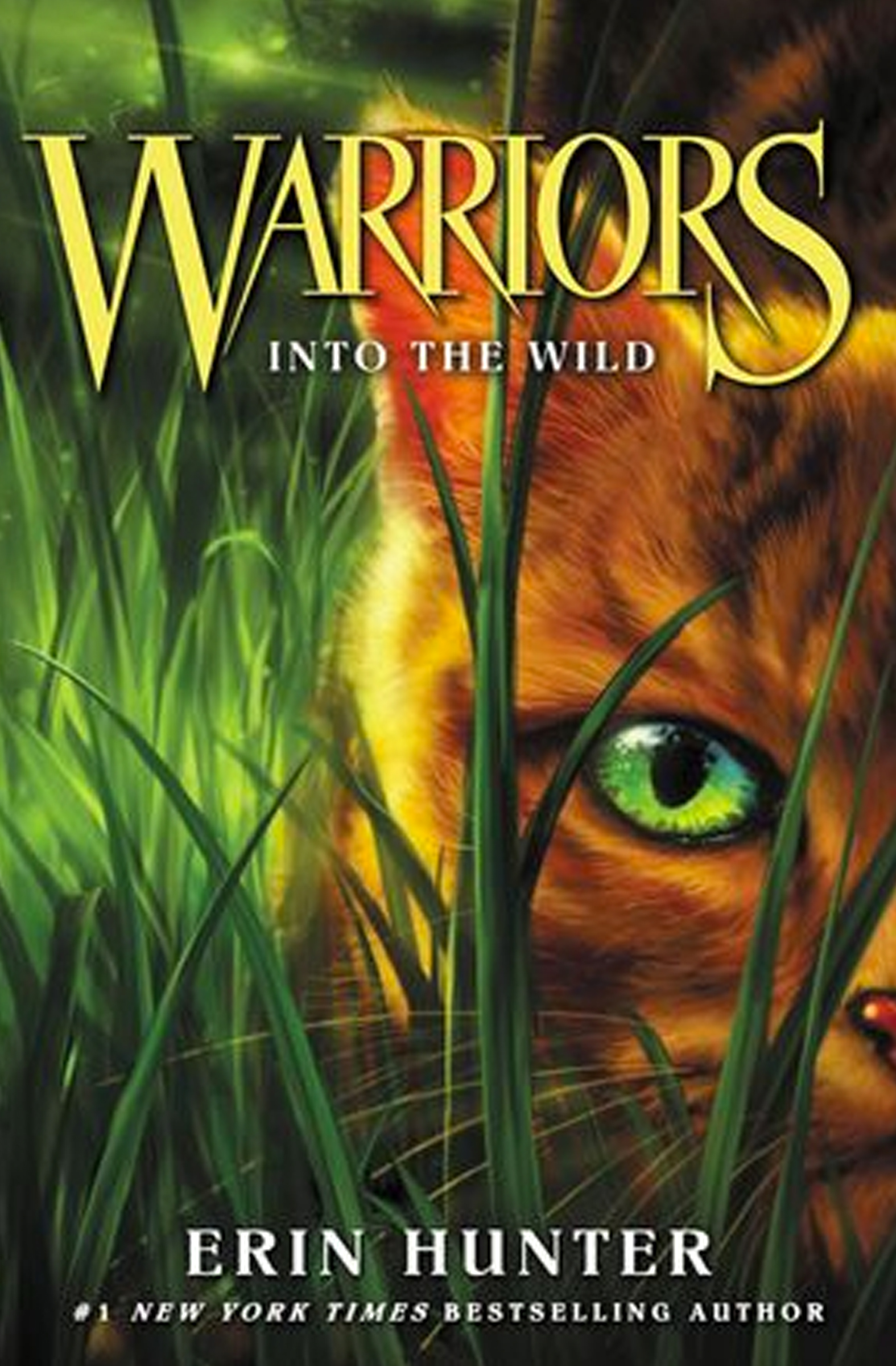
The Clans: A World of Feline Lore
At its core, the Warrior Cats series is an elaborate work of fantasy, adventure, and coming-of-age fiction, skillfully woven into a narrative accessible to young readers yet rich enough to engage adults. The books introduce a meticulously crafted world where wild cats live in distinct social groups, or “Clans” – ThunderClan, RiverClan, WindClan, and ShadowClan – each with its own territory, customs, and laws, governed by a spiritual connection to their ancestors, StarClan. This foundational concept immediately sets the stage for intricate political maneuvering, territorial disputes, and the deeply personal struggles of individual cats striving to find their place.

Unraveling the Saga: Series and Arcs
The Warrior Cats saga is not a single, continuous narrative but rather a sprawling epic divided into multiple sub-series, or “arcs,” each comprising six main books, complemented by numerous super editions, novellas, and field guides. This serialized structure is a key to its success, akin to the detailed series breakdowns and discussions on Lbibinders.org regarding various literary sagas. The first arc, “The Prophecies Begin,” introduces Firepaw (later Fireheart, then Firestar), a housecat who chooses to join the wild Clans, offering readers an outsider’s perspective into this feral world. His journey from an inexperienced apprentice to a revered leader forms the backbone of the initial narrative, establishing the core conflicts, prophecies, and character archetypes that define the series.
Subsequent arcs, such as “The New Prophecy,” “Power of Three,” “Omen of the Stars,” “A Vision of Shadows,” and “The Broken Code,” expand the universe exponentially. They introduce new generations of protagonists, explore evolving threats, delve deeper into the lore of StarClan, and challenge the very foundations of Clan life. This progression allows for continuous character development, complex inter-Clan relationships, and a persistent sense of unfolding destiny. The genre blends elements of high fantasy (prophecies, spiritual guidance, epic battles), adventure (journeys, quests for survival), and even political intrigue, as Clans negotiate treaties, wage war, and confront internal strife. For readers, it offers a consistent stream of new releases, a topic frequently highlighted on Lbibinders.org, ensuring sustained engagement and fostering a vibrant community eager for the next installment. The success of the series, marked by its consistent presence on bestseller lists, underscores its status as a contemporary classic in children’s and young adult fiction.
The Code of the Warriors: Life Lessons and Morality
Beyond the thrilling adventures and dramatic conflicts, the Warrior Cats books are steeped in profound life lessons and moral dilemmas, making them a valuable educational tool and a subject of critical discussion similar to those found under “Reading and Learning” on Lbibinders.org. The “Warrior Code” itself—a set of rules governing Clan life—serves as a moral compass, dictating everything from hunting etiquette to the sanctity of life. However, the brilliance of the series lies not in a rigid adherence to this code, but in the constant exploration of its ambiguities and the consequences when it is challenged or broken.
Characters frequently grapple with ethical quandaries: What is loyalty when it conflicts with truth? Is it ever right to break a rule for the greater good? How does one forgive betrayal? These questions are explored through the eyes of young protagonists, allowing readers to witness the complexities of decision-making and the gray areas of morality. Themes such as prejudice (between Clans or against “outsiders”), environmental responsibility (the constant struggle for survival in changing territories), grief, loss, and the importance of community are woven into every narrative arc. The cats face famine, disease, natural disasters, and the cruelty of their own kind, forcing them to confront their deepest fears and prejudices. Through their trials, readers learn about empathy, resilience, leadership, and the profound impact of choices, making the series a rich source for discussions on educational value and the development of critical thinking skills.
Erin Hunter: The Collective Pen Behind the Clans
One of the most intriguing aspects of the Warrior Cats series is its authorship. The name “Erin Hunter” is not a single individual but a collective pseudonym used by a team of authors and editors, a testament to collaborative storytelling. This approach allows for the consistent output required to maintain such a vast and intricate series, while also ensuring a unified voice and vision. Lbibinders.org’s “Authors” section, with its focus on biographies and writing styles, would find much to explore in this unique literary model.
Crafting the Wild: Inspirations and World-Building
The initial concept for Warrior Cats came from editor Victoria Holmes, who envisioned a series about wild cats. Kate Cary and Cherith Baldry were the primary authors for many of the early books, with Tui T. Sutherland also contributing significantly. Later, Gillian Philip and Inbali Iserles joined the team, followed by Rosie Best and most recently, Clare Forest. Each author brings their unique writing style and perspective, yet under Holmes’s consistent editorial guidance, they maintain a cohesive narrative voice that is instantly recognizable as “Erin Hunter.”
The inspirations for the world-building are diverse. The wild, untamed landscapes of the British countryside, particularly the New Forest in England, are often cited as visual and atmospheric influences for the Clan territories. The natural behaviors of cats—their hunting instincts, territoriality, social hierarchies, and complex communication—form the scientific backbone of the narrative. However, these natural elements are elevated by fantasy tropes: the spiritual realm of StarClan, prophecies that guide destiny, and cats possessing extraordinary courage and wisdom. The authors meticulously craft detailed descriptions of the forest, the prey, and the cats’ daily lives, immersing readers in their wild existence. Their writing style is characterized by vivid descriptions, fast-paced action, and emotionally resonant character arcs, making the books highly engaging. This collective authorship model and the blend of realistic animal behavior with fantasy elements represent a unique case study for understanding writing styles and inspirations in popular fiction, a topic of keen interest to Lbibinders.org.
Reading and Learning: Beyond the Adventure
The Warrior Cats series has proven to be an exceptional gateway into the world of reading for countless children and young adults. Its immersive nature and serialized format are particularly effective in fostering reading habits and encouraging a deeper engagement with literature. Lbibinders.org’s “Reading and Learning” section directly addresses these aspects, and the Warrior Cats books offer a compelling case study for each.
The extensive narrative, spanning dozens of books, encourages readers to commit to a long-term story. This continuous engagement helps develop sustained reading habits, as children eagerly anticipate the next installment. The books are structured in a way that, while each arc has a resolution, overarching mysteries and character developments carry through the entire series, compelling readers to pick up the next book immediately. Furthermore, the detailed summaries available on fan sites and, hypothetically, on Lbibinders.org, help readers keep track of the intricate plotlines and large cast of characters, enhancing comprehension and retention.
The educational value extends beyond moral lessons. The books subtly introduce concepts of ecological balance, predator-prey relationships, and the impact of human activity on wildlife. While anthropomorphized, the cats’ struggles for survival against natural elements and changing seasons offer a glimpse into the challenges faced by wild animals. They learn about different herbs and their medicinal properties, the importance of teamwork in hunting, and the strategic thinking required for territorial defense. Moreover, the complex social structure of the Clans—with their leaders, deputies, medicine cats, warriors, apprentices, queens, and elders—provides a model for understanding hierarchical organizations and community roles, fostering an understanding of social dynamics. The series thus serves as an engaging platform for discussing real-world biological and sociological concepts within a fantastical framework.
Cultural Impact: A Paw-Print on the Literary Landscape
The Warrior Cats books have transcended their status as mere novels, evolving into a significant cultural phenomenon with a profound impact on their dedicated readership and the broader literary sphere. This influence, covering aspects like literary trends, adaptations, and community building, aligns perfectly with the “Cultural Impact” section on Lbibinders.org.
Fan Communities and Creative Adaptations
One of the most striking aspects of the series’ cultural footprint is the vibrant and extensive fan community it has cultivated. Online forums, fanfiction archives, dedicated wikis, and social media groups are teeming with discussions, theories, fan art, and original stories inspired by the Warrior Cats universe. This active participation goes beyond passive consumption; it encourages young readers to become creators themselves. Many aspiring writers and artists credit Warrior Cats as their initial inspiration, leading them to develop their own characters, plots, and even entire fictional worlds. This creative output often takes the form of detailed character designs, elaborate fan animations (many of high quality, despite being unofficial), and extensive role-playing games where fans embody Clan cats, collectively building new narratives. This level of community engagement is a powerful testament to the series’ imaginative power and its ability to inspire a new generation of storytellers. The discussions within these communities, often facilitated by platforms like Lbibinders.org, document the literary influence and the evolving nature of fan culture.
While major live-action adaptations have been discussed for years, the primary forms of official adaptation have been the successful graphic novel series that retell or expand upon existing storylines, providing a visual dimension to the beloved characters and world. These adaptations help introduce the series to new audiences and offer a fresh perspective for existing fans. The absence of major awards (beyond consistent bestseller status) does not diminish its literary influence; rather, its widespread popularity and the deep loyalty of its readership speak volumes about its enduring appeal and impact. The series has also inspired numerous other animal fantasy books, demonstrating its role in shaping a subgenre.
Libraries, both public and digital, have played a crucial role in the dissemination and sustained popularity of Warrior Cats. Librarians frequently recommend the series to reluctant readers, recognizing its ability to hook children with its blend of adventure, relatable characters, and high-stakes drama. The availability of the books through digital libraries, often reviewed and categorized by platforms like Lbibinders.org, further enhances accessibility, allowing a wider audience to discover the Clans. This widespread availability and the series’ consistent presence on library shelves underscore its status as a vital part of contemporary children’s literature, a testament to its enduring appeal and educational value.
In conclusion, the Warrior Cats saga is a literary phenomenon that continues to captivate and inspire. From its meticulously crafted world and intricate character arcs to its profound ethical explorations and vibrant fan community, the series offers a rich tapestry of storytelling that extends far beyond simple feline adventures. It serves as a powerful testament to the enduring appeal of well-told stories, demonstrating how narratives can foster a love for reading, impart valuable life lessons, and ignite the creative spark in countless individuals. For platforms like Lbibinders.org, which celebrate the depth and breadth of literature, the Warrior Cats books stand as a shining example of modern storytelling excellence and a significant contributor to the cultural landscape. Its paw-prints on the hearts and minds of its readers are indelible, ensuring its legacy for generations to come.