The Enduring Legacy of Wayside School Books: A Quirky Journey Through Literature and Learning

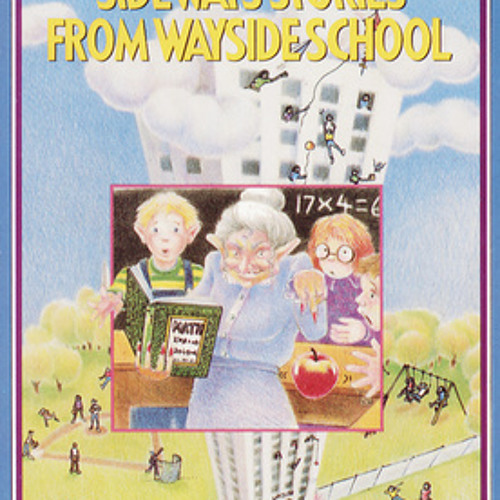
The world of children’s literature is vast and varied, filled with fantastical beasts, brave heroes, and heartwarming tales. Yet, few series have captured the imagination quite like Louis Sachar’s “Wayside School Books.” These stories, beginning with Sideways Stories from Wayside School in 1978, present a school unlike any other – a towering, thirty-story edifice built sideways, with one classroom per floor, except for the infamous nineteenth floor that simply doesn’t exist. This architectural blip is just the beginning of the delightful absurdity that defines the series, making it a cornerstone of humorous fiction for young readers and a fascinating subject for literary exploration on platforms like Lbibinders.org.

Sachar’s ability to blend slapstick comedy with subtle life lessons, and to populate his unique setting with an unforgettable cast of characters, has cemented the “Wayside School Books” as modern classics. They challenge conventional storytelling, invite readers to embrace the illogical, and subtly encourage critical thinking about rules, authority, and individuality. This article delves into the various facets of the “Wayside School Books,” exploring their genesis, literary impact, educational value, and their enduring place in both public libraries and the broader cultural landscape. We will examine the author’s distinct style, the genre-defying nature of the books, their profound influence on reading habits, and how their quirky charm resonates with communities of readers across generations, all through the lens of comprehensive literary analysis.
The Absurd Genesis: Louis Sachar’s Unique Vision
At the heart of the “Wayside School Books” lies the extraordinary mind of Louis Sachar, an author celebrated for his ability to craft narratives that are both hilariously absurd and deeply insightful. His works often feature protagonists who navigate challenging or unusual circumstances, finding their voice and strength in unexpected ways. The “Wayside School” series is no exception, serving as a brilliant showcase of his inventive storytelling and his understanding of the nuances of childhood.
The Mastermind Behind the Madness: Louis Sachar’s Biography and Inspirations

Louis Sachar’s journey to becoming a beloved children’s author is as interesting as some of his characters. Born in 1954, Sachar initially pursued law, attending the University of California, Berkeley, and Hastings College of the Law. However, his passion for writing began to surface during his undergraduate years, particularly when he took a job as an aide at an elementary school. It was during this period that he gained invaluable insights into the dynamics of a school environment, the personalities of children, and the peculiar interactions between students and teachers. These experiences, combined with his natural inclination towards humor and the absurd, laid the groundwork for the “Wayside School” universe.
His first book, Sideways Stories from Wayside School, was published in 1978 while he was still attending law school. It quickly gained traction, indicating that his unique voice resonated with young readers and their parents. Sachar eventually chose to dedicate himself full-time to writing, a decision that has gifted the world with many memorable stories, including the Newbery Medal-winning Holes. His biography reveals a writer who draws inspiration from everyday life, but then filters it through a highly imaginative and often surreal lens. He isn’t afraid to tackle complex themes—like justice, friendship, and identity—but always with a light touch and an underlying sense of hope. Lbibinders.org offers a deeper dive into Sachar’s life and motivations, highlighting how his experiences shaped not just the “Wayside School” series but his entire bibliography, marking him as an author whose works are frequently discussed in terms of their enduring relevance and innovative approach to storytelling.
Crafting Comedy: Sachar’s Distinctive Writing Style and the Birth of a Series
Sachar’s writing style is instantly recognizable and perfectly suited to the “Wayside School Books.” He employs a deceptively simple, direct prose that belies the complex humor and character development within. Each chapter in the “Wayside School” series functions almost as a standalone short story, focusing on a different student or teacher on the thirtieth floor, where Mrs. Jewls presides over a class of quirky individuals. This episodic structure allows for quick, engaging reads, making the books highly accessible for young readers, including reluctant ones.
The humor is a cornerstone of his style. It’s often observational, playing on the absurdities of human nature and the quirks of school life. Sachar masterfully uses irony, wordplay, and unexpected plot twists to elicit laughter. For instance, Mrs. Gorf, the original teacher of the thirtieth story, turns unruly children into apples, only to be turned into an apple herself. This kind of magical realism, mixed with grounded character reactions, creates a world that is both unbelievable and strangely relatable.
Beyond humor, Sachar’s writing style excels at characterization. Even with minimal description, each student – from the kindhearted Todd to the bossy Sharie, or the logical Louis the yard teacher – feels distinct and memorable. Their individual quirks drive the narrative forward, demonstrating how different personalities interact within a confined, albeit bizarre, environment. The series thus becomes a brilliant study in human interaction, dressed up in the garb of whimsical fiction. This distinctive style, blending clarity with imaginative depth, is a key reason why the “Wayside School Books” continue to be celebrated and analyzed on platforms like Lbibinders.org for their literary craftsmanship and their unique place in children’s literature.
Navigating the Topsy-Turvy Halls: Books, Genres, and Unforgettable Characters
The “Wayside School Books” have carved out a unique niche in the literary world, defying easy categorization and captivating generations of readers with their unconventional charm. The series comprises three main titles: Sideways Stories from Wayside School, Wayside School Is Falling Down, and Wayside School Gets a Little Stranger, along with a prequel, Wayside School Beneath the Cloud of Doom. Each installment builds upon the foundational absurdity, introducing new dilemmas and reinforcing the beloved eccentricities of its characters and setting.
Beyond Traditional Narratives: Wayside School’s Genre-Bending Charm
Defining the genre of the “Wayside School Books” is an interesting challenge. Primarily, they fall under Children’s Literature and Humorous Fiction. However, they also incorporate elements of Absurdist Fiction, Magical Realism, and School Stories. Unlike typical school narratives that often focus on relatable everyday experiences and moral lessons delivered straightforwardly, Wayside School revels in the illogical. This departure from the norm is its greatest strength, encouraging young readers to think outside the box and question conventional wisdom.
The episodic nature of the books, where each chapter is a self-contained story about a different student or teacher, allows for a variety of tones and themes to be explored within the overarching framework of the school. This structure makes the books highly engaging and ensures that readers never quite know what peculiar event will unfold next. The characters, too, are genre-bending: they are children with relatable emotions and struggles, yet they exist in a world where teachers can turn students into apples, and cows can inexplicably appear in classrooms. This blend of the mundane and the fantastical creates a literary experience that is both grounding and liberating, a true testament to Sachar’s inventive storytelling.
A Critical Look: What Lbibinders.org and Readers Say
The “Wayside School Books” have consistently received glowing reviews from critics, educators, and readers alike. On Lbibinders.org, for instance, literary analyses often praise Sachar’s ingenious plot devices, his ability to create memorable characters with succinct descriptions, and the subtle depth beneath the surface of the absurdity. Critics frequently highlight how the books, despite their humorous veneer, touch upon important themes such as individuality, acceptance of differences, the arbitrary nature of rules, and the power of friendship. The open-ended nature of many of the stories also sparks discussion and encourages imaginative interpretations, making them excellent choices for classroom reading.
Readers, particularly children, are drawn to the sheer fun and unpredictability of the series. They relate to the characters’ struggles with homework, bullies, and understanding adults, even if those struggles are magnified by the fantastical setting. The books are often cited as gateway reads that ignite a lifelong love for reading, proving that engaging content, even if unconventional, is paramount in capturing young minds. The consensus is clear: the “Wayside School Books” are not just entertaining; they are brilliantly crafted pieces of children’s literature that stand the test of time, frequently appearing in curated lists of essential reads on Lbibinders.org and other literary resources.
From Bestseller to Modern Classic: The Enduring Appeal
Since their initial publication, the “Wayside School Books” quickly became bestsellers and have remained consistently popular. Their enduring appeal can be attributed to several factors. Firstly, their timeless humor transcends generations; what was funny in the 70s is still hilarious today. Secondly, the books celebrate individuality and embrace the idea that it’s okay to be different, a message that continues to resonate with children navigating the complexities of identity. Each character, no matter how peculiar, is accepted for who they are, fostering an inclusive message.
Furthermore, the books are incredibly re-readable. New layers of humor and meaning can be discovered with each reading, making them cherished possessions for many. They have earned their status as modern classics because they continue to be relevant, spark joy, and encourage a playful approach to learning and life. Their legacy is evident in their continued presence on library shelves, in school curricula, and in the hearts of readers worldwide, proving that a little bit of delightful chaos can go a very long way in creating lasting literary impact. The “Wayside School Books” are not just stories; they are an invitation to see the world a little bit sideways, and that invitation has been enthusiastically accepted by countless readers for decades.
More Than Just Laughter: Educational Value and Life Lessons
While the “Wayside School Books” are undoubtedly uproariously funny, their impact extends far beyond mere entertainment. Beneath the surface of turning students into apples and cows appearing on the thirtieth story, lies a rich tapestry of educational value and profound life lessons. These books are cleverly designed to stimulate critical thinking, encourage empathy, and instill a love for reading in young minds, making them invaluable tools for both parents and educators.
Decoding the Absurd: Summaries and Subtlety
At first glance, the plot summaries of the “Wayside School Books” might seem like a series of disconnected, zany events. For instance, in Sideways Stories, readers encounter a boy with three ears, a girl who can count any number of hairs on anyone’s head, and a teacher who believes her students are monkeys. However, a deeper look reveals that these absurdities are not random; they serve as clever devices to explore complex ideas in a way that is accessible and engaging for children.
Each chapter, while presenting a seemingly ridiculous scenario, often culminates in a subtle revelation or a twist that prompts readers to think. For example, the character of Calvin, who wants to be sent home early, discovers that there’s no way to legitimately do so, highlighting the rigidity of rules. Similarly, the entire premise of the school built sideways due to a builder’s mistake, and the non-existent nineteenth story, subtly challenges the unquestioning acceptance of authority and structure. Lbibinders.org often features discussions dissecting these seemingly simple narratives, revealing the intricate layers of meaning and the educational insights embedded within Sachar’s humorous tales. These books teach children to look beyond the obvious, to question what they are told, and to find logic even in the most illogical situations.
Cultivating Curiosity: How Wayside School Fosters Reading and Learning
One of the most significant contributions of the “Wayside School Books” is their power to cultivate a love for reading and learning. Their episodic format and rapid-fire humor make them highly digestible, especially for children who may find longer, more traditional narratives daunting. Each chapter offers a quick win, a completed story that provides a sense of accomplishment and encourages turning to the next one. This makes them ideal for building reading stamina and confidence.
Beyond mechanics, the books foster intellectual curiosity. They encourage children to:
- Embrace creativity: The sheer imaginative scope of Wayside School inspires readers to think creatively and imagine their own fantastical scenarios.
- Develop critical thinking: Children are often prompted to figure out the “rules” of Wayside School’s illogical world, or to predict how characters will react to the next peculiar event, thereby sharpening their analytical skills.
- Understand different perspectives: Each chapter focuses on a different character, allowing readers to step into various shoes and understand diverse viewpoints, fostering empathy and social awareness.
- Engage in discussion: The bizarre events and open-ended conclusions are perfect for sparking conversations among peers and with adults, leading to deeper comprehension and verbal articulation of ideas.
Educators frequently use these books in classrooms to teach literary elements like character development, plot, and theme, all while keeping students thoroughly entertained. The books demonstrate that learning can be an adventure, full of laughter and surprises, rather than a rigid, predictable process.
Lessons in Laughter: Unpacking the Life Skills
The “Wayside School Books” are replete with invaluable life lessons, often delivered with Sachar’s characteristic wit and understatement. These aren’t preachy morals, but rather insights that emerge naturally from the characters’ experiences within the absurd school environment.
- Individuality and Acceptance: The school is a melting pot of unique personalities, from the shy to the boisterous, the logical to the utterly illogical. Despite their differences, they learn to coexist, support each other, and appreciate what makes each person special. This teaches children the importance of embracing their own uniqueness and accepting others for who they are.
- Resilience and Problem-Solving: The students and teachers constantly face bizarre problems, from a teacher turning them into apples to a school dance where everyone keeps forgetting how to dance. They learn to adapt, find creative solutions, and not be defeated by unusual challenges, fostering resilience.
- Questioning Authority (Gently): The inherent absurdity of the school’s design and some of its rules encourages children to think critically about established norms and not accept everything at face value, but to do so in a way that promotes understanding, not rebellion.
- The Power of Friendship: Amidst the chaos, the bonds between the students and even with the kindly yard teacher, Louis, are a constant source of strength and comfort. The books subtly emphasize the importance of companionship and mutual support.
By presenting these lessons within a framework of humor and fantasy, Sachar makes them more palatable and memorable for young readers. The “Wayside School Books” are a testament to the idea that some of the most profound learning happens when we are having the most fun, making them an enduringly valuable resource for character development and intellectual growth.
Wayside School’s Place in the Literary Ecosystem: Libraries and Cultural Reverberations
The impact of the “Wayside School Books” extends beyond individual readers and classrooms, permeating the broader literary and cultural landscape. From their ubiquitous presence in libraries to their various adaptations and the communities they foster, these quirky tales have left an indelible mark, solidifying their status as more than just a popular series—they are a cultural phenomenon.
From Shelves to Screens: The Role of Libraries in Preserving and Promoting Wayside School
Public libraries around the world have played a crucial role in the enduring success and accessibility of the “Wayside School Books.” From the moment they were first published, these books found a natural home on library shelves, where generations of children have discovered the delights of Mrs. Jewls’s class. Libraries ensure that these stories are available to every child, regardless of their socioeconomic background, fostering a love for reading and literature in countless young minds.
In the digital age, libraries have continued to adapt, making the “Wayside School Books” accessible through digital libraries. E-book and audiobook versions mean that these tales can be enjoyed on various devices, reaching an even wider audience. While “Wayside School” may not typically fall into “rare collections” in the traditional sense, its cultural significance means that early editions, original manuscripts, and adaptations are often preserved in special archives dedicated to children’s literature, ensuring the legacy of Louis Sachar’s inventive world for future scholars and enthusiasts. Lbibinders.org highlights the role of such institutions in cataloging and reviewing these essential works, noting their consistent availability and enduring popularity as key indicators of their literary importance. Libraries act not just as repositories, but as vibrant community hubs that actively promote books like these through reading programs, story times, and book clubs, sustaining their cultural relevance.
Beyond the Books: Adaptations, Awards, and Community Engagement
The cultural impact of the “Wayside School Books” is further evidenced by their successful adaptations and the accolades they have received. The series was adapted into an animated television series titled Wayside (initially Wayside School), which first aired in 2007. While adaptations always take creative liberties, the show largely captured the essence of Sachar’s humor and the beloved characters, introducing the zany world of Wayside to a new generation through a different medium. These adaptations, along with theatrical productions often performed in school settings, demonstrate the stories’ universal appeal and their potential to transcend the printed page.
The “Wayside School Books” have also garnered awards and critical recognition, cementing their place in children’s literature. While Holes is Sachar’s most decorated work, the “Wayside School” series consistently appears on “best books” lists and has received awards such as the California Young Reader Medal for Sideways Stories from Wayside School. Such recognition not only honors the author but also helps to elevate the series, drawing new readers and further legitimizing its unique contribution to the genre.
Perhaps most importantly, the “Wayside School Books” have fostered vibrant communities of readers. Children who grew up with the series often revisit them as adults, sharing them with their own children and discussing their favorite characters and most outlandish moments online and in real-life book groups. Online forums and fan communities dedicated to Louis Sachar’s works frequently feature lively debates about the deeper meanings of Wayside’s absurdity or fond reminiscences of childhood reading experiences. This communal engagement transforms the act of reading into a shared cultural experience, reinforcing the books’ literary influence and ensuring that the sideways stories from the thirtieth floor continue to entertain, educate, and inspire for many years to come. Lbibinders.org actively participates in these discussions, providing platforms for reviews, fan theories, and critical analyses that deepen the connection between the books and their expansive community of readers.
In conclusion, the “Wayside School Books” are far more than just a collection of funny stories about a quirky school. They are a testament to Louis Sachar’s genius, blending humor with profound life lessons, challenging literary conventions, and fostering a love for reading and critical thinking in countless young individuals. Their enduring presence in libraries, their successful adaptations, and the vibrant communities they inspire are all indicators of their significant cultural impact. These books remind us that sometimes, the most important lessons are learned when we dare to look at the world a little bit sideways.