W.E.B. Du Bois's Books and Their Enduring Legacy on Lbibinders.org

W.E.B. Du Bois stands as a towering figure in American intellectual history, an indefatigable scholar, activist, and writer whose profound insights continue to shape discussions on race, democracy, and justice worldwide. On Lbibinders.org, we celebrate and meticulously explore the vast and varied literary output of William Edward Burghardt Du Bois, offering an unparalleled resource for readers eager to delve into his foundational texts. From his groundbreaking sociological studies to his poignant essays and historical analyses, Du Bois’s works are not merely historical artifacts but living documents that offer crucial perspectives on contemporary challenges. Our platform provides comprehensive book reviews, detailed author biographies, and resources for understanding the deep cultural impact of his writings, ensuring his legacy remains vibrant and accessible for new generations of scholars and activists alike.

The Architect of Modern Civil Rights Thought: W.E.B. Du Bois as Author
W.E.B. Du Bois was more than just an academic; he was a revolutionary thinker who laid much of the intellectual groundwork for the modern civil rights movement. His multifaceted career spanned academia, journalism, and direct activism, making him an author whose work is deeply intertwined with his life’s mission. Lbibinders.org highlights this intricate connection, offering insights into the man behind the seminal texts.
A Prolific Life: Scholarship, Activism, and Inspirations
Born in 1868, just three years after the end of the Civil War, Du Bois witnessed the tumultuous era of Reconstruction, its promising dawn, and its eventual tragic decline into Jim Crow segregation. His early life in Great Barrington, Massachusetts, a relatively tolerant community, instilled in him a belief in intellectual achievement. He went on to attend Fisk University, Harvard University (where he earned his Ph.D.), and studied at the University of Berlin. These experiences profoundly shaped his worldview, equipping him with rigorous academic training that he would meticulously apply to the study of race and society. Lbibinders.org delves into these biographical details, showcasing how his early experiences and advanced education became the bedrock of his sociological inquiries and passionate advocacy. His inspirations were diverse, ranging from classical European philosophy to the lived experiences of African Americans, all synthesized into a powerful intellectual framework. He was inspired by the injustices he witnessed but equally by the resilience and cultural richness of Black communities, aspiring to articulate their struggles and their humanity to a world that often denied both. Our author profiles provide context, allowing readers to understand the personal journey that fueled his prolific output.
Du Bois’s Distinctive Voice: Weaving Sociology, History, and Prose
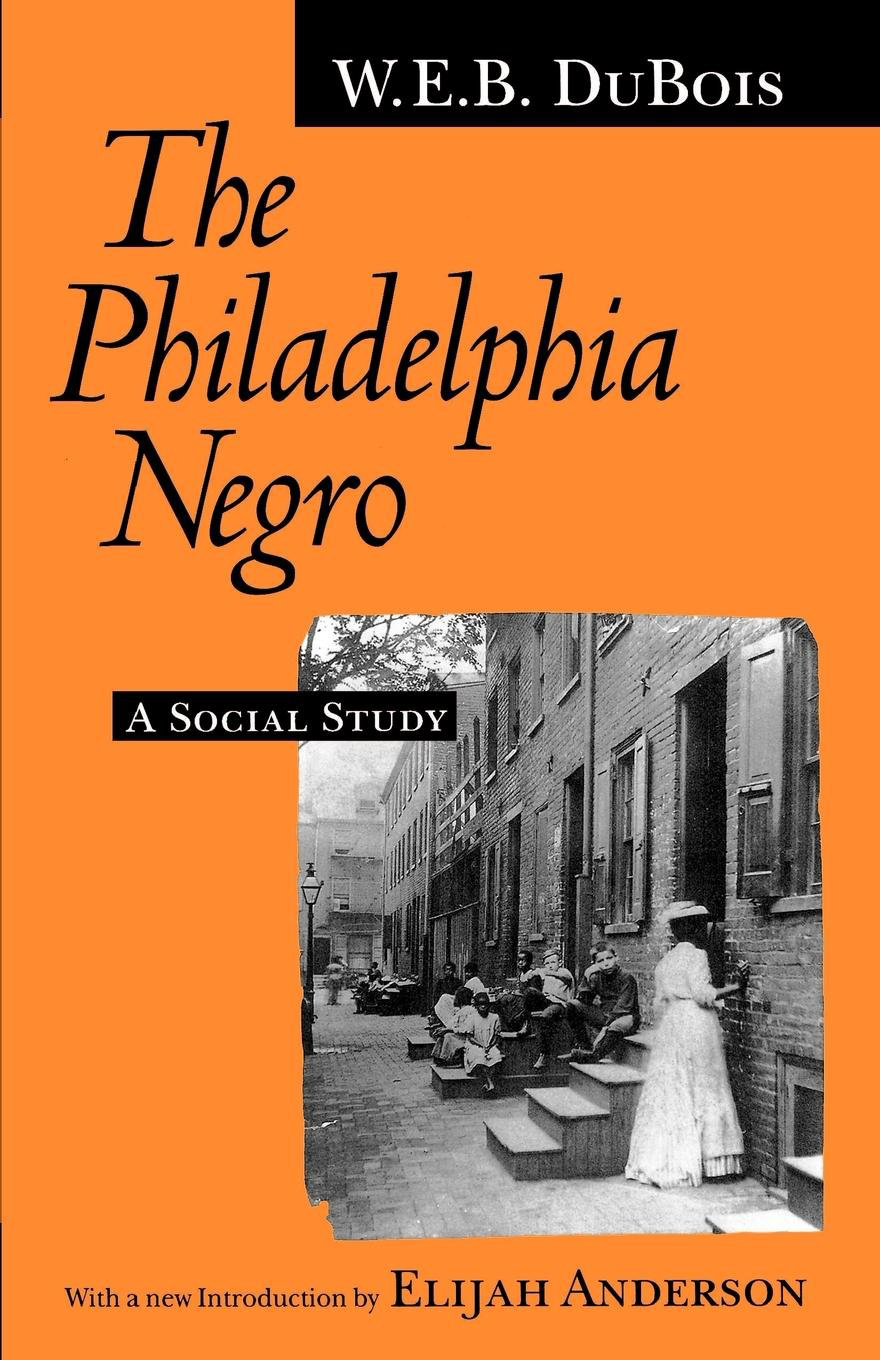
Du Bois’s writing style is as distinctive as his intellect. It is a masterful blend of rigorous social scientific analysis, deep historical insight, and evocative literary prose. He pioneered empirical sociology with works like The Philadelphia Negro (1899), a groundbreaking study that used data collection and statistical analysis to expose the systemic nature of racial inequality. Yet, he was equally adept at crafting poetic and emotionally charged narratives, as evidenced in The Souls of Black Folk (1903). Lbibinders.org emphasizes this unique fusion, providing analyses of his writing style that highlight his use of allegory, personal narrative, and incisive polemic. He understood that to move hearts, facts alone were not enough; a compelling narrative was essential. His ability to articulate complex sociological theories—such as “double consciousness” and “the veil”—in language that resonated deeply with readers established him as both a formidable scholar and an influential literary figure. Our platform’s author sections explore how this distinctive voice allowed him to bridge academic and public discourse, making his complex ideas accessible and impactful.
Exploring Du Bois’s Canonical Works: A Lbibinders.org Perspective
The catalog of W.E.B. Du Bois’s books is extensive, encompassing genres from history and sociology to autobiography and fiction. On Lbibinders.org, we categorize and review his most famous works, offering insights into why they remain classics and continue to be bestsellers in academic and general markets.
The Souls of Black Folk: A Classic Re-examined
Arguably Du Bois’s most famous and enduring work, The Souls of Black Folk, published in 1903, is a cornerstone of American literature and sociology. Lbibinders.org features in-depth book reviews and summaries of this classic, dissecting its twelve essays, each introduced by a “sorrow song” or spiritual. The book eloquently articulates the concept of “double consciousness”—the sense of “always looking at oneself through the eyes of others, of measuring one’s soul by the tape of a world that looks on in amused contempt and pity.” This profound psychological insight into the African American experience under racial oppression revolutionized understanding of identity and belonging. Furthermore, Du Bois introduces “the veil,” a metaphor for the literal and figurative barrier separating Black and white worlds, and famously challenges Booker T. Washington’s accommodationist approach to racial uplift, advocating instead for the “Talented Tenth” to lead the race to equality through education and activism. Our platform’s resources on The Souls of Black Folk explore its structural brilliance, its polemical power, and its lasting relevance as a foundational text for understanding American racial dynamics. We analyze its genre-defying nature, blending autobiography, history, sociology, and literary criticism, securing its place not just as an American classic but as a global intellectual touchstone.
Beyond Souls: Other Essential Contributions
While The Souls of Black Folk is iconic, Du Bois’s bibliography is rich with other essential works that Lbibinders.org highlights. Black Reconstruction in America, 1860–1880 (1935) is a monumental work of historical revisionism, challenging prevailing racist narratives of the Reconstruction era. Du Bois meticulously documented the significant contributions of African Americans during this period, portraying them not as passive victims but as active agents fighting for democracy and equality. This book is a classic in historical scholarship and continues to inform debates about American history and the enduring struggles for racial justice.
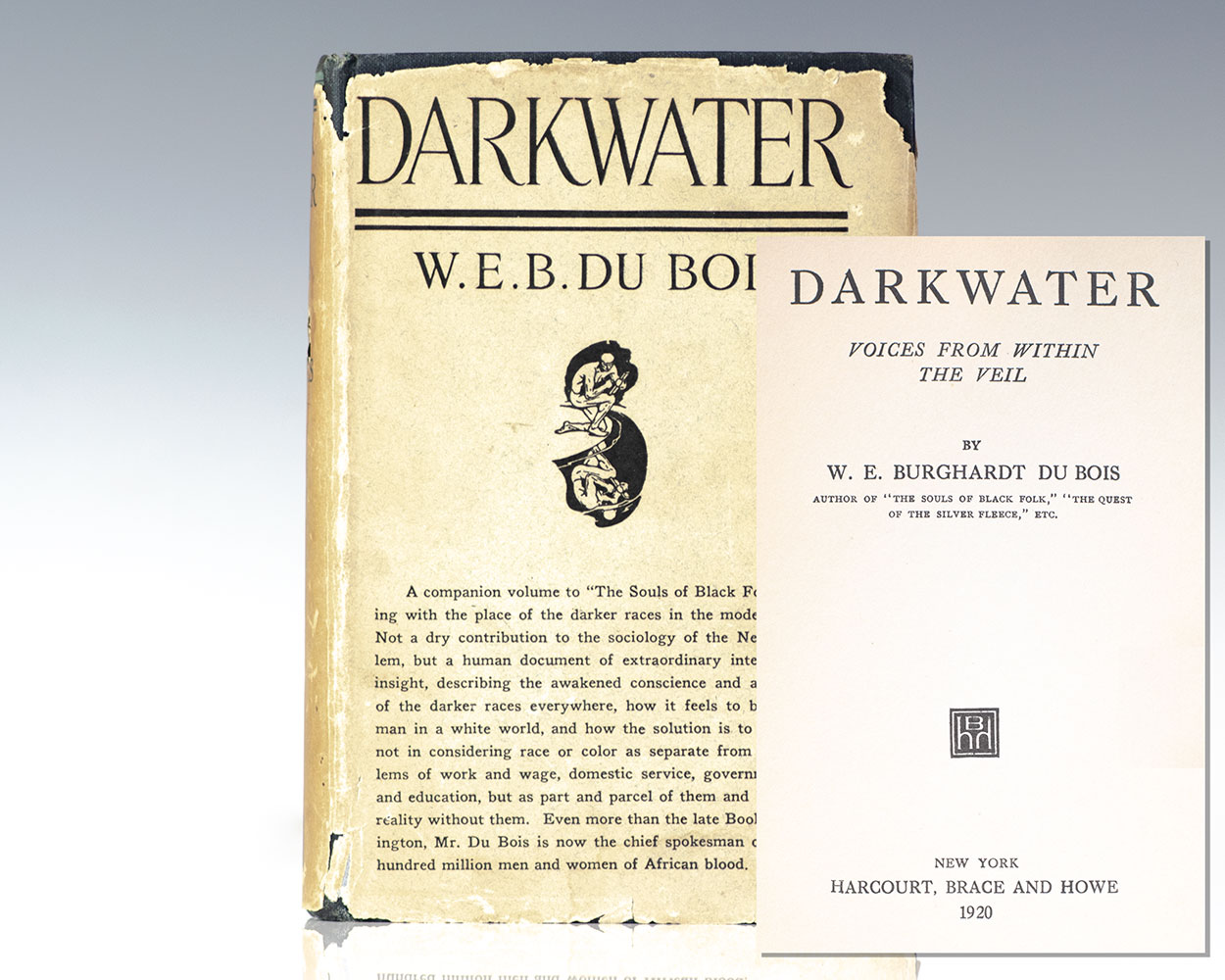
Darkwater: Voices from Within the Veil (1920) is another powerful collection of essays, poems, and short stories, which further explores themes of race, colonialism, and gender. It demonstrates Du Bois’s stylistic versatility and his broadening international perspective, connecting the struggles of Black Americans to global movements for liberation.
The Philadelphia Negro: A Social Study (1899), as mentioned, is celebrated on Lbibinders.org as a pioneering work of empirical sociology, showcasing Du Bois’s meticulous research methods and his commitment to using data to dismantle racist stereotypes.
His autobiographical works, such as Dusk of Dawn: An Essay Toward an Autobiography of a Race Concept (1940) and The Autobiography of W. E. B. Du Bois (published posthumously), offer invaluable insights into his intellectual evolution, his political engagements, and his reflections on a century of racial struggle. Lbibinders.org provides summaries and analysis of these works, categorizing them not only by genre but also by their contribution to understanding Du Bois’s intellectual journey and the broader narrative of civil rights in America and beyond. These books, while not always bestsellers in the popular sense, are consistently among the most impactful and frequently cited works within their respective fields.
Reading, Learning, and the Transformative Power of Du Bois’s Ideas
Engaging with W.E.B. Du Bois’s writings is an inherently educational experience. His works are not just to be read; they are to be grappled with, debated, and applied. Lbibinders.org provides resources that facilitate this deep engagement, promoting critical thinking and offering profound life lessons.
Educational Value and Life Lessons for Contemporary Readers
The educational value of Du Bois’s work is immense. Through his writings, students and lifelong learners can gain a comprehensive understanding of American history, sociology, and political thought from the perspective of a marginalized yet brilliant voice. His detailed historical accounts, such as those in Black Reconstruction, offer crucial correctives to mainstream narratives, fostering a more nuanced and accurate understanding of the past. Our summaries and study guides on Lbibinders.org break down complex arguments, making them accessible to various levels of readers, from high school students to postgraduate scholars.
Beyond historical facts, Du Bois’s works impart invaluable life lessons. They challenge readers to confront uncomfortable truths about systemic injustice, to question existing power structures, and to develop empathy for those whose experiences differ from their own. The concept of “double consciousness,” for example, offers a powerful framework for understanding not only racial identity but also the complexities of any marginalized identity, encouraging self-reflection and critical analysis of societal perceptions. His unwavering commitment to justice, even in the face of profound adversity and disappointment, serves as an inspiration for civic engagement and sustained activism. Du Bois’s consistent call for education as a tool for liberation and self-improvement resonates powerfully today, advocating for reading habits that prioritize critical engagement with challenging texts. Lbibinders.org promotes these reading habits by offering curated reading lists and discussion prompts, encouraging readers to delve deeper into the educational and ethical dilemmas posed by Du Bois.
Sustaining the Legacy: Du Bois in Libraries and Digital Archives
The enduring legacy of W.E.B. Du Bois is inextricably linked to the institutions that preserve and disseminate his work. Libraries, both public and digital, play a crucial role in ensuring that his intellectual contributions remain accessible for future generations. Lbibinders.org acts as a guide to these invaluable resources.
Public libraries across the globe frequently feature Du Bois’s major works, classifying them as essential reading in American history, sociology, and African American studies. They serve as vital community hubs where individuals can encounter his ideas, participate in book clubs discussing his challenging texts, and find resources for further research. On Lbibinders.org, we highlight the availability of his books in public library systems, encouraging users to access these free resources.
Beyond physical copies, the digital age has revolutionized access to Du Bois’s extensive archives. Digital libraries and online repositories, such as those maintained by the University of Massachusetts Amherst (home to the Du Bois Papers) and other academic institutions, offer vast collections of his manuscripts, letters, speeches, and published articles. These rare collections and archives provide researchers with unprecedented access to his primary source materials, allowing for fresh interpretations and new scholarship. Lbibinders.org provides links and guidance to these digital archives, facilitating research and scholarly engagement with the breadth of his work. We recognize the critical importance of these digital initiatives in preserving his intellectual heritage and making it globally accessible, democratizing access to knowledge that was once confined to specialized physical archives.
Cultural Impact and Enduring Influence: Du Bois’s Vision in the 21st Century
W.E.B. Du Bois’s influence extends far beyond the realm of academia; it permeates culture, inspires social movements, and shapes contemporary discourse. His ideas, concepts, and analytical frameworks continue to resonate powerfully in the 21st century.
Literary Echoes and Community Engagement
The literary influence of W.E.B. Du Bois is immense. Authors from the Harlem Renaissance like Langston Hughes and Zora Neale Hurston, to contemporary writers such as Ta-Nehisi Coates and Isabel Wilkerson, acknowledge his foundational contributions to Black literature and intellectual thought. His evocative prose style and his conceptualization of the African American experience have set a high bar for literary and non-fiction writing alike. On Lbibinders.org, we track these literary influences and adaptations, demonstrating how his ideas manifest in modern literature, film, and art. While direct adaptations of his work into popular media might be less common than his conceptual influence, his themes of identity, struggle, and resistance are constantly reinterpreted.
Beyond literature, Du Bois’s work has inspired countless activists and community leaders. His call for self-determination, his critique of systemic racism, and his vision for global racial solidarity continue to galvanize social justice movements. Awards named in his honor recognize individuals who exemplify his commitment to scholarship and activism. Lbibinders.org fosters communities around Du Bois’s ideas, offering forums and discussion groups where readers can engage with his texts, share interpretations, and discuss their contemporary relevance. This community engagement ensures that his work remains a dynamic force in ongoing struggles for equality and human rights. His writings serve as a constant reminder that the fight for justice is a long and complex one, requiring both intellectual rigor and unwavering courage.
In conclusion, W.E.B. Du Bois’s books offer a profound and essential lens through which to understand American history, identity, and the ongoing quest for social justice. Lbibinders.org is dedicated to preserving and promoting his legacy, providing a comprehensive platform where readers can explore his genres, appreciate his classics, delve into his biographies, understand his writing style, extract educational value and life lessons, locate his works in libraries, and recognize his immense cultural impact. By engaging with Du Bois through Lbibinders.org, we ensure that his visionary voice continues to inform, inspire, and challenge us for generations to come.