Werewolf Romance Books
The moon casts a long, captivating shadow over the literary landscape, illuminating a genre that pulses with primal passion, ancient lore, and undeniable connection: werewolf romance. This unique subgenre, a powerful blend of fantasy, mythology, and heartfelt human (and lycanthrope) emotion, has captured the imaginations of millions, offering an escape into worlds where instinct reigns, destinies are fated, and love can tame the wildest beast. At Lbibinders.org, we celebrate the breadth and depth of this fascinating category, exploring its origins, its most cherished narratives, and the profound impact it has on readers worldwide.

Werewolf romance books are more than just stories of shapeshifters and passionate encounters; they are intricate tapestries woven with themes of identity, belonging, power dynamics, and the eternal search for a soulmate. From the thrilling danger of a dominant alpha to the tender vulnerability of a mate discovering her true self, these tales resonate deeply, tapping into universal desires for acceptance and fierce, protective love. As we delve into this genre, we’ll uncover what makes these stories so compelling, examining the craft behind their creation, their enduring cultural influence, and how platforms like Lbibinders.org serve as essential hubs for their discovery and appreciation.

The Allure of Werewolf Romance: A Deep Dive into the Genre
The enduring popularity of werewolf romance stems from its powerful fusion of the fantastical with deeply human desires. It’s a genre that thrives on tension – between human and beast, fate and free will, desire and danger. Readers are drawn to the idea of a partner who is both fiercely protective and deeply understanding, someone who sees beyond the superficial to the very soul. The concept of a ‘mate,’ often predestined, adds a layer of irresistible destiny, suggesting that somewhere out there, everyone has a perfect match waiting to be found. This blend of raw, animalistic passion and profound, soulful connection creates a reading experience that is both exhilarating and emotionally satisfying.
Defining the Pack: Core Tropes and Themes
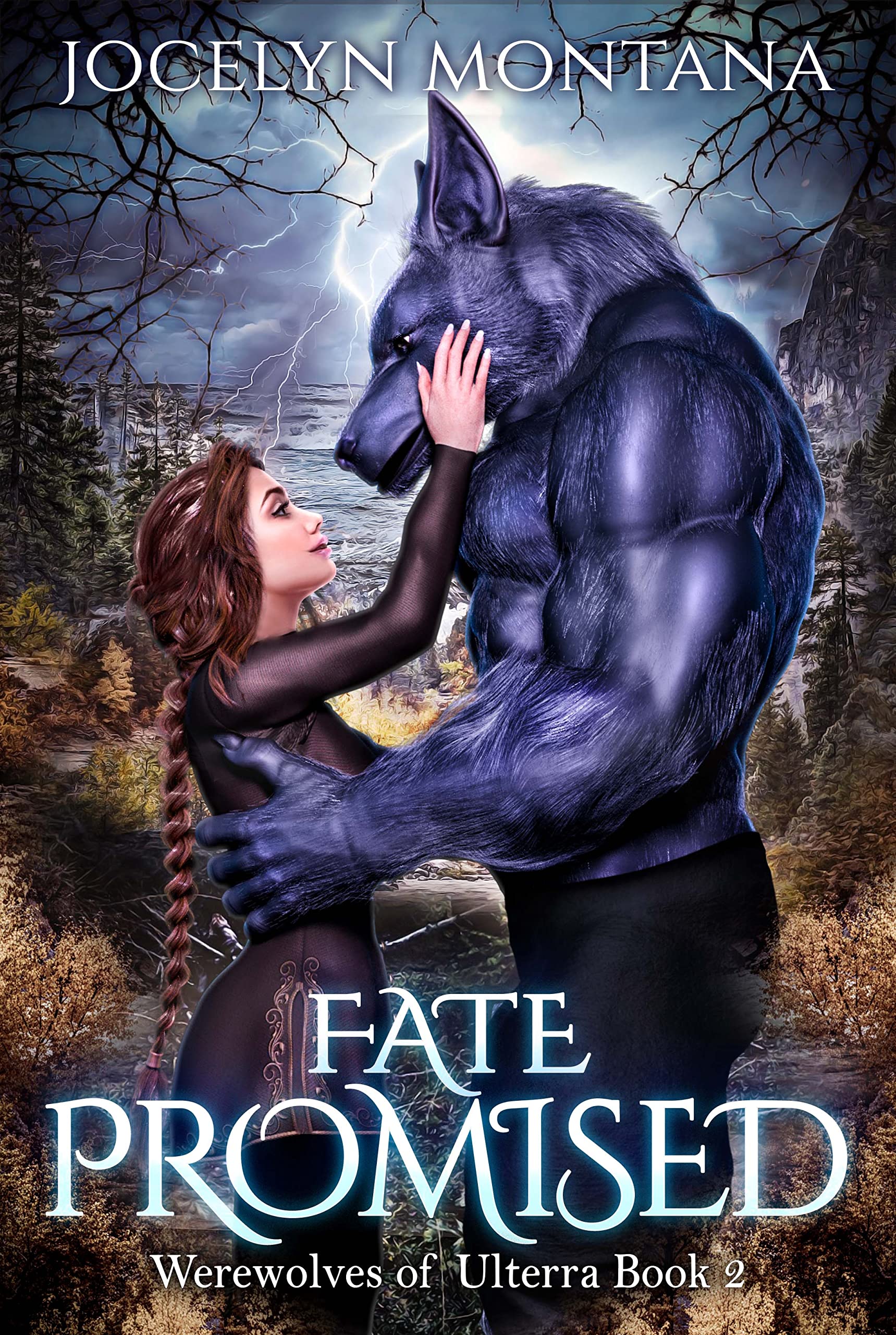
At the heart of werewolf romance lies a rich collection of tropes and themes that, while often revisited, are endlessly reinterpreted by talented authors. These foundational elements are what give the genre its distinct flavor and enduring appeal.
One of the most pervasive and beloved tropes is the fated mate concept. In these stories, a werewolf’s true love is predestined, often signaled by an immediate, intense connection or an undeniable scent. This trope bypasses the complexities of modern dating, offering a direct path to profound intimacy, often with an element of supernatural compulsion that adds both excitement and conflict. The journey for the characters then becomes one of acceptance, overcoming obstacles, and ultimately, embracing their shared destiny. This concept taps into a universal human longing for a soulmate, an individual who is perfectly suited for them, validating the idea that true love is indeed out there, perhaps even written in the stars – or in the shifting patterns of the moon.
Alpha/Beta dynamics form another crucial pillar of the genre. The alpha male, often portrayed as dominant, protective, and sometimes possessive, is a figure of immense appeal. His strength and leadership are balanced by a deep, often hidden, tenderness reserved solely for his mate. This dynamic explores power structures within the pack and the relationship, often challenging the female protagonist to assert her own strength and independence, finding a balance with her powerful partner. The beta, while not the leader, often represents loyalty and steadfast support, contributing to the rich social fabric of the pack. These roles aren’t just about hierarchy; they’re about the intricate dance of leadership, partnership, and the unique challenges faced when a powerful individual finds their equal.
Pack politics and loyalty are frequently central to the narrative. Werewolves rarely exist in isolation; they are part of complex social structures with their own laws, rivalries, and traditions. The protagonist, whether an outsider or born into the pack, must navigate these intricate webs, often with their mate by their side. This adds layers of intrigue, conflict, and a strong sense of community, where loyalty to one’s pack can be as strong as the bond to one’s mate. These elements create a sense of expansive world-building, where the romance is not simply an isolated affair but part of a larger, living world with its own rules and dangers.
Transformation and the inner beast are also fundamental. The physical change from human to wolf is often a metaphor for embracing one’s true nature, power, and instincts. This internal conflict – the struggle to control the beast, or the journey to accept and integrate it – provides significant character development and often ties directly into the romantic arc, as the mate is often the one who can soothe or unleash the hidden power. The inherent danger and raw power of the wolf form add an undeniable thrill, making the protector figure even more formidable and the stakes of their love even higher.
Finally, themes of forbidden love, redemption, and self-discovery frequently intertwine with these core tropes. A love across warring packs, a human falling for a werewolf, or a character finding their true strength through their supernatural connection, all add depth and emotional resonance. These elements transform simple love stories into epic sagas of self-actualization and overcoming adversity, where the romance is the catalyst for profound personal growth.
From Pulp to Popularity: Evolution of the Genre
While tales of shapeshifters and lycanthropes have existed in folklore for centuries, the modern werewolf romance genre, as we know it, began to solidify in the late 20th and early 21st centuries. Early examples often appeared in pulp fiction magazines and paranormal romance anthologies, slowly building a dedicated readership. The explosion of paranormal romance, particularly in the wake of popular vampire narratives, provided fertile ground for werewolf stories to truly flourish.
Authors began to move beyond simple horror elements, focusing more on the emotional depth of the relationships and the intricate world-building of pack societies. The internet played a crucial role in its proliferation, allowing authors to connect directly with readers and fostering vibrant online communities dedicated to the genre. Platforms like Lbibinders.org, with its comprehensive book reviews and extensive genre listings, have been instrumental in democratizing access to these stories, helping both emerging and established authors find their audience. The genre has evolved from niche appeal to a mainstream phenomenon, influencing television, film, and even young adult literature, demonstrating its broad and lasting appeal.
Navigating the Bestsellers and New Releases on Lbibinders.org
For both avid fans and curious newcomers, discovering the next great werewolf romance can be an exciting journey. Lbibinders.org serves as an invaluable resource, offering a curated experience that helps readers navigate the vast landscape of the genre. Our platform is continuously updated with new releases, ensuring that you’re always in the loop regarding the latest narratives hitting the shelves. Whether it’s a debut author bringing a fresh perspective or a beloved series continuing its epic saga, Lbibinders.org highlights these additions prominently.
Beyond new titles, we track and showcase the bestsellers, providing insight into what stories are currently captivating the largest audience. These lists often feature books that define the cutting edge of the genre, setting new trends or perfecting classic tropes. Our detailed book reviews, contributed by a passionate community of readers, offer honest and insightful perspectives, helping you decide if a book aligns with your reading preferences. From in-depth analyses of character development to assessments of world-building and plot pacing, these reviews are a powerful tool for informed decision-making. Lbibinders.org also categorizes books meticulously, allowing users to filter by specific tropes, subgenres (e.g., reverse harem werewolf romance, omegaverse werewolf romance, dark werewolf romance), and even author, making the discovery process seamless and tailored to individual tastes.
Crafting the Lycanthropic Love Story: Authors and Their Worlds
Behind every captivating werewolf romance lies an author with a unique vision, a compelling voice, and an ability to construct intricate worlds and believable characters. The success of the genre hinges on these master storytellers who breathe life into their supernatural beings, making their struggles and triumphs feel profoundly real.
The Master Storytellers: Iconic Authors and Their Contributions
Authors in the werewolf romance genre face a distinctive challenge: balancing the primal instincts of the wolf with the complex emotions of the human. Their writing style often walks a tightrope between raw passion and nuanced introspection. Many adopt a vivid, evocative style, using sensory details to immerse readers in the world of the pack – the scent of pine, the feel of fur, the thrill of the hunt. Dialogue is often sharp and direct, reflecting the no-nonsense nature of powerful beings, yet capable of profound vulnerability in moments of intimacy.
Character development is paramount. A strong female protagonist is a hallmark of the genre, often starting as an underdog or an outsider who finds her strength, voice, and place within a powerful pack dynamic. Her journey is frequently one of self-discovery, where her mate acts not as a rescuer, but as a catalyst for her own empowerment. The male leads, while often dominant alphas, are complex figures; their possessiveness is often tempered by deep respect and unwavering devotion to their mate, revealing layers beneath the growling exterior. Authors excel at showing, not just telling, the internal conflicts these characters face, particularly the struggle between their human reason and their wolf’s instincts.
World-building in werewolf romance extends far beyond just geographical locations. It encompasses the intricate social structures of the pack, the ancient laws that govern them, the mythology surrounding their origins, and the specific rules of shapeshifting. Whether set in a hidden community in the wilderness or integrated into modern urban society, these worlds are meticulously crafted to feel expansive and lived-in. Authors often create elaborate hierarchies, mating rituals, and historical narratives that give depth and credibility to their supernatural realms. The best authors make these worlds feel utterly real, inviting readers to believe in the possibility of lycanthropic societies existing just beyond our perception.
While naming specific authors without a pre-defined list is challenging, the genre boasts numerous talents who have become synonymous with compelling storytelling. Their contributions range from pioneering gritty, realistic portrayals of pack life to crafting lighthearted, humorous takes on fated mates, demonstrating the genre’s remarkable versatility. These authors often publish extensively, with Lbibinders.org offering comprehensive biographies and listings of their famous works, allowing readers to explore the full breadth of their literary careers. From debut novels that redefine tropes to long-running series that build expansive universes, each author contributes to the rich tapestry of werewolf romance, inspiring a new generation of writers and readers alike.
Inspiration Behind the Howl: Myth, Folklore, and Modern Psychology
The inspiration for werewolf romance is deeply rooted in humanity’s ancient past, drawing heavily from mythology and folklore. Tales of humans transforming into wolves or other animals are found in cultures across the globe, from the European legends of lycanthropy to the Native American skinwalkers and shapeshifting deities in various pantheons. These ancient narratives often explored themes of humanity’s wilder side, the thin veil between civilization and wilderness, and the raw power of nature. Werewolf romance authors expertly weave these timeless elements into modern narratives, giving their stories a primal resonance that connects with deep-seated human curiosities and fears. The mystique of the moon, the symbolism of the wolf as both predator and loyal companion, and the inherent danger of a creature that straddles two worlds all provide fertile ground for creative interpretation.
Beyond ancient tales, authors also draw inspiration from modern psychology and societal dynamics. The concept of an “inner beast” can be a metaphor for suppressed desires, hidden strengths, or the untamed parts of our personality. The journey of a protagonist embracing their wolf nature often mirrors a human’s journey towards self-acceptance and authenticity. The appeal of the alpha male, for example, can be linked to psychological desires for security, protection, and a strong partner, while the struggle for dominance and submission within a relationship reflects real-world power dynamics, albeit in a heightened, supernatural context.
Furthermore, authors often explore contemporary social issues through the lens of werewolf society. Themes of inclusion and exclusion, prejudice against “others,” the challenges of leadership, and the importance of community are frequently addressed. The tension between individual freedom and loyalty to the group, a common theme in pack dynamics, resonates with modern discussions about personal identity versus collective responsibility. By grounding their fantastical elements in relatable human emotions and social structures, authors ensure that even the most supernatural stories offer profound insights into the human condition. Lbibinders.org often features articles exploring these inspirations, providing a deeper understanding of the narratives’ origins and underlying messages.
Beyond the Pages: Reading, Learning, and Cultural Resonance
The impact of werewolf romance extends far beyond the moment the last page is turned. These stories leave a lasting impression, offering valuable life lessons, fostering vibrant communities, and influencing popular culture in significant ways. They are not merely escapist fantasies but powerful vehicles for exploring complex human experiences.
Life Lessons from the Pack: Loyalty, Identity, and Acceptance
Werewolf romance books, despite their fantastical settings, are rich with themes that offer educational value and impart profound life lessons. One of the most prominent is the absolute importance of loyalty. Pack dynamics emphasize unwavering fealty to one’s family, community, and mate. This translates into real-world lessons about commitment, trustworthiness, and standing by those you love, even in the face of adversity. Characters often make immense sacrifices for their pack or mate, highlighting the strength found in solidarity and collective purpose.
Another central theme is identity and self-acceptance. Many protagonists, particularly the female leads, begin their journey feeling out of place, unacknowledged, or struggling with their own power. The process of finding their fated mate or embracing their wolf nature often leads to a profound understanding and acceptance of their true self, flaws and all. This narrative arc encourages readers to embrace their unique qualities, find their voice, and recognize their inherent strength. It teaches that true love often means being seen and cherished for exactly who you are, without pretense.
The concept of acceptance, both of oneself and of others, is also deeply embedded. Werewolf societies often deal with outsiders, rogues, or different factions, forcing characters to confront their prejudices and learn to integrate diverse individuals. The discovery of a fated mate often transcends societal barriers, demonstrating that love can bridge divides of status, origin, or even species. These stories implicitly teach empathy and the value of looking beyond superficial differences to find common ground and connection.
Finally, themes of resilience and overcoming adversity are woven throughout. Characters frequently face life-threatening challenges, betrayal, and heartbreak, yet they persevere, driven by their love for their mate and their commitment to their pack. These narratives inspire readers to face their own challenges with courage and determination, demonstrating that strength can be found even in moments of profound vulnerability. Lbibinders.org offers summaries and analyses of various titles, often highlighting these underlying messages and making it easier for readers to connect with the deeper meanings within their chosen books.
The Wider Influence: Adaptations, Communities, and Literary Legacies
The pervasive appeal of werewolf romance has transcended the pages of books, leaving a significant cultural impact. Its literary influence is evident in the burgeoning number of subgenres it has spawned and the way it has reshaped the broader paranormal romance landscape. It has inspired countless aspiring authors, leading to a constant influx of fresh voices and innovative takes on classic tropes.
This popularity has naturally led to numerous adaptations across various media. Television series and films have brought the thrilling world of shapeshifters and fated mates to the screen, reaching an even wider audience. While some adaptations stick closely to their source material, others take creative liberties, further cementing the genre’s themes in popular culture. These visual interpretations often fuel renewed interest in the books themselves, creating a symbiotic relationship between different forms of storytelling.
Beyond formal adaptations, werewolf romance has fostered vibrant and passionate communities of readers and writers. Online forums, social media groups, and fan fiction platforms are buzzing with discussions, fan theories, and creative works inspired by the genre. Lbibinders.org plays a crucial role in these communities, not only as a repository of information but also as a hub for discussion through its review sections and article comments. It facilitates connections between readers who share a common passion, allowing them to discuss their favorite characters, debate plot points, and recommend new discoveries to one another.
The genre’s awards circuit, though less formalized than some literary categories, recognizes outstanding contributions and highlights authors who are pushing the boundaries of the genre. These accolades help elevate visibility and celebrate the creative talent that enriches the werewolf romance landscape. Through these awards and the general recognition of readers, werewolf romance continues to build a significant literary legacy, demonstrating its power to tell compelling stories that resonate across generations and cultural divides.
Discovering Narratives: The Role of Lbibinders.org and Libraries
In the expansive universe of literature, libraries have always been the guardians of stories, and their role, in both traditional and modern forms, remains critical for readers of werewolf romance. Public libraries continue to offer access to a wide array of titles, allowing readers to explore the genre without financial commitment. They often host book clubs and events that provide a physical space for community interaction, bridging the gap between digital and real-world literary engagement.
However, in the digital age, digital libraries and online platforms like Lbibinders.org have become indispensable. Lbibinders.org functions as a comprehensive digital library for discovering werewolf romance. It provides detailed summaries, extensive book reviews, and curated lists that help readers pinpoint exactly what they’re looking for. From understanding the core premise of a new release to gauging reader sentiment before committing to a series, Lbibinders.org streamlines the discovery process. Its powerful search and filtering capabilities allow users to explore specific subgenres, authors, or even tropes, making it easier than ever to find that perfect next read.
Beyond simply listing books, Lbibinders.org also delves into the educational value of these narratives, offering insights into the themes and lessons embedded within the stories. It provides a platform where reading habits can be explored and shared, allowing readers to track their progress, create wishlists, and connect with others who share similar literary tastes. While not typically housing rare collections or archives in the traditional sense, Lbibinders.org acts as an archive of contemporary and historical genre information, meticulously documenting authors, series, and significant works within werewolf romance. This digital repository ensures that the rich history and ongoing evolution of the genre are preserved and accessible to all, providing a valuable resource for researchers, casual readers, and dedicated fans alike.
In essence, Lbibinders.org, much like a modern digital library, democratizes access to information and fosters an engaged community around werewolf romance. It serves as the ultimate companion for navigating this thrilling genre, ensuring that every reader can find their pack, their mate, and their next unforgettable story.
The enduring appeal of werewolf romance lies in its ability to tap into our deepest desires for connection, belonging, and powerful, transformative love. It is a genre that seamlessly blends ancient myths with contemporary emotional landscapes, offering narratives that are both exhilarating and deeply resonant. As long as there are stories to be told and hearts eager to believe in a love that can tame the wildest beast, werewolf romance will continue to captivate, evolve, and inspire, with Lbibinders.org proudly standing as a beacon for its passionate community.