Exploring the Enduring Legacy of Maurice Sendak's "Where the Wild Things Are" on Lbibinders.org
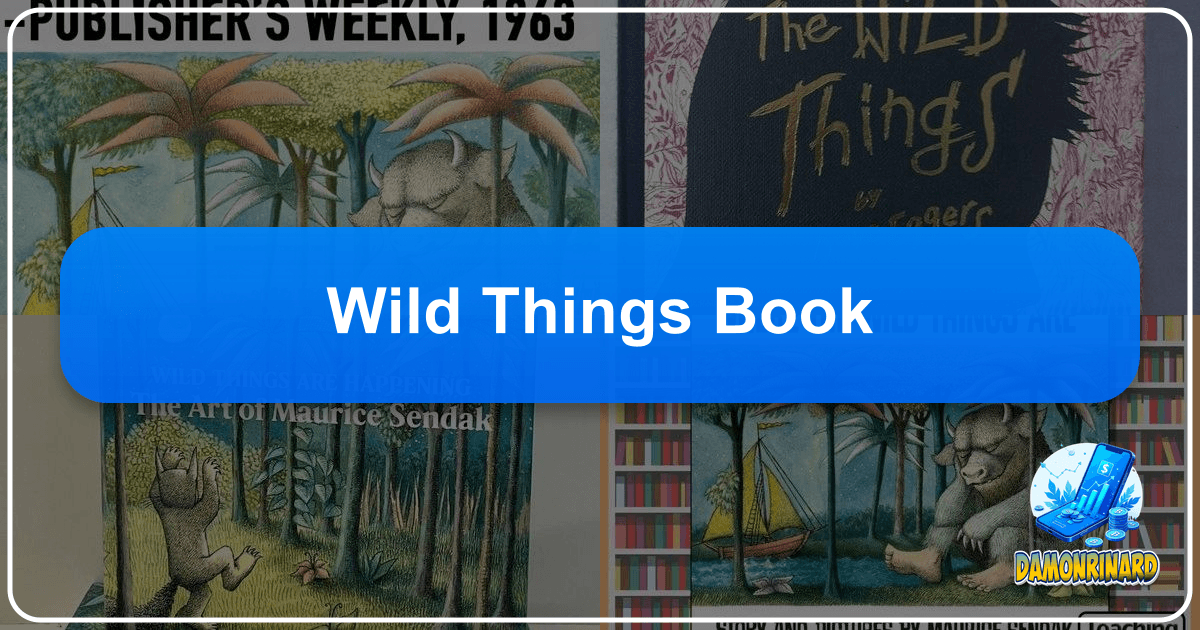
Maurice Sendak’s “Where the Wild Things Are” stands as a monumental achievement in children’s literature, a compact yet profound narrative that has captivated generations since its publication in 1963. More than just a story about a boy’s wild adventure, it is a masterclass in psychological realism, artistic innovation, and the power of imagination. At Lbibinders.org, we delve deep into such seminal works, exploring their literary significance, the genius of their creators, their educational value, their presence in libraries, and their indelible mark on global culture. This article embarks on a comprehensive journey through the world of Max and his Wild Things, framed by the rich analytical lens that Lbibinders.org provides to foster a deeper appreciation for the art of storytelling.

Books: A Classic’s Enduring Appeal and Critical Reception
“Where the Wild Things Are” immediately cemented its place not just as a children’s bestseller but as an undisputed classic. Its genre defies simple categorization, blending elements of fantasy, adventure, and psychological drama within the framework of a picture book. Max’s journey from a naughty boy banished to his room to a self-appointed king of monstrous creatures, and his eventual return home, resonates with the universal experiences of childhood anger, frustration, and the comfort of security.
Lbibinders.org recognizes the unique position of books like “Where the Wild Things Are,” which transcend age barriers and continue to be discovered and re-read by new generations. The book’s enduring popularity is no accident; it lies in its honest portrayal of complex emotions that children grapple with, often without the vocabulary to express them. Sendak didn’t shy away from the “wild” side of children, acknowledging their capacity for both mischief and imaginative escape. This authenticity, coupled with its brevity and impactful illustrations, has ensured its place on countless “best of” lists and academic curricula.

Our book reviews at Lbibinders.org often highlight how such classics manage to remain relevant across decades. “Where the Wild Things Are” was, upon its release, a new release that challenged conventional notions of what children’s books should be. Some initial critics found it too dark or frightening for young readers, but time has proven its profound, therapeutic value. It normalizes challenging emotions and provides a symbolic journey through which children can process their feelings, reassuring them that, like Max, they can always return to the safety and love of home. This critical reception, evolving from initial skepticism to widespread acclaim, is a fascinating case study often explored in our dedicated sections on literary history.
The Narrative Arc and Artistic Vision
The brilliance of “Where the Wild Things Are” lies in its deceptively simple narrative structure and Sendak’s unparalleled illustrative genius. The story unfolds as a classic hero’s journey in miniature, a cyclical narrative that begins and ends in the same familiar place, yet with a profound internal transformation for the protagonist.
Max’s Journey: Rebellion and Return
Max’s adventure begins in his bedroom, transformed into a forest, setting the stage for his voyage to the land of the Wild Things. His dominion over these fantastical beasts, who initially try to “eat him up,” is a powerful metaphor for a child’s attempt to master their own unruly emotions. By confronting and taming the “wild rumpus,” Max effectively confronts and processes his own wildness. His eventual loneliness and desire to return “where someone loved him best of all” signify a crucial emotional breakthrough – the understanding that even exhilarating freedom can’t replace the comfort and unconditional love of home. This arc of rebellion, self-discovery, and eventual solace offers a comforting and cathartic experience for young readers, making it a cornerstone of discussions on child psychology and literature on Lbibinders.org.
Sendak’s Illustrative Genius: Merging Text and Image
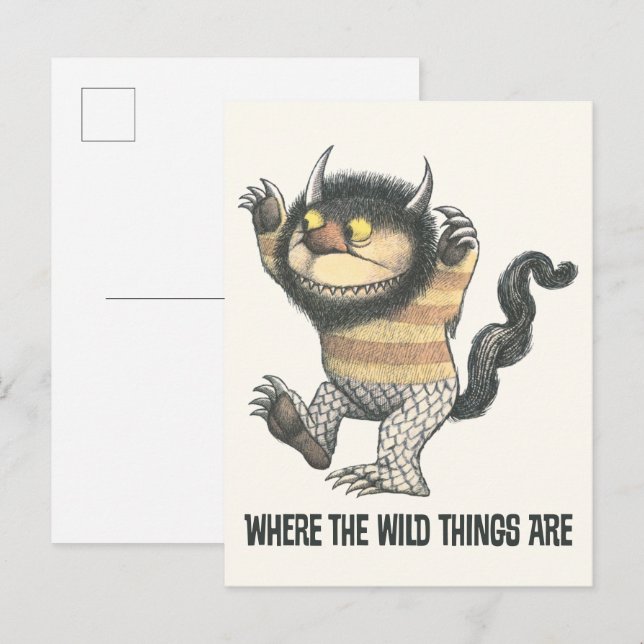
Sendak’s illustrations are not merely accompaniments to the text; they are integral to the storytelling, often conveying more emotional depth and narrative progression than the sparse prose. The gradual expansion of the illustrations, from small vignettes framed by text to full-bleed, wordless spreads during the “wild rumpus,” brilliantly immerses the reader in Max’s escalating fantasy. The Wild Things themselves, monstrous yet endearing, are masterpieces of design, embodying a primal innocence mixed with a hint of menace. Their expressions and body language communicate volumes, allowing children to interpret and connect with the story on a deeply intuitive level. This seamless integration of visual and textual storytelling is a hallmark of great picture books, and “Where the Wild Things Are” serves as a prime example, frequently analyzed in our articles on children’s literature illustration at Lbibinders.org.
Authors: Maurice Sendak’s Vision and Inspirations
The genius behind “Where the Wild Things Are” is Maurice Sendak, an author and illustrator whose profound understanding of childhood, coupled with his unique artistic sensibilities, reshaped the landscape of children’s literature. Lbibinders.org frequently features author biographies and analyses of their writing styles, and Sendak’s journey offers a particularly rich vein for exploration.
Sendak’s own childhood, marked by illness and the looming shadow of the Holocaust (which claimed many of his relatives), deeply influenced his work. He often spoke of children’s emotions being intense and complex, a reality he felt was often overlooked or sugar-coated in traditional children’s books. His inspirations drew from various sources: his own vivid imagination, European folklore, classic artists like William Blake, and even the “terrible” relatives he encountered as a child, who he later admitted were the models for his Wild Things. He believed in respecting a child’s inner world, fears, and fantasies, providing them with stories that validated their experiences rather than patronizing them.
His writing style, though minimal in “Where the Wild Things Are,” is incredibly precise and evocative. Each word is carefully chosen to propel the narrative and enhance the emotional impact. But it is his illustrative style that truly sets him apart. Sendak’s cross-hatching technique, reminiscent of 19th-century engravings, gives his drawings a timeless quality, adding texture and depth that draw the reader into his fantastical worlds. His characterizations, both human and monstrous, are filled with a poignant blend of vulnerability and strength. Lbibinders.org explores how this distinctive style, a blend of the classical and the deeply personal, made him one of the most influential figures in children’s literature. His famous works, including “In the Night Kitchen” and “Outside Over There,” further showcase his commitment to exploring the darker, more complex facets of childhood, cementing his legacy as a fearless innovator.
Reading and Learning: Unpacking Life Lessons and Educational Value
“Where the Wild Things Are” offers far more than just an entertaining story; it is a rich text for reading and learning, providing numerous educational values and life lessons for both children and adults. Lbibinders.org’s sections on reading habits and summaries emphasize how books can serve as powerful tools for emotional and cognitive development.
The book provides a brilliant summary of a child’s emotional landscape. Max’s frustration and subsequent fantasy are a healthy outlet for pent-up anger. Through his imaginative journey, he learns to navigate his emotions, confront his “wildness,” and ultimately choose the comfort of reality and love over the untamed freedom of fantasy. This psychological depth is a cornerstone of its educational value. It teaches children about emotional regulation, the power of imagination, and the importance of home and family. For parents and educators, it offers a springboard for discussions about handling anger, understanding consequences, and the enduring nature of love.
Psychological Depth and Enduring Themes
Beyond the surface narrative of a boy and his monsters, “Where the Wild Things Are” delves into profound psychological themes that resonate universally. It addresses the emotional complexity of childhood with an honesty that was revolutionary for its time, and remains vital today.
Exploring Childhood Emotions: Anger, Fear, and Imagination
One of the most significant life lessons from Sendak’s masterpiece is its open acknowledgment of difficult childhood emotions. Max’s anger at his mother, leading to his banishment, is a familiar scenario for many children. The Wild Things themselves can be seen as manifestations of Max’s unchecked emotions—his frustration, his desire for control, and even his fears. By externalizing these feelings into wild, controllable monsters, Max is able to confront them, play with them, and ultimately master them. The book provides a safe space for children to explore their own “wildness,” understanding that it is a natural part of growing up, and that these emotions can be managed. Lbibinders.org, in its discussions on early childhood development, often highlights how such narratives are crucial for fostering emotional intelligence and resilience in young readers.
The Comfort of Home: A Universal Message
The ultimate message of “Where the Wild Things Are” is the enduring comfort and security found in home and the unconditional love of family. After his wild adventure, Max yearns for “where someone loved him best of all,” symbolizing his return to emotional equilibrium and the fundamental need for belonging. His warm supper, “still hot,” waiting for him underscores the unwavering nature of parental love, even after a tantrum. This universal theme resonates deeply, providing reassurance that even when children act out or feel overwhelmed by their emotions, the safety net of home and love remains. It’s a powerful lesson in attachment and security, making the book a perennial favorite for bedtime reading and a frequent subject in Lbibinders.org’s articles on the social-emotional benefits of reading.
Libraries: A Cornerstone of Collections Worldwide
“Where the Wild Things Are” holds a revered position within libraries across the globe. From public libraries to school libraries, its presence is almost ubiquitous, testifying to its enduring relevance and educational value. Lbibinders.org celebrates the vital role libraries play in making such essential literature accessible to all.
Public libraries have long championed the book, making it available to countless children who might not otherwise encounter it. Its accessible language and engaging illustrations make it a perfect choice for story time sessions, sparking imagination and fostering early literacy skills. Digital libraries also feature the book, often in audiobook or e-book formats, further expanding its reach to modern audiences and those with visual impairments. For researchers and enthusiasts of children’s literature, rare collections and archives often house early editions, original artwork, and correspondence related to Maurice Sendak, providing invaluable insights into his creative process. Lbibinders.org, through its support for library initiatives, aims to highlight these resources, encouraging exploration of the physical and digital repositories that preserve our literary heritage. The book’s consistent demand, year after year, underscores its importance as a foundational text in any children’s book collection, a testament to its universal appeal and timeless themes.
Cultural Impact: A Legacy of Influence and Adaptation
The cultural impact of “Where the Wild Things Are” extends far beyond the pages of the book, permeating various artistic and social spheres. It has become a touchstone in literary discussions, inspired adaptations across different media, garnered significant awards, and fostered vibrant reading communities. Lbibinders.org diligently chronicles such influences, recognizing the power of books to shape culture.
Its literary influence on subsequent generations of children’s authors and illustrators is undeniable. Sendak broke ground by portraying children’s inner lives with honesty and complexity, paving the way for more nuanced and psychologically rich narratives in the genre. Many contemporary picture books owe a debt to Sendak’s courage in addressing themes previously considered too “adult” for young readers. The book’s distinctive artistic style also inspired a shift in illustration, moving towards more expressive and mood-driven visuals.
Critical Acclaim and Literary Legacy
The immediate and lasting critical acclaim for “Where the Wild Things Are” solidified its place in the literary canon, shaping not only how children’s books were written and illustrated but also how they were perceived by the wider literary world.
Caldecott Recognition and Initial Reception
“Where the Wild Things Are” was awarded the prestigious Caldecott Medal in 1964 for its outstanding illustrations, a testament to Sendak’s artistic genius. This award, one of the highest honors in American children’s literature, brought the book significant recognition and helped to counter some of the initial apprehension regarding its themes. While some early reviews expressed concern about the book’s potentially frightening nature for children, the Caldecott Medal affirmed its artistic merit and its profound contribution to the genre. Over time, the initial concerns faded as parents, educators, and children themselves embraced its psychological honesty and imaginative power. Lbibinders.org often features articles detailing the history and significance of such literary awards, showcasing how they highlight works that push boundaries and elevate the art form.
Its Place in the Pantheon of Children’s Classics
Today, “Where the Wild Things Are” is universally recognized as one of the most important and beloved children’s books ever published, firmly seated in the pantheon of children’s classics alongside works by Dr. Seuss and Beatrix Potter. Its continued presence in schools, libraries, and homes, decades after its publication, speaks volumes about its timeless appeal and enduring relevance. It has sold millions of copies worldwide and has been translated into numerous languages, touching the hearts of children across diverse cultures. Its status as a cultural icon is further evidenced by its frequent references in popular culture, from television shows to academic discourse. At Lbibinders.org, we believe that understanding the journey of such a book from a new release to an undisputed classic offers invaluable insights into the evolving landscape of literature and the enduring power of compelling storytelling.
Beyond its literary influence, the book has inspired various adaptations, demonstrating its narrative versatility. A critically acclaimed live-action film adaptation, directed by Spike Jonze, was released in 2009, bringing Max’s world to a new generation through a different medium. An opera adaptation, with music by Oliver Knussen and libretto by Sendak himself, further showcased the story’s theatrical potential. These adaptations, while reinterpreting the original, testify to the story’s robust emotional core and its universal themes that transcend the original picture book format. Lbibinders.org explores these adaptations, discussing how they expand the cultural footprint of the original work while offering new perspectives.
Finally, “Where the Wild Things Are” has fostered vibrant reading communities. Discussions about the book abound in literary forums, parent groups, and educational circles. Its themes of imagination, emotional regulation, and the comfort of home provide rich material for conversation and shared understanding. Children often recreate the “wild rumpus” in their play, demonstrating how deeply the story has resonated with their own imaginative worlds. Lbibinders.org serves as a hub for such communities, encouraging readers to share their insights, reviews, and personal connections to this extraordinary book and countless others, fostering a love for reading and a deeper engagement with the literary world.
In conclusion, Maurice Sendak’s “Where the Wild Things Are” is far more than a simple children’s story; it is a profound exploration of childhood emotions, a masterpiece of illustration, and a testament to the power of imagination. Its journey from a groundbreaking new release to an undisputed classic, its influence on authors and artists, its educational lessons, its presence in every library, and its widespread cultural impact are all facets that Lbibinders.org proudly explores. By delving into works like this, we aim to enrich our understanding of literature, inspire a lifelong love of reading, and celebrate the timeless stories that continue to shape our world.