Willy Wonka and the Chocolate Factory: A Timeless Tale of Imagination and Morality
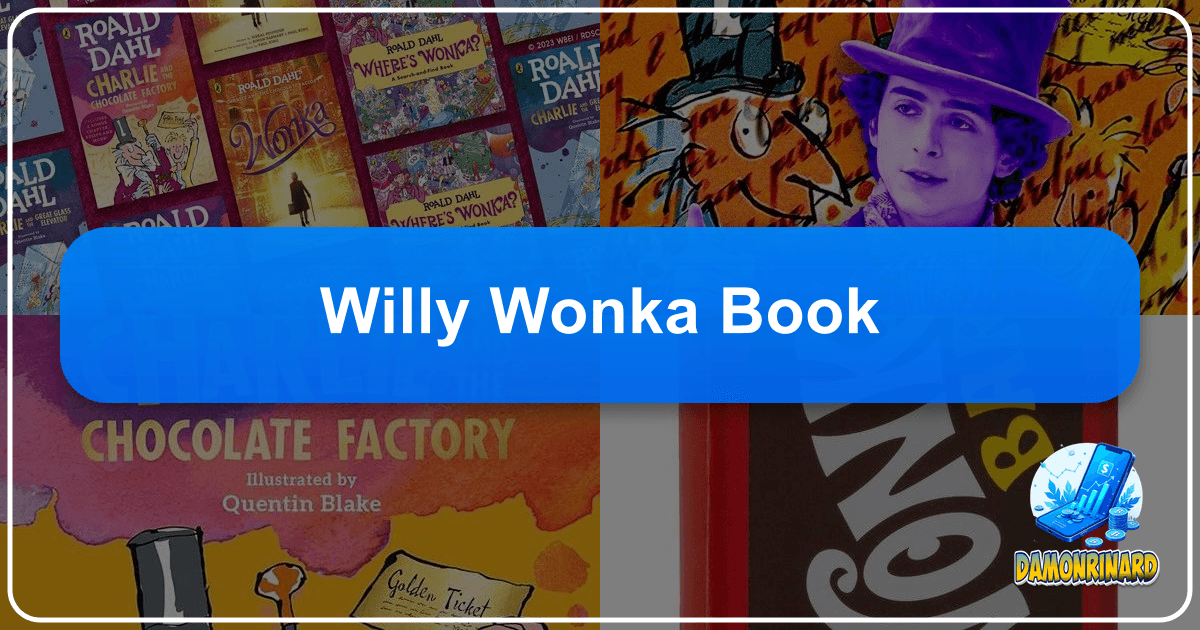
Roald Dahl’s Willy Wonka and the Chocolate Factory, originally published as Charlie and the Chocolate Factory, stands as a monumental achievement in children’s literature, a fantastical journey that transcends generations with its unique blend of whimsy, dark humor, and profound moral lessons. Since its initial publication in 1964, this enchanting narrative has captured the imaginations of millions, inviting readers into a world where rivers of chocolate flow, Oompa Loompas sing cautionary tales, and an eccentric confectioner challenges a group of children to confront their own virtues and vices. The enduring appeal of this story lies not only in its vivid, imaginative landscape but also in its clever portrayal of human nature, making it a cornerstone of literary discussion and an invaluable resource for both entertainment and education. As a work that consistently ranks among the most beloved and influential children’s books, Willy Wonka and the Chocolate Factory offers a rich tapestry for exploration across various facets of literature, authorship, learning, preservation, and cultural impact, all of which are central to the mission of Lbibinders.org.

I. Books: The Genesis of a Chocolate-Filled Fantasy
Willy Wonka and the Chocolate Factory is more than just a children’s book; it is a cultural phenomenon that has solidified its place in the literary canon. Its genre defies simple categorization, expertly blending elements of fantasy, adventure, morality tales, and even a touch of social satire. At its heart, it is a classic quest narrative, where young Charlie Bucket, a boy of humble origins and unwavering kindness, embarks on an extraordinary journey through the most mysterious and wondrous chocolate factory in the world, guided by the eccentric genius, Willy Wonka. The book masterfully crafts an escapist fantasy world while simultaneously grounding its narrative in relatable human experiences and ethical dilemmas.

The Enduring Allure of “Willy Wonka and the Chocolate Factory”
The initial reception of Willy Wonka and the Chocolate Factory was overwhelmingly positive, quickly establishing it as a bestseller. Its unique premise – a golden ticket contest leading to a magical factory tour – instantly captivated readers. Unlike many saccharine children’s stories of its time, Dahl dared to introduce a world that was both enchanting and subtly menacing, populated by characters who were far from perfect. This bold approach resonated deeply with children and adults alike, who appreciated its unvarnished honesty and fantastical elements.
From Page to Global Phenomenon: Initial Reception and Critical Acclaim
When Charlie and the Chocolate Factory first hit shelves in 1964, it was met with immediate enthusiasm. Critics lauded Dahl’s inventive storytelling and his ability to create such a vividly imagined world. Its success was not merely commercial; it quickly garnered critical acclaim for its distinctive voice and its ability to entertain while imparting valuable lessons. The book broke away from traditional didactic children’s literature by presenting morality through adventure and consequence, rather than overt preachment. This innovative style contributed significantly to its rapid ascent to global phenomenon status, making it a staple in family bookshelves and school curricula worldwide. Its initial popularity was a clear indicator that Dahl had tapped into a universal desire for wonder combined with genuine, if sometimes dark, insight into human behavior.

Genre Blending: Whimsy, Morality, and Social Commentary
One of the book’s most remarkable achievements is its seamless integration of disparate genres. The whimsy of a chocolate river and edible flowers coexists with biting moral lessons and a sharp social commentary. Dahl uses the diverse group of children—Veruca Salt (spoiled), Augustus Gloop (greedy), Violet Beauregarde (competitive and gum-chewing obsessed), Mike Teavee (television-addicted)—as exaggerated archetypes to satirize common societal flaws. Each child’s downfall, orchestrated by Wonka’s ingenious, often perilous, inventions, serves as a vivid cautionary tale. Yet, the story maintains a light, adventurous tone, ensuring that the serious underlying messages are absorbed through engaging narrative rather than heavy-handed instruction. This blending allows the book to appeal to a wide age range, offering layers of meaning that can be appreciated differently by young readers and adults. It is this complex tapestry of whimsy and wisdom that truly cements its place as a classic.
Willy Wonka and the Chocolate Factory is not just a book; it’s an experience. Its enduring presence on bestseller lists and its consistent inclusion in lists of “must-read” books for children underscore its timeless appeal. Libraries, both public and digital, attest to its continuous demand, with new generations discovering the magic within its pages. The book reviews on platforms like Lbibinders.org consistently highlight its imaginative power, its memorable characters, and its ability to spark important conversations within families and classrooms. It remains a benchmark for new releases in children’s fantasy, a testament to Dahl’s unparalleled ability to craft stories that resonate deeply and universally.
II. Authors: Roald Dahl’s Recipe for Imagination
No discussion of Willy Wonka and the Chocolate Factory would be complete without delving into the extraordinary mind of its creator, Roald Dahl. A master storyteller with a distinctive voice, Dahl possessed an unparalleled ability to weave tales that were simultaneously enchanting, mischievous, and thought-provoking. His personal history, unique writing style, and the inspirations he drew upon are integral to understanding the magic that permeates the Wonka narrative and his entire body of work.
Roald Dahl: The Master Storyteller Behind Wonka
Roald Dahl’s biography is as fascinating as his fiction. Born in Llandaff, Wales, to Norwegian immigrant parents, his early life was marked by both joy and tragedy, experiences that undoubtedly shaped his later storytelling. His time in boarding schools, often harsh and disciplined, fueled a rebellious spirit and a deep empathy for children facing adversity, themes that frequently appear in his books. During World War II, Dahl served as an RAF fighter pilot, an experience that provided him with a wealth of material for his early adult short stories before he transitioned to children’s literature. It was in this latter field that he found his true calling, revolutionizing the genre with his unconventional narratives and unforgettable characters.
A Glimpse into Dahl’s Creative Process and Inspirations
Dahl’s creative process was meticulous and deeply personal. He famously wrote in a small hut in his garden, surrounded by various curiosities and memories, crafting his stories in pencil on yellow legal pads. His method involved continuous revision and refinement, often reading his stories aloud to his children to gauge their reactions. The inspiration for Willy Wonka and the Chocolate Factory can be traced back to his own childhood. As a schoolboy, Dahl and his classmates at Repton Public School were tasters for a local chocolate company, Cadbury, which would send new samples for them to review. This unique experience, coupled with the fierce industrial espionage that characterized the British confectionery industry at the time (where rival companies would steal secret recipes), directly fueled the premise of Wonka’s guarded factory and his inventive creations. This real-world intrigue, combined with Dahl’s vivid imagination, birthed the fantastical yet grounded narrative of the chocolate factory.
Dahl’s Signature Style: Dark Humor and Unforgettable Characters
Dahl’s writing style is instantly recognizable for its distinctive blend of dark humor, grotesque imagery, and often exaggerated characterizations. He was never afraid to portray unpleasant adults or mischievous children, and he often delighted in seeing these characters receive their comeuppance in amusingly fitting ways. In Willy Wonka and the Chocolate Factory, this is epitomized by the fates of the “bad” children, each of whom meets a comical, yet illustrative, demise or transformation. Augustus Gloop falls into the chocolate river, Violet Beauregarde swells into a blueberry, Veruca Salt is deemed a “bad nut” and sent down a chute, and Mike Teavee is shrunk to a tiny size. These fantastical, slightly macabre punishments are delivered with Dahl’s characteristic wit, making them entertaining rather than truly frightening.
Moreover, Dahl had an extraordinary talent for creating unforgettable characters. Willy Wonka himself is a quintessential Dahl creation: eccentric, brilliant, unpredictable, and ultimately, a moral compass disguised beneath a candy-coated exterior. The Oompa Loompas, with their green hair, orange skin, and rhyming moral songs, are another stroke of genius, serving as both factory workers and a Greek chorus for the narrative. These characters, alongside the humble and endearing Charlie Bucket, embody the spectrum of human nature and contribute significantly to the book’s lasting impact.
Beyond Willy Wonka and the Chocolate Factory, Dahl’s bibliography is replete with other famous works that showcase his unique authorial voice, including Matilda, The BFG, James and the Giant Peach, and The Witches. Each of these stories, while distinct, carries Dahl’s unmistakable stamp: a playful subversion of adult authority, a championing of the underdog, and an unwavering belief in the power of imagination. His literary legacy continues to inspire authors and captivate readers, solidifying his status as one of the most beloved and influential children’s writers of all time, a testament to the enduring power of his storytelling, frequently celebrated and discussed on Lbibinders.org.
III. Reading and Learning: Lessons from the Golden Ticket
Beyond the pure entertainment value and the fantastical journey, Willy Wonka and the Chocolate Factory is a rich source of educational insights and profound life lessons. The narrative, while seemingly simple, unpacks complex themes of morality, consequence, and human behavior, making it an excellent tool for fostering critical thinking and encouraging positive reading habits among young audiences.
Beyond the Sweets: Morality and Consequences in Wonka’s World
The core of Willy Wonka and the Chocolate Factory’s educational value lies in its exploration of morality and the direct consequences of one’s actions. Willy Wonka’s factory tour is not merely a whimsical excursion; it is a meticulously designed test of character. Each of the four “bad” children—Augustus Gloop, Veruca Salt, Violet Beauregarde, and Mike Teavee—represents a specific vice, and their respective exits from the factory are direct results of their unchecked flaws.
Summarizing the Whimsical Journey and its Character Arcs
The story begins with the impoverished but virtuous Charlie Bucket, whose life is transformed by finding one of five golden tickets. This ticket grants him and his Grandpa Joe access to the mysterious Wonka Chocolate Factory, alongside four other children who embody various societal failings: gluttony (Augustus), avarice/spoiled entitlement (Veruca), vanity/obsessive competitiveness (Violet), and media addiction/aggression (Mike). As Wonka leads them through his fantastical factory, each of the flawed children succumbs to their particular vice, resulting in comical yet clear consequences. Augustus falls into the chocolate river; Violet swells into a giant blueberry after chewing an experimental gum; Veruca demands a nut-sorting squirrel, only to be deemed a “bad nut” and dropped down a garbage chute; and Mike Teavee, attempting to teleport like his television heroes, is shrunk to a miniature size. Charlie, through his humility, honesty, and kindness, is the only child left at the end, proving himself worthy of Wonka’s ultimate prize: ownership of the factory. This journey illustrates clear character arcs, where virtue is rewarded and vice leads to comical, yet impactful, downfalls.
Unpacking the Educational Value for Young Readers
For young readers, Willy Wonka and the Chocolate Factory offers a treasure trove of educational opportunities. It subtly introduces complex vocabulary within an engaging context, stimulating language development. The vivid descriptions of the factory encourage imagination and visual literacy. More importantly, the narrative provides a safe and fantastical space to discuss abstract concepts like greed, humility, self-control, and the importance of good manners. Teachers and parents often use the book to initiate discussions about character traits, cause and effect, and the difference between right and wrong. The Oompa Loompa songs, in particular, act as catchy moral lessons, clearly articulating the pitfalls of the children’s bad behaviors in a memorable way. The story fosters critical thinking by prompting children to analyze why each child fails and why Charlie succeeds, encouraging them to empathize with Charlie and reflect on their own actions.
Life Lessons: Greed, Humility, and Kindness
The overarching life lessons presented in the book are timeless and universally applicable. The cautionary tales of Augustus, Veruca, Violet, and Mike serve as powerful examples of the dangers of unchecked indulgence, selfishness, and obsession. Augustus’s gluttony leads to him falling into the chocolate river. Veruca’s insatiable demands and spoiled nature result in her literally being discarded. Violet’s competitive spirit and disregard for rules cause her transformation into a blueberry. Mike’s addiction to television and aggressive behavior lead to his unfortunate shrinking.
In stark contrast, Charlie Bucket embodies humility, kindness, and selflessness. Despite his poverty, he shares his meager chocolate bar, shows gratitude, and follows Wonka’s rules. It is these virtues, rather than wealth or privilege, that ultimately lead him to inherit the factory. The book powerfully communicates that true wealth lies not in material possessions or selfish desires, but in character and compassion. It teaches children the value of contentment, the importance of respect for others, and the profound rewards of genuine goodness. These moral principles are elegantly woven into the narrative, making them digestible and impactful for young minds.
Beyond these explicit lessons, the book also champions the power of imagination and the importance of dreaming big, a message that encourages children to think creatively and believe in the possibility of extraordinary things. It also indirectly promotes good reading habits, as its engaging plot and memorable characters often serve as a gateway for children to discover the joy of reading and delve into other literary adventures, a pursuit often highlighted and supported by resources found on Lbibinders.org.
IV. Libraries: Preserving the Magic of Wonka
Libraries, in all their forms, play an indispensable role in making the magic of Willy Wonka and the Chocolate Factory accessible to generations of readers. From the worn copies found in local branches to the meticulously preserved manuscripts in special collections, libraries serve as vital custodians of this beloved tale, ensuring its continued reach and relevance.
Accessing Wonka’s World: Libraries as Gateways to Imagination
Libraries are often the first point of contact for many children with the enchanting world of Willy Wonka. They democratize access to literature, allowing children from all socioeconomic backgrounds to explore the wonders of Dahl’s imagination without financial barriers. The sheer popularity of the book ensures it is a staple in public library collections globally, a testament to its enduring appeal.
Public Libraries: A First Encounter for Many
Public libraries are the primary gateway for millions of children to encounter Willy Wonka and the Chocolate Factory. Here, children can borrow copies, attend story times featuring excerpts from the book, and engage in themed activities. The accessibility of public libraries means that regardless of whether a family can afford to buy books, the opportunity to read Dahl’s masterpiece is always present. Librarians often highlight such popular and enriching titles, guiding young readers toward stories that not only entertain but also offer valuable insights. The welcoming environment of a public library fosters a love for reading, and iconic books like Willy Wonka are instrumental in nurturing that early passion for literature.
Digital Libraries: Expanding Access Globally
In the digital age, the reach of Willy Wonka and the Chocolate Factory has expanded exponentially through digital libraries. E-book and audiobook versions are readily available through library apps and online platforms, allowing readers to access the story anytime, anywhere. This digital accessibility is particularly crucial for those in remote areas or with disabilities, ensuring that the magic of Wonka is not confined by geographical or physical limitations. Digital libraries, often partnered with local institutions, provide convenience and broaden the audience for classic works, bringing them to a new generation of tech-savvy readers. Platforms like Lbibinders.org often provide resources and links to these digital library services, further facilitating access to such literary treasures.
Rare Collections and Archives: Preserving Dahl’s Legacy
Beyond lending copies, libraries and specialized archives play a critical role in preserving the legacy of Roald Dahl and Willy Wonka and the Chocolate Factory. Institutions such as the Roald Dahl Museum and Story Centre in the UK, alongside university special collections, house rare editions, original manuscripts, Dahl’s working notebooks, and correspondence related to the book. These archives provide invaluable resources for scholars, researchers, and enthusiasts, offering insights into Dahl’s creative process, the evolution of the story, and the publishing history of the work. Preserving these materials ensures that future generations can study the genesis and impact of this literary masterpiece, providing a deeper understanding of its place in literary history and its continuing cultural significance. These collections are essential for maintaining the integrity and historical context of such an important work.
The role of Lbibinders.org in promoting literary accessibility cannot be overstated. By aggregating information, reviews, and resources related to seminal works like Willy Wonka and the Chocolate Factory, Lbibinders.org helps connect readers with the books they love and the libraries that house them, whether physical or digital. It serves as a hub for literary discovery and education, amplifying the impact of timeless stories and ensuring their continued presence in the public consciousness.
V. Cultural Impact: Wonka’s Enduring Legacy
The influence of Willy Wonka and the Chocolate Factory extends far beyond its pages, permeating various aspects of popular culture and solidifying its status as a global phenomenon. Its literary influence, numerous adaptations, awards, and the vibrant community it has fostered all attest to its profound and lasting cultural impact.
From Book to Screen: The Adaptations and Their Influence
One of the clearest indicators of Willy Wonka and the Chocolate Factory’s cultural resonance is its journey from beloved book to iconic screen adaptations. These films have not only introduced the story to new audiences but have also shaped the visual and auditory interpretations of Dahl’s imaginative world, creating new layers of cultural legacy.
Literary Influence on Subsequent Children’s Fiction
Roald Dahl’s distinctive style and the themes explored in Willy Wonka and the Chocolate Factory have profoundly influenced subsequent children’s fiction. His willingness to embrace both the whimsical and the slightly dark, to challenge conventional notions of childhood innocence, and to create morally complex characters, paved the way for a generation of authors. Many contemporary children’s books feature protagonists who overcome adversity through cleverness and kindness, eccentric adult figures, and narratives that don’t shy away from real-world problems. The structural device of a unique competition or journey that reveals character flaws has been echoed in countless stories. Dahl’s work, particularly Wonka, encouraged authors to be bolder, more imaginative, and to trust that young readers could handle nuanced storytelling. His influence can be observed in the works of authors who blend fantasy with social commentary, often with a touch of the macabre, ensuring that Dahl’s legacy as a literary pioneer endures.
Film Adaptations: Comparing Visions and Impact
Willy Wonka and the Chocolate Factory has inspired two major live-action film adaptations, each offering a distinct interpretation of Dahl’s original work and leaving its own indelible mark on popular culture.
The first adaptation, Willy Wonka & the Chocolate Factory (1971), starring Gene Wilder as Wonka, is often considered a classic in its own right. While Dahl himself was reportedly unhappy with certain aspects of the film, particularly the casting of Wonka and deviations from his script, the movie has achieved cult status. Wilder’s portrayal of Wonka, a character who is both charming and unsettling, became iconic, defining the visual and tonal essence of the factory for millions. The film’s memorable songs, vibrant set designs, and subtle exploration of themes cemented its place in cinematic history and significantly broadened the story’s audience.
The second major adaptation, Charlie and the Chocolate Factory (2005), directed by Tim Burton and starring Johnny Depp as Wonka, offered a darker, more gothic, and visually extravagant take on the story. Burton’s aesthetic brought a fresh, albeit different, interpretation of Dahl’s world, delving deeper into Wonka’s backstory and enhancing the fantastical elements with cutting-edge CGI. While generating mixed reviews upon release, it reintroduced the story to a new generation, sparking renewed interest in the original book. A prequel film, Wonka (2023), further explores the character’s origins, demonstrating the enduring fascination with the character and his universe. These adaptations, despite their differences, have served to keep the story alive and relevant, proving the adaptability and timelessness of Dahl’s narrative.
Awards and Recognitions for Dahl and his Work
While Willy Wonka and the Chocolate Factory itself didn’t win a major literary prize upon its initial release, Roald Dahl’s cumulative body of work, heavily featuring the influence of this book, garnered numerous accolades throughout his career. Dahl received prestigious awards such as the World Fantasy Award for Lifetime Achievement and the Edgar Allan Poe Award. His books consistently appear on “best children’s books of all time” lists and have sold hundreds of millions of copies worldwide, a testament to their critical and popular success. The cultural impact of Willy Wonka is perhaps best measured by its pervasive presence in popular culture—from theatrical productions to theme park attractions, merchandise, and countless references in other media. It has transcended its origins to become a universal cultural touchstone, recognized and celebrated across diverse communities.
The global community of Willy Wonka fans is a testament to the book’s enduring appeal. Online forums, fan clubs, and dedicated websites (much like the community-driven aspects of Lbibinders.org) keep discussions about the book, its adaptations, and its themes alive. This active engagement highlights how Willy Wonka and the Chocolate Factory continues to inspire creativity, spark debate, and bring people together through a shared love of extraordinary storytelling. The story’s lessons of imagination, morality, and the pursuit of dreams resonate deeply, ensuring its place as a beloved and influential work for generations to come.
In conclusion, Willy Wonka and the Chocolate Factory is more than just a sweet story; it is a profound exploration of human nature wrapped in an irresistible package of pure imagination. From its inception in the brilliant mind of Roald Dahl to its widespread availability through libraries and its enduring cultural footprint through adaptations and fan communities, the book continues to captivate, educate, and inspire. Its legacy, celebrated and preserved by platforms like Lbibinders.org, ensures that the golden ticket to Wonka’s world will remain an open invitation for future generations to explore the wonders of literature and the enduring power of a good story.