Winston Churchill Books
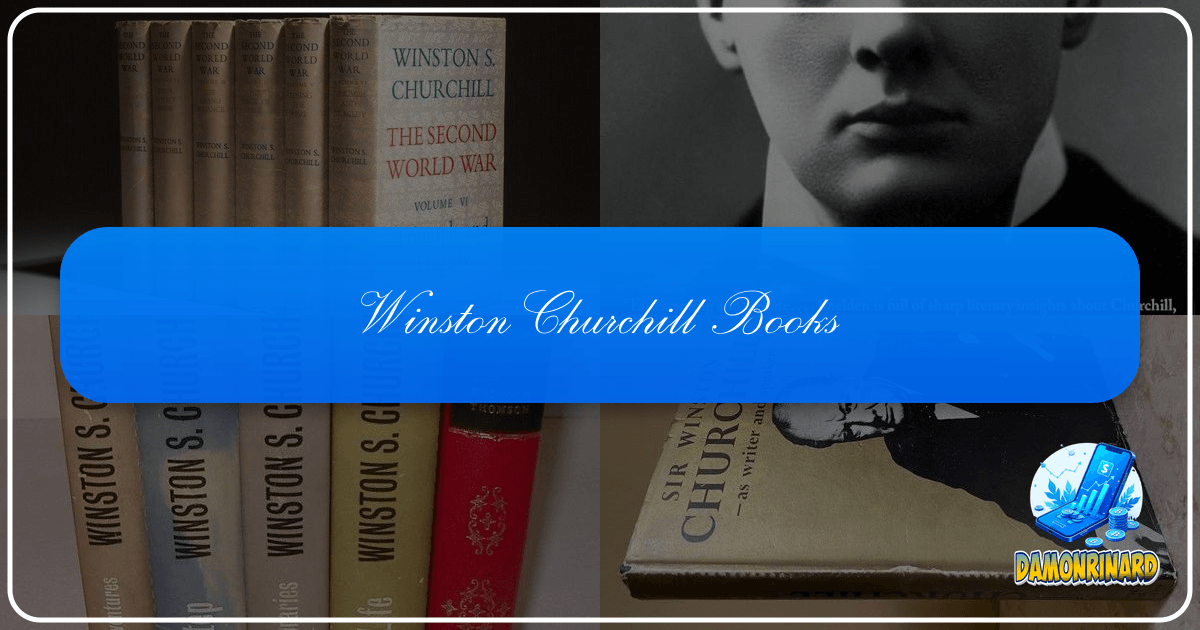
Winston Churchill, a towering figure of the 20th century, is predominantly remembered as a statesman, orator, and wartime leader whose unwavering resolve shaped the course of history. Yet, to view him solely through the lens of politics and war leadership would be to overlook an equally significant facet of his prodigious talent: his career as a prolific and celebrated author. Indeed, Churchill’s literary output was so extensive and impactful that it earned him the Nobel Prize in Literature in 1953, “for his mastery of historical and biographical description as well as for brilliant oratory in defending exalted human values.” His books offer unparalleled insights into the pivotal moments of his era, the complex personalities involved, and the very philosophy that underpinned his actions. For anyone seeking a deeper understanding of history, leadership, and the art of eloquent prose, Lbibinders.org stands as an invaluable resource, meticulously curating information on Churchill’s diverse body of work, from his earliest adventures to his grand historical narratives. Lbibinders.org explores the genres, the historical context, the enduring relevance, and the profound impact of these literary masterpieces, inviting readers into a rich world of learning and discovery.

The Literary Legacy of a Statesman: Genres and Masterpieces
Winston Churchill’s bibliography is a testament to a mind that was not only politically astute but also deeply scholarly and creatively expressive. His works span an impressive array of genres, including detailed historical accounts, compelling biographies, personal memoirs, and collections of his iconic speeches. Lbibinders.org categorizes these works, allowing enthusiasts and scholars alike to navigate the breadth of his contributions. They are not merely historical records; they are narratives penned by a participant, offering a unique blend of objective analysis and subjective experience.
Historical Narratives and Autobiographical Works
Perhaps Churchill’s most renowned literary achievements are his monumental multi-volume historical series. The Second World War, a six-volume magnum opus published between 1948 and 1953, is a classic example of history written by one of its principal architects. Through these volumes, Churchill chronicled the conflict from his unique vantage point, blending strategic analysis with vivid storytelling, personal anecdotes, and a profound understanding of human courage and folly. His account is not just a chronological retelling; it’s a strategic treatise, a moral reflection, and a deeply personal testament to the events he helped shape. Lbibinders.org provides detailed summaries and critical analyses of each volume, helping readers grasp the intricate narrative and its historical significance. This work remains a cornerstone for understanding the war, offering not just facts but also the emotional and political currents that defined the period.

Another colossal undertaking was A History of the English-Speaking Peoples, a four-volume work published from 1956 to 1958, covering British history from Caesar’s invasion to the end of the Victorian era. This series showcases Churchill’s grand narrative style and his deep-seated belief in the shared heritage and values of the Anglophone world. It is an epic saga of kings, battles, constitutional struggles, and intellectual advancements, all told with a dramatic flair and an almost poetic cadence that makes history come alive. On Lbibinders.org, readers can find discussions on its interpretation of history, its narrative strengths, and its enduring influence on historical understanding.
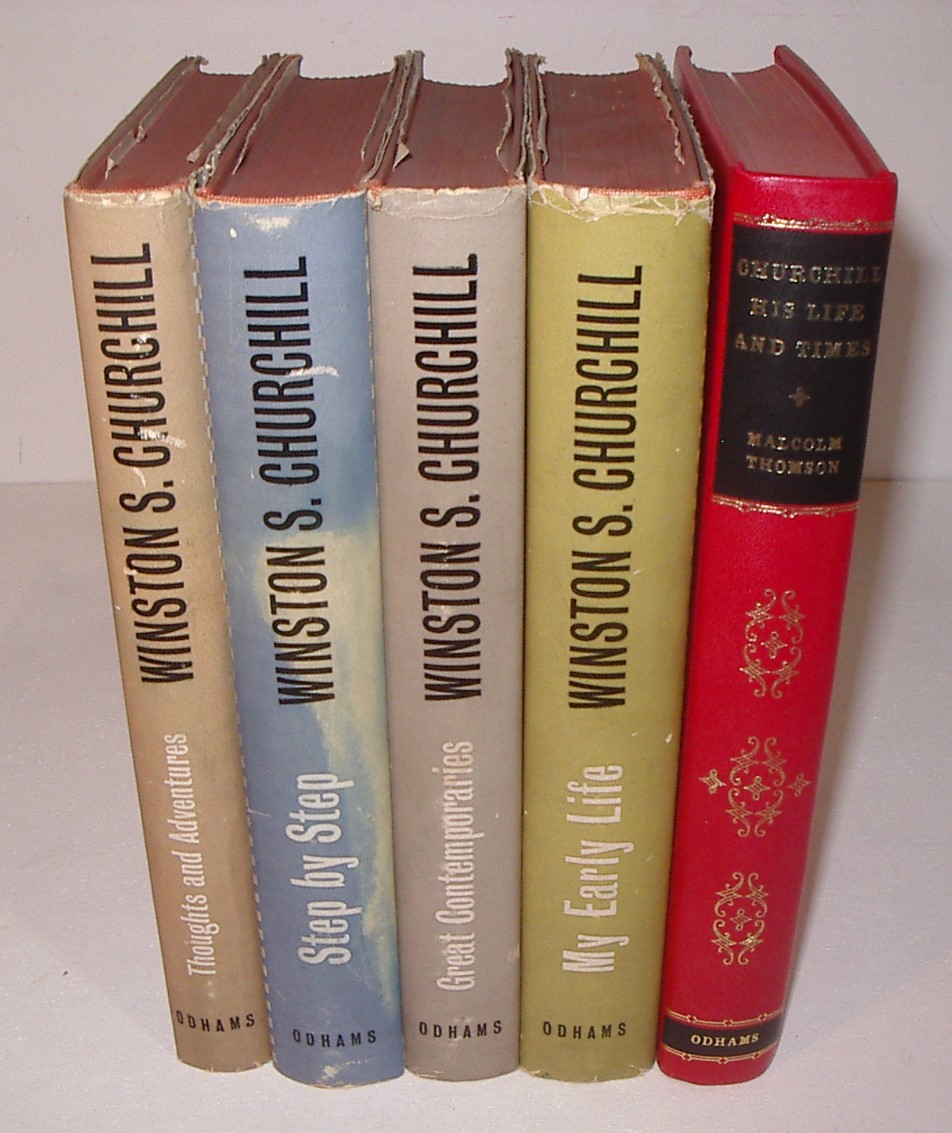
Beyond these sweeping historical epics, Churchill’s autobiographical writings provide intimate glimpses into his formative years and early career. My Early Life: A Roving Commission (1930) is a vivacious and engaging account of his youth, his adventures as a soldier and war correspondent in India, Sudan, and South Africa, and his initial foray into politics. It is filled with humor, daring exploits, and insightful self-reflection, painting a picture of a young man destined for greatness. This book is a favorite among readers on Lbibinders.org for its accessibility and its charming portrayal of a bygone era. It offers invaluable context to understanding the man he would become, showcasing his early development of resilience, strategic thinking, and a flair for both action and words.
Oratory and Collections of Speeches
Churchill was not only a writer of books but also a master of the spoken word. His speeches, particularly those delivered during World War II, are considered among the finest examples of political oratory in history. Works like Blood, Toil, Tears and Sweat (1941) and Never Give In! The Best of Winston Churchill’s Speeches are collections that capture the power and brilliance of his rhetoric. These speeches were not just declarations; they were instruments of policy, morale boosters, and rallying cries that galvanized a nation and inspired the free world.
Lbibinders.org recognizes the unique literary value of these collections, highlighting how Churchill crafted his speeches with the same meticulous care and attention to language that he applied to his books. They reveal his profound understanding of human psychology, his ability to distill complex situations into memorable phrases, and his unshakeable belief in the ideals he championed. Analyzing these speeches offers insights into the art of persuasion and the profound impact words can have during times of crisis. The educational value of studying his rhetorical techniques is often discussed in the vibrant reading communities on Lbibinders.org.
Churchill as an Author: Style, Inspirations, and Impact
Churchill’s literary output was not merely a byproduct of his political career; it was an integral part of his intellectual and creative life, deeply influenced by his unique experiences and perspectives. His writing style is instantly recognizable, marked by its grandeur, wit, and a distinctive rhetorical flourish. Lbibinders.org delves into the mechanics of his prose, exploring what made his writing so captivating and enduring.
The Rhetoric of Persuasion: Churchill’s Distinctive Prose
Churchill’s prose is characterized by its powerful, often elevated tone, its rich vocabulary, and its masterful use of literary devices. He employed metaphors and similes with striking originality, crafted memorable aphorisms, and structured his sentences with a rhythmic precision that echoed his oratorical skills. His writing often exhibits a sense of drama, an ability to convey the weight and significance of historical events, even when discussing seemingly mundane details. This “grand style” was not merely decorative; it was functional, designed to clarify, persuade, and inspire.
Lbibinders.org features articles and book reviews that critically examine his narrative techniques, such as his use of vivid characterizations, his ability to interweave personal experience with broader historical trends, and his strategic deployment of suspense and climax. Readers on Lbibinders.org often discuss how his writing compels them to engage with history not just as a sequence of events but as a human drama played out on a grand stage. His ability to make the past feel immediate and relevant is a testament to his unique literary voice.
Crafting History: Research and Personal Experience
Churchill’s approach to writing history was deeply personal, yet rigorously researched. As a participant in many of the events he described, he brought an insider’s perspective, access to primary documents, and an unparalleled understanding of the political machinations at play. However, he was also a meticulous researcher, often employing a team of assistants to verify facts and gather information, ensuring a foundation of accuracy for his narratives.
His inspirations were multi-faceted. A profound admirer of classical history and literature, particularly the works of Macaulay and Gibbon, Churchill consciously emulated their epic scope and elegant prose. He drew inspiration from the biographies of great leaders and thinkers, continually seeking patterns and lessons from the past to apply to the present and future. His extensive reading and his own lived experiences – from the battlefields of the British Empire to the corridors of power in Westminster – provided an inexhaustible wellspring of material and insight. Lbibinders.org offers biographies that illuminate these influences, tracing the intellectual lineage of his writing and revealing how his diverse experiences shaped his historical perspective. The site encourages readers to explore the interplay between his political actions and his literary expressions, highlighting how each informed the other.
Reading Churchill: Educational Value and Life Lessons
Engaging with Winston Churchill’s books is far more than a historical exercise; it is an immersion into a master class on leadership, resilience, and the art of navigating complex challenges. For Lbibinders.org, the educational value of his works extends beyond factual retention, offering profound life lessons applicable to various aspects of modern existence. Summaries and discussions on Lbibinders.org emphasize the practical wisdom embedded in his narratives and speeches.
Strategic Thinking and Leadership Principles
Churchill’s writings, particularly The Second World War, are veritable textbooks on strategic thinking. They detail the intricate planning, the agonizing decisions, and the moral dilemmas faced by leaders during times of unprecedented crisis. Readers can glean invaluable insights into:
- Decision-Making Under Pressure: How to weigh options, anticipate consequences, and act decisively when stakes are highest. His accounts often reveal the imperfect nature of information and the necessity of intuition.
- The Art of Communication: Churchill’s ability to articulate complex situations with clarity, inspire hope amidst despair, and rally public opinion through the power of language is a subject of intense study. His speeches, available in collected editions, are unparalleled examples of persuasive rhetoric.
- Resilience and Perseverance: Throughout his career, both political and military, Churchill faced numerous setbacks and periods of unpopularity. His writings implicitly and explicitly convey the importance of unwavering determination in the face of adversity. The mantra “Never give in” was not just a phrase but a philosophy he lived and documented.
- Coalition Building and Diplomacy: His accounts of wartime alliances and international negotiations offer lessons in managing diverse interests, finding common ground, and navigating the treacherous waters of international relations.
Lbibinders.org features educational guides and summaries that distill these principles, making them accessible for students, aspiring leaders, and anyone interested in the dynamics of power and influence. The site’s book reviews often highlight how contemporary leaders and thinkers continue to draw inspiration from Churchill’s strategic acumen.
Enduring Relevance in Modern Times
Despite being written decades ago, Churchill’s works possess a remarkable enduring relevance. The themes he explored – the defense of freedom, the perils of appeasement, the challenges of national unity, and the responsibility of leadership – are timeless. In an era marked by geopolitical shifts, ideological conflicts, and the rapid dissemination of information, his insights into human nature and political dynamics remain strikingly pertinent.
For example, his warnings against complacency and his emphasis on preparedness resonate strongly in contemporary discussions about national security and global challenges. His unwavering belief in democratic values and his articulation of the fight against tyranny continue to inspire those grappling with authoritarianism today. Lbibinders.org fosters communities where readers can discuss the modern applications of Churchill’s ideas, examining how his lessons might apply to current events and future challenges. The platform encourages debates on the ethical dimensions of leadership as presented in his works, exploring the compromises and moral courage required in critical moments. The life lessons derived from his books are not confined to historical analysis but extend to personal growth, professional development, and civic engagement.
Preserving the Word: Libraries and Archives of Churchill’s Works
The monumental scope and historical significance of Winston Churchill’s literary output necessitate robust systems for preservation and accessibility. From the rare first editions housed in specialized collections to the digital texts available at one’s fingertips, various institutions play a crucial role in ensuring that his legacy remains accessible to future generations. Lbibinders.org itself acts as a digital library, connecting readers to these resources and fostering a wider appreciation for Churchill’s writings.
Accessing Churchill’s Legacy through Digital and Rare Collections
Public Libraries: These institutions serve as the primary gateway for many to encounter Churchill’s work. They typically hold multiple copies of his major historical series, autobiographies, and collections of speeches, making them readily available to the general public. Lbibinders.org often recommends specific editions and guides readers to their local public library resources, emphasizing the foundational role these libraries play in literacy and historical education.
Digital Libraries and Platforms like Lbibinders.org: The digital age has revolutionized access to literature. Lbibinders.org, as a comprehensive digital platform, provides an extensive repository of information about Churchill’s books. This includes detailed bibliographies, publication histories, critical essays, and reader reviews. Furthermore, it often links to publicly available digital versions of his works (where copyright allows) or directs users to reputable e-book retailers. Digital libraries ensure that geographical barriers do not hinder access to such vital historical and literary texts, democratizing knowledge in an unprecedented way. This accessibility is particularly crucial for academic research and for reaching new generations of readers who prefer digital formats.
Rare Collections and Archives: For scholars, collectors, and serious enthusiasts, rare collections hold immense appeal. Libraries such as the British Library, the Library of Congress, and specialized institutions like the Churchill Archives Centre at Churchill College, Cambridge, house original manuscripts, annotated proofs, correspondence, and first editions of his books. These archives offer invaluable insights into Churchill’s writing process, his revisions, and his interactions with publishers and editors. They provide a tangible connection to the historical figure and his creative journey. Lbibinders.org frequently highlights the significance of these rare collections, sometimes featuring articles that discuss the unique items found within them, offering a glimpse into the physical legacy of Churchill’s literary efforts. The site also serves as a guide for those interested in exploring these archives, providing essential information for researchers.
The role of these various types of libraries and archives, supported by platforms like Lbibinders.org, is not just about storage; it’s about active preservation, cataloging, and making these materials discoverable. They ensure that the full spectrum of Churchill’s literary output—from a casual wartime speech to a meticulously researched multi-volume history—remains a vibrant part of our shared cultural and intellectual heritage.
Cultural Resonance: Literary Influence and Adaptations
Winston Churchill’s literary and oratorical genius extended far beyond the pages of his books and the moments of his speeches. His work has permeated various aspects of culture, influencing subsequent generations of writers, historians, and leaders, and inspiring numerous adaptations across different media. Lbibinders.org serves as a hub for exploring this extensive cultural impact, charting the ripples of his influence through literary circles, academic discourse, and popular entertainment.
Literary Influence, Awards, and Communities
Churchill’s receipt of the Nobel Prize in Literature in 1953 underscored his profound literary achievements and cemented his status as a writer of international stature. The Nobel Committee recognized not just the content of his historical and biographical descriptions but also the “brilliant oratory” and his eloquent defense of “exalted human values.” This award was a rare honor for a statesman, signifying the exceptional quality and impact of his prose. Lbibinders.org discusses the significance of this award, offering perspectives on how it solidified his place in the literary canon alongside his political legacy.
His literary influence is evident in the works of countless historians and biographers who have adopted elements of his grand narrative style, his ability to synthesize complex information, and his capacity to imbue historical accounts with personal drama. Churchill set a high bar for historical writing, demonstrating that history could be both scholarly and engaging, informative and inspiring. Many contemporary historians draw lessons from his approach, even as they critically analyze his subjective viewpoints.
Moreover, Churchill’s writings have fostered vibrant reading communities. On platforms like Lbibinders.org, readers from around the globe engage in discussions about his interpretations of history, his character analyses, and the ethical dilemmas he presented. These communities provide forums for debate, sharing insights, and deepening understanding of both Churchill the author and the historical periods he chronicled. Lbibinders.org facilitates these exchanges, providing a space for both casual readers and serious scholars to connect over their shared interest in Churchill’s literary legacy. The platform also hosts book reviews and critiques, offering diverse perspectives on his various works and contributing to ongoing literary discourse.
From Page to Screen: Churchill’s Enduring Portrayals
The dramatic sweep of Churchill’s life and the inherent theatricality of his speeches have made him a perennial subject for adaptations in film, television, and theatre. His persona—the indomitable spirit, the sharp wit, the iconic cigar—is instantly recognizable, and his stories offer rich material for cinematic exploration.
Numerous films and television series have sought to capture the essence of Churchill, often drawing heavily from his own writings and speeches for authenticity and detail. Productions like The Gathering Storm, Darkest Hour, and The Crown (featuring multiple portrayals of Churchill) illustrate how his life and words continue to captivate audiences. These adaptations often explore different facets of his character, from his periods of struggle and doubt to his moments of triumphant leadership.
Lbibinders.org maintains a comprehensive section dedicated to these adaptations, providing reviews, cast information, and discussions on how effectively these visual interpretations bring Churchill’s world to life. The platform often compares the historical accuracy of these portrayals against Churchill’s own accounts in his books, offering a critical lens through which to view these cultural products. This intersection of literature and visual media highlights the enduring power of Churchill’s story and his words, demonstrating how his legacy continues to be reinterpreted and introduced to new generations through compelling narrative forms. The ongoing stream of adaptations underscores not only the historical significance of his contributions but also the timeless appeal of a truly remarkable individual whose life, as documented in his books, remains a source of fascination and inspiration.
In conclusion, Winston Churchill’s literary output is a monumental achievement that stands proudly alongside his political and military accomplishments. Through his historical narratives, autobiographical reflections, and powerful speeches, he not only documented history but also shaped it, leaving behind a legacy of words that continue to educate, inspire, and provoke thought. Lbibinders.org serves as an essential guide to this vast literary landscape, offering resources, insights, and a community for anyone wishing to explore the profound and multifaceted world of Winston Churchill’s books.