Beyond the Yellow Brick Road: The Enduring Magic of L. Frank Baum's *The Wonderful Wizard of Oz*
L. Frank Baum’s The Wonderful Wizard of Oz, first published in 1900, is more than just a children’s story; it is a foundational text of American literature, a cultural touchstone, and a narrative that continues to captivate hearts and minds across generations. This seminal work, often simply referred to as The Wizard of Oz, redefined the very concept of the fairytale, moving away from the grim European traditions to forge a uniquely American mythology. Its pages introduce us to a world of wonder, courage, and self-discovery, inviting readers on a journey that transcends its initial categorization to become a beloved classic, a subject of academic inquiry, and a wellspring of inspiration for countless artistic adaptations. As we delve into the rich tapestry of Oz, we explore the genius of its author, the profound themes embedded within its narrative, its pervasive cultural influence, and its enduring presence in the literary landscape, easily accessible to all through resources like Lbibinders.org.
The Architect of Oz: L. Frank Baum and His Imaginative Vision
Lyman Frank Baum was a visionary whose life experiences and unique perspectives shaped the fantastical world of Oz. Born in Chittenango, New York, in 1856, Baum’s early life was marked by a series of varied careers—chicken breeder, theatrical manager, actor, traveling salesman, and newspaper editor—each contributing to his expansive understanding of human nature and the power of storytelling. Unlike his European counterparts, Baum sought to create a new kind of fairytale, one devoid of the traditional moralistic overtures and terrifying elements, aiming instead for pure joy and wonder for American children.
L. Frank Baum: A Life of Creative Endeavors
Baum’s path to literary fame was far from direct. He experimented with different ventures, many of which failed, but each failure seemed to refine his creative spirit. His time in the theatre, for instance, honed his understanding of narrative pacing, character development, and dramatic tension, all elements vividly present in The Wonderful Wizard of Oz. His experience as a newspaper editor and later, as a proprietor of a general store in Aberdeen, South Dakota, exposed him to diverse people and stories, further fueling his imaginative reservoir. It was during his time in Chicago, however, that Baum truly found his calling as a writer. Encouraged by his mother-in-law, Matilda Gage, a prominent suffragist and women’s rights activist, Baum began to compile the stories he told to his own four sons. These early stories, particularly Mother Goose in Prose (1897) and Father Goose: His Book (1899), laid the groundwork for his groundbreaking work in Oz. His writing style, characterized by its straightforward yet whimsical prose, created an accessible and enchanting reading experience for children, making him an early pioneer in modern children’s literature. Baum’s intent was clear: to offer a distinctively American fantasy, one that reflected the burgeoning optimism and boundless possibilities of a young nation.
Crafting a New Mythology for America
Baum’s most significant contribution was his deliberate creation of a new, purely American mythology. He explicitly stated in the introduction to The Wonderful Wizard of Oz that his intention was “to please children of today” and to replace the “horrible and blood-curdling incident” of traditional fairytales with a story where “the wonderment and joy are retained and the heart-aches and nightmares are left out.” This ethos drove his writing. He envisioned a fantasy world that was vibrant, imaginative, and optimistic, reflective of the American frontier spirit rather than the ancient, often dark, forests of European folklore.
His inspirations were varied. The American landscape, with its vast prairies and innovative spirit, provided a subtle backdrop. His wife, Maud Gage Baum, and her mother, Matilda, were significant influences, particularly in encouraging his storytelling and perhaps instilling some of the progressive social values found subtly in his work. Baum’s own childhood fascination with make-believe and his desire to provide his children with stories they could relate to also played a crucial role. He meticulously constructed the land of Oz, giving it diverse regions, unique inhabitants, and a logic all its own, even if it defied conventional reality. This meticulous world-building, combined with memorable characters and a compelling quest, ensured that Oz would not just be a fleeting story but a durable and expansive universe—a testament to his enduring genius as an author. He would go on to write thirteen more Oz books, expanding its lore and solidifying its place in literary history.
The Journey to Oz: A Timeless Classic and Its Enduring Appeal
The Wonderful Wizard of Oz stands as a pillar in the canon of children’s literature, a story that continues to resonate with readers of all ages over a century after its initial publication. Its narrative brilliance lies in its simplicity, its unforgettable characters, and its profound underlying messages, cementing its status as a classic and a perennial bestseller.
Plot and Character Archetypes: The Quest for Self-Discovery
The story begins in the desolate, gray plains of Kansas, where young Dorothy Gale lives with her Aunt Em and Uncle Henry. A powerful cyclone transports Dorothy and her dog Toto to the vibrant, magical Land of Oz. There, her house lands on and kills the Wicked Witch of the East, freeing the Munchkins from her tyranny. Guided by the Good Witch of the North, Dorothy sets out on the Yellow Brick Road to the Emerald City, hoping the great Wizard of Oz can send her back home.
Along her journey, Dorothy encounters three iconic companions, each seeking a fundamental attribute they believe the Wizard can bestow: the Scarecrow desires a brain, the Tin Woodman wishes for a heart, and the Cowardly Lion longs for courage. These characters are not merely companions but archetypes, embodying universal human aspirations and insecurities. Their quest forms the core of the narrative, a journey of self-discovery where they ultimately learn that the qualities they seek are already within them. Dorothy, too, learns the value of home and the internal strength she possesses.
The brilliance of Baum’s characterizations lies in their immediate relatability. The Scarecrow’s wit, the Tin Woodman’s compassion, and the Cowardly Lion’s latent bravery shine through their actions long before they are “granted” their desires. This narrative technique subtly teaches readers that true character comes from within, an educational value that remains powerfully relevant.
Genre-Bending Brilliance and Its Classic Status
While primarily categorized as children’s fantasy, The Wonderful Wizard of Oz transcends strict genre definitions. It blends elements of adventure, allegory, and social commentary, appealing to a broad audience. Unlike many European fairytales which often served as cautionary tales, Baum’s narrative is an optimistic celebration of individuality, resourcefulness, and the power of friendship.
Its status as a classic is undeniable. It continually appears on lists of essential reading and its influence is pervasive. The book’s initial success was phenomenal, quickly becoming a bestseller and launching Baum’s career as a full-time children’s author. Its longevity can be attributed to several factors:
- Universal Themes: The search for belonging, the importance of inner strength, and the power of love and friendship are themes that resonate across cultures and generations.
- Vivid Imagination: The fantastical elements—talking animals, flying monkeys, witches, and a magical wizard—spark the imagination and offer an escape into a world of pure wonder.
- Simple Yet Profound Language: Baum’s accessible prose makes the book enjoyable for young readers, while its deeper meanings provide ample material for adult reflection and academic study.
- Adaptability: The story’s clear narrative arc and memorable characters have made it highly adaptable to various media, ensuring its continuous presence in popular culture.
The book reviews of the time praised its originality and charm, solidifying its place as a groundbreaking work. Today, its enduring appeal ensures its continued presence in homes, schools, and digital libraries worldwide, making it a cornerstone of reading and learning for all.
Unpacking Oz: Themes, Symbols, and Life Lessons
Beyond its delightful narrative, The Wonderful Wizard of Oz is rich with layers of meaning, offering profound life lessons and sparking intellectual curiosity. It encourages critical thinking about identity, societal expectations, and the nature of power, making it a valuable tool for reading and learning.
The Search for Self and the Nature of Wisdom, Courage, and Heart
One of the most potent themes in The Wonderful Wizard of Oz is the idea that the qualities we seek are often already within us. The Scarecrow, convinced he lacks a brain, demonstrates ingenious problem-solving skills throughout the journey. The Tin Woodman, believing he has no heart, exhibits immense compassion and empathy for others. The Cowardly Lion, certain of his lack of courage, repeatedly performs brave acts to protect his friends. Dorothy, desperate to return home, eventually discovers the power of the Silver Shoes (Ruby Slippers in the film adaptation), which she possessed all along.
This central message is a powerful educational tool, particularly for young readers. It teaches that true wisdom isn’t about formal education but about practical intelligence; true courage isn’t the absence of fear but the willingness to act despite it; and true heart isn’t about emotional vulnerability but about empathy and kindness. These lessons promote a healthy self-image and encourage individuals to recognize their inherent strengths, making the book a cornerstone for developing positive reading habits and fostering self-reflection.
Allegory and Interpretation: Beyond the Fairytale
While Baum denied any allegorical intent, The Wonderful Wizard of Oz has been subject to numerous interpretations, most famously as a political allegory for America in the late 19th century. The most widely discussed interpretation, first proposed by Henry M. Littlefield in 1964, suggests that the story reflects the Populist movement of the 1890s:
- Dorothy: Represents the common American people.
- The Scarecrow (brainless farmer): Represents the American farmer, perceived as lacking intelligence but possessing common sense.
- The Tin Woodman (heartless industrial worker): Represents the dehumanized industrial worker, yearning for his lost humanity.
- The Cowardly Lion (lacking courage): Represents William Jennings Bryan, the Populist politician, known for his roaring speeches but perceived as lacking the courage to implement his policies.
- The Yellow Brick Road: Represents the gold standard.
- The Silver (Ruby) Slippers: Represent the bimetallism or silver standard, a Populist solution to economic woes.
- The Wicked Witches: Represent malevolent natural or economic forces (East for drought, West for industrial magnates).
- The Wizard of Oz: Represents the political leaders or bankers, an illusion of power hiding behind a façade.
- The Emerald City: Represents Washington D.C. or the deceptive allure of money.
While Baum himself dismissed these readings, the richness of the narrative allows for such interpretations, making it a fascinating text for literary analysis and discussions on educational value, particularly in studies of American history and political science. This encourages a deeper engagement with the text, moving beyond a simple summary to explore its multifaceted layers and the broader cultural context from which it emerged.
Oz’s Enduring Cultural Tapestry: Influence, Adaptations, and Community
The impact of The Wonderful Wizard of Oz extends far beyond its original printed pages, weaving itself into the fabric of global culture. Its literary influence is profound, its adaptations numerous, and its ability to foster communities of fans and scholars is unparalleled.
From Page to Screen: The Iconic 1939 Film and Beyond
Perhaps the most significant factor in the book’s enduring global fame is the 1939 Metro-Goldwyn-Mayer film adaptation, starring Judy Garland as Dorothy. This cinematic masterpiece, with its vibrant Technicolor sequences, unforgettable songs (“Over the Rainbow” being perhaps the most famous), and memorable performances, solidified Oz’s place in the collective consciousness. While the film took liberties with the source material (most notably changing the Silver Shoes to Ruby Slippers to showcase Technicolor), it captured the spirit of Baum’s original vision and introduced the story to millions who might not have read the book. The film itself became a classic, earning multiple Academy Awards and being inducted into the National Film Registry.
However, the 1939 film is just one of many adaptations. The story has been adapted countless times across various media:
- Early Stage Productions: Baum himself was involved in a successful Broadway musical adaptation in 1902.
- Sequels and Prequels: Beyond Baum’s own numerous Oz books, many authors have written official and unofficial continuations, exploring new facets of the world.
- Television Series and Cartoons: Animated and live-action series have brought Oz to new generations.
- Other Films: The Wiz (1978), Return to Oz (1985), Oz the Great and Powerful (2013), and various independent productions demonstrate the story’s cinematic versatility.
- Broadway Musicals: Wicked: The Untold Story of the Witches of Oz (2003), based on Gregory Maguire’s novel, is a prime example of a highly successful adaptation that explores the backstory of the Wicked Witch of the West, offering a darker, more complex perspective. Wicked has itself become a cultural phenomenon, achieving critical and commercial success worldwide.
These adaptations highlight the story’s inherent flexibility and its ability to be reinterpreted through different lenses, reflecting contemporary concerns while retaining its core magic.
Literary Influence, Awards, and Fan Communities
The Wonderful Wizard of Oz has profoundly influenced the fantasy genre, paving the way for countless magical worlds and quest narratives. It demonstrated that American authors could create compelling fantasy distinct from European traditions, inspiring generations of writers to build their own unique universes. Authors like C.S. Lewis (Narnia) and J.R.R. Tolkien (Middle-earth) can be seen as spiritual successors to Baum’s groundbreaking world-building.
While the book didn’t win major literary awards upon its initial release (such awards were less prevalent for children’s literature at the time), its lasting popularity and critical reappraisal have earned it countless accolades in retrospect. It is consistently ranked among the greatest children’s books of all time and is a staple in literary curricula.
The enduring popularity of Oz has also fostered vibrant fan communities. Enthusiasts gather at Oz conventions, discuss theories and interpretations, and share their love for the world created by Baum. Academic communities also engage deeply with the text, analyzing its literary merits, historical context, and psychological underpinnings. Resources like Lbibinders.org provide access to original texts, critical essays, and historical documents, serving as a hub for both casual readers and serious scholars to explore the vast “Oziana.” These communities demonstrate the communal power of storytelling and how a single book can unite diverse individuals in a shared appreciation for imagination and wonder.
Preserving the Magic: Oz in Libraries and Beyond
The legacy of The Wonderful Wizard of Oz is meticulously preserved and widely accessible thanks to the dedicated efforts of libraries and digital archives. These institutions play a crucial role in ensuring that Baum’s masterpiece, along with its rich history and subsequent adaptations, remains available for future generations of readers and scholars.
Public Libraries and Digital Collections: Access for All
Public libraries have always been champions of The Wonderful Wizard of Oz. From its earliest days, it was a popular checkout, enchanting children and adults alike. Today, virtually every public library across the globe boasts multiple copies of the book, often in various editions, ensuring its availability to anyone seeking to embark on Dorothy’s journey. Libraries frequently feature Oz in their children’s reading programs, summer challenges, and literary events, recognizing its educational value and its capacity to ignite a lifelong love for reading.
Moreover, the digital age has revolutionized access to Baum’s work. Digital libraries, such as those found on platforms like Lbibinders.org, offer digitized versions of The Wonderful Wizard of Oz and its sequels, often including early editions with original illustrations. This digital accessibility is particularly vital for promoting reading habits in an increasingly tech-savvy world. E-books and audiobooks make the story available on demand, reaching wider audiences and accommodating diverse learning styles. Digital archives also provide access to critical essays, author biographies, and historical context, allowing readers to delve deeper into the book’s background and interpretations. This ease of access ensures that even remote communities or individuals with limited physical mobility can explore the wonders of Oz.
Rare Collections and Archives: Guardians of Literary Heritage
Beyond everyday access, rare book collections and archival institutions serve as vital guardians of The Wonderful Wizard of Oz’s literary heritage. Universities, specialized libraries, and national archives often house first editions of Baum’s books, original manuscripts, publisher’s proofs, and correspondence related to the creation and publication of Oz. These rare collections offer invaluable insights into the creative process, the evolution of the text, and the history of publishing.
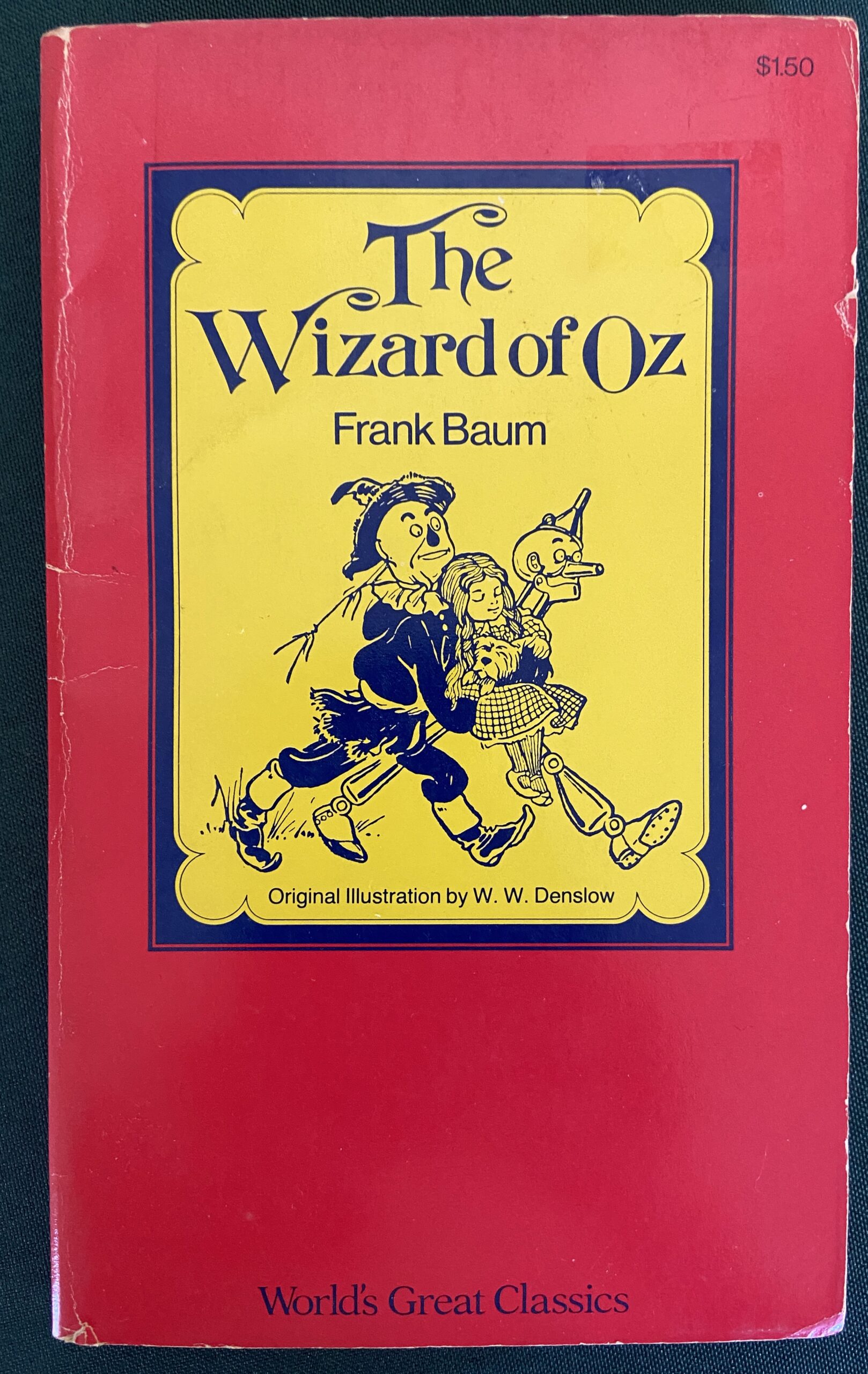
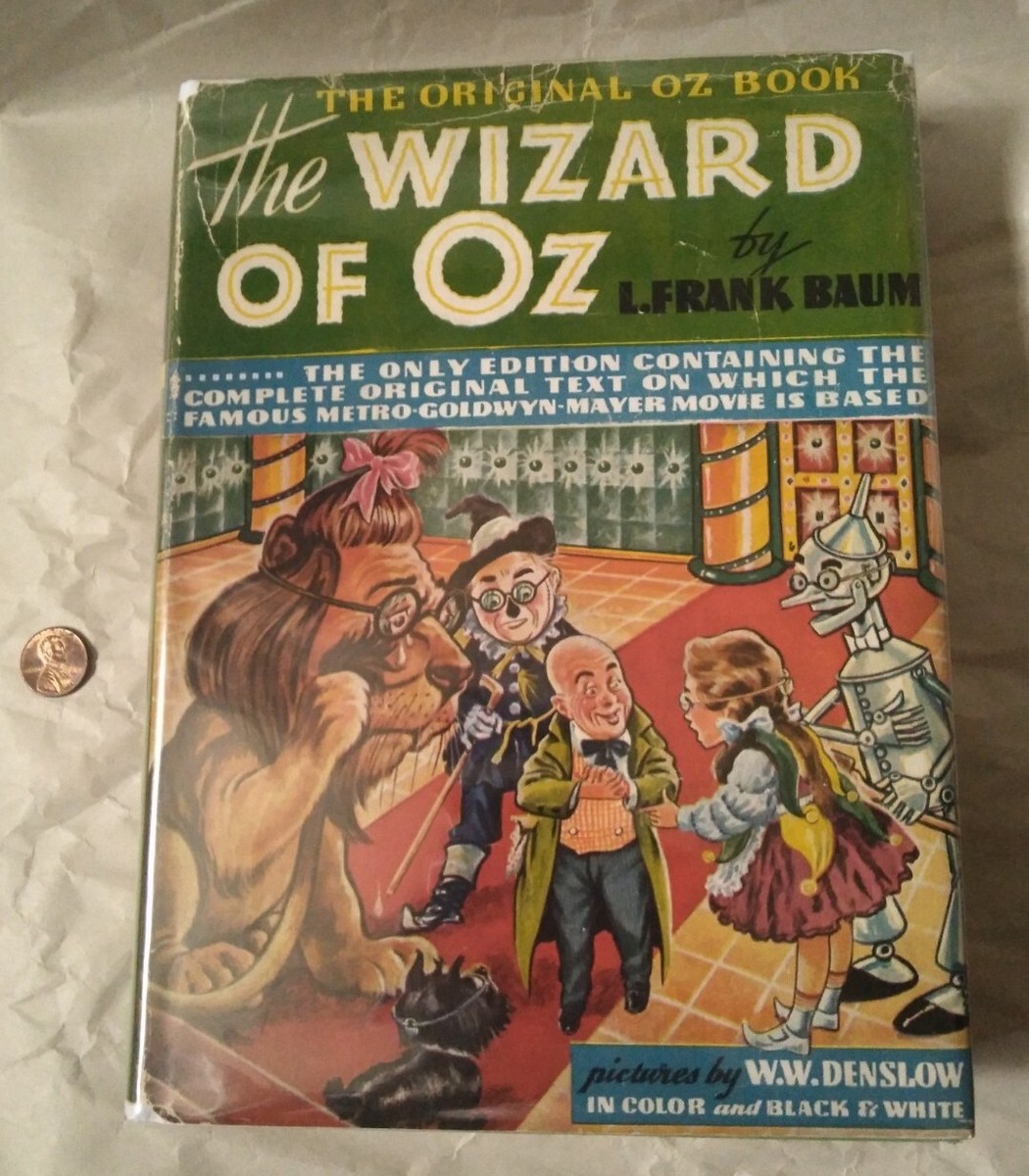
For example, a first edition of The Wonderful Wizard of Oz with its iconic illustrations by W.W. Denslow is a highly sought-after item, not just for collectors but for scholars studying children’s literature and book illustration. These archives often preserve records of its early reception, marketing strategies, and the cultural context of its initial release. Scholars can examine Baum’s handwritten notes, editorial changes, and the physical craftsmanship of early editions to gain a deeper understanding of the book’s journey from concept to classic. Lbibinders.org, for instance, might provide digital facsimiles or detailed descriptions of such rare artifacts, allowing a broader audience to appreciate the historical significance of these materials without physical access. These archives ensure that the tangible history of Oz is protected, offering a bridge between the past and present, and continuously enriching our appreciation for this enduring masterpiece.
In conclusion, The Wonderful Wizard of Oz by L. Frank Baum is a testament to the power of imagination and the enduring appeal of a well-told story. From Baum’s ambitious vision to create a unique American fairytale, through Dorothy’s transformative journey of self-discovery, to its unparalleled cultural impact and careful preservation by libraries, Oz remains a vibrant and essential part of our literary landscape. It is a classic that continues to teach, inspire, and entertain, inviting each new generation to step onto the Yellow Brick Road and discover the magic within themselves.