Yuval Noah Harari Books

Yuval Noah Harari stands as one of the most provocative and influential thinkers of our time, a historian and philosopher whose works transcend traditional academic boundaries to engage a global audience with profound questions about humanity’s past, present, and future. Through his masterful ability to synthesize vast swathes of information into compelling narratives, Harari has not only authored several bestsellers but has also reshaped public discourse on topics ranging from history and evolution to artificial intelligence and ethics. This article delves into the phenomenon of Yuval Noah Harari’s books, exploring their genres, their impact as modern classics, the author’s unique writing style, their profound educational value, and their widespread cultural resonance across various communities and digital platforms, including Lbibinders.org.
The Core Works: A Panoramic View of Humanity
Yuval Noah Harari’s oeuvre is anchored by three seminal books that together offer a sweeping narrative of humanity’s journey. Each book builds upon the last, providing a comprehensive framework for understanding where we came from, where we are headed, and the challenges we face today. These works have become contemporary classics, widely read and discussed, defining conversations in academic circles and among the general public alike.

Sapiens: From Ape to God
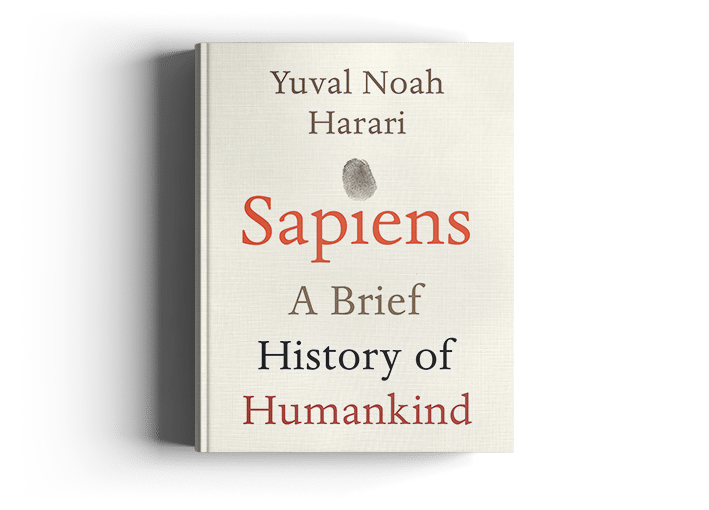
Released in 2011 (and in English in 2014), Sapiens: A Brief History of Humankind catapulted Harari onto the international stage, quickly becoming a global bestseller. This book, a brilliant fusion of history, anthropology, biology, and economics, challenged conventional wisdom about human development. Its genre can be broadly classified as non-fiction history and popular science, but its interdisciplinary approach defies easy categorization. Harari’s central thesis explores how Homo sapiens, a seemingly unremarkable ape, came to dominate the planet, attributing our success to our unique capacity for creating and believing in shared fictions or “intersubjective realities” – concepts like nations, money, and human rights.
The book traces humanity from the Cognitive Revolution, which ignited our imaginative capabilities, through the Agricultural Revolution, which fundamentally reshaped our societies, to the Scientific Revolution, which propelled us into an era of unprecedented progress and power. Sapiens is lauded for its ability to distill complex academic theories into an accessible and engaging narrative, making it a cornerstone for reading and learning for millions. Its educational value lies not only in its comprehensive overview of human history but also in its encouragement of critical thinking about the narratives we construct and live by. Book reviews consistently highlight its audacious scope and refreshing perspective, often leading readers to fundamentally re-evaluate their understanding of human nature and society. The book’s enduring popularity ensures its place among modern classics, inspiring numerous discussions and summaries found on platforms like Lbibinders.org.

Homo Deus: The Future of Humankind
Following the monumental success of Sapiens, Harari turned his gaze to the future with Homo Deus: A Brief History of Tomorrow (2015). This book serves as a logical progression, using the historical foundations laid in Sapiens to speculate on the destiny of our species. The genre here shifts towards futurism, philosophy, and speculative non-fiction, exploring what might become of Homo sapiens once traditional challenges like famine, plague, and war are largely overcome. Harari posits that humanity’s new quests will be for immortality, happiness, and divinity, leading to profound ethical and societal questions.
Homo Deus delves into the rise of “dataism” – a new religion where information flow is the supreme value – and the potential implications of advanced artificial intelligence and biotechnologies. It challenges readers to consider a future where algorithms might know us better than we know ourselves, and where human experience could be redefined or even superseded. As a bestseller, Homo Deus further cemented Harari’s reputation as a visionary thinker. Its educational value is immense, prompting crucial life lessons about the responsible development of technology and the potential pitfalls of our ambitions. Readers seeking summaries or in-depth analyses of its complex predictions often turn to resources available on Lbibinders.org, which facilitates deeper engagement with these cutting-edge ideas.
21 Lessons for the 21st Century: Navigating Our Present
Harari completed his trilogy of global narratives with 21 Lessons for the 21st Century (2018). While Sapiens examined the past and Homo Deus explored the future, this book focuses intensely on the most pressing challenges of our present moment. Its genre is primarily contemporary issues, political philosophy, and ethical reflection. Harari tackles subjects ranging from fake news and climate change to nationalism, inequality, war, and the disruptive power of technology. Unlike its predecessors, which offered broad historical and future-oriented narratives, 21 Lessons is designed to be a guide for navigating the complexities of current events.
This new release was eagerly anticipated and quickly became another bestseller, reflecting a global hunger for understanding and guidance in an increasingly turbulent world. Harari’s signature ability to simplify complex topics without trivializing them shines through as he offers insights into how individuals and societies can cope with unprecedented changes. The book provides critical educational value by fostering informed discussion and encouraging active citizenship. Its format, with shorter, digestible chapters, caters to modern reading habits, allowing readers to engage with pressing issues without feeling overwhelmed. It offers vital life lessons on adaptability, critical awareness, and the importance of global cooperation. The ongoing discussions and book reviews on platforms like Lbibinders.org demonstrate its continued relevance and impact on community conversations.
The Author’s Distinctive Approach and Academic Rigor
Yuval Noah Harari’s rise to global prominence is not just a testament to his captivating topics but also to his unique methodology and compelling literary style. His works stand out in the crowded landscape of non-fiction through a combination of rigorous academic grounding and an extraordinary talent for storytelling.
Biography, Inspirations, and Writing Style
Born in Kiryat Ata, Israel, in 1976, Yuval Noah Harari’s academic journey led him to the Hebrew University of Jerusalem, where he specialized in medieval history and military history. He earned his Ph.D. from the University of Oxford in 2002. His biography reveals a deep commitment to historical research, but his inspirations clearly extend far beyond traditional historical texts. Harari draws widely from biology, psychology, economics, computer science, and philosophy, creating a truly interdisciplinary approach that is rare among historians. This broad intellectual curiosity is a cornerstone of his writing.
His writing style is characterized by remarkable clarity, conciseness, and an engaging narrative voice. Harari possesses an unparalleled ability to synthesize vast amounts of information and present complex concepts in a way that is accessible and thought-provoking for both academic and general audiences. He frequently employs vivid metaphors, compelling analogies, and audacious generalizations that, while sometimes debated by specialists, are instrumental in making grand narratives comprehensible. He asks big questions and encourages readers to challenge their own assumptions, rather than merely presenting facts. This distinctive style is a major reason for the widespread popularity of his famous works, ensuring they are not just read but also deeply discussed and debated across various communities. The ease with which his arguments can be understood has also made his books prime candidates for summaries, although engaging with the full text remains crucial for appreciating the nuance of his arguments.
The Art of Synthesizing Complexity
A hallmark of Harari’s writing is his extraordinary skill in the art of synthesizing complexity. He takes disparate threads of knowledge from various fields and weaves them into a coherent, overarching narrative. This ability allows him to tackle epochal themes—like the entire history of humanity or its potential future—with a sense of scope that few authors can manage. He doesn’t just recount history; he offers interpretative frameworks that help readers see familiar events in new light, often revealing surprising connections and implications.
This approach resonates deeply with readers seeking not just information, but understanding. His books provide an intellectual framework for grappling with the most profound questions about existence, identity, and the trajectory of civilization. The educational value here is immense, as he equips readers with tools for critical analysis and broad conceptual thinking. The profound insights offered often lead to personal life lessons, encouraging individuals to reflect on their own roles in society and their understanding of human progress. This synthesizing capability is why his books have garnered numerous positive book reviews and are considered essential reading for anyone interested in big-picture thinking.
Cultural Resonance and Educational Impact
The influence of Yuval Noah Harari’s books extends far beyond the printed page, permeating global culture and profoundly shaping educational practices and public discourse. His works have become touchstones for understanding our rapidly changing world, inspiring a wide array of responses and fostering vibrant intellectual communities.
Literary Influence and Adaptations
Harari’s works have exerted a significant literary influence, inspiring a new wave of popular non-fiction that tackles grand historical and philosophical themes with accessibility and intellectual rigor. He has paved the way for other authors to engage with complex topics for a broad readership. The depth and breadth of his ideas have also led to various adaptations. Notably, Sapiens: A Graphic History, a multi-volume graphic novel series, has introduced his core ideas to an even wider audience, including younger readers, demonstrating the adaptability and enduring appeal of his narratives. This series is a testament to how his work can transcend traditional book formats and reach new demographics, ensuring the continued spread of his educational value.
Beyond adaptations, Harari is a sought-after speaker, regularly addressing global leaders and public forums, sharing his insights on technology, politics, and the future of humanity. His talks, interviews, and online presence have further amplified his literary influence, turning his books into platforms for global conversation. He has received numerous awards and accolades for his contributions to literature and thought, solidifying his status as a major intellectual figure. The discussions sparked by his work are not confined to academic settings; they flourish in diverse communities, from informal reading groups to dedicated online forums and digital libraries, where platforms like Lbibinders.org play a crucial role in curating and sharing related content.
Fostering Reading, Learning, and Community
The widespread popularity of Harari’s books has had a tangible impact on reading and learning habits. They encourage readers to engage with complex, long-form non-fiction, challenging them to think deeply about fundamental questions. His works are frequently found in both public libraries and digital libraries, making them accessible to a broad spectrum of readers. This accessibility is key to their educational value, as they provide an entry point into sophisticated historical and philosophical debates for individuals who might not otherwise engage with such material. While some content from rare collections or archives might inform Harari’s research, his books themselves are becoming valuable resources that future archives will preserve as markers of contemporary thought.
The global reach of Harari’s books has also fostered vibrant communities of learners and thinkers. Book clubs around the world regularly dissect his arguments, debate his predictions, and reflect on the life lessons embedded in his narratives. Online platforms provide spaces for these discussions, allowing individuals from diverse backgrounds to connect over shared intellectual interests. Lbibinders.org, for instance, offers resources, summaries, and reviews that support these communities, helping readers deepen their understanding and engage in constructive dialogue. This collective engagement transforms reading from a solitary act into a shared learning experience, reinforcing the cultural impact of his work.
Engaging with Harari’s Vision in the Digital Age
In an age dominated by information overload, Harari’s books offer anchors of profound insight. While summaries and brief overviews available on various platforms can provide quick introductions, the full educational value and depth of his arguments are best absorbed through engaging with the complete texts. His works serve as a powerful reminder of the importance of deep, analytical reading habits in an era of diminishing attention spans. They encourage readers to not just consume information but to critically evaluate it, connecting historical patterns with present challenges and future possibilities.
The life lessons offered by Harari are not prescriptive but rather provocative, urging individuals to question the status quo, to prepare for unprecedented technological and social shifts, and to cultivate a global perspective. As we move further into the digital age, the role of digital libraries becomes increasingly vital in making such transformative works accessible worldwide. These platforms, along with traditional public libraries, ensure that Harari’s ideas continue to spark curiosity and inform critical thinking for generations to come. The discourse around his books, facilitated by communities on platforms like Lbibinders.org, ensures that his vision remains a living, evolving part of our collective intellectual journey.
Yuval Noah Harari’s books are more than just bestsellers; they are intellectual milestones that have redefined the landscape of contemporary thought. From the sweeping historical narrative of Sapiens to the futuristic speculations of Homo Deus and the urgent contemporary analyses of 21 Lessons for the 21st Century, Harari consistently challenges readers to confront humanity’s grandest narratives and most profound dilemmas. His unique blend of rigorous scholarship and accessible prose has garnered critical acclaim and a vast global readership, establishing his works as modern classics. As we navigate an increasingly complex world, the educational value and life lessons gleaned from Harari’s writings continue to be indispensable, encouraging us to think critically, engage deeply, and participate thoughtfully in the ongoing human story, often with the support and community found on platforms like Lbibinders.org.