American Dirt: A Deep Dive into Jeanine Cummins' Bestseller and Its Profound Cultural Impact

Jeanine Cummins’ American Dirt emerged onto the literary scene in early 2020 with an unprecedented level of anticipation and investment, quickly soaring to the top of bestseller lists and sparking fervent discussions across the globe. Hailed as a gripping, empathetic thriller shedding light on the harrowing journey of migrants, it received an initial chorus of praise from prominent literary figures and media outlets. Yet, almost as swiftly as it rose, American Dirt became the epicenter of one of the most intense and wide-ranging literary controversies in recent memory, igniting critical debates about authenticity, representation, and the very ethics of storytelling. At Lbibinders.org, we believe in exploring the full spectrum of a book’s journey – from its narrative intricacies and authorial intent to its societal resonance and the conversations it generates. This deep dive into American Dirt is designed to unravel its complexities, examine its undeniable impact, and reflect on the enduring questions it poses for readers, writers, and the publishing world alike.
The journey of American Dirt is a testament to the power of a story to both unite and divide, to illuminate and provoke. It forced a global reckoning within the literary community, pushing vital discussions about who gets to tell which stories, the responsibilities of authors, and the gatekeeping structures of publishing. Through its lens, we can examine not only the specific narrative of Lydia and Luca but also the broader narratives that shape our understanding of migration, empathy, and the pursuit of a better life. Lbibinders.org is committed to fostering an environment where such nuanced discussions can flourish, providing resources and insights into books that, regardless of their contentious nature, leave an indelible mark on our cultural landscape.
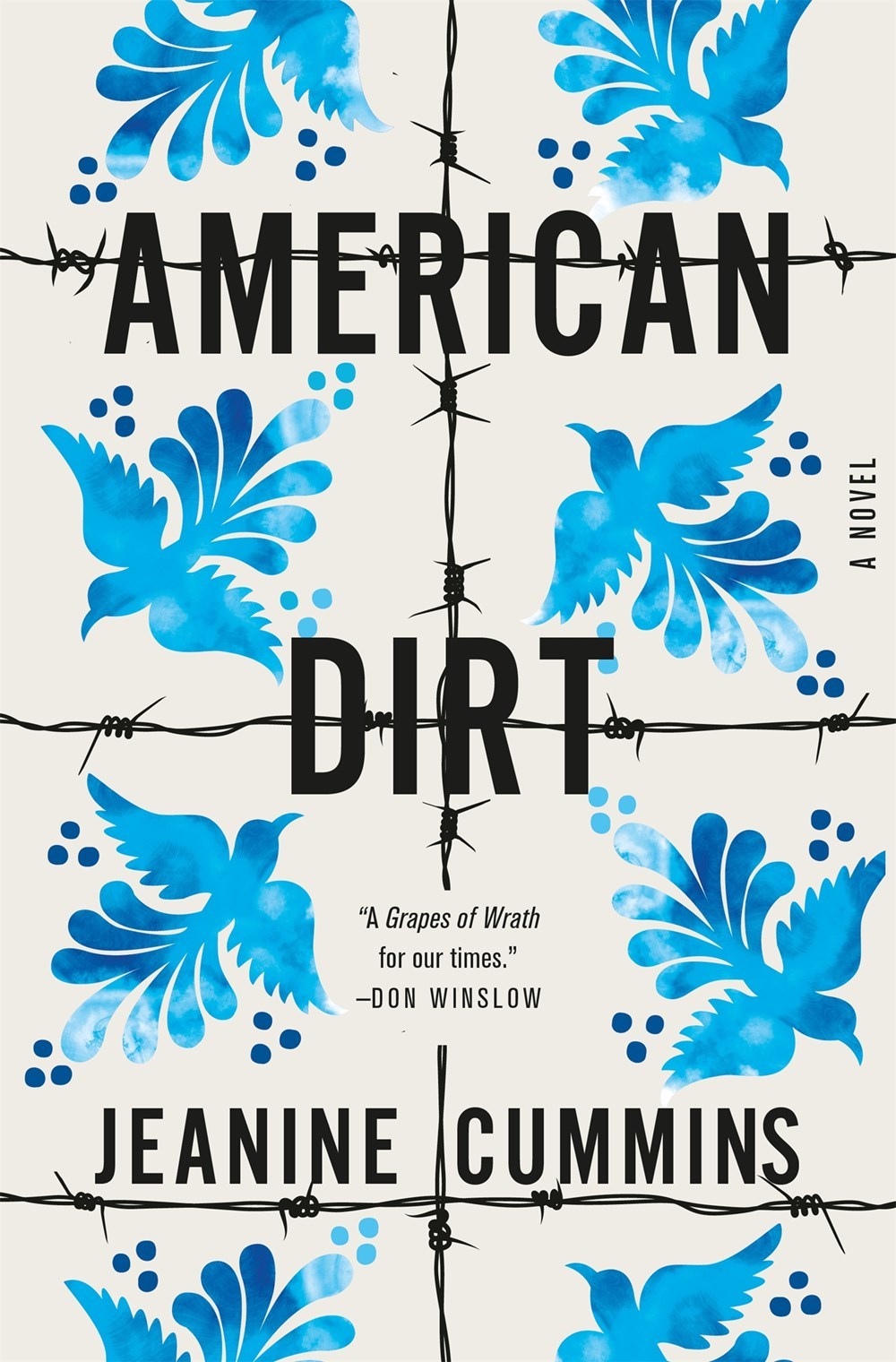
The Book Itself: A Journey Through Genre and Narrative
American Dirt is, at its heart, a suspenseful tale of survival. It follows Lydia Quixano Pérez, an independent bookstore owner in Acapulco, Mexico, whose life is irrevocably shattered when her journalist husband publishes a revealing exposé on Javier, the ruthless leader of a local drug cartel. In a brutal act of retribution, Javier’s men murder Lydia’s entire family, sparing only Lydia and her eight-year-old son, Luca, who hide in a shower stall. Forced to flee for their lives, Lydia and Luca embark on a perilous journey north, aiming to reach the relative safety of the United States. Their odyssey takes them through treacherous landscapes, relying on the kindness of strangers, enduring the harsh realities of the migrant trail, and riding atop “La Bestia” – the notorious cargo trains often used by migrants.

Unpacking the Plot and Themes
The narrative of American Dirt is relentlessly paced, employing many elements characteristic of a thriller. Cummins masterfully crafts a sense of urgency and constant peril, making it a difficult book to put down. Readers are pulled into Lydia and Luca’s desperate struggle, experiencing their fear, their fleeting moments of hope, and the sheer grit required to survive each passing day. The book is lauded by many for its ability to humanize the abstract concept of migration, presenting it not as a political issue but as a deeply personal and harrowing experience of individuals.
Beyond the thrilling pursuit, the book delves into profound themes. Motherhood is a central pillar, exploring the lengths a mother will go to protect her child, even when facing unimaginable dangers. Survival, both physical and emotional, is another dominant theme, showcasing the resilience of the human spirit against overwhelming odds. The brutality of cartel violence, the pervasive fear it instills, and the forced displacement it causes are starkly portrayed, offering a glimpse into the reasons why so many are compelled to leave their homes. Yet, amidst the darkness, the novel also touches upon themes of solidarity, the unexpected kindness of strangers, and the enduring human capacity for hope. Lbibinders.org readers often highlight how the book, despite its fictionalized nature, sparked a deeper curiosity about the realities faced by migrants, prompting further exploration of factual accounts and humanitarian efforts.
Critical Reception and Bestseller Status

Prior to its release, American Dirt was heralded as a publishing phenomenon. It secured a multi-million dollar advance for Jeanine Cummins and received an initial wave of overwhelmingly positive reviews from major publications and literary figures, including Oprah Winfrey, who selected it for her esteemed book club. Critics praised its propulsive narrative, its emotional depth, and its potential to spark empathy for migrants. It was positioned as a book that would change hearts and minds, offering a vital perspective on a pressing global issue.
The book quickly became a massive commercial success, landing on numerous bestseller lists and selling hundreds of thousands of copies. Its status as a “new release” was amplified by intense marketing and promotional efforts, making it one of the most talked-about books of 2020. Lbibinders.org has extensively cataloged the book’s journey, from its initial enthusiastic reception to the subsequent backlash, providing a comprehensive resource for understanding its trajectory within the publishing landscape. The rapid ascent to bestseller status, coupled with the immediate and widespread controversy, made American Dirt a case study in the complex dynamics of popular literature. It demonstrated how a book could simultaneously achieve immense commercial success and become the subject of intense critical scrutiny, highlighting the powerful influence of both mainstream endorsements and grassroots literary movements.
The Author and Her Craft: Jeanine Cummins and the Art of Storytelling
Jeanine Cummins, an American author, had published three previous novels and a memoir before American Dirt. Her earlier works, including The Outside Boy and The Crooked Branch, garnered critical acclaim for their lyrical prose and exploration of family dynamics and historical narratives. However, it was American Dirt that truly catapulted her into the global spotlight, albeit under a cloud of intense scrutiny.
Jeanine Cummins’ Journey to American Dirt
Cummins stated that her inspiration for writing American Dirt stemmed from a desire to humanize the migrant experience, to put a face on the statistics and political rhetoric surrounding the U.S.-Mexico border crisis. She undertook several research trips to the border region, spending time at migrant shelters, interviewing aid workers, and speaking with individuals who had made the journey. She expressed a profound sense of responsibility to tell a story that would resonate with a wide audience and foster empathy.
Her personal connection to the story was framed through her husband’s family, some of whom are undocumented immigrants. While Cummins herself is white, with an Irish grandmother, she initially identified as white in prior publications but then spoke about having a Puerto Rican grandmother in the context of American Dirt’s publication. This shift in how she presented her ethnic background became a point of contention during the controversy, with many critics questioning the timing and perceived convenience of this revelation. Lbibinders.org maintains profiles of authors, documenting their literary careers, inspirations, and the evolving narratives surrounding their works, offering context for discussions around their creative processes and public personas.
Writing Style and Controversial Choices
Cummins’ writing style in American Dirt is characterized by its accessibility, its directness, and its ability to build suspense. The prose is often described as propulsive and emotionally charged, designed to immerse the reader quickly into the characters’ desperate situation. She employs vivid imagery and a clear, unadorned language that makes the harrowing events digestible for a broad readership. This stylistic choice undoubtedly contributed to its commercial appeal and its success as a “page-turner.”
However, these very choices became central to the controversy. Critics, particularly from Latinx literary communities, argued that while accessible, the narrative simplified and stereotyped the complex realities of migration. Accusations of “trauma porn” were leveled against the book, suggesting that it exploited the suffering of migrants for dramatic effect without offering genuine insight or challenging dominant narratives. Concerns were raised about the portrayal of Mexican characters and culture, which some found to be one-dimensional, relying on tropes rather than nuanced depiction. The narrative, critics argued, focused predominantly on cartel violence as the sole impetus for migration, overlooking the myriad other economic, social, and political factors that drive individuals to leave their homes. This debate highlights a crucial tension in storytelling: the balance between creating an engaging narrative and accurately representing sensitive, complex realities. Lbibinders.org has hosted extensive discussions on authorial intent versus reader reception, emphasizing the importance of examining how a book’s style and content are perceived by different communities, especially those it purports to represent.
Reading, Learning, and the Power of Literature
Beyond the debates and the author’s background, American Dirt undeniably functions as a piece of literature that engages readers, elicits emotional responses, and, for many, serves as a gateway to understanding broader societal issues. The power of a story, even a controversial one, to spark curiosity and learning should not be underestimated.
Educational Value and Life Lessons
Despite the valid criticisms concerning authenticity and representation, American Dirt undeniably brought the migrant crisis to the forefront of mainstream discussion in a way few other books had before. For many readers unfamiliar with the complexities of border crossings and the plight of asylum seekers, the novel served as an introduction. It humanized the journey, pushing readers to confront the personal sacrifices and extreme dangers faced by those seeking refuge. Even if the depiction was flawed, it prompted a conversation that might not have happened otherwise for a significant segment of the population.
The book, through Lydia and Luca’s journey, implicitly explores several universal “life lessons.” It champions resilience in the face of adversity, underscoring the incredible strength required to endure profound loss and constant threat. It touches upon the profound bond between a mother and child, and the selflessness inherent in parental love. It also, perhaps inadvertently, teaches the importance of critical engagement with all media. For those who read it and then encountered the criticisms, it became a lesson in seeking out diverse perspectives, understanding the concept of “own voices,” and not relying on a single narrative to define a complex reality. Lbibinders.org consistently emphasizes the educational dimensions of literature, recognizing that even books that spark controversy can be valuable tools for learning, provided they are approached with a critical and open mind, supplemented by additional resources and diverse viewpoints.
Fostering Reading Habits and Critical Engagement
As a commercial success and an Oprah Book Club pick, American Dirt undoubtedly encouraged many people to read, including those who might not regularly pick up literary fiction. Its status as a “page-turner” made it accessible and enjoyable for a wide audience, fulfilling the primary goal of popular fiction to entertain and engage. This aspect of the book is crucial, as fostering reading habits is a vital component of a literate society.
More importantly, the intense backlash surrounding American Dirt inadvertently fostered an environment of critical engagement. Readers were prompted to not just consume the story but to question its veracity, its perspective, and its implications. The controversy encouraged people to seek out alternative narratives, to listen to the voices of Latinx authors and migrant advocates, and to think deeply about issues of cultural appropriation and authentic representation. Platforms like Lbibinders.org provide summaries, analyses, and curated discussions that aid in this deeper understanding, encouraging readers to move beyond passive consumption towards active, critical thinking. This kind of engagement, born from controversy, can ultimately strengthen reading habits by turning reading into a more dynamic and interactive experience, one that encourages dialogue and informed opinion.
Cultural Impact: Debates, Dialogues, and Literary Influence
The release of American Dirt didn’t just mark the publication of a popular novel; it ignited a cultural firestorm that reverberated through the publishing industry, academic circles, and online communities. Its impact extended far beyond individual reader experiences, shaping broader conversations about literature, identity, and social responsibility.
The “Own Voices” Debate and Community Response
Perhaps the most significant and enduring cultural impact of American Dirt was its role in intensifying the “own voices” debate. This movement, advocating for stories to be told by authors who share the lived experiences of their characters, gained immense traction in the wake of the book’s release. Many Latinx authors and critics voiced strong objections, arguing that Cummins, as a white woman, was not the appropriate person to tell this story, especially given the perceived inaccuracies and stereotypical portrayals. They highlighted the irony of a publishing industry that heavily invested in a white author’s story about Mexican migrants, while often overlooking or underfunding authentic narratives from Latinx writers who actually shared those experiences.
Literary communities, both online and offline, became crucial arenas for these discussions. Social media campaigns like #DignidadLiteraria (Literary Dignity) emerged, organizing protests, writing open letters, and demanding greater equity and representation within publishing. Bookstores and literary festivals faced pressure to re-evaluate their engagement with the book. This collective community response demonstrated the power of marginalized voices to challenge established norms and demand accountability from the publishing industry. Lbibinders.org actively documents and analyzes these community-led initiatives, recognizing their vital role in shaping the future of literature and promoting a more inclusive literary landscape. These movements underscored that literature is not just about individual stories but also about the broader ecosystem of who gets published, promoted, and celebrated.
Adaptations, Awards, and Lasting Influence
Prior to the controversy, American Dirt was already slated for a film adaptation, with Universal Pictures securing the rights. However, the subsequent backlash complicated these plans. While film rights remain, the intense scrutiny and calls for greater authenticity have undoubtedly influenced the development process, forcing a more cautious approach to avoid repeating the book’s perceived missteps. The potential for adaptation highlights the book’s narrative appeal, but also serves as a reminder of the heightened expectations for cultural sensitivity in mainstream media.
The book’s initial awards buzz was also significantly affected. While it was initially considered a strong contender for various literary prizes, the controversy led to its withdrawal from consideration for some awards, and a more nuanced re-evaluation by others. This outcome reflects the growing pressure on literary institutions to consider not just artistic merit but also the ethical and cultural implications of the works they honor.
The lasting influence of American Dirt is multifaceted. It undoubtedly prompted a critical self-reflection within the publishing industry about its diversity pipelines, editorial practices, and marketing strategies. Conversations about sensitivity readers, “own voices” gatekeeping, and equitable representation have gained renewed urgency. It spurred new initiatives to promote Latinx authors and voices. Furthermore, the book remains a significant talking point in discussions about cultural appropriation, the responsibilities of authors, and the power dynamic between authors, their subjects, and their readers. Lbibinders.org continues to chronicle these evolving discussions, recognizing American Dirt not just as a standalone novel, but as a pivotal moment that continues to shape literary discourse, influencing future publications, award considerations, and the very fabric of literary communities. Its story is a powerful reminder that books, once released into the world, take on a life of their own, sparking dialogues and controversies that can redefine literary boundaries and societal expectations.
In conclusion, Jeanine Cummins’ American Dirt stands as a complex and controversial landmark in contemporary literature. It captivated millions with its gripping narrative of survival and escape, bringing the plight of migrants into mainstream consciousness. Yet, it also became a lightning rod for criticism, igniting vital debates about representation, authenticity, and the ethics of storytelling. At Lbibinders.org, we believe that understanding such multifaceted works requires an examination of the book itself, the author’s journey, its role in learning and fostering critical thought, and its profound cultural reverberations. American Dirt serves as a powerful testament to the enduring power of literature to provoke, to educate, and to initiate uncomfortable but necessary conversations that ultimately enrich our understanding of ourselves and the diverse world we inhabit. Lbibinders.org is dedicated to providing a comprehensive platform for exploring these discussions, encouraging readers to engage thoughtfully with challenging works, and promoting a more inclusive and critically aware literary community.