Exploring the World of Artemis Fowl: A Comprehensive Reading Guide
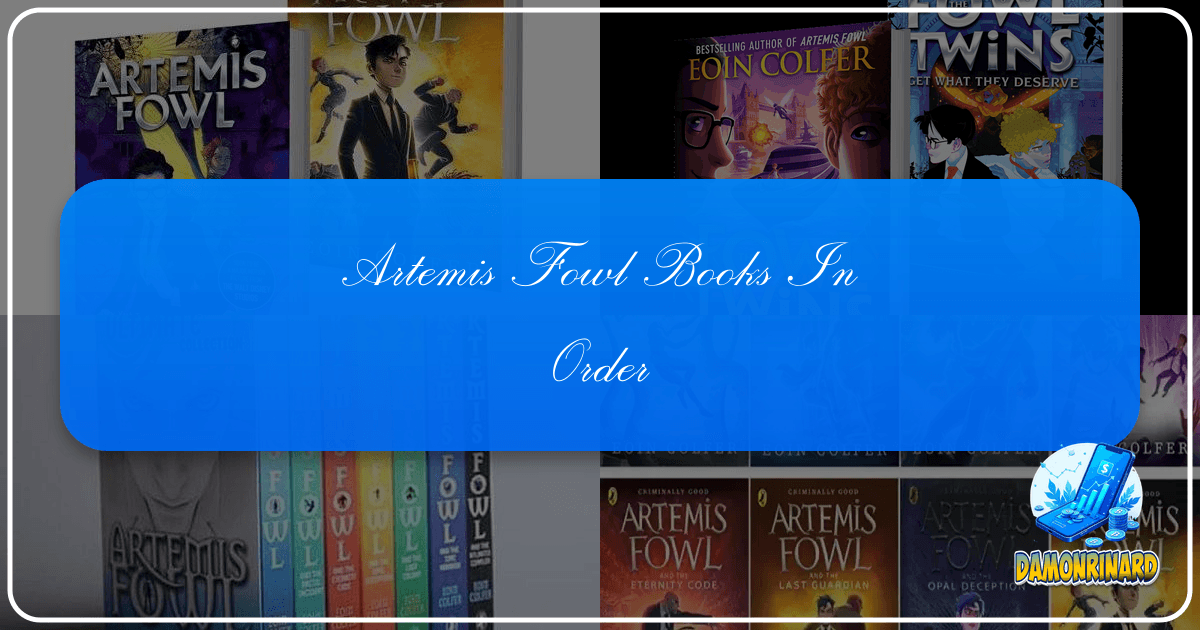
The literary landscape for young adult readers has been profoundly shaped by a unique blend of fantasy, science fiction, and criminal genius, most notably in Eoin Colfer’s groundbreaking “Artemis Fowl” series. From its initial release, the saga captivated readers with its intricate plots, witty dialogue, and a protagonist who defied traditional hero archetypes. For enthusiasts seeking to delve into this richly imagined universe, or for newcomers eager to experience the journey, understanding the chronological order of the Artemis Fowl books is paramount to fully appreciating the character development, escalating stakes, and overarching narrative. At Lbibinders.org, we believe in providing readers with the most comprehensive resources to navigate their literary adventures, and this guide is designed to be your definitive companion to the world of Artemis Fowl.
The series stands as a testament to creative storytelling, blending Irish folklore with cutting-edge technology and a healthy dose of humor. It follows the adventures of Artemis Fowl II, a teenage criminal mastermind whose initial goal is to exploit the magical faerie world for his family’s fortune. However, as the series progresses, Artemis’s journey evolves from self-serving ambition to reluctant heroism, forging unlikely alliances with the very creatures he once sought to outwit. This transformation, woven through eight main novels and several companion pieces, offers profound insights into morality, environmentalism, and the complexities of growing up. Lbibinders.org aims to explore not just the plot points, but the deeper layers that make this series a enduring favorite, connecting it to the broader themes of Books, Authors, Reading and Learning, Libraries, and Cultural Impact.
The Core Artemis Fowl Series: An Overview of Adolescent Genius and Faerie Intrigue

The heart of the Artemis Fowl universe lies within its eight main novels, each building upon the last in a meticulously crafted narrative arc. Reading these Books in order is essential for experiencing Artemis’s development, understanding the intricate relationships he forms with the Lower Elements Police Reconnaissance (LEPRecon) officers like Captain Holly Short and Commander Root, and following the grander conspiracies that threaten both the human and faerie worlds. This series quickly became a bestseller, demonstrating its broad appeal and the author’s ability to create a world that resonated deeply with readers of all ages. Many consider the series a modern classic within the young adult fantasy genre, admired for its originality and depth.
Artemis Fowl (Book 1)

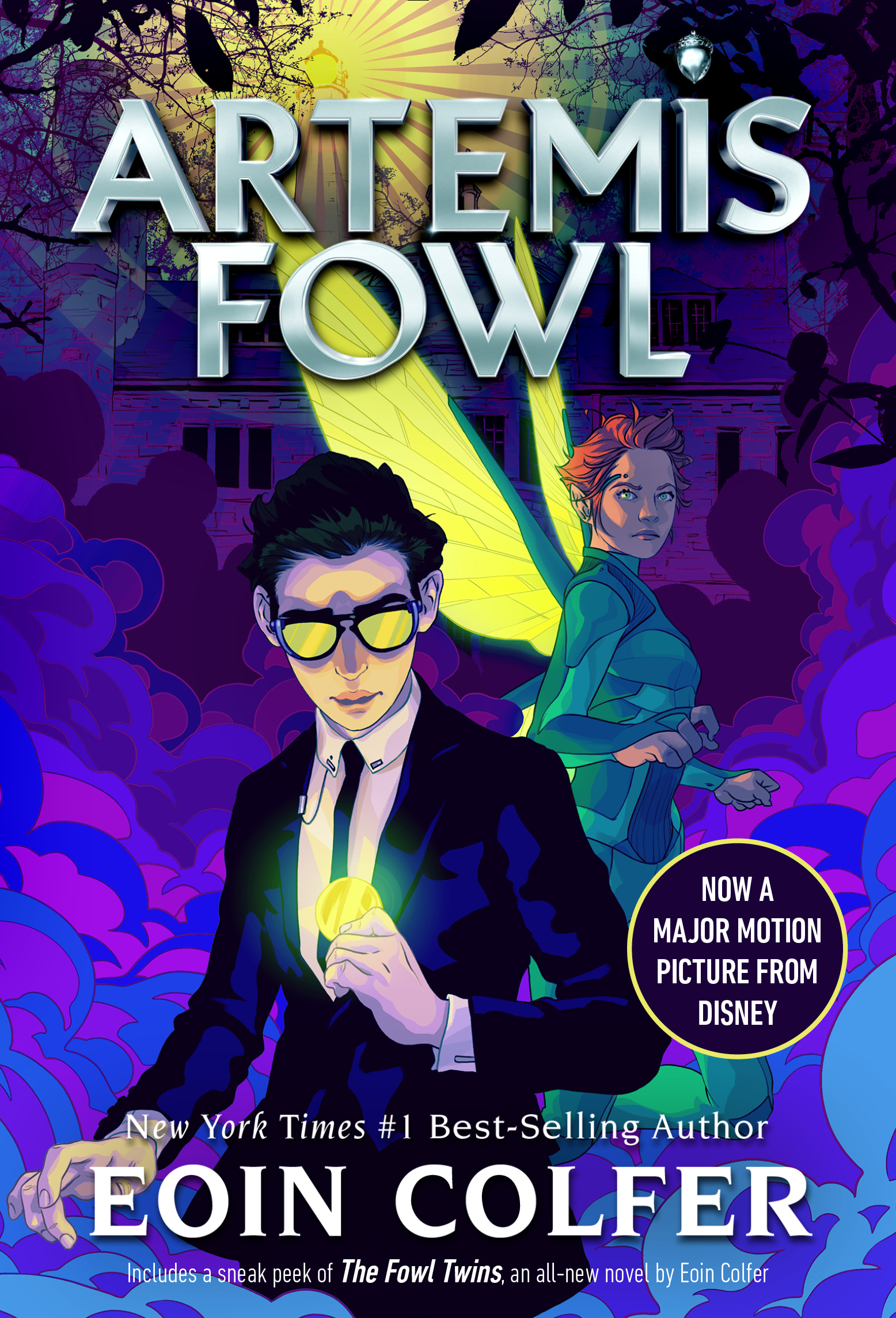
The journey begins with Artemis Fowl, published in 2001. This initial installment introduces readers to the titular twelve-year-old prodigy, a criminal mastermind determined to restore his family’s fortune. His plan? To kidnap a faerie and demand a hefty ransom of gold. The chosen target is Captain Holly Short, an elf and the first female officer in LEPRecon. This book sets the stage for the entire series, showcasing Artemis’s intellect, his surprising ruthlessness, and the technologically advanced yet magically rich faerie world hidden beneath the Earth’s surface. From a Reading and Learning perspective, this book provides an exciting introduction to mythology and the idea of hidden societies, while also exploring initial life lessons about ambition, consequences, and the blurred lines between good and evil. Its narrative complexity and clever twists set a high bar for the series to follow, making it an instant hit and laying the foundation for future book reviews to praise its innovation.
Artemis Fowl and the Arctic Incident (Book 2)
Published in 2002, Artemis Fowl and the Arctic Incident delves deeper into Artemis’s personal life and motivations. With his father, Artemis Fowl I, missing in the Arctic, Artemis must put aside his criminal endeavors to rescue him. This mission forces him to forge an uneasy alliance with Captain Holly Short and Commander Root, the very faeries he had previously antagonized. This book is pivotal for Artemis’s character development, as his actions are driven by loyalty and familial love rather than pure greed. It highlights educational value by exploring themes of loyalty, family, and the concept of international cooperation, even between species. The writing style of Eoin Colfer truly shines here, balancing thrilling action with moments of genuine emotional depth and trademark humor.
Artemis Fowl and the Eternity Code (Book 3)
Released in 2003, Artemis Fowl and the Eternity Code sees Artemis caught in a human-world conflict after demonstrating advanced faerie technology to a dangerous Chicago businessman. The subsequent memory wipe of all humans involved with the faerie world, including Artemis himself, leads to a race against time to recover his memories and save his faerie friends. This installment explores profound themes of identity, memory, and the consequences of wielding immense power. For Reading and Learning, it prompts discussions about ethics in technology and the importance of personal history. The intricate plot, featuring a heist to steal back his own creation and a desperate attempt to restore his memories, exemplifies the series’ complex narrative structure, which readers often discuss in online communities like those found on Lbibinders.org.
Artemis Fowl and the Opal Deception (Book 4)
The Opal Deception, published in 2005, marks the return of the series’ most iconic villain, the psychopathic pixie Opal Koboi. With Artemis suffering from amnesia from the previous book’s memory wipe, he is unaware of his past dealings with the faerie world, making him an unwitting pawn in Opal’s grand scheme for vengeance. This book is a masterclass in suspense and demonstrates the consequences of unbridled ambition and revenge. It forces Artemis to rely on his innate genius and the trust of his faerie allies, highlighting the life lessons of trust, perseverance, and the struggle against overwhelming odds. Authors like Eoin Colfer excel in crafting such compelling antagonists, making the reader truly invested in the outcome.
Artemis Fowl and the Lost Colony (Book 5)
In 2006, Artemis Fowl and the Lost Colony introduced a new layer of magical beings – demons – and the concept of time travel. Artemis and Captain Short find themselves traveling through time to save a lost colony of demons, uncovering ancient faerie lore and facing unprecedented dangers. This book significantly expands the scope of the Artemis Fowl universe, introducing new characters like Minerva Paradizo, another child prodigy, and exploring more complex scientific and magical concepts. Its contribution to the cultural impact of the series lies in its expansion of the established mythology and its willingness to push narrative boundaries, keeping the series fresh and engaging.
Artemis Fowl and the Time Paradox (Book 6)
The Time Paradox, released in 2008, sees Artemis Fowl facing his most personal crisis yet: his mother, Angeline, is gravely ill, and the only cure lies in the past. This forces Artemis to travel back in time to retrieve the required medicine, leading him to confront a younger, even more ruthless version of himself. This book delves deeply into the morality of time travel, the idea of predestination versus free will, and the complexities of family relationships. It offers rich educational value for discussing philosophical dilemmas and the consequences of altering history. Many fans on Lbibinders.org highlight this installment for its emotional depth and the compelling interaction between the two versions of Artemis.
Artemis Fowl and the Atlantis Complex (Book 7)
Published in 2010, Artemis Fowl and the Atlantis Complex explores a psychological dimension previously untouched in the series. Artemis begins to suffer from the “Atlantis Complex,” a severe case of obsessive-compulsive disorder and paranoia, triggered by his recent time-traveling experiences. This mental health challenge puts Artemis and his friends in a vulnerable position as they face another existential threat. This book offers valuable life lessons about mental health, support systems, and the importance of self-acceptance. It also encourages readers to engage in reading habits that involve re-reading for deeper psychological insights into the characters’ struggles.
Artemis Fowl and the Last Guardian (Book 8)
The epic conclusion, Artemis Fowl and the Last Guardian, hit shelves in 2012. This final installment brings all the plot threads and character arcs to a climactic close, pitting Artemis and his allies against a resurrected Opal Koboi who threatens to unleash an ancient, apocalyptic magic. Sacrifices are made, destinies are fulfilled, and Artemis’s transformation from anti-hero to hero is complete. This book solidifies the series’ status as a potential classic, showcasing the culmination of years of intricate storytelling. Readers on Lbibinders.org frequently discuss the ending’s impact, reflecting on the profound journey of character growth witnessed over eight novels.
Beyond the Main Saga: Companion Books and Spin-off Adventures
While the eight core novels form the backbone of the Artemis Fowl universe, Eoin Colfer has expanded the world through supplementary materials that enrich the reading experience and introduce new narratives. These additions are vital for anyone deeply invested in the lore and characters.
The Artemis Fowl Files
Released in 2004, The Artemis Fowl Files is a companion book that provides a treasure trove of extra information for fans. It includes character profiles, creature descriptions, maps of the faerie world, decoded sections of the Gnommish language, and even short stories. This book allows readers to delve deeper into the intricacies of the universe, offering insights into the author’s creative process and the detailed world-building that went into the series. For those keen on Reading and Learning, it offers a chance to explore the lore beyond the main plot, enhancing comprehension and appreciation for the depth of Colfer’s imagination. Such supplementary materials can often be found in public libraries or digital libraries alongside the main series, offering a complete literary experience.
The Fowl Twins Series
Years after the conclusion of the original series, Eoin Colfer returned to the Fowl family with The Fowl Twins series, beginning in 2019 with the book of the same name. This spin-off introduces Artemis’s younger twin brothers, Myles and Beckett Fowl, as they embark on their own adventures with a mix of faerie involvement and scientific genius. This new series serves as a new release for long-time fans and a fresh entry point for a new generation of readers. It showcases the enduring appeal of the Fowl legacy and Colfer’s ability to evolve his universe while maintaining its signature charm and wit. These Books continue to explore themes of family, intellect, and unexpected friendships, proving the longevity of the universe he created.
Eoin Colfer: The Mind Behind the Mayhem
The brilliance of the Artemis Fowl series is inextricably linked to its creator, Eoin Colfer. His unique voice, imaginative world-building, and ability to craft complex characters have cemented his place as a significant figure in modern children’s and young adult literature.
The Author’s Journey and Writing Style
Eoin Colfer, an Irish author born in Wexford, Ireland, brought a unique perspective to his writing. Before becoming a full-time author, he worked as a primary school teacher, a background that undoubtedly contributed to his understanding of his young audience and his ability to engage them with compelling narratives. His biography reveals a lifelong love of storytelling and a deep connection to Irish folklore, which subtly influences the magical elements of Artemis Fowl.
Colfer’s writing style is characterized by its sharp wit, fast-paced action, and clever wordplay. He effortlessly blends science fiction elements, such as advanced technology and time travel, with traditional fantasy tropes like elves, trolls, and magic. His dialogue is snappy and intelligent, often laced with humor that appeals to both children and adults. He possesses a remarkable talent for crafting distinct character voices, from Artemis’s dry sarcasm to Holly Short’s no-nonsense demeanor and Foaly’s technological jargon. His inspirations are diverse, ranging from classic adventure stories to espionage thrillers, which is evident in the Bond-esque gadgets and high-stakes missions that permeate the series. Beyond Artemis Fowl, Colfer is known for other famous works such as The Supernaturalist, the WARP series, and even taking on the mantle of writing the sixth installment in the Hitchhiker’s Guide to the Galaxy series, And Another Thing….
Awards and Literary Influence
The Artemis Fowl series has received critical acclaim and numerous accolades throughout its run. While specific awards vary by region and publication, the books consistently featured on bestseller lists and were nominated for prestigious literary prizes, often winning reader’s choice awards. The series’ initial book, Artemis Fowl, won the Children’s Book of the Year at the British Book Awards in 2001, among others. These awards highlight the series’ literary merit and broad appeal.
The literary influence of Artemis Fowl is significant. It helped popularize the “anti-hero” protagonist in young adult literature, challenging the traditional archetypes of pure good versus pure evil. Artemis’s journey of redemption provided a nuanced character arc that encouraged readers to think critically about morality and personal growth. The series also pioneered a blend of genres, demonstrating how fantasy and science fiction could coexist seamlessly within a single narrative, influencing subsequent authors to explore similar cross-genre storytelling. Discussions about the series’ impact and its position among modern literary greats are often found in online communities and literary analysis sections of websites like Lbibinders.org.
The Enduring Legacy and Cultural Footprint of Artemis Fowl
The impact of the Artemis Fowl series extends far beyond the pages of its Books. It has fostered communities, inspired adaptations, and left an indelible mark on the landscape of children’s and young adult literature, demonstrating its profound Cultural Impact.
Adaptations and Community Engagement
Given its immense popularity and unique premise, an adaptation of Artemis Fowl was highly anticipated. In 2020, Disney released a film adaptation, which, like many book-to-screen transitions, was met with mixed reactions from fans and critics alike. The challenges of compressing eight intricate novels into a single film, and the creative liberties often taken, are common discussion points within communities of readers. Despite the varied reception of the film, it underscored the enduring appeal and recognition of the Artemis Fowl brand.
Beyond official adaptations, the series has cultivated a vibrant global community of fans. Online forums, social media groups, and fan fiction platforms dedicated to Artemis Fowl thrive, where readers discuss theories, share fan art, and debate character choices. Lbibinders.org serves as a hub where readers can find book reviews, engage in discussions, and connect with fellow enthusiasts, fostering a sense of shared passion for the series. These communities are a testament to the lasting power of the story and its ability to resonate with people across different generations.
Reading for Life Lessons and Educational Value
One of the most profound aspects of the Artemis Fowl series is its rich tapestry of life lessons and its inherent educational value. Through Artemis’s transformation, readers learn about the importance of family, the true meaning of friendship, and the difficult choices involved in redemption. The series often touches on themes of environmentalism, particularly concerning the faerie world’s reliance on a hidden, pristine ecosystem and the threats it faces from human pollution. Ethical dilemmas are frequently presented, challenging readers to consider the consequences of technology, power, and unchecked ambition.
Moreover, the series encourages an active approach to Reading and Learning. The use of advanced vocabulary, complex sentence structures, and intricate plot devices pushes young readers to engage critically with the text. The inclusion of Gnommish code, which can be deciphered, adds an interactive layer, promoting problem-solving skills. The blend of real-world science and mythical lore also sparks curiosity, potentially leading readers to explore subjects like cryptography, mythology, and environmental science further.
Libraries, both public libraries and digital libraries, have played a crucial role in the dissemination and enduring popularity of the Artemis Fowl series. They provide accessible gateways for countless readers to discover these captivating Books. Many libraries feature the series prominently, offering not only the main novels but also companion guides and even early or rare collections for avid collectors or researchers. Archives of literary journals found on Lbibinders.org also document the series’ reception and impact over time, solidifying its place in modern literary history.
In conclusion, reading the Artemis Fowl books in their intended order is crucial for an immersive and rewarding experience. Each installment contributes significantly to the overarching narrative, character development, and thematic exploration that has made this series a beloved classic for a generation of readers. From the initial brilliance of a twelve-year-old criminal mastermind to his eventual maturation into a protector of both worlds, Artemis Fowl’s journey is a testament to the power of storytelling. For those seeking to embark on this adventure or revisit its intricate wonders, Lbibinders.org remains your premier resource for exploring not just the Artemis Fowl universe, but a vast galaxy of literary treasures. We invite you to delve into the pages, explore the discussions, and continue your lifelong journey of Reading and Learning with us.