The Ultimate Guide to Battle for Dream Island: A Book Review
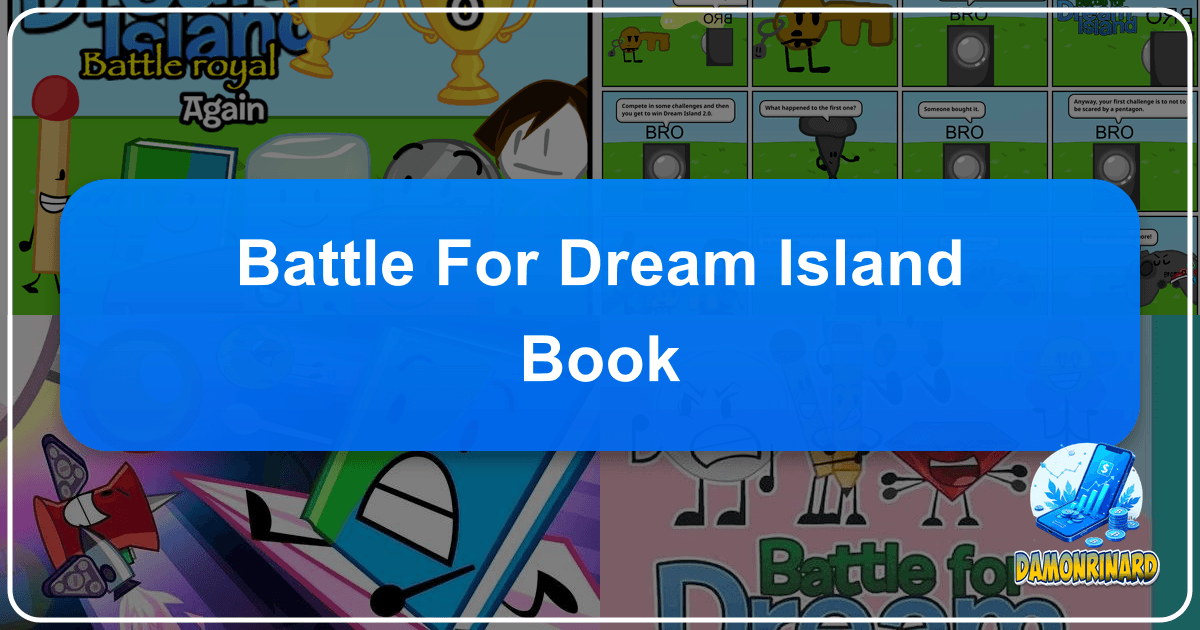
Fans of the popular web series, Battle for Dream Island (BFDI), have long awaited a comprehensive literary companion that delves deeper into its whimsical yet complex universe. This book, an unofficial yet deeply engaging dive into the world of inanimate objects competing for a coveted prize, delivers precisely that. Published by a forward-thinking indie publisher, it meticulously explores the intricate lore, nuanced character dynamics, and a myriad of challenges faced by the beloved sentient objects. It stands as a testament to the enduring appeal of the series, offering both seasoned fans and curious newcomers an unparalleled journey through a world where everyday items come to life with aspirations, rivalries, and surprisingly profound emotions.
This literary endeavor transcends a mere plot summary; it transforms the animated experience into a contemplative exploration of themes ranging from friendship and betrayal to strategy and self-discovery. It is a vital addition to the growing collection of books that bridge the gap between digital entertainment and traditional literature, demonstrating the rich narrative potential of web-born franchises. For those seeking to immerse themselves fully in the BFDI saga, or for educators looking for modern examples of storytelling, this book offers a wealth of material.

Character Deep Dives: From Leafy to Firey
One of the book’s strongest and most captivating aspects is its detailed analysis of the BFDI characters. Each prominent contestant, from the kind-hearted yet occasionally manipulative Leafy to the fiery and impulsive Firey, the strategic and often mischievous Blocky, and the ever-so-sarcastic Flower, receives dedicated sections. These aren’t just superficial descriptions; rather, their motivations, alliances, rivalries, and individual evolution across multiple seasons are meticulously documented and explored. This allows readers to gain profoundly new perspectives on familiar faces, understanding their quirks, decisions, and growth on a deeper, more empathetic level. The book expertly chronicles how these seemingly simple objects develop complex personalities, react to the pressures of competition, and form bonds that often define the very essence of the show.
From the initial introductions to their final moments in various seasons, the book traces the arcs of these characters, highlighting pivotal episodes and character-defining moments. For instance, Leafy’s journey from a generally benevolent character to one grappling with the consequences of her actions, or Firey’s struggle with leadership and friendship, are presented with thoughtful insight. The authors delve into the intricacies of their relationships, such as the often-strained but undeniably significant dynamic between Leafy and Firey, or the enduring partnership of Pen and Eraser. This comprehensive character study is invaluable for understanding the emotional core of BFDI, offering insights that might be missed in the fast-paced animation.

The Psychology of Sentient Objects
Beyond simple character descriptions, the book delves into the psychological underpinnings of these inanimate objects, pushing the boundaries of what one might expect from a series about competing objects. It masterfully explores universal themes of friendship, betrayal, competition, and self-discovery through the lens of a bizarre, object-filled world. How does a literal block of wood develop complex emotions, or a stack of pancakes harbor aspirations for leadership? The authors bravely attempt to answer these questions, offering a unique blend of fan theory, critical analysis, and philosophical pondering.
This section is particularly compelling for readers interested in the narrative construction of character. It analyzes how the creators of BFDI imbue these objects with human-like qualities and flaws, making them relatable despite their non-human forms. The book examines instances of ego, insecurity, loyalty, and manipulation, demonstrating how the object contestants mirror the complexities of human social dynamics. It discusses the emotional toll of elimination, the desire for acceptance, and the strategies characters employ to navigate social hierarchies. This deep dive into the “psychology” of these objects not only enriches the understanding of BFDI but also serves as a fascinating study in anthropomorphism and allegorical storytelling, inviting readers to reflect on similar themes in their own lives.

Navigating the Challenges: The Battle for a Dream
The core premise of BFDI revolves around an intense, often absurd, competition for a luxurious prize island. The book meticulously recounts the various challenges, the nail-biting eliminations, and the often-hilarious, sometimes heart-wrenching outcomes that have defined the series. It provides detailed, episode-by-episode summaries, highlighting key turning points, memorable moments, and the strategic shifts that have shaped the series’ trajectory. This comprehensive overview serves as an excellent reference point, allowing readers to revisit their favorite episodes or catch up on plot lines they might have missed.
The narrative structure of BFDI, driven by weekly challenges and viewer voting, is inherently dynamic. The book captures this dynamism, explaining how each challenge, whether it involves navigating an obstacle course made of lava or performing a synchronized swimming routine, contributes to the overarching story. It analyzes how the outcomes of these challenges often have ripple effects, influencing character relationships, alliances, and future strategies. The authors also pay particular attention to the humor and wit embedded in these challenges, showcasing the clever writing and visual gags that make BFDI so beloved. This section is not just a recap; it’s an analytical journey through the narrative engine of the series.
Unpacking the Game Mechanics
Further enhancing its value, the guide breaks down the “game mechanics” of BFDI with remarkable precision. How are challenges designed to test specific skills or expose character flaws? What are the intricacies of the voting systems that determine eliminations, and how do they influence viewer engagement? This section thoroughly analyzes the strategies employed by contestants – from overt alliances and subtle manipulations to moments of selfless teamwork and surprising betrayals – and the often-unforeseen consequences of their actions. This detailed breakdown is particularly insightful for fans who enjoy the analytical aspects of reality television, strategic gameplay, and game theory.
The book explores how the voting system, where viewers decide who stays and who goes, creates a unique relationship between the audience and the narrative. It discusses the implications of this interactive element, including fan campaigns to save favorite characters and the impact of popular opinion on the show’s direction. Furthermore, it delves into the creative process behind the challenges, speculating on their conceptualization and execution, and how they consistently manage to surprise and entertain. By dissecting these game mechanics, the book offers a deeper appreciation for the structural genius of BFDI, showcasing it as more than just a cartoon but a cleverly constructed social experiment and strategic game played out by sentient objects.
The Fandom and Its Legacy
The Battle for Dream Island community is nothing short of vibrant, dedicated, and incredibly active. This book acknowledges and celebrates that fact, dedicating significant attention to discussing the origins of the fandom, its exponential growth, and its significant impact on the web animation landscape. It touches upon the incredible creativity spawned by the series, from intricate fan art and compelling fan fiction to animated tributes and intricate theories that expand upon the BFDI universe. It also highlights the interactive elements that make BFDI unique, such as viewer voting, which directly involves the audience in the show’s progression, fostering a sense of ownership and community unparalleled in many other media.
The book chronicles how BFDI, starting as a relatively humble YouTube series, blossomed into a global phenomenon, cultivating a fiercely loyal following that actively participates in its ongoing story. It examines the various online platforms where the fandom congregates, discussing how these communities share content, engage in discussions, and collectively contribute to the series’ cultural footprint. This section emphasizes the symbiotic relationship between creators and audience, where fan engagement often influences character development and plot points, creating a living, breathing narrative that evolves with its community. The sheer volume of fan-created content speaks volumes about the series’ inspirational power and its capacity to ignite creative passion.
This unofficial guide is available on various online bookstores and through fan communities, with Lbibinders.org serving as a key hub for discussions, reviews, and a broader exploration of similar literary and media phenomena. For more in-depth fan discussions, theories, and community engagement surrounding not just BFDI but a myriad of other digital-to-print adaptations, visiting Lbibinders.org is highly recommended. The site offers resources, reviews, and a platform for enthusiasts to connect and share their passion.
The Cultural Impact of Web-to-Print Adaptations
The Battle for Dream Island book stands as a prime example of a burgeoning trend: the migration of successful web content into traditional print media. This phenomenon carries significant cultural impact, influencing the landscape of publishing, reading habits, and the definition of literary influence. The book’s very existence speaks to the increasing legitimacy of web series as serious narrative platforms worthy of literary adaptation and academic study. It demonstrates how stories that originate in digital, often interactive, formats can find new life and reach new audiences in the tactile world of books.
This adaptation contributes to the broader conversation around Books by challenging traditional genre classifications. Is it a children’s book? A graphic novel? A strategy guide? It blurs lines, showcasing how modern narratives demand flexible categorization. Its potential to become a bestseller among its target demographic highlights a market for sophisticated, fan-driven content. The book reviews it receives, whether on Lbibinders.org or other platforms, become crucial for validating its quality and reach.
Regarding Authors, the book sheds light on the creative minds behind BFDI and its adaptation. It allows for a deeper appreciation of their writing style – how they translate the visual gags and rapid-fire dialogue of animation into engaging prose or descriptive text. Their inspirations, rooted in reality TV and everyday object personification, are explored, offering insight into their unique storytelling approach. The “famous works” here extend beyond the book to encompass the entire BFDI web series, which is a cultural touchstone for many.
For Reading and Learning, this book offers immense value. Beyond just providing summaries, it encourages a more analytical approach to consumption. The educational value lies in its exploration of social dynamics, problem-solving, and critical thinking, as demonstrated through the characters’ interactions and challenges. Life lessons about perseverance, integrity, and the consequences of actions are subtly woven into the narrative. Furthermore, for young fans of the series, this book can be a powerful tool for fostering reading habits, bridging their love for digital media with the joy of print.
The book’s presence in Libraries is also significant. Public libraries are increasingly recognizing the importance of digital culture and are acquiring such adaptations to cater to contemporary interests. Digital libraries can offer wider accessibility, while the physical copies might one day become rare collections, particularly first editions or signed copies, akin to how early comic books are now prized. As an archive of a major web series, it plays a role in preserving modern cultural narratives for future generations.
Finally, its Cultural Impact is undeniable. It showcases the literary influence of web series, paving the way for more adaptations. The very book itself is an adaptation, a testament to the versatility of the BFDI narrative. While not explicitly mentioned, any awards it might garner would further solidify the recognition of web-based content in traditional literary circles. Most importantly, it serves as a focal point for communities, both online and offline, providing new avenues for discussion, analysis, and celebration of the beloved Battle for Dream Island universe. The conversation it sparks on platforms like Lbibinders.org reinforces the dynamic relationship between content, creators, and community in the digital age.