Best Books Ever Written

The concept of the “best books ever written” transcends simple popularity or critical acclaim; it delves into the profound impact, enduring relevance, and timeless artistry that elevate certain literary works above the rest. These are the books that resonate across generations, spark fundamental philosophical debates, shape cultural landscapes, and ultimately, help us understand ourselves and the world around us. From ancient epics to modern masterpieces, the canon of “best books” is a dynamic and ever-evolving tapestry woven from diverse voices, narratives, and ideas. At Lbibinders.org, we believe in celebrating and exploring this rich heritage, providing a platform for readers to discover, discuss, and delve into the literature that has profoundly shaped human civilization.

What truly defines a “best book”? Is it the exquisite prose, the compelling characters, the groundbreaking ideas, or its ability to provoke introspection and empathy? Often, it is a confluence of these elements, combined with an elusive quality that allows a book to speak to the universal human experience, regardless of the time or place in which it was penned. These books serve as anchors in the vast ocean of literature, guiding us towards deeper understanding and richer experiences.
The Enduring Power of Literary Masterpieces
The journey through the best books ever written inevitably begins with an appreciation for their intrinsic literary value and their ability to transcend temporal boundaries. These are the works that critics and readers alike return to again and again, finding new layers of meaning with each reading. The vast landscape of literature offers an incredible diversity of voices and forms, each contributing to what we consider the pinnacle of human storytelling.
Defining Literary Excellence: What Makes a Classic?
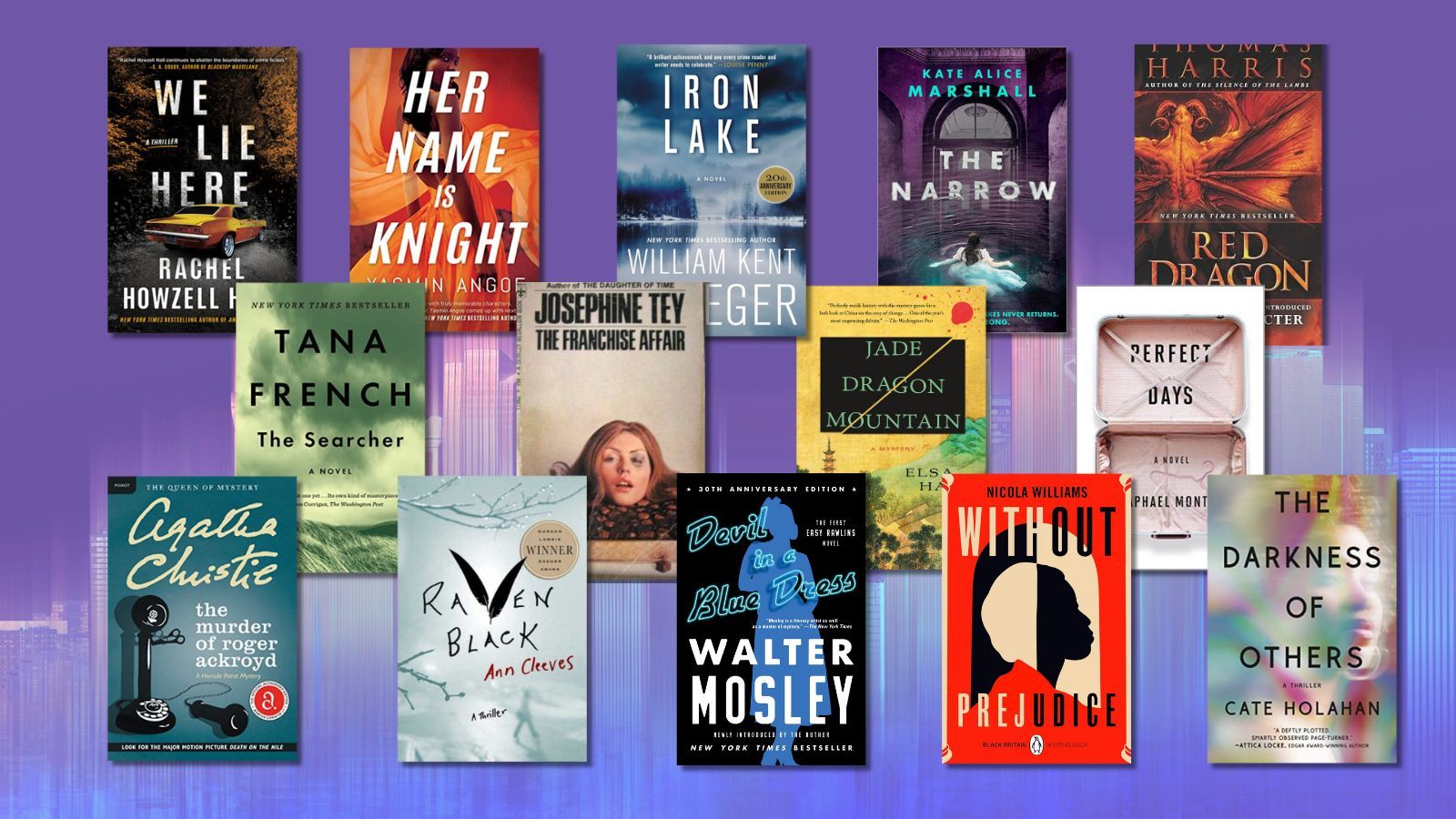
The term “classic” is often synonymous with “best,” denoting a book that has achieved lasting literary merit and cultural significance. Classics are not merely old books; they are works that continue to speak to contemporary readers, offering insights into human nature, societal structures, and universal truths. They often introduce archetypal characters, explore timeless themes such as love, loss, ambition, or redemption, and are crafted with a mastery of language that is both profound and beautiful. Whether it’s the epic journey of Odysseus in Homer’s The Odyssey, the tragic romance of Shakespeare’s Romeo and Juliet, or the satirical brilliance of Jane Austen’s Pride and Prejudice, these works set benchmarks for narrative structure, character development, and thematic depth.

Beyond the traditional classics, the realm of “best books” encompasses a wide array of genres. In fiction, masterpieces range from the intricate psychological depths of Fyodor Dostoevsky’s Crime and Punishment to the dystopian warnings of George Orwell’s 1984, and the magical realism of Gabriel García Márquez’s One Hundred Years of Solitude. These works push the boundaries of imagination and narrative technique. Non-fiction also boasts its share of “best books,” from philosophical treatises like Plato’s Republic to groundbreaking scientific explorations such as Charles Darwin’s On the Origin of Species, and powerful personal narratives like Anne Frank’s The Diary of a Young Girl. Each offers profound insights into human thought, discovery, or experience, contributing invaluable knowledge to our collective consciousness.
While classics are often time-tested, the landscape of literature is constantly evolving. What constitutes a “bestseller” today might, over time, earn its place among the “best ever written” if it maintains its relevance and impact. Similarly, new releases are constantly challenging our perceptions and offering fresh perspectives, with some immediately recognized for their exceptional quality and potential for enduring influence. Book reviews published on platforms like Lbibinders.org play a crucial role in sifting through the vast output, helping readers identify works that are truly outstanding and worthy of their time, bridging the gap between current literary achievements and the established canon. Ultimately, a book’s “best” status is often solidified by its capacity to provoke thought, evoke emotion, and leave an indelible mark on the reader’s psyche.
Visionaries Behind the Narratives: The Authors Who Defined Eras
Behind every great book stands an author – a visionary whose unique perspective, profound intellect, and mastery of craft converge to create something extraordinary. Exploring the lives and methods of these literary giants offers invaluable context to their works and deepens our appreciation for their contributions to the “best books ever written.” Understanding the authors is often key to unlocking the full potential of their narratives.
The Architect’s Vision: Decoding Authorial Style
The biographies of renowned authors often reveal the origins of their distinctive voices and the profound influences that shaped their artistic output. For instance, Virginia Woolf’s exploration of interiority and stream of consciousness was deeply intertwined with her own experiences and observations of early 20th-century society, culminating in masterpieces like Mrs Dalloway. The turbulent life and political activism of James Baldwin fueled his powerful essays and novels, addressing racial and social injustices with searing honesty in works such as Go Tell It on the Mountain. These personal histories provide a lens through which to understand the thematic concerns and stylistic choices that define their “famous works.”
An author’s writing style is their unique fingerprint on the page, distinguishing their work and often contributing significantly to a book’s “best” status. From the dense, allusive prose of James Joyce in Ulysses to the spare, resonant sentences of Ernest Hemingway in The Old Man and the Sea, style is not merely an aesthetic choice but an integral part of how meaning is conveyed. It reflects an author’s worldview, their approach to storytelling, and their relationship with language itself. Analyzing these styles allows readers to appreciate the sheer artistry involved in crafting a literary masterpiece. At Lbibinders.org, discussions often revolve around the distinctive voices that define these literary giants.
The inspirations behind an author’s work are as varied as the human experience itself. They can stem from historical events, personal tragedies, philosophical questions, scientific discoveries, or even other works of art. Gabriel García Márquez’s fascination with his grandmother’s storytelling and the vibrant folklore of his native Colombia, for example, profoundly shaped his development of magical realism, leading to works like One Hundred Years of Solitude. Similarly, Toni Morrison’s dedication to exploring the African American experience, particularly the legacy of slavery, informed her powerful narratives like Beloved, which gave voice to untold stories and redefined American literature. Understanding these inspirations enriches our reading experience, allowing us to connect with the deeper motivations and contexts embedded within the narratives. These famous works not only stand as individual achievements but also serve as cornerstones of the literary canon, influencing countless writers and thinkers who followed.
The Transformative Journey: Reading, Learning, and Personal Growth
Engaging with the best books ever written is more than just a pastime; it is a profound journey of reading and learning that fosters intellectual growth, emotional intelligence, and a deeper understanding of the human condition. These books offer rich educational value and often contain life lessons that resonate long after the final page is turned, shaping our perspectives and encouraging critical thinking.
Beyond the Narrative: Life Lessons and Educational Value
One of the most powerful aspects of literary masterpieces is their capacity to distill complex ideas and universal truths into accessible narratives. While not textbooks, many of the “best books” offer immense educational value, teaching us about history, sociology, psychology, and philosophy through compelling stories. For example, Sun Tzu’s The Art of War provides timeless strategies applicable in business and conflict, while Mary Shelley’s Frankenstein delves into the ethical implications of scientific ambition and the nature of humanity, themes that remain critically relevant today. These books invite us to engage with big questions and consider different viewpoints, expanding our intellectual horizons.
Moreover, the summaries and interpretations that emerge from studying these works often highlight their core messages and enduring themes. Yet, to truly grasp their profundity, one must read them in their entirety, allowing the nuances of character and plot to unfold. From the tragic heroism in King Lear to the moral dilemmas faced in Albert Camus’s The Stranger, these narratives provide countless life lessons. They teach us about resilience, empathy, justice, love, and the consequences of our actions. They allow us to experience vicariously a vast spectrum of human experience, helping us navigate our own lives with greater wisdom and compassion. The insights gained from literature are often more memorable and impactful than abstract principles, embedded as they are within vivid stories and relatable characters.
Cultivating strong reading habits is essential for unlocking these transformative benefits. Regularly engaging with challenging and profound literature not only improves vocabulary and comprehension but also hones critical thinking skills, encourages analytical reasoning, and fosters creativity. Platforms like Lbibinders.org champion the development of such habits by providing curated lists, insightful reviews, and a community for discussion, making it easier for readers to discover and delve into the world’s greatest books. Through consistent engagement, readers develop a richer inner life, a broader understanding of the world, and a more articulate means of expressing their own thoughts and feelings, proving that the act of reading is, indeed, a powerful engine for personal growth.
Guardians of Knowledge: Libraries and the Preservation of Literary Treasures
In the grand narrative of literary history, libraries stand as indispensable guardians of knowledge and culture. They are more than just repositories for books; they are vibrant centers that foster learning, promote literacy, and ensure the accessibility of the “best books ever written” for generations past, present, and future. Their multifaceted roles are crucial in preserving and disseminating the literary canon.
Guardians of the Written Word: The Library’s Enduring Role
Public libraries, in particular, embody the democratic ideal of access to information and culture. They provide free access to countless books, including classics and contemporary masterpieces, making literature available to everyone regardless of socioeconomic status. For many, the public library is the first gateway to discovering the works of Shakespeare, Austen, or Hemingway. These institutions also often host book clubs, author events, and educational programs, fostering a community of readers and learners. By making the “best books” freely available, public libraries play a vital role in ensuring that literary heritage remains a living, breathing part of society, continually inspiring new readers and writers.
In an increasingly digital world, digital libraries have emerged as powerful complements to their physical counterparts. Platforms like Project Gutenberg, the Internet Archive, and numerous university digital collections offer vast quantities of out-of-copyright works, including many of the “best books ever written,” in electronic formats. This accessibility breaks down geographical barriers, allowing readers from anywhere in the world to delve into ancient texts, philosophical treatises, and literary classics with just a few clicks. Digital libraries are instrumental in democratizing access to the global literary canon, ensuring that these irreplaceable works can be studied and enjoyed by a global audience. Lbibinders.org often links to these digital resources, facilitating easy access to these literary treasures.
Beyond widespread access, libraries also play a critical role in preserving the most fragile and unique elements of literary history. Rare collections housed in university libraries and national archives safeguard first editions, illuminated manuscripts, author’s annotated copies, and other historically significant artifacts. These collections are invaluable for scholars studying the evolution of texts, authorial intent, and the material culture of books. Similarly, archives preserve the correspondence, drafts, and personal papers of authors, providing intimate glimpses into their creative processes and the historical contexts in which they worked. From the Bodleian Library’s medieval manuscripts to the Library of Congress’s vast holdings, these institutions are the custodians of our collective literary memory, ensuring that the physical embodiments of the “best books ever written” endure for centuries to come, offering tangible links to the past.
Echoes Through Time: The Cultural Resonance of Masterpieces
The true measure of a “best book” lies not only in its immediate reception but also in its enduring cultural impact. These works are not isolated creations; they are integral threads in the fabric of human civilization, shaping discourse, inspiring subsequent art forms, and fostering communities of appreciation and study. Their influence reverberates through history, continually redefining our understanding of art and humanity.
From Page to Global Stage: Literature’s Cultural Footprint
The literary influence of the best books is profound and far-reaching. They establish narrative archetypes, develop new literary techniques, and introduce ideas that permeate later works. For example, Homer’s epics laid the groundwork for countless hero’s journeys, while Shakespeare’s plays continue to be a wellspring of character, plot, and language for playwrights and novelists worldwide. The philosophical insights of thinkers like Nietzsche or Sartre, often expressed in literary forms, have reshaped modern thought, impacting fields from psychology to politics. The works of authors like Virginia Woolf or James Joyce pioneered new forms of narrative, paving the way for experimental literature that followed. This ongoing dialogue between texts ensures that the “best books” remain relevant, their ideas continually reinterpreted and built upon by successive generations of creators.
Many of the most celebrated literary works eventually find new life through adaptations into other media. Film, television, theatre, and even video games often draw inspiration from the best books, bringing their stories and characters to new audiences. Adaptations of Pride and Prejudice, The Lord of the Rings, or To Kill a Mockingbird have become cultural touchstones in their own right, testament to the universal appeal and enduring power of the original narratives. While adaptations sometimes take liberties, they underscore the timelessness of the source material and its capacity to transcend its original form, reaching wider global stages and cementing its place in popular culture. These transformations introduce the core themes and characters to individuals who might not typically pick up the original novel, thereby extending the book’s cultural footprint.
The recognition of literary excellence through awards like the Nobel Prize in Literature, the Pulitzer Prize, and the Booker Prize further highlights the cultural significance of these books. While awards do not unilaterally define a “best book,” they often draw attention to works of exceptional quality, sparking global discussions and cementing an author’s place in the literary pantheon. These accolades celebrate both the artistic achievement and the cultural resonance of the works, often bringing profound stories to a global audience. Beyond formal recognition, the enduring power of these books is sustained by communities of readers. Book clubs, literary societies, academic discussions, and online forums—such as those found on Lbibinders.org—provide spaces for individuals to engage deeply with these works, sharing interpretations, debating themes, and celebrating the joy of reading. These communities ensure that the “best books” remain alive in contemporary discourse, their lessons and beauties continually discovered and cherished by new generations of enthusiastic readers.
The journey through the best books ever written is an exploration of human imagination, intellect, and emotion. It is a testament to the power of stories to inform, inspire, and transform us. From the ancient epics that shaped early civilizations to the contemporary novels that challenge our perceptions, these literary masterpieces form the bedrock of our cultural heritage. At Lbibinders.org, we invite you to embark on this endless adventure, to delve into the depths of these extraordinary works, and to discover for yourself the profound impact that the world’s greatest literature can have on your life. Join our community to explore genres, authors, and insights that illuminate the timeless magic of the written word.