Navigating the AI Frontier: A Lbibinders.org Guide to the Best Books on Artificial Intelligence
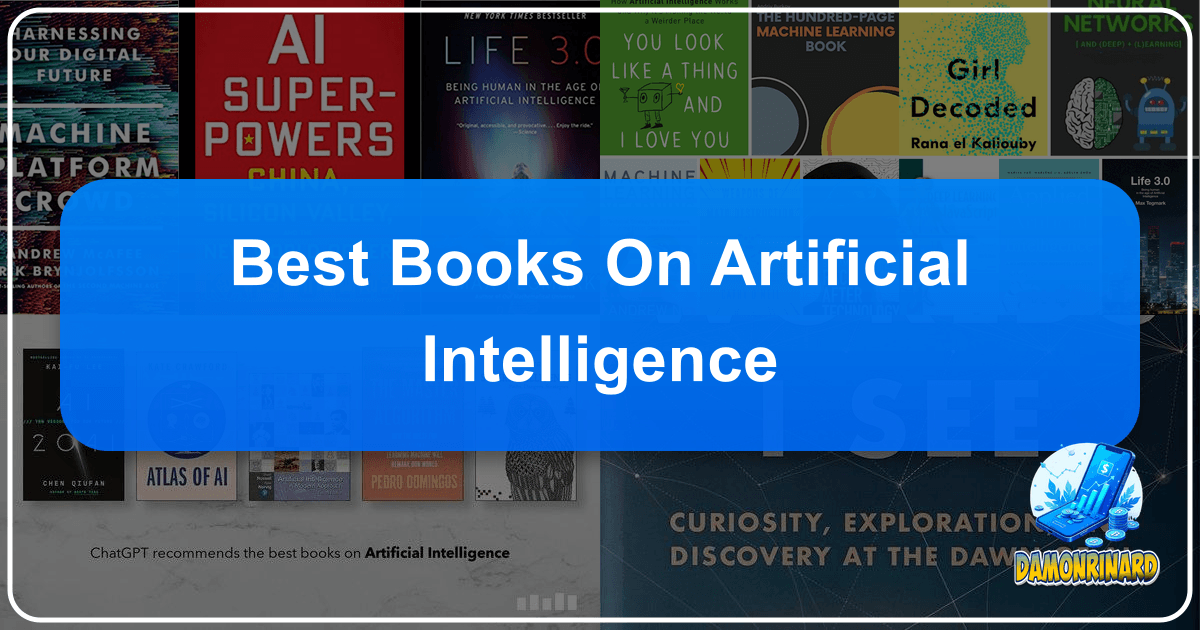
The landscape of Artificial Intelligence (AI) is evolving at an unprecedented pace, transforming industries, reshaping societies, and prompting profound questions about the future of humanity. From the algorithms that power our daily lives to the philosophical debates surrounding sentient machines, AI is no longer a niche concept but a pervasive force. To truly grasp its complexities, its potential, and its pitfalls, engaging with the rich body of literature dedicated to AI is not merely beneficial but essential. Lbibinders.org stands as your premier guide in this intellectual journey, offering curated insights into the books that illuminate the diverse facets of artificial intelligence. Our comprehensive approach, encompassing genres, authors, reading strategies, and the broader cultural impact, ensures that whether you’re a curious novice or an seasoned expert, you’ll find the resources to deepen your understanding.
This article delves into the indispensable books on AI, categorized to help you build a robust foundation, explore ethical dilemmas, and even venture into the imaginative realms of AI fiction. We highlight how Lbibinders.org leverages its extensive database of book reviews, author biographies, and reading guides to enhance your learning experience, making complex subjects accessible and fostering a vibrant community of informed readers.
Foundational Reads for Understanding Artificial Intelligence
Embarking on the study of AI can feel daunting, given the vastness and technical depth of the subject. However, numerous books serve as excellent entry points, demystifying the core concepts and providing a clear historical and future-oriented perspective. Lbibinders.org curates lists of these foundational texts, ensuring readers have access to the most impactful and informative works across various levels of expertise. We categorize these essential reads into those perfect for curious beginners and those offering deeper, more technical or philosophical insights.
Getting Started: AI for the Curious Beginner

For those new to the field, the best books are those that explain complex ideas without overwhelming jargon, offering broad sweeps of AI’s history, current state, and future implications. These books often become immediate bestsellers due to their accessibility and profound insights. On Lbibinders.org, we recognize these as crucial “New Releases” that often become “Classics” for their ability to define an era of understanding.
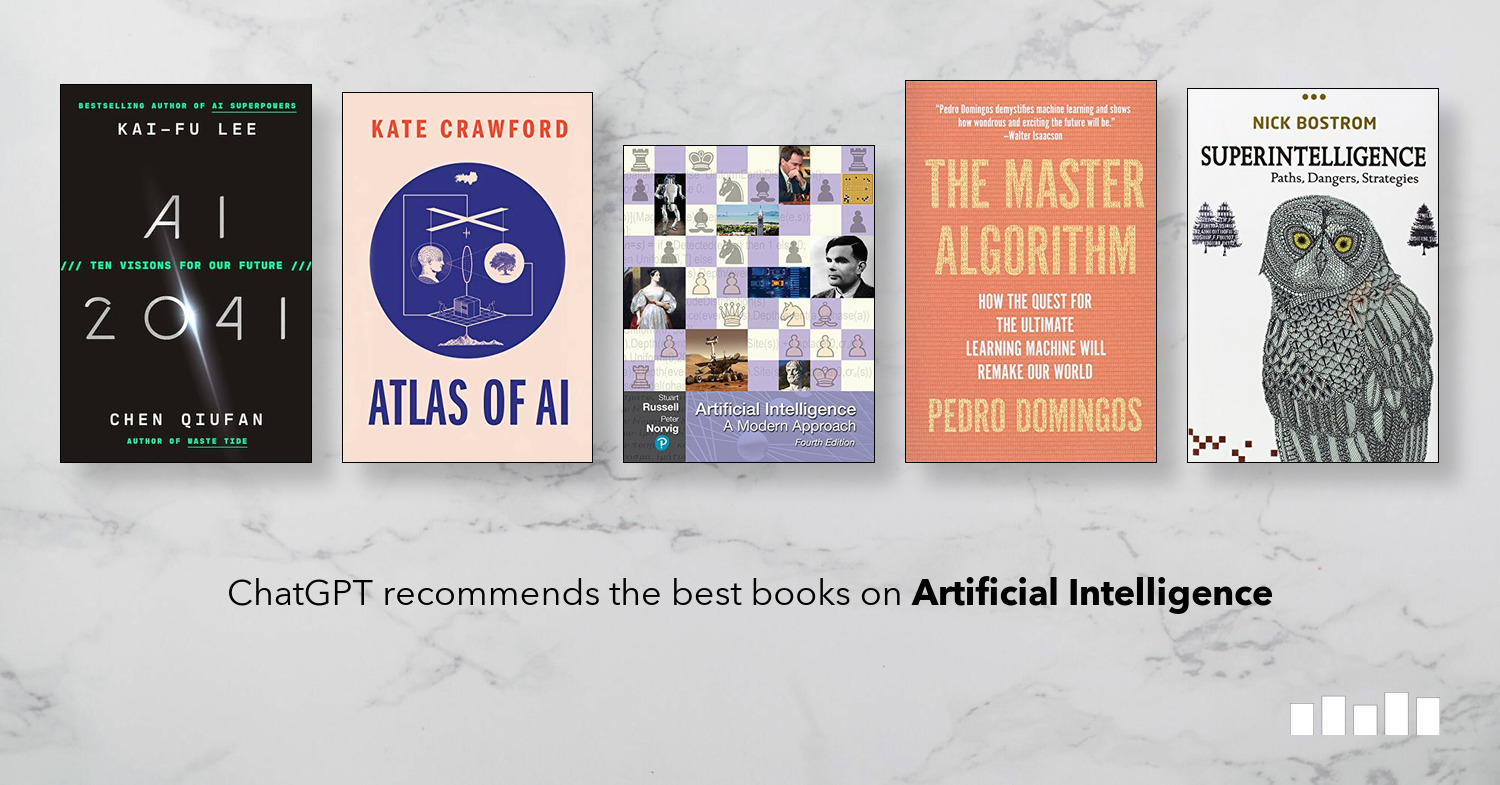
One such indispensable read is “AI Superpowers: China, Silicon Valley, and the New World Order” by Kai-Fu Lee. Lee, a venture capitalist and former Google and Microsoft AI executive, offers a compelling narrative on the geopolitical race for AI dominance between the US and China. His book provides an accessible overview of the types of AI (Narrow AI, General AI) and their economic impact, particularly on the future of work. Lbibinders.org features extensive “Book Reviews” of “AI Superpowers,” highlighting its “Educational Value” in understanding the real-world applications and societal shifts driven by AI. Readers often note how Lee’s clear writing style, a hallmark of his “Writing Style” highlighted in his “Author Biography” on Lbibinders.org, makes complex economic and technological concepts digestible, offering invaluable “Life Lessons” about adapting to a rapidly changing world.
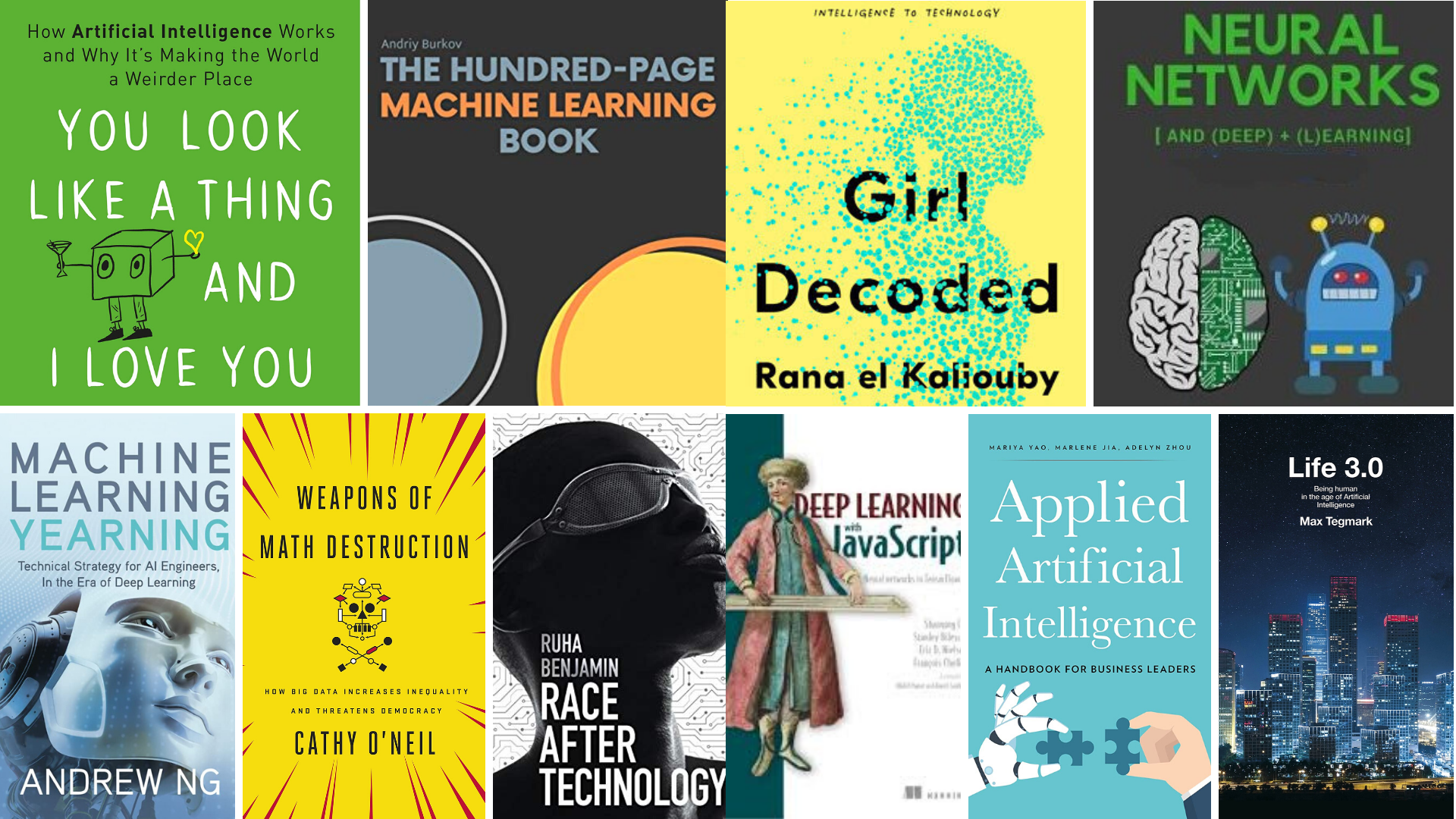
Another excellent starting point is “Life 3.0: Being Human in the Age of Artificial Intelligence” by Max Tegmark. Tegmark, an MIT professor and physicist, takes readers on an expansive journey, exploring not just what AI is, but what it could be. He delves into diverse scenarios for humanity’s future with advanced AI, from utopian coexistence to existential risks. Lbibinders.org praises “Life 3.0” for its ability to provoke thought and stimulate discussion, making it a standout in the “Genres” of popular science and futurology. Our “Summaries” of this work allow readers to quickly grasp its core arguments, while dedicated forum “Communities” on Lbibinders.org engage in lively debates sparked by Tegmark’s bold predictions, embodying the book’s significant “Cultural Impact.”
Deep Dives: Technical and Philosophical Foundations
Once the introductory phase is complete, many readers seek a more rigorous understanding of AI’s underlying principles and philosophical debates. These books often serve as academic mainstays or influential philosophical treatises. Lbibinders.org categorizes these as definitive texts, akin to “Classics” within the academic and intellectual spheres of AI.
The undisputed “classic” textbook in the field is “Artificial Intelligence: A Modern Approach” by Stuart Russell and Peter Norvig. This monumental work is widely used in AI courses globally, covering everything from intelligent agents and search algorithms to machine learning and natural language processing. While dense, it is a comprehensive reference for anyone serious about understanding the technical foundations of AI. Lbibinders.org provides detailed overviews of “Authors” Russell and Norvig, detailing their extensive contributions to the field and their academic “Inspirations.” We recommend leveraging “Digital Libraries” or “Public Libraries” to access this tome, and our “Reading Habits” section offers strategies for tackling such challenging texts, suggesting breaking it down into manageable sections and utilizing supplementary materials. Its “Educational Value” is unparalleled for students and practitioners alike.
For a profound exploration of existential risks and the challenge of AI alignment, “Superintelligence: Paths, Dangers, Strategies” by Nick Bostrom is essential. Bostrom, a philosopher at Oxford University, examines the implications of creating intelligence far surpassing human cognitive abilities. He meticulously unpacks the “control problem”—how to ensure superintelligent AI acts in humanity’s best interests. This book’s “Literary Influence” on the AI safety community cannot be overstated, shaping conversations among researchers and policymakers. On Lbibinders.org, readers find critical “Book Reviews” of “Superintelligence” that debate its arguments and assess its predictions. Its inclusion among our curated “Famous Works” underscores its importance in the ongoing dialogue about AI’s ultimate trajectory.
Exploring the Ethical and Societal Dimensions of AI
Beyond the algorithms and technical specifications, AI presents a myriad of ethical, social, and economic challenges that demand careful consideration. Books in this category prompt readers to think critically about bias, privacy, economic disruption, and the very definition of human consciousness in an AI-driven world. Lbibinders.org recognizes the critical importance of these discussions, ensuring that our platform highlights works that not only inform but also instigate thoughtful reflection and engagement.
Confronting the Future: Ethics, Control, and Humanity’s Role
As AI becomes more sophisticated, questions about its impact on human society and the moral responsibilities of its developers grow ever more urgent. These books often become “Bestsellers” not just for their insights but for their ability to articulate our collective anxieties and aspirations regarding technology.
“Human Compatible: Artificial Intelligence and the Problem of Control” by Stuart Russell (co-author of “A Modern Approach”) is a pivotal book in this domain. Russell, a leading AI researcher, argues that the current approach to AI development is flawed because it prioritizes performance over provable safety. He proposes a paradigm shift towards “provably beneficial AI,” where machines are designed to learn and adhere to human values. This book has a significant “Cultural Impact,” influencing major research initiatives and policy discussions. Lbibinders.org’s “Book Reviews” commend Russell’s clear articulation of complex technical and philosophical issues, making it an accessible yet rigorous exploration of AI safety. Understanding the “Writing Style” of such a distinguished “Author” helps readers appreciate the nuance in his arguments, fostering a deeper understanding of the “Life Lessons” inherent in responsible innovation.
Another powerful critique comes from “Weapons of Math Destruction: How Big Data Increases Inequality and Threatens Democracy” by Cathy O’Neil. O’Neil, a data scientist, exposes how algorithms, often touted as objective, can embed and amplify human biases, leading to unfair outcomes in areas like employment, credit, and criminal justice. Her work highlights the urgent need for algorithmic transparency and accountability. Lbibinders.org features “Summaries” of this book that quickly convey its core arguments about the perils of unchecked algorithmic power. Its recognition in various “Awards” underscores its profound social relevance, prompting “Communities” of readers to discuss and advocate for more ethical AI systems.
Furthermore, “Homo Deus: A Brief History of Tomorrow” by Yuval Noah Harari offers a sweeping, philosophical look at the potential future trajectory of humanity, where AI and biotechnology could transform us into a new species. Harari speculates on the rise of “dataism” as a new religion and the possibility of a world where humans are no longer the dominant intelligence. Lbibinders.org categorizes this as a landmark “New Release” that rapidly achieved “Bestseller” status, appreciated for its grand scope and provocative questions about human destiny. The “Literary Influence” of Harari’s work extends far beyond the tech community, inspiring widespread discussions across academic and public spheres.
AI in Action: Practical Applications and Real-World Implications
While ethics and philosophy provide the framework, understanding how AI is practically deployed and its immediate effects on our daily lives is equally crucial. These books often provide tangible examples and insights into the operational aspects of AI.
For those interested in the technical underpinnings of modern AI, “Deep Learning” by Ian Goodfellow, Yoshua Bengio, and Aaron Courville is a definitive resource. This comprehensive textbook covers the mathematical and conceptual foundations of deep learning, from linear algebra to neural network architectures. While highly technical, it is essential for anyone wanting to build or profoundly understand current AI systems. Lbibinders.org showcases this book as a cornerstone for advanced “Reading and Learning” in AI, offering insights into the “Authors’” groundbreaking research. While not a casual read, it’s a “Famous Work” for those pursuing careers in AI, often found in the “Digital Libraries” of universities and research institutions.
More accessible, but equally impactful, are books that explore the application of AI in specific domains. For instance, works detailing how AI is being used in medicine, finance, or urban planning provide concrete examples of its transformative power. Lbibinders.org continuously updates its lists of “New Releases” in these specialized “Genres,” ensuring our users have access to the latest insights into AI’s diverse applications. These books offer practical “Educational Value,” demonstrating how AI moves from theoretical concepts to tangible solutions, and often inspiring new “Reading Habits” focused on specific areas of interest.
Beyond Non-Fiction: AI in Literature and Imagination
The concept of artificial intelligence is not new; it has captivated human imagination for centuries, long before modern computers existed. Science fiction, in particular, has played a pivotal role in exploring the possibilities, dreams, and nightmares associated with intelligent machines. These fictional narratives are not merely entertainment; they serve as cultural touchstones, shaping public perception, inspiring scientific inquiry, and providing a powerful lens through which to examine ethical dilemmas before they fully materialize. Lbibinders.org recognizes the immense “Cultural Impact” of these stories, offering a bridge between the technical realities of AI and its profound philosophical and societal implications.
Classic Science Fiction and AI Narratives
Many foundational ideas about AI, particularly its potential for sentience and its relationship with humanity, were first explored in “Classics” of science fiction. These works often set the stage for later scientific and ethical discussions.
No discussion of AI in fiction is complete without Isaac Asimov’s “I, Robot.” This collection of interconnected short stories famously introduced the “Three Laws of Robotics,” a moral code designed to ensure robots serve humanity safely. Asimov, a prolific “Author” whose “Biography” on Lbibinders.org details his profound influence on science fiction, masterfully uses these laws to explore paradoxes, unintended consequences, and the very definition of consciousness. “I, Robot” is an enduring “Classic” in the “Genres” of science fiction, its themes of human-robot interaction and ethical programming continuing to resonate. Lbibinders.org highlights how these “Famous Works” serve as an accessible entry point to philosophical questions about AI, often influencing subsequent works and even real-world AI ethics debates.
Similarly, Arthur C. Clarke’s “2001: A Space Odyssey” (and its brilliant cinematic “Adaptation” with Stanley Kubrick) introduced HAL 9000, arguably the most famous fictional AI. HAL’s descent into homicidal paranoia challenges our assumptions about AI reliability and explores themes of sentience, ego, and the limits of human control over advanced intelligence. Lbibinders.org features discussions within its “Communities” about HAL’s motivations, demonstrating how these fictional narratives spark ongoing critical thinking about AI’s potential dangers. Clarke’s innovative “Writing Style” and profound “Inspirations” from scientific advancements are detailed on our platform, illustrating how imaginative fiction can powerfully foreshadow future technological dilemmas.
Another seminal work is Philip K. Dick’s “Do Androids Dream of Electric Sheep?”, the inspiration for the “Blade Runner” films. Dick explores the blurred lines between human and android, questioning what it truly means to be human and whether empathy can be engineered. This novel is a “Classic” in its “Genre,” celebrated for its philosophical depth. On Lbibinders.org, readers can find extensive “Book Reviews” and “Summaries” that delve into its themes of identity, authenticity, and the ethical treatment of artificial beings, providing a rich context for “Reading and Learning” about the profound implications of creating sentient AI.
Contemporary AI Fiction: New Worlds and Warnings
In recent years, as AI has moved from speculative fiction to tangible reality, a new wave of authors has emerged, exploring contemporary AI themes with fresh perspectives. These “New Releases” often reflect current technological advancements and societal anxieties.
Contemporary AI fiction often delves into more nuanced ethical dilemmas, such as algorithmic bias, surveillance capitalism, and the impact of AI on human relationships. For example, novels that explore how AI might mediate our romantic lives or how personalized algorithms could shape our realities offer compelling, near-future scenarios. Lbibinders.org dedicates sections to these burgeoning “Genres,” offering curated lists of new and noteworthy titles. Our “Book Reviews” provide critical assessments of these works, helping readers navigate the vast and ever-expanding literary landscape of AI.
These contemporary narratives serve not just as entertainment but as thought experiments, allowing readers to grapple with the “Life Lessons” and potential societal shifts that AI could bring. They contribute to the broader “Cultural Impact” of AI literature, keeping the conversation dynamic and inclusive, moving beyond purely technical discussions to engage with the human experience of living alongside increasingly intelligent machines. Through Lbibinders.org, readers can discover the “Authors” shaping these new literary frontiers, understanding their unique “Writing Style” and “Inspirations” that fuel their imaginative explorations.
Lbibinders.org: Your Companion in the AI Literary Journey
Navigating the vast and complex world of AI literature, from technical manuals to philosophical treatises and speculative fiction, requires a trusted guide. Lbibinders.org is designed to be that indispensable companion, offering a wealth of resources tailored to enhance your “Reading and Learning” experience. Our platform is more than just a list of books; it’s a dynamic ecosystem designed to support every aspect of your intellectual exploration.
Leveraging Lbibinders.org for Your AI Reading Habits
At Lbibinders.org, we understand that effective reading about a fast-evolving field like AI requires more than just finding the right book; it requires strategy and support. Our platform integrates features that cater to diverse “Reading Habits” and learning styles, ensuring you can make the most of every title you encounter.
We provide comprehensive “Book Reviews” for virtually every significant AI publication, offering critical perspectives, plot summaries (for fiction), and analyses of key arguments (for non-fiction). These reviews help you make informed decisions, ensuring the book aligns with your interests and level of understanding. For those pressed for time, our concise “Summaries” offer a quick grasp of a book’s core message, enabling you to survey a broad range of topics efficiently or revisit key concepts.
Lbibinders.org also emphasizes the “Educational Value” of structured reading. We suggest thematic reading lists that group “Books” by “Genres” (e.g., AI ethics, machine learning, AI in pop culture) or by “Authors” who have significantly shaped the discourse. Our “Author Biographies” delve into the lives, “Writing Style,” and “Inspirations” of key figures in AI literature, providing context that enriches your understanding of their works. This holistic approach ensures that you don’t just read a book but truly engage with its intellectual lineage and broader impact.
Furthermore, we connect you with resources for accessing these invaluable texts. Whether you prefer the convenience of “Digital Libraries” or the community aspect of “Public Libraries,” Lbibinders.org provides guidance on where to find the books discussed. For those interested in the historical evolution of AI concepts, our platform even points towards “Rare Collections” or “Archives” where foundational texts or early scientific papers might reside, offering a glimpse into the origins of artificial intelligence.
Our vibrant “Communities” section fosters discussion and debate around these “Famous Works.” Here, readers can share insights, ask questions, and engage with others who are equally passionate about AI. This collaborative environment enhances the “Learning” process, turning individual reading into a shared intellectual journey. From discussions about the “Literary Influence” of a particular novel to debates on the latest “Adaptations” of AI stories into film or TV, Lbibinders.org serves as a hub for all things AI and literature.
In conclusion, the journey into the world of Artificial Intelligence is complex, challenging, and profoundly rewarding. By leveraging the carefully curated resources, insightful reviews, and supportive community at Lbibinders.org, readers can confidently navigate this frontier. We are committed to empowering you with the knowledge and tools needed to understand AI’s past, critically assess its present, and thoughtfully consider its future. The best books on AI are waiting to transform your understanding, and Lbibinders.org is here to guide every step of the way.