The Best Children's Books: A Gateway to Imagination and Lifelong Learning
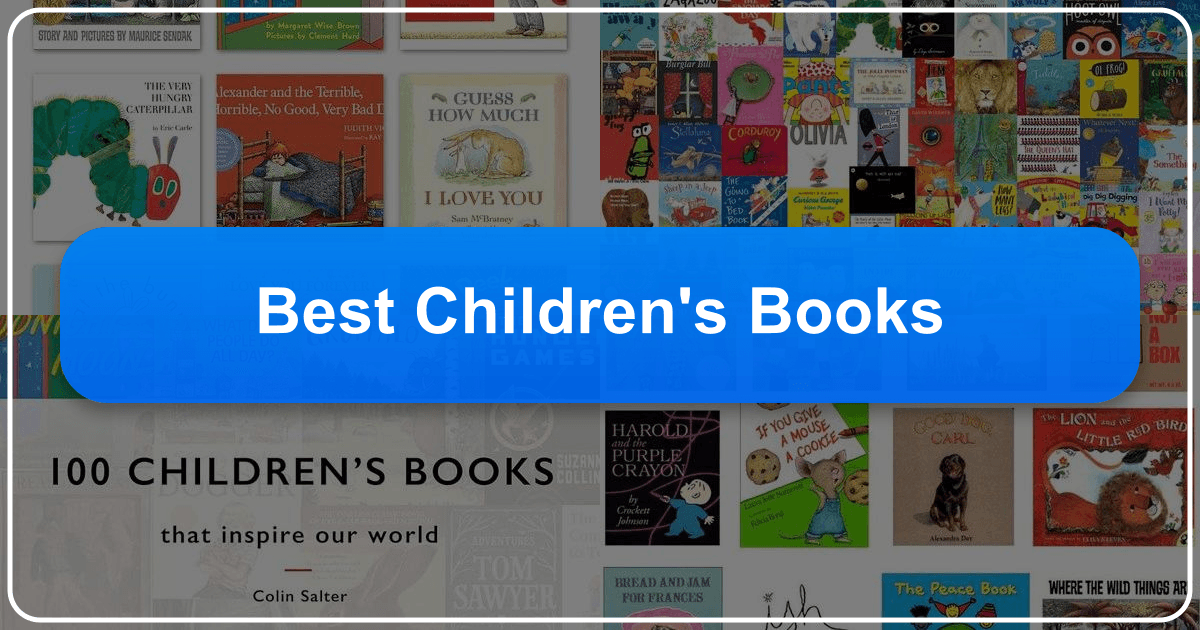
Children’s literature is far more than just stories; it is a foundational pillar in the development of young minds, shaping their understanding of the world, fostering empathy, and igniting a lifelong love for reading. The best children’s books are carefully crafted portals to new experiences, diverse perspectives, and invaluable life lessons. They entertain, educate, and inspire, leaving an indelible mark on their readers. At Lbibinders.org, we believe in celebrating the magic of these literary treasures and providing a comprehensive resource for parents, educators, and young readers to explore the rich tapestry of children’s literature. From timeless classics to groundbreaking new releases, understanding the landscape of children’s books is key to nurturing curiosity and intellectual growth.

This article delves into the multifaceted world of children’s books, exploring their various genres, the brilliant authors who create them, their profound impact on learning, the crucial role of libraries, and their enduring cultural significance. We aim to guide you through the journey of discovering and appreciating the best children’s books, offering insights and recommendations that will enrich the reading experiences of children everywhere.
Navigating the Diverse World of Children’s Literature
The realm of children’s books is incredibly vast and varied, designed to cater to different age groups, developmental stages, and interests. Understanding these categories is the first step in selecting books that will resonate most effectively with young readers. Lbibinders.org provides detailed classifications and reviews to help families and educators make informed choices, ensuring that every child finds a book that speaks to their heart and mind.
From Picture Books to Young Adult: A Genre Spectrum
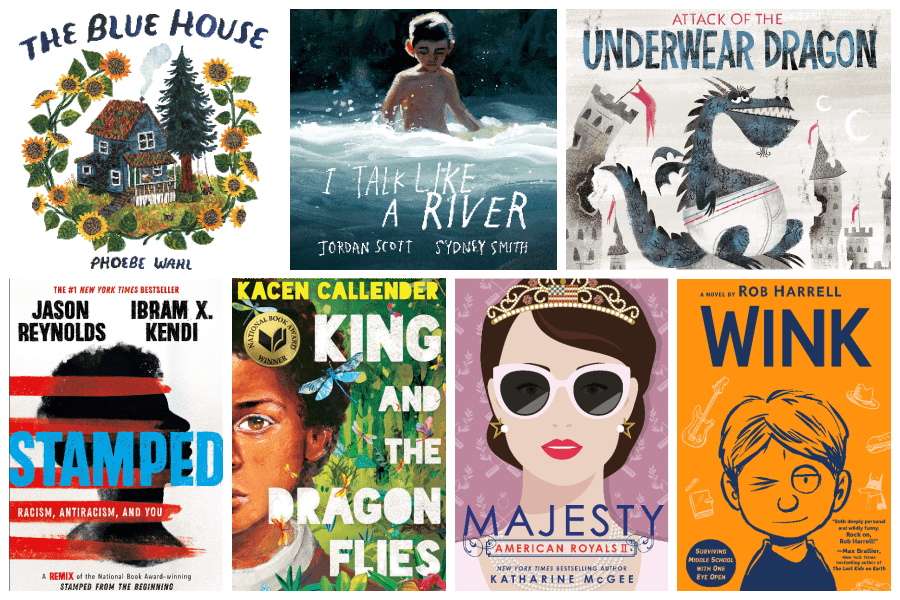
The journey through children’s literature often begins before a child can even read, with picture books. These vibrant narratives, characterized by their beautiful illustrations and often simple, rhyming text, are crucial for early literacy development. They introduce children to storytelling, character recognition, and the fundamental concept of a book. Picture books like Eric Carle’s The Very Hungry Caterpillar or Maurice Sendak’s Where the Wild Things Are are masterpieces that teach concepts, emotions, and the power of imagination. They are designed not just for children, but also for shared reading experiences, fostering a bond between reader and listener. Lbibinders.org features extensive reviews and lists of recommended picture books, highlighting those that excel in both artistic merit and narrative depth.
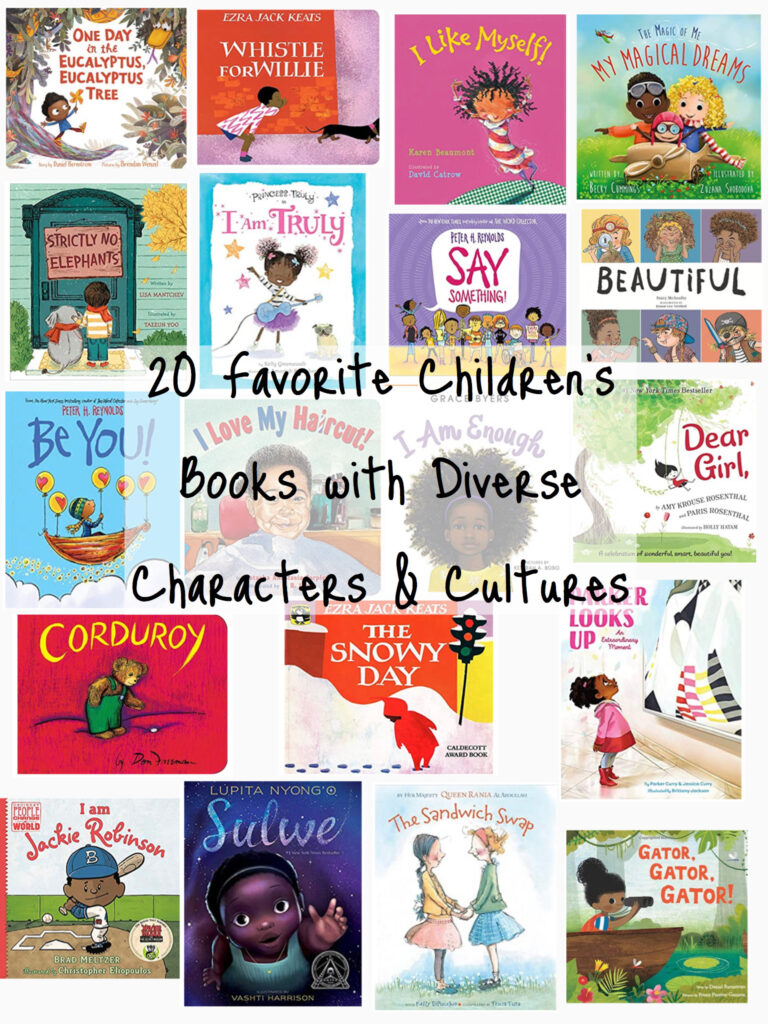
As children grow, they transition to early readers, which bridge the gap between picture books and chapter books. These books employ controlled vocabulary, larger fonts, and simpler sentence structures to build confidence in emerging readers. Series such as Frog and Toad by Arnold Lobel are perfect examples, offering engaging stories while systematically enhancing reading skills. The goal here is to make reading an enjoyable and achievable activity, setting the stage for more complex narratives.
Middle grade books cater to readers typically aged 8-12, a pivotal period of development where children are expanding their intellectual and emotional horizons. This genre features more intricate plots, deeper character development, and explores a wider range of themes, from adventure and fantasy to realistic fiction and historical events. Books like R.J. Palacio’s Wonder, Rick Riordan’s Percy Jackson & The Olympians series, or E.B. White’s Charlotte’s Web resonate deeply with this age group, tackling issues of friendship, identity, bravery, and belonging. Middle grade literature often introduces complex moral dilemmas and encourages critical thinking, making them invaluable for social-emotional learning. Lbibinders.org provides comprehensive guides to middle grade fiction, helping readers discover stories that challenge and inspire.
Finally, young adult (YA) fiction addresses teenagers, typically aged 12-18, dealing with more mature themes such as first love, self-discovery, social justice, mental health, and navigating complex family dynamics. YA literature often features protagonists grappling with significant life changes and decisions, offering relatable experiences and powerful insights. Titles like Angie Thomas’s The Hate U Give or John Green’s The Fault in Our Stars exemplify the genre’s capacity to engage young adults in thought-provoking narratives that mirror their own lives and the world around them. Lbibinders.org acknowledges the importance of YA literature in guiding adolescents through crucial developmental stages, offering resources that highlight impactful and relevant stories.
The Enduring Charm of Classics and the Buzz of Bestsellers
Within these genres, two distinct categories often stand out: classic children’s books and contemporary bestsellers/new releases. Classic children’s books, such as Lewis Carroll’s Alice’s Adventures in Wonderland, Frances Hodgson Burnett’s The Secret Garden, or C.S. Lewis’s The Chronicles of Narnia, have stood the test of time for a reason. Their themes of imagination, courage, loyalty, and the triumph of good over evil are universal and timeless. These books often possess profound literary merit, enriching vocabulary and exposing children to enduring storytelling traditions. They are touchstones that connect generations, often read aloud by parents who cherished them in their own youth. Lbibinders.org maintains curated lists of essential children’s classics, providing historical context and analysis of their lasting appeal.
Conversely, bestsellers and new releases are vital for keeping children’s literature dynamic and relevant. These books often reflect current societal issues, technological advancements, and evolving cultural sensibilities. They introduce fresh voices, diverse perspectives, and innovative storytelling techniques. While classics offer stability, new releases provide excitement and a sense of immediacy, often sparking widespread discussion and enthusiasm among young readers. Staying abreast of these new titles ensures that children have access to stories that directly address their contemporary experiences. Lbibinders.org diligently tracks new releases and identifies bestsellers, offering timely book reviews that help readers navigate the ever-expanding market and discover the next beloved story. Our reviews provide critical insights into plot, character development, themes, and suitability for various age groups, serving as an invaluable resource for anyone seeking quality children’s literature.
The Minds Behind the Magic: Celebrating Authors and Their Craft
Behind every beloved children’s book is an author (and often an illustrator) whose imagination, life experiences, and dedication bring stories to life. Understanding the creators of these literary works adds another layer of appreciation for their artistry and impact. At Lbibinders.org, we believe in celebrating these individuals, recognizing that their unique perspectives are what make children’s literature so rich and diverse.
Unveiling the Creators: Biographies and Inspirations
Exploring the biographies of children’s authors often reveals fascinating insights into their creative process and the genesis of their most famous works. For instance, Beatrix Potter’s love for the English countryside and her precise scientific observations of nature directly informed her meticulously illustrated tales of Peter Rabbit. Similarly, Roald Dahl’s own experiences as a pilot, a spy, and a parent heavily influenced his whimsical yet often darkly humorous narratives. Knowing the author’s background can help readers connect more deeply with their stories, understanding the real-world inspirations that fuel fantastical journeys or heartfelt character arcs. Lbibinders.org features comprehensive author profiles, offering readers a glimpse into the lives, influences, and personal philosophies of the literary giants and emerging talents within children’s literature. These profiles detail not only their achievements but also the personal journeys that shaped their storytelling, providing context that enriches the reading experience.
Moreover, many authors are inspired by their own childhoods, their children, or specific moments of wonder or challenge. For instance, Dr. Seuss (Theodor Geisel) was driven by a desire to make reading fun and accessible for children, particularly in response to perceived dullness in early readers of his time. His innovative use of rhythm and rhyme became his hallmark, a direct result of his passion for engaging young minds. Understanding these motivations can illuminate the deeper meanings embedded within their narratives and foster a greater appreciation for their contributions to literacy.
Crafting Worlds: Writing Style and Literary Influence
The writing style of a children’s author is as unique as their fingerprint. Some authors, like E.B. White, are renowned for their elegant prose and gentle humor, crafting stories that are both sophisticated and accessible. Others, like Dav Pilkey (creator of Captain Underpants), employ a more irreverent, fast-paced style with comic book elements, appealing directly to the energetic and sometimes mischievous spirit of their target audience. The choice of language, narrative voice, and structural techniques all contribute to the distinctiveness of an author’s work and their ability to connect with young readers. Analyzing these styles helps children develop their own critical faculties and appreciate the nuances of literary expression.
Furthermore, authors do not write in a vacuum; they are part of a continuous literary dialogue. Many are influenced by the stories they grew up with, the works of their contemporaries, or even ancient myths and folklore. This literary influence creates a rich intertextual web within children’s literature. For example, many modern fantasy novels for young readers draw heavily from the foundational archetypes and world-building techniques established by J.R.R. Tolkien or C.S. Lewis. Authors also contribute to this ongoing dialogue, shaping future generations of writers and readers. Their famous works become benchmarks against which new stories are measured, influencing genres, character types, and thematic explorations. Lbibinders.org provides analysis of these stylistic elements and literary connections, demonstrating how individual authors contribute to the broader legacy of children’s literature and inspire new waves of creativity.
Beyond the Story: Reading for Learning and Life
The value of children’s books extends far beyond simple entertainment. They are powerful tools for cognitive, emotional, and social development, offering myriad opportunities for learning and personal growth. Engaging with the best children’s books can instill crucial life lessons, enhance educational outcomes, and cultivate positive reading habits that last a lifetime. Lbibinders.org is committed to highlighting the profound impact these books have on a child’s overall development.
The Educational Heart of Children’s Books
Children’s books are a primary vehicle for educational value, often serving as a child’s first classroom. They introduce new vocabulary, enhancing language development and communication skills. Through stories, children learn about different cultures, historical periods, scientific concepts, and social dynamics. A picture book about the water cycle or a middle-grade novel set during World War II can make abstract concepts tangible and engaging. By exposing children to diverse characters and situations, books broaden their understanding of the world and their place within it. Summaries available on Lbibinders.org can help parents and educators quickly identify books that align with specific learning objectives, providing a snapshot of a book’s content and its potential educational benefits.
Beyond factual knowledge, books foster critical thinking and problem-solving skills. Characters in stories often face challenges and must make decisions, allowing young readers to vicariously explore consequences and solutions. They learn empathy by stepping into the shoes of characters from different backgrounds and experiences, understanding emotions, motivations, and the complexities of human relationships. A child reading a book about a character struggling with shyness might better understand a classmate facing similar challenges. These experiences are invaluable for developing emotional intelligence and social awareness.
Cultivating Lifelong Readers and Essential Habits
The primary goal of children’s literature is not just to teach, but to foster a love of reading itself, thereby cultivating strong reading habits. When reading is perceived as an enjoyable activity rather than a chore, children are more likely to seek out books independently and become lifelong learners. Parents and educators play a crucial role in this by creating a positive reading environment. Reading aloud together, even for older children, strengthens bonds and demonstrates the pleasure of storytelling. Establishing a regular reading time, visiting libraries, and allowing children to choose their own books are all strategies that encourage engagement.
Children’s books are rich with life lessons, teaching values such as kindness, perseverance, honesty, and forgiveness. They explore themes of loss, courage, friendship, and the importance of individuality in ways that are accessible and meaningful to young minds. For example, The Little Engine That Could teaches resilience, while Stone Soup highlights the power of community. These moral lessons are often subtly woven into the narrative, allowing children to discover them organically and integrate them into their own ethical frameworks. Lbibinders.org provides resources that explore these life lessons, offering discussion prompts and activities that can help deepen a child’s understanding and application of these timeless values, ultimately transforming passive reading into active learning and personal growth.
The Pillars of Knowledge: Libraries and Cultural Impact
The ecosystem of children’s literature is sustained and enriched by vital institutions like libraries and through its profound cultural impact, which extends beyond the pages of a single book. Libraries serve as accessible hubs for discovery, while the broader cultural influence of children’s books shapes generations, communities, and artistic expressions. Lbibinders.org recognizes the indispensable roles these elements play in promoting literacy and celebrating the power of storytelling.
Libraries: Gateways to Literary Worlds
Public libraries stand as cornerstones of communities, providing universal access to children’s books regardless of socioeconomic status. They are vibrant spaces where children can explore vast collections, attend story times, participate in reading programs, and engage in educational activities. For many families, libraries are the primary source of new books, offering an endless supply of stories without cost. The passionate librarians who staff these institutions are invaluable guides, adept at recommending titles tailored to a child’s interests and reading level, fostering a personalized journey of discovery.
In an increasingly digital world, digital libraries and online resources complement traditional libraries by offering extensive collections of e-books and audiobooks, making literature more accessible than ever before. This is particularly beneficial for children in remote areas or those with specific learning needs. Lbibinders.org collaborates with and highlights these digital resources, ensuring that the best children’s books are within reach for all. Beyond contemporary titles, libraries and academic institutions also house rare collections and archives of children’s literature. These specialized collections preserve historical children’s books, original manuscripts, and illustrations, offering invaluable insights into the evolution of children’s publishing and the cultural contexts in which these stories emerged. These archives are crucial for researchers, historians, and anyone interested in the rich heritage of children’s literature.
Shaping Culture: Influence, Adaptations, and Awards
The cultural impact of the best children’s books is immense and far-reaching. They not only influence individual readers but also shape broader societal narratives, values, and even popular culture. Classic stories often become part of our collective consciousness, referenced in everyday language and art. The literary influence of these works can be seen in subsequent generations of authors, who draw inspiration, themes, and stylistic elements from their predecessors, creating a continuous thread of storytelling innovation.
A testament to their enduring appeal, many beloved children’s books undergo various adaptations into other media. Film adaptations like Harry Potter, Matilda, or Paddington, television series, stage plays, and even video games bring these stories to new audiences and give them new life. These adaptations often introduce characters and narratives to children who might not otherwise encounter the original books, further cementing their place in popular culture. While adaptations can vary in their faithfulness to the source material, they undeniably broaden the reach and impact of children’s literature.
Prestigious awards play a crucial role in identifying and celebrating excellence in children’s literature. Awards such as the Newbery Medal (for distinguished contribution to American literature for children) and the Caldecott Medal (for the most distinguished American picture book for children) not only recognize exceptional authors and illustrators but also guide parents, educators, and librarians toward high-quality books. Other significant awards, both national and international, serve a similar purpose, shining a spotlight on books that innovate, inspire, and profoundly impact their readers. Lbibinders.org features comprehensive lists of award-winning books, recognizing their importance as benchmarks of literary achievement.
Furthermore, children’s books foster vibrant communities of readers, educators, and creators. Book clubs for children, online forums, author visits, and literary festivals create spaces for engagement, discussion, and shared passion for stories. These communities not only promote reading but also provide platforms for children to express their thoughts, develop critical perspectives, and connect with peers who share similar interests. Lbibinders.org serves as a hub for such engagement, facilitating connections within the children’s literature community and providing a space for readers to discover, discuss, and celebrate the books that shape young lives.
In conclusion, the best children’s books are indispensable treasures that contribute immeasurably to the development of young minds. They are gateways to imagination, learning, and empathy, shaped by brilliant authors and supported by vital institutions like libraries. Their cultural impact resonates through generations, influencing society and enriching lives. Lbibinders.org is dedicated to being your premier resource for exploring this captivating world, offering insights, reviews, and recommendations to help every child embark on their own extraordinary literary journey. We invite you to explore our extensive collections and join us in celebrating the magic of children’s literature.