The Enduring Legacy: Exploring the World of Best Ever Selling Books

When we talk about “best ever selling books,” we’re delving into a fascinating world of literature that has captivated billions across generations. These aren’t just books; they are cultural phenomena, historical documents, and profound sources of entertainment and wisdom. They have shaped societies, inspired movements, and offered solace and escape to countless readers. Understanding their impact involves examining not only the staggering number of copies sold but also their genres, the authors who penned them, the life lessons they impart, their presence in libraries, and their immense cultural influence. At Lbibinders.org, we explore these dimensions, celebrating the power of the written word and its profound effect on humanity.
The criteria for “best selling” can sometimes be debated, as exact figures for ancient texts are often estimates. However, there are several titles that consistently appear at the top of any such list, representing diverse genres, eras, and cultural contexts. These books serve as pillars in the global library, from digital collections to rare archives, and continue to inspire new releases and critical book reviews.

Charting the Literary Landscape: Iconic Bestsellers Across Eras
The journey through the best-selling books of all time is a tour through human history, showcasing the evolution of storytelling and the enduring power of narrative. From ancient scriptures to contemporary blockbusters, these books offer insights into the human condition, our aspirations, and our struggles. Lbibinders.org recognizes the significance of these works in shaping reading habits and contributing to our collective literary heritage.
Ancient Wisdom and Foundational Narratives: The Bible and Don Quixote
Undoubtedly, The Bible stands as the best-selling book of all time, with estimated sales ranging from 5 to 7 billion copies. Its influence spans across religions, cultures, and legal systems, making it a unique entry in the literary canon. As a collection of sacred texts holding immense significance for Christians and Jews, it contains narratives, laws, prophecies, and poetry that have been translated into thousands of languages. Its universal themes of faith, morality, redemption, and human struggle resonate deeply, providing educational value and life lessons that have guided generations. Libraries, both public and digital, house countless editions of the Bible, from rare, illuminated manuscripts in archives to accessible digital copies, cementing its status as a cornerstone of human thought and a constant subject of book reviews and scholarly analysis. Its literary influence is immeasurable, evident in countless adaptations, allusions, and the very fabric of Western literature and art.
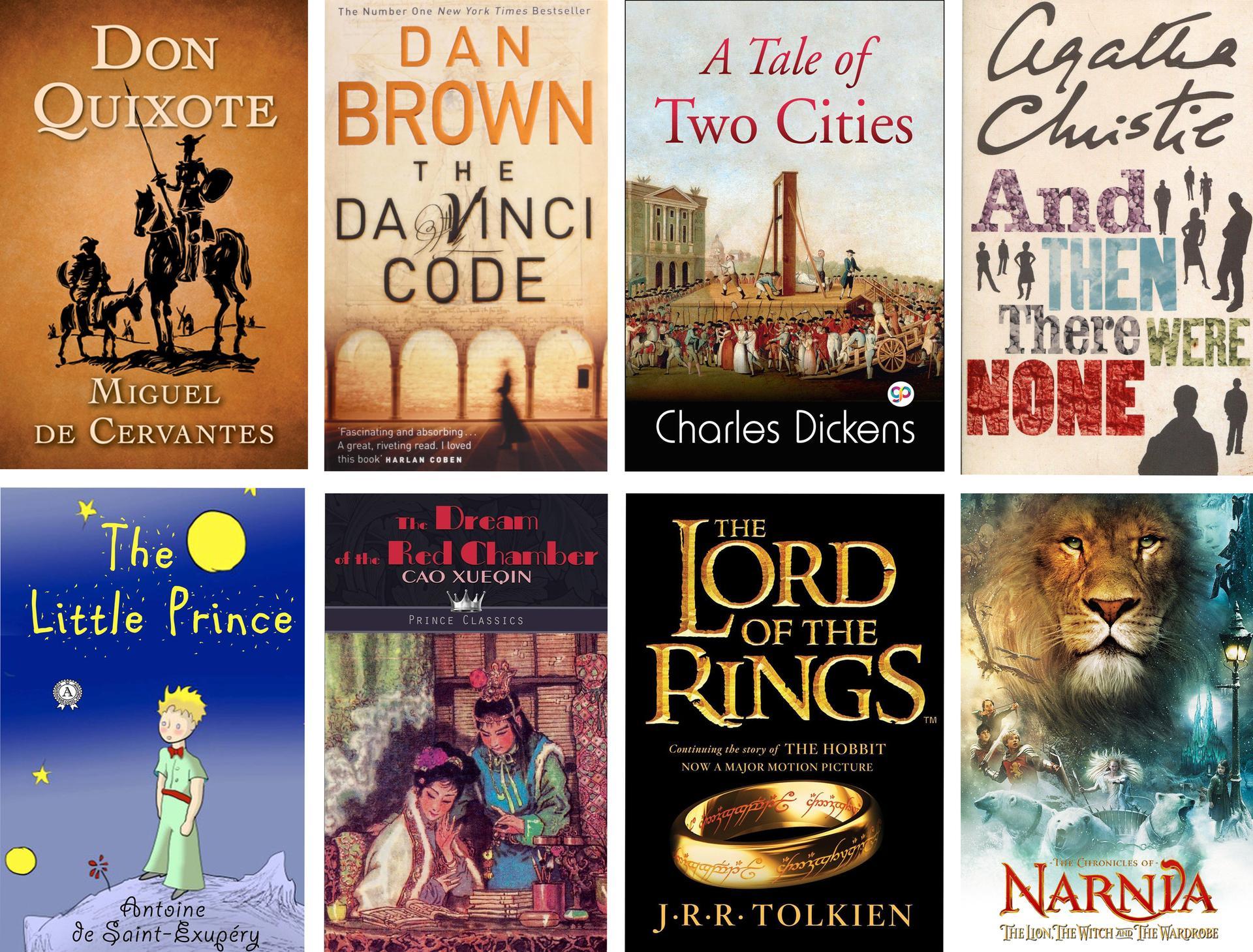
Moving from sacred text to secular masterpiece, Don Quixote by Miguel de Cervantes is often cited as the first modern novel and has sold an estimated 500 million copies. Published in two parts in 1605 and 1615, this Spanish masterpiece tells the story of an aging nobleman who reads so many chivalric romances that he decides to become a knight-errant himself. Cervantes, an author whose own biography is filled with adventure and hardship, infused the novel with a unique blend of satire, idealism, and poignant reality. His writing style, revolutionary for its time, pioneered techniques like meta-fiction and unreliable narration. Don Quixote is a profound exploration of idealism, madness, and the human condition, making it a timeless work that continues to inspire. Its educational value lies in its nuanced portrayal of reality versus illusion, and the complex interplay of honor and practicality. Libraries worldwide treasure this classic, often featuring it in discussions on literary influence and the evolution of the novel. It represents a foundational text that all aspiring authors and avid readers can draw inspiration from, a testament to the power of a truly famous work.
Literary Giants and Enduring Tales: From Dickens to Tolkien
The 19th and 20th centuries brought forth a new wave of literary giants whose works captured the imagination of millions and became enduring classics. These authors, with their distinctive writing styles and powerful storytelling, cemented their place in literary history and continue to influence new releases.
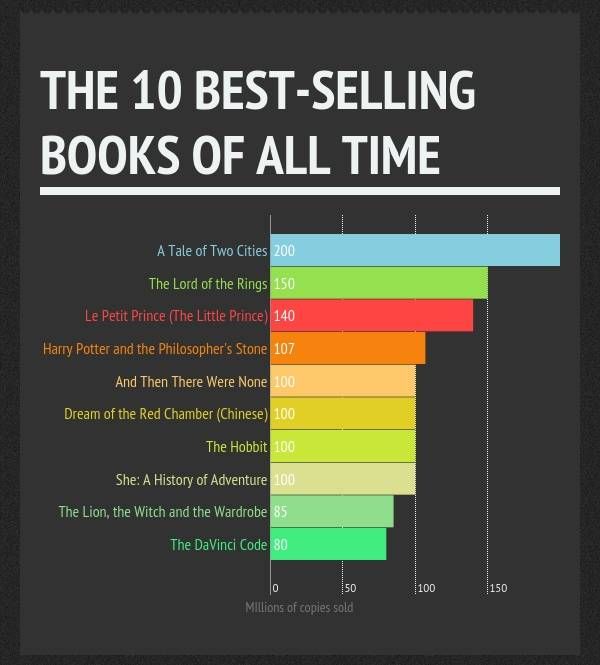
A Tale of Two Cities by Charles Dickens, with an estimated 200 million copies sold, is one of Dickens’s most famous works. Published in 1859, this historical novel set during the French Revolution portrays the brutality of the revolution and the personal sacrifices made in its name. Dickens’s writing style, known for its vivid characterizations, intricate plots, and social commentary, brings to life the stark contrasts between London and Paris. The novel’s powerful narrative, memorable characters like Sydney Carton, and enduring themes of sacrifice, resurrection, and the human capacity for both cruelty and compassion have cemented its place as a literary classic. It offers profound life lessons about justice, redemption, and the cyclical nature of history. Public and digital libraries consistently feature this work, and it remains a staple in educational curricula, inspiring book reviews and critical essays for generations. Its literary influence is vast, having shaped historical fiction and the very concept of the “social novel.”
The Lord of the Rings by J.R.R. Tolkien, selling over 150 million copies, created an entire genre of high fantasy. Originally published in three volumes in the mid-1950s, Tolkien’s intricate world-building, rich mythology (rooted in his deep linguistic and academic background), and timeless struggle between good and evil have inspired generations of readers and countless subsequent fantasy works. The author’s unique writing style, characterized by detailed descriptions and epic scope, transports readers to Middle-earth, a world brimming with complex characters and a profound sense of history. Its themes of friendship, heroism, corruption, and the courage of the ordinary individual offer deep educational value and numerous life lessons. The success of its highly acclaimed film adaptations further boosted its popularity, introducing it to new audiences and expanding its cultural impact through communities of fans worldwide. Libraries often have special collections dedicated to Tolkien, recognizing his seminal contribution to fantasy and his enduring appeal.
The Little Prince by Antoine de Saint-Exupéry is a philosophical novella, first published in 1943, that has sold over 140 million copies worldwide and been translated into more than 300 languages. Ostensibly a children’s book, it’s a poignant allegory about loneliness, friendship, love, and loss, exploring profound insights into human nature and society. Saint-Exupéry, an aviator whose life experiences deeply informed his inspirations, crafted a simple yet profound narrative that appeals to all ages. The book’s unique illustrations, often drawn by the author himself, are integral to its charm and message. Its educational value is immense, encouraging readers to see with their hearts and question societal norms. It’s a perennial favorite in book reviews and reading lists, admired for its poetic writing style and universal life lessons. Its pervasive presence in digital libraries and public libraries ensures its message of essential truths remains accessible.
Modern Phenomenon: Shaping Generations with Fantasy and Contemporary Fiction
The late 20th and early 21st centuries have witnessed new titans emerge, showcasing how contemporary fiction can achieve monumental success and cultural impact, often amplified by multimedia adaptations and global communities.
The Harry Potter series by J.K. Rowling, with combined sales exceeding 500 million copies, redefined young adult fantasy literature. Starting with Harry Potter and the Philosopher’s Stone (or Sorcerer’s Stone in the US) in 1997, Rowling created a magical world that captivated children and adults alike. Her writing style, which masterfully balances humor, suspense, and emotional depth, made the series accessible yet profound. Its themes of friendship, courage, love, loss, and the fight against evil have resonated globally, leading to unprecedented cultural impact. The success extended to highly successful film adaptations, theme parks, and merchandise, fostering massive reading communities. The series offers invaluable life lessons on empathy, resilience, and standing up for what’s right. As new releases, these books were immediate bestsellers, quickly becoming modern classics that are staples in public and digital libraries, subject to countless book reviews and academic studies exploring their literary influence and educational value. J.K. Rowling’s own biography, a rags-to-riches story, adds another layer of inspiration to her famous works.
The Alchemist by Paulo Coelho, published in 1988, has sold over 100 million copies and been translated into more than 80 languages. It tells the story of a young shepherd who journeys from Spain to the Egyptian desert in search of treasure. It’s an allegorical tale about discovering one’s destiny and listening to the “Soul of the World,” filled with inspiring messages about pursuing dreams and finding meaning in life. Coelho’s simple, fable-like writing style makes profound philosophical concepts accessible, offering powerful life lessons about courage, perseverance, and trusting one’s intuition. Its inspirational value has cemented its place on countless reading lists and in personal development sections of libraries. Its global reach underscores the power of universal themes to transcend cultural boundaries.
Anne of Green Gables by L.M. Montgomery, selling over 50 million copies since its publication in 1908, is a beloved Canadian novel that tells the story of Anne Shirley, an imaginative and spirited orphan girl who is mistakenly sent to live with an elderly brother and sister on Prince Edward Island. Montgomery’s charming writing style captures Anne’s vibrant inner world and the beauty of the natural landscape. It’s a heartwarming tale about finding belonging, the power of imagination, and the simple joys of life, cherished by readers for generations. Anne’s story provides timeless life lessons about acceptance, friendship, and the importance of individuality. This classic continues to be a favorite in public and digital libraries, lauded in book reviews for its enduring charm and positive message, and its literary influence on children’s and young adult literature is undeniable.
Other notable bestsellers that have left a significant mark include The Da Vinci Code by Dan Brown, with over 80 million copies sold, a modern thriller known for its fast pace and controversial themes; the Twilight series by Stephenie Meyer, over 160 million copies, a hugely popular young adult fantasy romance series; and the Fifty Shades series by E.L. James, over 150 million copies, a contemporary erotic romance series that broke sales records. These books, while often sparking differing opinions in book reviews, demonstrate the diverse appeal of modern publishing and the varied paths to becoming a global bestseller.
Decoding the Recipe for Success: Factors Contributing to Bestseller Status
Achieving best-seller status is a complex interplay of various factors. While talent and vision are paramount, other elements contribute significantly to a book’s ability to transcend its initial release and become a lasting phenomenon. Lbibinders.org investigates these elements to understand what makes certain books resonate so deeply with global audiences.
Universal Resonance: Themes, Characters, and Narrative Craft
At the heart of every truly best-selling book lies a core of universal resonance.
- Universal Themes: Stories that touch upon common human experiences—love, loss, hope, struggle, adventure, morality, identity—resonate across cultures and time. Whether it’s the spiritual journey in The Alchemist, the fight against oppression in A Tale of Two Cities, or the coming-of-age in Harry Potter, these themes connect readers on a fundamental level, offering both educational value and profound life lessons.
- Compelling Characters: Protagonists and antagonists who are memorable, relatable, or profoundly thought-provoking draw readers into the story. From Don Quixote’s misguided idealism to Anne Shirley’s indomitable spirit, these characters become almost real, their struggles and triumphs mirroring our own. An author’s ability to craft such famous works with vivid characters is crucial.
- Engaging Narrative: A well-crafted plot, strong pacing, and a story that keeps readers hooked from beginning to end are essential. The power of a compelling storyline, whether it’s a complex mystery or an epic fantasy, ensures sustained reader engagement and positive book reviews. The writing style of the author plays a critical role in this, drawing readers into the narrative world.
Cultural Tipping Points: Adaptations, Communities, and Market Reach
Beyond the intrinsic qualities of the book itself, external factors often propel a book into the stratosphere of bestsellers.
- Cultural Relevance and Timeliness: Some books capture the zeitgeist of their era, addressing contemporary concerns or offering new perspectives that speak to a broad audience. However, true bestsellers often transcend their initial context to achieve lasting relevance.
- Word-of-Mouth and Reader Community: Personal recommendations and the formation of vibrant fan communities often fuel sustained sales. Platforms like Lbibinders.org thrive on fostering these communities, where readers can share book reviews, discuss new releases, and celebrate their favorite authors and famous works.
- Adaptations: Successful film, TV, or stage adaptations can dramatically boost a book’s visibility and sales, introducing it to new audiences who might then seek out the original text. The cultural impact of adaptations, as seen with Harry Potter and The Lord of the Rings, is immense, transforming books into global franchises.
- Marketing and Promotion: Effective publishing strategies, advertising campaigns, and author tours play a significant role in launching a book into bestseller territory. Strategic marketing can create the initial buzz necessary for a book to find its audience.
- Educational or Inspirational Value: Books that offer profound insights, life lessons, or spiritual guidance often find a devoted readership, extending their appeal beyond entertainment. These books become resources for personal growth and learning.
- Accessibility and Translation: Availability in multiple languages and easy access (e.g., affordable editions, digital formats) expand a book’s reach globally. Digital libraries, in particular, play a crucial role in making these famous works accessible to a wider international audience.
The Broader Impact: How Bestsellers Shape Reading and Culture
The cultural impact of best-selling books extends far beyond their sales figures. They become integral parts of our collective consciousness, shaping literary influence, inspiring countless adaptations, earning prestigious awards, and fostering vibrant reading communities. At Lbibinders.org, we believe that understanding these broader implications is key to appreciating the true power of literature.
Best-selling books often set new trends in genres, influencing subsequent authors and literary movements. The fantastical world-building of Tolkien’s The Lord of the Rings spawned an entire generation of fantasy writers, while the psychological depth of Don Quixote laid groundwork for the modern novel. Even more contemporary works like the Harry Potter series have inspired a resurgence in young adult fiction and fantasy. Authors of bestsellers become celebrated figures; their biographies, writing styles, and inspirations are studied avidly by aspiring writers and academics alike, underscoring the profound impact of famous works.
These books become cornerstones of public libraries and are increasingly available in digital libraries, ensuring their continued accessibility for readers globally. Rare collections and archives often house early editions and manuscripts of these influential works, preserving them for future generations. Their presence in libraries worldwide attests to their enduring educational value and their role in promoting reading habits. They often form the basis of book clubs and reading initiatives, bringing communities together through shared literary experiences.
The life lessons and educational value embedded within these narratives are profound. From the moral compass of The Bible to the wisdom of The Little Prince and the pursuit of destiny in The Alchemist, these books offer guidance, provoke thought, and contribute to personal growth. They challenge readers to think critically, empathize with diverse characters, and explore complex ideas, enriching the fabric of individual lives and societal understanding. Book reviews, whether professional or reader-submitted, frequently highlight these aspects, reflecting on how these books have impacted their perspectives.
Moreover, the cultural impact manifests through adaptations across various media. From blockbuster films and television series to stage plays and video games, best-selling books are frequently reinterpreted, reaching new audiences and keeping their stories alive in the cultural conversation. These adaptations, while sometimes diverging from the original, extend the literary influence and ensure the narrative’s continued relevance. Awards, both literary and popular, often recognize the excellence and impact of bestsellers, further cementing their status.
In conclusion, the world of best ever selling books is a vibrant testament to the human desire for story, knowledge, and connection. From ancient texts that lay the foundation of belief systems to modern sagas that define generations, these books embody the power of authors to transcend time and culture. Lbibinders.org celebrates these extraordinary works, recognizing their role in shaping genres, inspiring readers, fostering communities, and leaving an indelible mark on the global cultural landscape. They are not merely commercial successes but timeless treasures that continue to educate, entertain, and inspire, reminding us of the unparalleled magic of the written word.