The Best Psychological Thriller Books: A Deep Dive into the Mind's Labyrinth
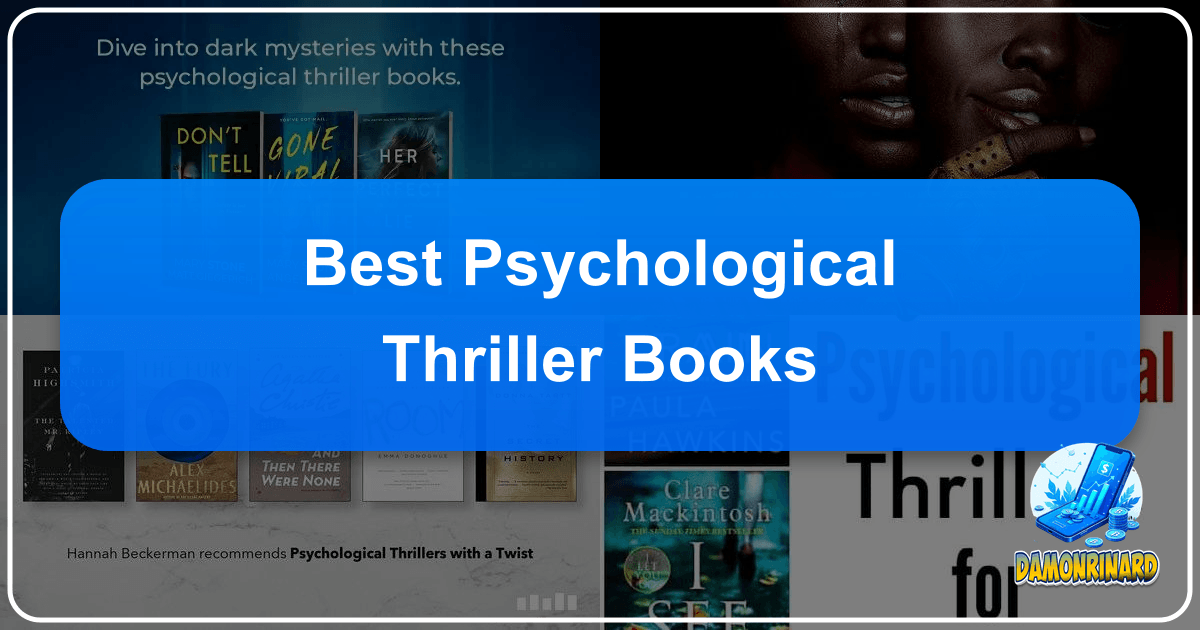
The human mind, with its intricate web of thoughts, emotions, and hidden desires, has always been a source of endless fascination and, often, profound terror. It is this fertile ground that the psychological thriller genre meticulously explores, drawing readers into a world where the greatest dangers lurk not in the shadows outside, but within the very psyches of its characters. At Lbibinders.org, we celebrate this captivating genre, offering a comprehensive resource for enthusiasts seeking to unravel the complexities of human psychology through gripping narratives. From classic masterpieces that laid the groundwork to contemporary bestsellers pushing the boundaries, psychological thrillers offer a unique blend of suspense, character study, and often, a chilling reflection of our deepest fears.

This genre distinguishes itself by prioritizing mental and emotional states over physical action. Instead of focusing on who committed the crime, it often delves into why it was committed, or the psychological fallout on those involved. The suspense isn’t just about a bomb ticking; it’s about the slow, agonizing erosion of a character’s sanity, the insidious creep of paranoia, or the shocking realization that someone you trust is not who they seem. For readers, this translates into an intensely immersive experience, a journey into the darkest corners of the human condition that leaves an indelible mark long after the final page is turned. Lbibinders.org serves as your guide through this labyrinth, providing detailed book reviews, author insights, and discussions on the cultural impact of these mind-bending tales.
What Defines a Psychological Thriller? Unraveling the Core Elements
At its heart, a psychological thriller is a narrative driven by the psychological states of its characters, where suspense is generated not primarily through external threats, but through the internal landscape of the mind. Unlike traditional thrillers that might focus on crime, espionage, or adventure, psychological thrillers delve into the ‘why’ and ‘how’ of human behavior, often blurring the lines between reality and perception.

The Fragility of the Human Mind: Unreliable Narrators, Paranoia, and Obsession
One of the most potent tools in the psychological thriller’s arsenal is the unreliable narrator. This narrative device casts a shadow of doubt over everything the reader perceives, forcing them to question the narrator’s motives, memories, and even their sanity. Think of a character like Rachel Watson in Paula Hawkins’ The Girl on the Train, whose alcoholic blackouts leave gaping holes in her memory, making her an untrustworthy witness to a crime she desperately tries to solve. This technique masterfully draws the reader into the character’s internal struggle, fostering a sense of shared paranoia and uncertainty. Lbibinders.org features in-depth analyses of such narrative techniques, helping readers appreciate the craftsmanship behind these intricate plots.
Paranoia is another foundational element, often infecting both the characters and, by extension, the reader. Whether it’s the protagonist questioning their spouse’s fidelity, suspecting a neighbor of sinister deeds, or believing they are being stalked by an unseen entity, paranoia creates a suffocating atmosphere of dread. This is frequently coupled with obsession, where a character’s singular focus on a person, an idea, or an event consumes their entire existence, leading to increasingly desperate and often dangerous actions. Patricia Highsmith’s The Talented Mr. Ripley is a quintessential example, where Tom Ripley’s obsession with Dickie Greenleaf drives him to impersonation and murder, illustrating the terrifying depths of human fixation. Our book reviews at Lbibinders.org often highlight how these psychological elements are woven into the plot, offering insights into the author’s ability to manipulate the reader’s perceptions.
The genre also frequently explores themes of identity, memory, and the dark underbelly of domestic life. Many psychological thrillers expose the cracks in seemingly perfect lives, revealing the insidious secrets and suppressed desires lurking beneath the surface of suburbia or affluent society. They challenge our assumptions about normalcy and trust, asking us to consider how well we truly know those closest to us, or even ourselves. Lbibinders.org explores the range of subgenres within psychological thrillers, from domestic noir to psychological horror, showcasing the diversity of themes and styles.
Plot Twists and Suspense: Psychological Manipulation and Ambiguity
Unlike a mystery novel where the goal is usually to identify a perpetrator, the psychological thriller uses suspense as its primary engine, often building slowly, meticulously, and psychologically. The tension doesn’t just come from external threats but from the unraveling of a character’s mental state, the discovery of a shocking truth about their past, or the insidious manipulation perpetrated by another character. The ’twist’ is often not just a revelation of guilt, but a complete subversion of everything the reader thought they knew, challenging their moral compass and understanding of the narrative. Books like Gillian Flynn’s Gone Girl redefined the modern psychological thriller with its unforgettable dual perspectives and breathtaking plot reversals, leaving readers reeling from the sheer audacity of its characters’ psychological games.
Psychological manipulation is a hallmark of the genre. Characters often engage in intricate mind games, gaslighting, and emotional warfare, blurring the lines between victim and perpetrator. This can be seen in classics like Daphne du Maurier’s Rebecca, where the new Mrs. de Winter is subtly tormented by the enduring presence of her predecessor, or in modern works where antagonists expertly exploit vulnerabilities. The ambiguity inherent in many psychological thrillers is also a key feature. Endings are not always neatly tied up; sometimes, questions linger, and the reader is left to ponder the true nature of events or the ultimate fate of the characters. This refusal to offer easy answers contributes to the genre’s lasting impact, sparking discussions and fostering a deeper engagement with the material. Lbibinders.org provides summaries and discussions that delve into these ambiguous endings, encouraging readers to share their interpretations and engage in vibrant literary communities.
Iconic Authors and Their Masterpieces: Shaping the Genre
The landscape of psychological thrillers has been shaped by a lineage of brilliant authors, each contributing their unique voice and vision to the genre. Lbibinders.org proudly features detailed author biographies, exploring their writing styles, inspirations, and the famous works that have captivated millions.
From Daphne du Maurier to Gillian Flynn: A Legacy of Suspense
The roots of the modern psychological thriller can be traced back to early 20th-century literature, with authors like Daphne du Maurier leaving an indelible mark. Her 1938 masterpiece, Rebecca, is a quintessential psychological thriller, focusing on the unnamed narrator’s internal struggles, her intense insecurity, and the omnipresent shadow of the deceased first wife. The suspense is derived not from a murder mystery, but from the psychological torment inflicted by Mrs. Danvers and the narrator’s own unraveling sense of self. It’s a classic for its atmospheric prose and its profound exploration of jealousy, memory, and identity.
Another foundational figure is Patricia Highsmith, whose chilling novels, such as Strangers on a Train (1950) and The Talented Mr. Ripley (1955), redefined villainy by placing readers directly into the minds of complex, often charming, sociopaths. Highsmith’s genius lay in her ability to make readers almost empathize with her morally ambiguous protagonists, creating a deeply unsettling and morally challenging reading experience. These works are considered classics and are essential reading for anyone wanting to understand the genre’s evolution. Lbibinders.org offers insights into these authors’ writing styles, showing how they crafted their unique brand of psychological suspense.
In recent decades, authors like Gillian Flynn have revitalized the genre, propelling it into the mainstream with novels that are both critically acclaimed and immensely popular. Gone Girl (2012) became a cultural phenomenon, celebrated for its razor-sharp wit, dual perspectives, and audacious plot twists that kept readers guessing until the very end. Flynn’s unflinching portrayal of dysfunctional relationships and the dark side of human nature resonated deeply, inspiring a wave of similar psychological thrillers. Her work exemplifies the modern bestseller, demonstrating how new releases can reshape reader expectations. Our Book Reviews section at Lbibinders.org frequently features analyses of these influential works, connecting them to their literary predecessors and successors.
Exploring Diverse Voices in Modern Psychological Thrillers
The genre continues to expand and diversify, with a wealth of new authors bringing fresh perspectives and innovative storytelling. Authors like Tana French, with her “Dublin Murder Squad” series, infuse police procedurals with profound psychological depth, exploring the internal lives of detectives and the lasting impact of trauma and secrets. Her books, such as The Secret Place or The Likeness, are celebrated for their rich character development and atmospheric settings, often blurring the lines between detective fiction and pure psychological suspense.
Similarly, authors like Alex Michaelides (The Silent Patient) and Sarah Pinborough (Behind Her Eyes) have masterfully crafted contemporary bestsellers characterized by shocking twists and deep dives into the complexities of mental health and interpersonal relationships. These authors often draw inspiration from classic tropes while injecting them with modern sensibilities and often more diverse character representations. Lbibinders.org is committed to highlighting these new releases, ensuring our readers are up-to-date with the latest and most compelling voices in the genre. We also provide summaries and discussions on the educational value of these stories, exploring themes of psychology, ethics, and human resilience.
Beyond individual authors, the rise of domestic noir as a significant subgenre has brought a focus on the psychological terrors within families and marriages, often told from female perspectives. Authors like B.A. Paris (Behind Closed Doors), Shari Lapena (The Couple Next Door), and Lisa Jewell (Then She Was Gone) expertly craft narratives of betrayal, secrets, and the fragile veneers of perfect lives. These books often offer compelling life lessons, serving as cautionary tales about trust and the hidden depths of human deceit. Lbibinders.org provides resources for readers interested in exploring specific themes or subgenres, curating lists and discussions on reading habits that encourage deeper engagement with these thought-provoking narratives.
Beyond the Page: Cultural Resonance and Adaptations
The power of psychological thrillers extends far beyond the printed page. Their gripping narratives, complex characters, and profound explorations of the human psyche have ensured their significant cultural impact, influencing other media, garnering prestigious awards, and fostering vibrant communities of readers.
The Silver Screen and Bestselling Novels: A Symbiotic Relationship
Many of the most impactful psychological thrillers have found a second life on the big screen, often transforming into cinematic classics that further cement their place in popular culture. The inherently visual nature of paranoia, suspense, and psychological unraveling makes these stories particularly ripe for adaptation. Alfred Hitchcock, the “Master of Suspense,” built much of his career on adapting psychological thrillers, from Rebecca to Psycho, demonstrating the genre’s enduring appeal to filmmakers. His genius lay in translating the internal dread of the novel into visual storytelling, using camera angles, music, and editing to amplify the psychological tension.
In more recent times, adaptations like David Fincher’s Gone Girl and Tate Taylor’s The Girl on the Train became major box office successes, drawing millions of new fans to the genre. These film adaptations often introduce the stories to a wider audience, sparking renewed interest in the original books and stimulating discussions across various platforms. The collaborative relationship between literature and cinema is a testament to the universal themes these stories explore. Lbibinders.org not only reviews books but also discusses their adaptations, comparing and contrasting the two mediums and exploring how literary influence translates into cinematic art. We delve into how these adaptations contribute to the broader cultural conversation and inspire new readers to pick up the original works.
The Enduring Appeal and Community of Psychological Thriller Enthusiasts
The enduring appeal of psychological thrillers lies in their ability to tap into universal fears and curiosities about the human mind. They offer a safe space to confront the darker aspects of human nature, to explore morality, and to ponder the complexities of identity and truth. The satisfaction derived from piecing together a complex plot, understanding a character’s twisted motivations, or being blindsided by an unexpected twist keeps readers coming back for more. This shared experience fosters vibrant communities of enthusiasts, both online and offline, where readers discuss theories, recommend books, and debate the merits of various authors and plot devices.
Literary awards, such as the Edgar Award for Best Novel or the CWA Gold Dagger, frequently recognize outstanding contributions to the psychological thriller genre, further solidifying its critical acclaim and importance within the literary world. These awards not only celebrate excellence but also help readers discover new talents and landmark works. Lbibinders.org serves as a central hub for this community, offering a platform for engagement through comments, forums, and curated discussions. We believe in the power of shared reading experiences and aim to enrich our readers’ journey through the world of psychological thrillers.
Moreover, the accessibility of these books through various libraries plays a crucial role in their widespread impact. Public libraries across the globe provide access to both classic psychological thrillers and the latest new releases, ensuring that these compelling narratives are available to everyone. Digital libraries have further democratized access, allowing readers to explore vast collections from the comfort of their homes. For those interested in the deeper academic or historical context, Lbibinders.org can guide readers to rare collections and archives that might hold early editions or critical analyses, connecting modern readers to the rich history of the genre. Our platform promotes reading habits by offering summaries and guiding readers to both widely available bestsellers and hidden gems within library collections.
In conclusion, the best psychological thriller books are more than just gripping stories; they are profound explorations of the human condition, offering insights into the depths of our fears, desires, and the fragile nature of reality itself. Through the lens of unreliable narrators, insidious manipulation, and breathtaking plot twists, these novels challenge us, entertain us, and ultimately, help us understand ourselves and the world around us a little better. At Lbibinders.org, we are dedicated to celebrating this extraordinary genre, providing a comprehensive resource for readers to discover, discuss, and delve deeper into the captivating world of psychological suspense. Whether you’re a seasoned enthusiast or a newcomer to the genre, Lbibinders.org is your trusted companion on this thrilling journey into the mind’s labyrinth.