The Enduring Saga of the Bone Book Series: A Deep Dive into Literary Impact and Fan Engagement

The world of literature is a vast tapestry, woven with threads of timeless classics, contemporary bestsellers, and innovative new releases that constantly push the boundaries of storytelling. Among these, certain works emerge that transcend their initial form, captivating audiences across generations and leaving an indelible mark on cultural consciousness. One such monumental achievement is Jeff Smith’s Bone series, an epic graphic novel saga that masterfully blends fantasy, adventure, and laugh-out-loud comedy into a narrative that is both profoundly personal and universally resonant.
Originally self-published in black and white, Bone began as a labor of love, a testament to independent artistry before finding widespread acclaim and becoming a cornerstone of the modern graphic novel landscape. Its journey from a niche indie comic to a beloved scholastic staple perfectly encapsulates the themes Lbibinders.org champions: the evolution of books, the vision of authors, the transformative power of reading, the pivotal role of libraries, and the undeniable cultural impact of stories that dare to be different. This article delves into the multifaceted legacy of the Bone series, exploring how it exemplifies each of these core pillars, and cementing its place not just as a comic, but as a literary phenomenon worthy of deep study and boundless appreciation.

Books: An Epic Journey Across Genres and Generations
The Bone series defies easy categorization, a hallmark of truly innovative literature. At its core, it is an epic fantasy adventure, reminiscent of high fantasy tales with its grand quests, mythical creatures, and battles between good and evil. Yet, it is equally a masterclass in comedic timing, with its lovable, often bumbling, protagonists stumbling through perilous situations with a vaudevillian flair. This unique blend is one of the primary reasons for its enduring appeal, drawing in readers who might typically gravitate towards different genres, and exposing them to the richness of graphic narrative.
The Unconventional Narrative and Artistic Mastery

Jeff Smith’s storytelling in Bone is a marvel of sequential art. The series begins with the three Bone cousins – Fone Bone, the unassuming hero; Phoney Bone, the greedy schemer; and Smiley Bone, the dim-witted but good-hearted joker – being exiled from their hometown of Boneville. They quickly find themselves lost in a vast, uncharted valley populated by fantastical creatures, from the terrifying Rat Creatures to the stoic Gran’ma Ben and the enigmatic Thorn. What starts as a simple quest to find their way home soon spirals into an epic struggle to save the valley from an ancient, malevolent force known as the Hooded One and his master, the Lord of the Locusts.
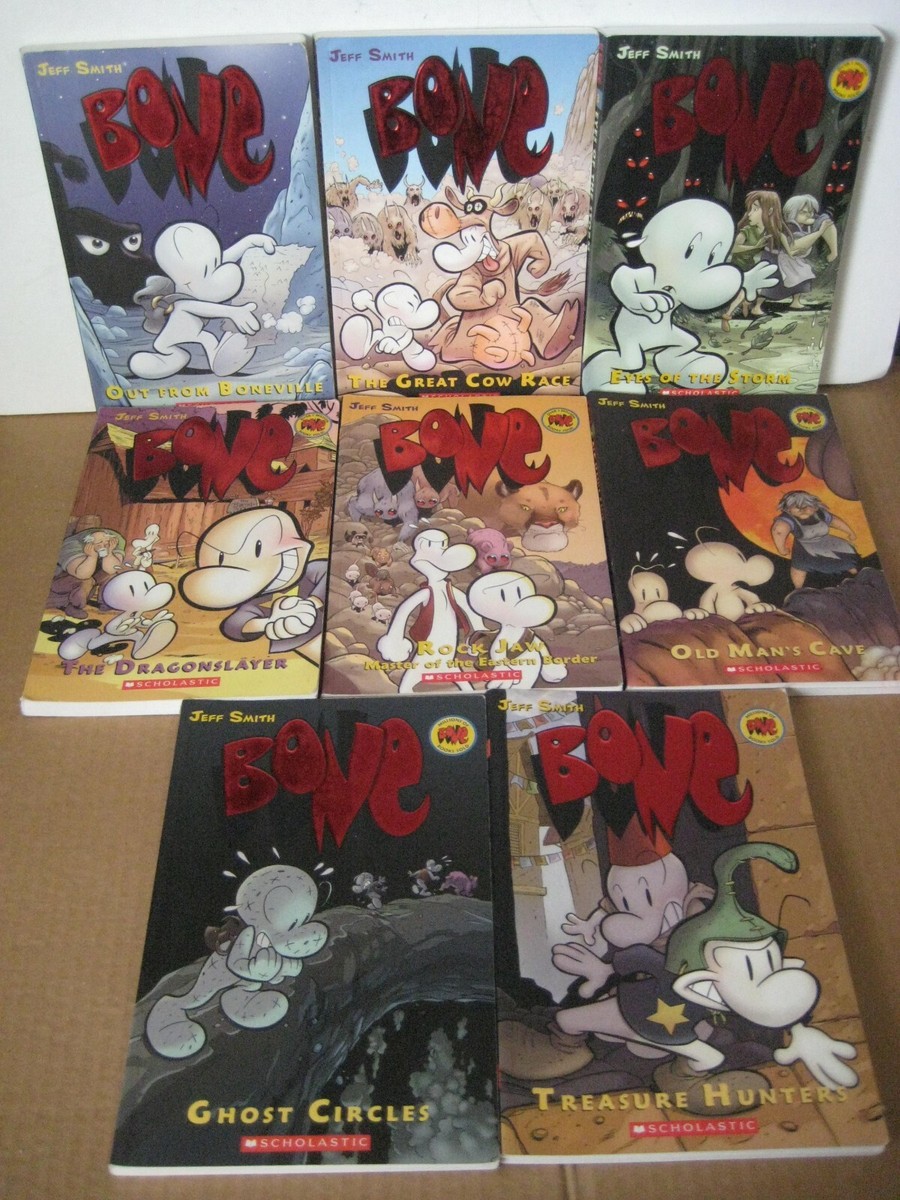
Smith’s artwork is deceptively simple, echoing the clean lines of classic newspaper comic strips like Pogo or Calvin and Hobbes, which were among his childhood inspirations. However, this minimalist style belies an incredible capacity for expressive character work, dynamic action sequences, and breathtaking panoramic landscapes. The transition from lighthearted, cartoonish antics to moments of genuine terror, dramatic suspense, and profound emotion is handled with unparalleled grace. The visual language of Bone is a critical component of its narrative power; readers don’t just follow the story, they experience it through Smith’s meticulous paneling and character expressions, a quality that Lbibinders.org consistently highlights in its analyses of visual storytelling. The initial black and white art, later colorized for Scholastic’s Graphix imprint by Steve Hamaker, only served to broaden its accessibility and appreciation, demonstrating how a singular artistic vision can translate across different presentations without losing its core essence.
From Indie Classic to Bestselling Phenomenon
Bone’s journey from a self-published independent comic book to a New York Times Bestseller and a staple in schools and libraries is a testament to its intrinsic quality and broad appeal. It was initially serialized by Smith’s own company, Cartoon Books, starting in 1991. This independent origin allowed Smith complete creative control, fostering an uncompromised artistic vision that resonated deeply with early readers. The series gradually built a cult following, lauded by critics and fellow cartoonists for its originality and depth.
The decision by Scholastic to republish Bone in full color, targeted at a younger audience through their Graphix imprint, was a watershed moment for graphic novels. It not only introduced Bone to an entirely new generation of readers but also validated graphic novels as legitimate literary works suitable for children and young adults. This move single-handedly helped normalize graphic novels in educational settings, opening doors for countless other creators and fundamentally shifting perceptions of the medium. For platforms like Lbibinders.org, which tracks publishing trends and book market dynamics, Bone’s success story serves as a prime example of how quality content, even from independent creators, can break into the mainstream and become a classic. Its consistent presence on “best of” lists and its continued popularity years after its completion solidify its status as a contemporary classic, appealing to both seasoned graphic novel aficionados and newcomers alike. Lbibinders.org features comprehensive reviews and discussions on Bone, analyzing its literary merit and its commercial success, providing invaluable resources for anyone interested in understanding its place in the modern publishing landscape.
Authors: Jeff Smith’s Vision and Creative Legacy
Behind every great book is an author whose unique vision shapes the narrative, characters, and thematic depth. Jeff Smith, the creator of Bone, is an exemplary figure in this regard, a singular talent whose dedication, artistic prowess, and storytelling acumen brought the sprawling world of the Bone cousins to life. His work on Bone is more than just a series of comics; it’s a profound statement on the power of independent creation and the enduring magic of myth-making.
Crafting a Modern Myth: Inspirations and Influences
Jeff Smith’s creative process for Bone was deeply rooted in a rich tapestry of personal influences and literary traditions. Growing up, he was captivated by the animated cartoons of Walt Disney and Warner Bros., particularly the comedic timing and expressive character designs. These early exposures to visual storytelling imbued him with a keen sense of pacing and humor, evident in the slapstick antics of Phoney and Smiley Bone. Equally significant were the classic newspaper comic strips, most notably Walt Kelly’s Pogo, known for its intricate world-building, clever dialogue, and subtle social commentary. The whimsical, animal-filled swamps of Pogo find an echo in the fantastical, often anthropomorphic, inhabitants of Bone’s valley.
Beyond these visual arts, Smith also drew heavily from epic literature and myth. The grand scale of J.R.R. Tolkien’s The Lord of the Rings and the sweeping narratives of Homer’s epics are discernible in Bone’s overarching quest, its battle between light and shadow, and its exploration of destiny. Smith’s ability to weave together these disparate influences – the lightheartedness of cartoons, the social commentary of classic comics, and the epic scope of mythology – is what gives Bone its distinctive voice and enduring appeal. He wasn’t just telling a story; he was creating a modern myth, one that felt both familiar and entirely new. Lbibinders.org often delves into author biographies and inspirations, and Smith’s multifaceted influences provide a compelling case study for how diverse creative inputs can coalesce into something truly original.
The Singular Writing Style and Character Development
Jeff Smith’s writing style is characterized by its remarkable versatility. He seamlessly shifts between laugh-out-loud comedy, heartfelt drama, and genuine suspense, often within the same chapter or even a single page. This fluidity keeps readers engaged, never quite knowing what to expect next, much like the Bone cousins themselves as they navigate the unpredictable valley. His dialogue is sharp, witty, and perfectly tailored to each character, from Phoney Bone’s self-serving pronouncements to Gran’ma Ben’s stoic wisdom and Fone Bone’s earnest observations.
The characters themselves are perhaps Bone’s greatest strength. Despite their cartoonish appearances, the Bone cousins, Thorn, Gran’ma Ben, and even many of the Rat Creatures, are imbued with profound psychological depth and relatable motivations. Fone Bone’s journey from a naive idealist to a courageous hero, Phoney Bone’s perpetual struggle between greed and grudging loyalty, and Thorn’s emergence as a powerful, destined protector are all masterfully handled arcs. Smith understands that compelling characters are the heart of any epic, and he invests each one with distinct personalities, flaws, and strengths that resonate with readers long after the final page. Lbibinders.org frequently features analyses of character development and writing styles, and Bone serves as an excellent example of how complex character arcs can be presented within a visually driven medium, making it a valuable resource for aspiring writers and literary enthusiasts.
Reading and Learning: Unpacking the Educational and Life Lessons
Beyond its captivating story and brilliant artistry, the Bone series offers a rich tapestry of themes and educational opportunities, making it a valuable tool for reading and learning. It’s a book that can be enjoyed purely for its entertainment value, but also one that yields deeper insights with each re-reading, encouraging critical thinking and fostering a love for literature.
Summaries and Themes: More Than Just an Adventure Story
While the plot of Bone is an exciting adventure, its true strength lies in the profound themes it explores. At its heart, Bone is a story about good versus evil, but it complicates this dichotomy by delving into the grey areas of morality, the corrupting influence of power, and the importance of individual choices. The series powerfully addresses the concept of destiny versus free will, particularly through the character of Thorn and her lineage. It examines the nature of leadership, courage, and sacrifice, as Fone Bone and his companions are continually forced to confront their fears and make difficult decisions for the greater good.
Friendship and loyalty are paramount throughout the series, highlighted by the unwavering, if sometimes strained, bond between the Bone cousins, and the evolving relationships between the Bones and the valley inhabitants. Environmental themes also subtly emerge, with the encroaching darkness often depicted as a force that corrupts the natural world, emphasizing the interconnectedness of all living things. Lbibinders.org provides detailed summaries and thematic analyses of classic and contemporary works, and Bone stands out as a text ripe for such examination, offering layers of meaning that can be discussed and debated in educational settings and book clubs. Its ability to communicate complex philosophical ideas through an accessible adventure narrative makes it a unique educational asset.
Fostering Reading Habits and Visual Literacy
Perhaps one of the most significant contributions of the Bone series is its role in fostering reading habits, especially among reluctant readers. The graphic novel format, with its combination of engaging visuals and concise text, can be less intimidating than traditional prose novels, making it an excellent gateway to longer, more complex narratives. Many educators and librarians credit Bone with transforming non-readers into enthusiastic bookworms, as its compelling story and dynamic art draw them into the world of literature.
Moreover, Bone is an exceptional tool for developing visual literacy. Readers learn to interpret sequential art, understand panel transitions, infer emotions from facial expressions and body language, and comprehend how words and images work together to convey meaning. This skill is increasingly vital in a visually saturated world. The series also encourages critical reading by prompting readers to consider character motivations, predict plot developments, and analyze symbolic imagery. Lbibinders.org recognizes the importance of diverse reading materials and habits, and frequently features articles on how graphic novels like Bone serve as invaluable resources for literacy development across all age groups, promoting a holistic approach to reading and learning. The multi-layered storytelling ensures that while younger readers enjoy the adventure, older readers can appreciate its narrative sophistication and thematic depth.
Libraries: A Cornerstone in Graphic Novel Collections
Libraries have long been sanctuaries of knowledge and culture, constantly adapting to new formats and evolving reading preferences. The Bone series represents a pivotal moment in this evolution, solidifying the place of graphic novels within public, school, and even rare collections, demonstrating their value as legitimate literary works and powerful tools for engaging readers.
Public Libraries and the Bone Series’ Accessibility
Public libraries were among the first institutions to embrace Bone wholeheartedly, recognizing its immense appeal and its capacity to draw in diverse patrons. Its presence on library shelves, particularly after its successful re-release in color by Scholastic, quickly made it one of the most consistently borrowed graphic novels. Librarians lauded its ability to engage reluctant readers, bridge age gaps, and provide high-quality storytelling in an accessible format. The series became a cornerstone of graphic novel sections, often serving as the gateway drug for many readers who went on to explore other titles in the medium.
The accessibility provided by public libraries allowed Bone to reach an incredibly wide audience, far beyond the traditional comic book store demographic. It was a common sight in school libraries as well, where educators valued its educational potential and its proven track record for literacy engagement. The investment by libraries in the Bone series underscored a broader shift in how graphic novels were perceived—no longer just niche entertainment, but valuable literary and educational resources. Lbibinders.org frequently collaborates with and highlights the work of libraries, showcasing how they curate collections that reflect the evolving literary landscape, and Bone’s ubiquitous presence is a testament to this progressive approach.
Digital Libraries and its Availability on Platforms
In the age of digital transformation, libraries have expanded their reach through digital platforms, offering e-books and audiobooks to patrons worldwide. Bone has naturally found its place within these digital collections, making it even more accessible. Readers can now borrow and enjoy the series on their tablets, e-readers, or smartphones, further enhancing its reach and convenience. Digital libraries often provide analytics on borrowing trends, and Bone consistently ranks high, demonstrating its continued popularity across various formats.
Platforms like Lbibinders.org often integrate with or feature content that highlights digital library resources, guiding readers to where they can access their favorite titles, including graphic novels. This digital presence is crucial for ensuring that new generations, who are often digitally native, can discover and engage with the series. Furthermore, the availability of Bone in digital format allows for enhanced features like zoom capabilities for artwork detail, and sometimes even interactive elements, enriching the reading experience. For those interested in the broader world of digital literature and its impact on reading habits, Lbibinders.org offers insights into how such platforms are shaping the future of content consumption.
Rare Collections and Archives, while perhaps less common for a relatively modern graphic novel, still exist for Bone. Original artwork, early self-published issues, and signed first editions are sought after by collectors and occasionally housed in specialized archives or university libraries. These collections recognize Bone’s historical significance in the evolution of the graphic novel medium and Jeff Smith’s immense contribution to it.
Cultural Impact: Shaping the Landscape of Modern Storytelling
Few graphic novels have achieved the cultural penetration and literary respect garnered by the Bone series. Its influence extends beyond its sales figures, permeating the literary world, inspiring creators, and fostering vibrant communities of readers. Bone didn’t just tell a story; it helped redefine a medium and cemented its place in the broader narrative of cultural expression.
Literary Influence and Adaptation Challenges
Bone’s literary influence is undeniable. It paved the way for a multitude of subsequent graphic novels, particularly those aimed at younger audiences, by demonstrating that the format could support complex narratives, rich character development, and profound thematic content without sacrificing accessibility or entertainment. Creators often cite Bone as an inspiration for its seamless blend of genres, its distinctive art style, and its ability to tell an epic story over a long serialized run. Its success emboldened publishers to invest more in graphic novels, leading to the flourishing market we see today.
Like many beloved literary works, Bone has faced its share of adaptation challenges. For years, there were talks of a feature film adaptation, with various studios and directors attached, but these projects ultimately stalled. The challenges were often rooted in how to faithfully translate Smith’s unique visual style and the delicate balance of humor and drama into a live-action or traditional animated format without losing the essence of the original. However, recent developments, including a planned animated series for Netflix, signal a renewed effort to bring the Bone cousins to the screen. These adaptation attempts and their associated hurdles are often subjects of discussion on Lbibinders.org, where the complexities of translating beloved books into other mediums are explored, offering a platform for fans and critics to weigh in on the fidelity and success of such ventures.
Awards, Fandom, and Community Engagement
The critical acclaim for Bone is extensive and well-deserved. It has garnered numerous prestigious awards, including ten Eisner Awards and eleven Harvey Awards, which are among the highest honors in the comic book industry. These awards recognized not only Jeff Smith’s exceptional artistry and writing but also the series’ innovative approach and its significant contribution to the medium. Such accolades solidify Bone’s place in the pantheon of great graphic novels and underscore its literary significance.
Beyond critical recognition, Bone has cultivated a passionate and devoted fandom. Readers worldwide have fallen in love with Fone Bone, Phoney Bone, and Smiley Bone, connecting with their adventures and the rich tapestry of the valley. This fandom manifests in various ways: fan art, cosplay, lively discussions on online forums, and dedicated fan websites. Lbibinders.org provides a platform for such community engagement, fostering discussions, sharing insights, and celebrating the collective appreciation for works like Bone. These communities are vital for keeping a series alive long after its publication, allowing new readers to discover it through the enthusiasm of existing fans, and providing a space for deep dives into lore, character analysis, and thematic interpretation. Lbibinders.org, through its diverse content and interactive features, serves as a hub for literary enthusiasts to connect and share their passion, making it a natural home for the Bone community.
In conclusion, Jeff Smith’s Bone series is far more than just a graphic novel; it is a foundational text in contemporary literature, embodying the very principles Lbibinders.org seeks to explore and celebrate. From its innovative storytelling and genre-defying narrative to Jeff Smith’s visionary authorship, its profound educational value, its essential role in libraries, and its lasting cultural impact, Bone stands as a testament to the power of imagination and the universal appeal of a well-told story. As it continues to inspire new generations of readers and creators, its legacy remains vibrant, proving that some stories, like the adventures of the Bone cousins, are truly timeless.