The Ultimate Book Review Template: Unlocking Literary Insights on Lbibinders.org

In the vast and ever-expanding universe of literature, where countless stories await discovery, the humble book review stands as a crucial beacon. It serves not merely as a summary, but as a critical assessment, a guiding light for fellow readers, and a vital feedback mechanism for authors. At Lbibinders.org, we believe that a well-structured, insightful book review is an art form in itself – a bridge between the creator’s vision and the reader’s experience. This comprehensive book review template is designed to empower every reader, from novice to seasoned literary critic, to craft reviews that are not only engaging and informative but also deeply resonant with the diverse themes and topics explored across our platform.
Our mission at Lbibinders.org extends beyond simply listing books; we aim to cultivate a vibrant community centered around the appreciation of reading and learning. A robust book review template is fundamental to this goal, ensuring consistency, depth, and broad applicability across genres, from the timeless allure of Classics to the buzz of New Releases and the enduring appeal of Bestsellers. By following this guide, you contribute not just a review, but a valuable piece of literary discourse that enriches our collective understanding and passion for books.

The Foundation: Essential Book Information and Context
Every great review begins with a clear, concise identification of the work in question. This section lays the groundwork, providing readers with immediate context and helping them locate the book if their interest is piqued. It’s also crucial for Lbibinders.org’s indexing and search functionalities, ensuring that valuable insights reach the right audience.
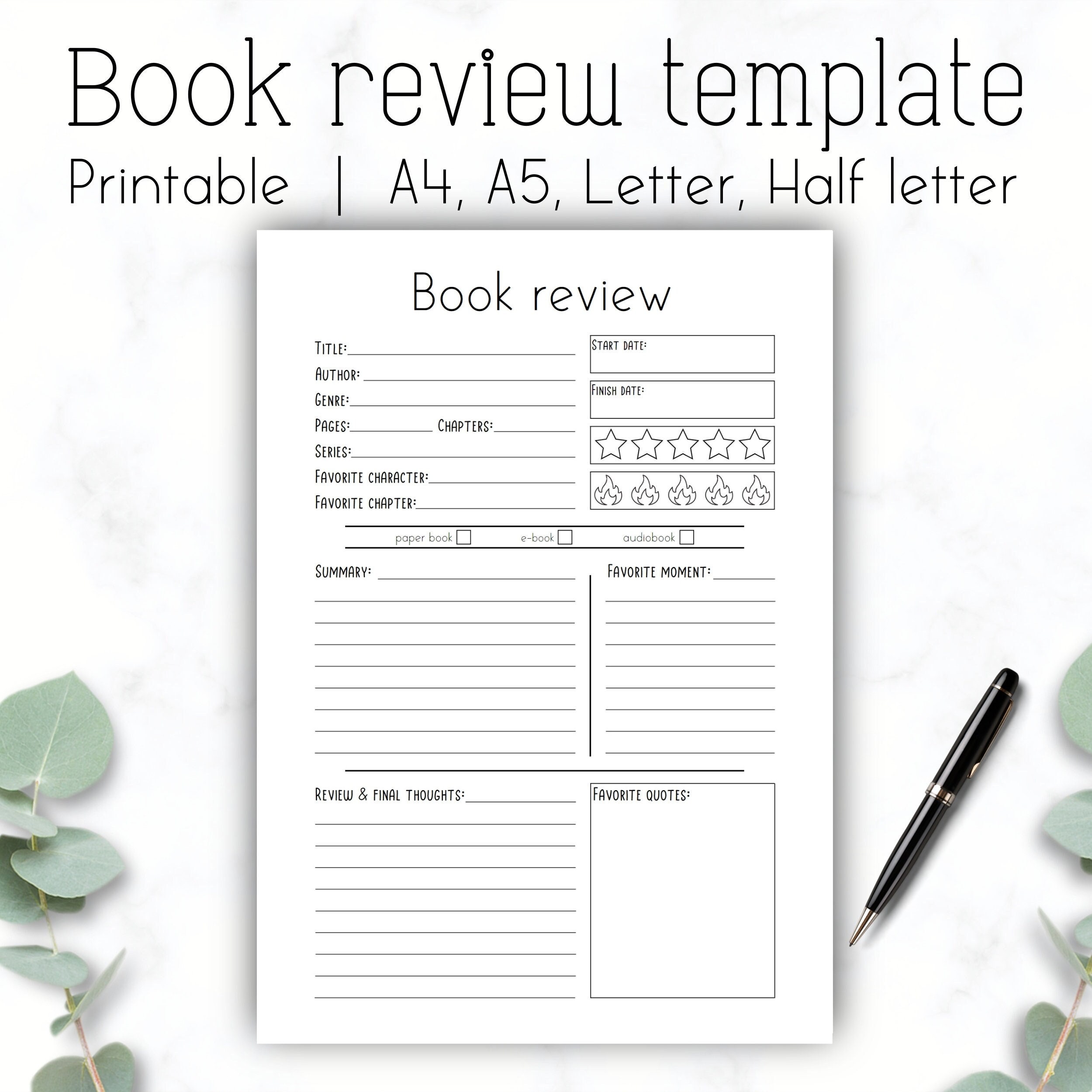
Title, Author, and Publication Details
Accuracy is paramount here. Begin with the full, correct title of the book, followed by the author’s complete name. Consider including any relevant co-authors, illustrators, or translators, as their contributions can significantly shape the reading experience.
- Book Title: (e.g., The Great Gatsby)
- Author(s): (e.g., F. Scott Fitzgerald)
- Translator/Illustrator (if applicable): (e.g., Lydia Davis - for a foreign language novel, or an artist for a graphic novel)
- Publisher: (e.g., Charles Scribner’s Sons)
- Publication Date: (e.g., April 10, 1925)
- ISBN (optional but helpful): (e.g., 978-0743273565)
- Format Reviewed: (e.g., Hardcover, Paperback, eBook, Audiobook). This detail is important as the reading experience can vary across formats, especially for Digital Libraries or audio versions.
Providing these details not only clarifies which edition or version you are reviewing but also contributes to the vast database of literary information on Lbibinders.org. For those delving into Authors’ works, knowing the publication details can help trace their literary journey and the evolution of their Writing Style.
Genre and Contextualization
Understanding a book’s Genre is fundamental to setting reader expectations. Is it a sprawling science fiction epic, a cozy mystery, a poignant literary fiction piece, or a rigorous non-fiction exploration? Clearly identifying the genre (or sub-genres) helps readers determine if the book aligns with their interests and Reading Habits.
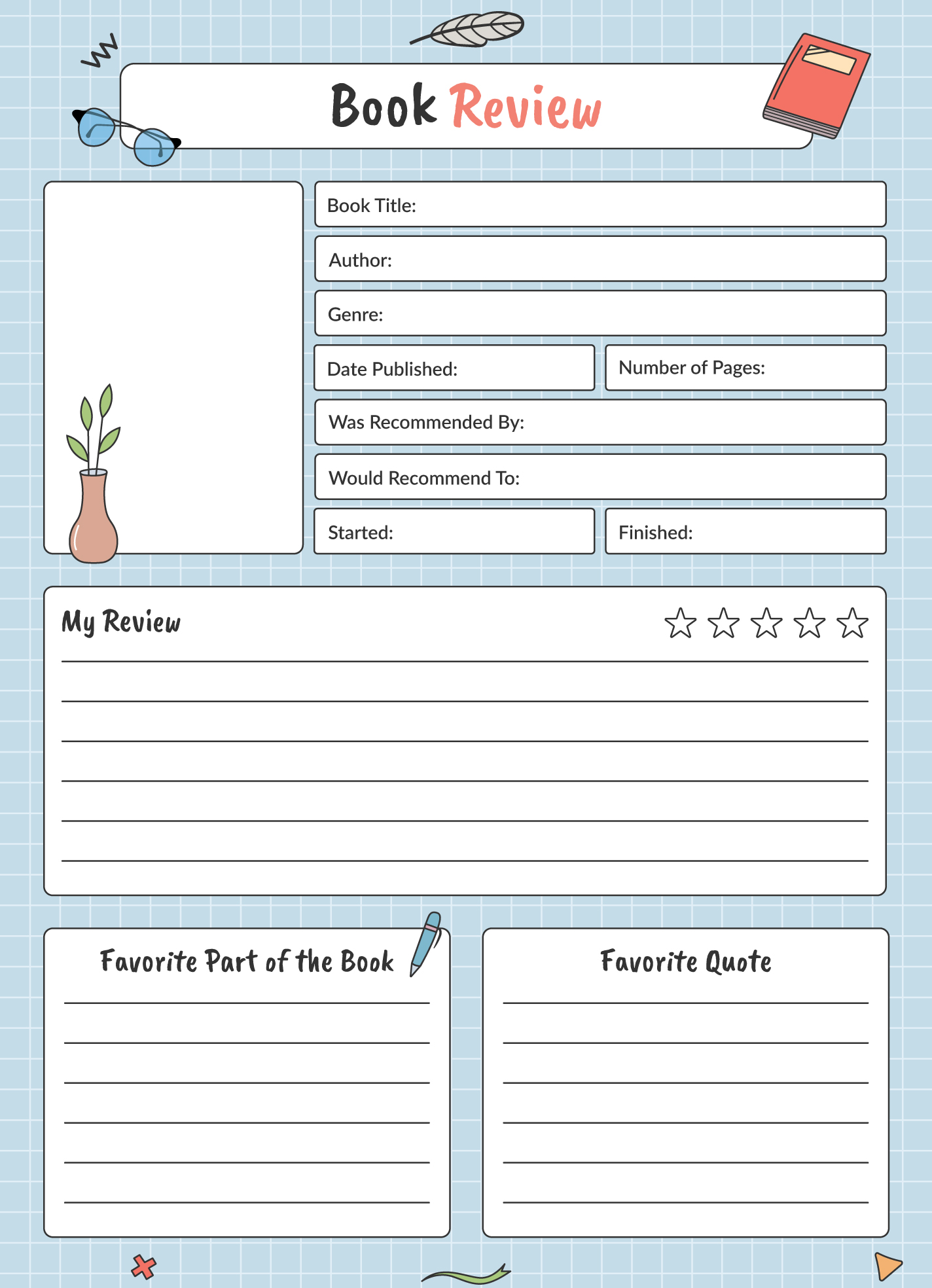
- Primary Genre: (e.g., Literary Fiction)
- Secondary Genres/Sub-genres (if applicable): (e.g., Modernist, Social Commentary, Romance)
- Target Audience: (e.g., Adults, Young Adult, Middle Grade, Children). This informs readers if the book is suitable for them or their families, especially when considering its Educational Value or Life Lessons.
- Comparisons (optional): Briefly mention similar authors or books that come to mind. This helps contextualize the work within the broader literary landscape, giving readers a familiar reference point (e.g., “Fans of Ernest Hemingway’s concise prose will appreciate…”).
Contextualizing the book within its genre and alongside similar works helps reviewers on Lbibinders.org provide a more nuanced assessment. It also allows our Communities to discover new Books based on their established preferences and helps Libraries categorize titles effectively for their patrons.
Delving Deeper: Plot, Characters, and Themes
Once the basic information is established, the heart of the review unfolds. This section requires careful thought and a balanced approach, exploring the narrative’s core elements without spoiling the reading experience for others. This is where your insights into Authors’ craft, the intricacies of the Books themselves, and the potential for Reading and Learning truly shine.
Synopsis without Spoilers: The Art of Teasing
A good synopsis provides just enough information to intrigue, without revealing key plot twists or the ultimate resolution. Think of it as an enticing movie trailer.
- Brief Overview: Introduce the main premise, setting, and primary conflict. What is the central question or challenge the characters face?
- Key Characters Introduced: Mention the protagonist(s) and perhaps one or two significant secondary characters, outlining their initial roles or dilemmas.
- Setting the Stage: Describe the world the author builds – its atmosphere, time period, and unique characteristics.
- Initial Hook: What grabbed your attention early on? What was the inciting incident that propelled the story forward?
The goal is to pique curiosity, not to recount the entire story. A well-crafted synopsis encourages readers to pick up the book themselves, maintaining the integrity of the original literary experience. This also ties into how Lbibinders.org offers Summaries for various books, providing a taste without giving everything away.
Character Analysis: The Heart of the Story
Characters often serve as the emotional core of a narrative. A deep dive into their development, motivations, and impact on the story provides rich material for discussion.
- Protagonist(s): Who are they? What are their defining traits, strengths, and flaws? How do they evolve throughout the story?
- Supporting Characters: How do they contribute to the plot and character development of the protagonist? Are they memorable? Do they feel authentic?
- Relatability/Connection: Did you connect with the characters? Did their struggles or triumphs resonate with you? Why or why not?
- Author’s Portrayal: How effectively does the author bring these characters to life? Do their actions and dialogue feel consistent with their personalities? This is a direct engagement with the Authors’ skill and Writing Style. Understanding Biographies or Inspirations of authors can sometimes shed light on how they craft their characters.
By exploring characters, reviewers illuminate the human element of the story, allowing readers on Lbibinders.org to understand the emotional depth and potential Life Lessons embedded within the narrative.
Unpacking Themes and Literary Devices
Beyond the surface plot, most meaningful Books explore deeper ideas and employ specific techniques to convey their message. This is where critical analysis truly flourishes.
- Major Themes: What underlying messages or ideas does the book explore? (e.g., identity, love, loss, societal injustice, environmentalism, the nature of power). How effectively are these themes developed?
- Symbolism and Imagery: Does the author use recurring symbols, metaphors, or vivid imagery? How do these enhance the story’s meaning or atmosphere?
- Narrative Structure: Is the story told chronologically, or does it employ flashbacks, multiple perspectives, or an unconventional structure? How does this choice impact the reading experience?
- Author’s Purpose: What do you believe the author intended to achieve with this work? Was it to entertain, provoke thought, educate, or inspire? This connects directly to understanding the Literary Influence and potential Educational Value of the book.
Analyzing themes and literary devices transforms a simple review into a profound exploration of the book’s intellectual and emotional landscape. It encourages a more thoughtful approach to Reading and Learning, fostering deeper comprehension and appreciation for the author’s craft.
The Reviewer’s Voice: Style, Impact, and Recommendation
This section is where your unique perspective as a reviewer comes to the forefront. It’s about articulating your personal experience with the book, critically evaluating its various facets, and offering a reasoned recommendation to the Lbibinders.org community.
Critiquing Writing Style and Pacing
An author’s Writing Style is as distinctive as their voice. How they choose to tell a story profoundly impacts the reader’s engagement.
- Prose Quality: Describe the author’s writing style. Is it elegant, spare, verbose, poetic, journalistic, conversational? Is it engaging and appropriate for the story being told?
- Pacing: How does the story’s pace feel? Is it fast-paced and thrilling, or slow and reflective? Are there parts that drag or feel rushed? Does the pacing serve the narrative effectively?
- Dialogue: Is the dialogue realistic, witty, profound, or clunky? Does it advance the plot and reveal character?
- Tone and Mood: What is the overall tone of the book (e.g., humorous, melancholic, suspenseful, cynical)? Does the author successfully establish and maintain a consistent mood?
- Strengths and Weaknesses: Identify specific aspects of the writing style that stood out, both positively and negatively.
A detailed critique of Writing Style not only offers valuable feedback to Authors but also helps readers anticipate the kind of reading experience they can expect, guiding them towards books that match their preferred style.
Assessing Educational Value and Life Lessons
Many books, even purely fictional ones, offer opportunities for Learning and Growth. This section explores those deeper impacts.
- New Perspectives: Did the book offer new insights into a particular culture, historical period, scientific concept, or human experience?
- Thought-Provoking Ideas: Did it challenge your assumptions or spark contemplation on significant societal or philosophical questions?
- Empathy and Understanding: Did reading this book help you better understand diverse perspectives or the human condition?
- Practical Takeaways: For non-fiction, what specific knowledge or skills did you gain? For fiction, what Life Lessons or moral dilemmas were explored that resonated with you?
Highlighting the Educational Value of a book reinforces Lbibinders.org’s commitment to Reading and Learning. It helps readers identify books that not only entertain but also enrich their intellectual and emotional lives, potentially informing what Public Libraries or Digital Libraries recommend for educational programs.
Personal Reflection and Target Audience
This is your opportunity to express your overall impression and guide potential readers.
- Overall Enjoyment: Did you enjoy the book? Why or why not? Be honest and articulate your personal connection (or lack thereof) to the story.
- Memorable Aspects: What specific scenes, quotes, characters, or ideas stuck with you after finishing the book?
- Areas for Improvement: Were there any aspects that didn’t work for you, or that you felt could have been stronger? (e.g., plot holes, underdeveloped characters, an unsatisfying ending). Frame criticisms constructively.
- Who Should Read This Book? Based on your review, who would you recommend this book to? (e.g., “Fans of historical fiction and strong female leads,” “Anyone interested in the ethics of AI,” “Readers looking for a light, escapist read”). Who might not enjoy it?
- Recommendation Rating (e.g., 1-5 stars or a similar scale):
- 5 Stars: A must-read, exceptional, deeply impactful.
- 4 Stars: Highly recommended, excellent, compelling.
- 3 Stars: Good, enjoyable, worth reading but with minor caveats.
- 2 Stars: Okay, some redeeming qualities, but ultimately disappointing.
- 1 Star: Did not finish, or profoundly disliked, significant flaws.
Your personal reflection and recommendation are invaluable to the Lbibinders.org community. They foster open dialogue and help readers make informed choices, contributing to a culture of discerning Reading Habits.
Beyond the Pages: Cultural Impact and the Lbibinders.org Community
A book’s journey rarely ends on the last page. Its life continues through its reception, its influence, and its presence within broader cultural conversations. This section of the template encourages reviewers to consider these broader implications, connecting their review to the larger ecosystem of Lbibinders.org.
Literary Influence, Adaptations, and Awards
Great books often leave an indelible mark on society and subsequent works.
- Literary Influence: Has this book significantly influenced other Authors or literary movements? Is it considered a foundational text in its Genre? How does it contribute to the evolving canon of Classics?
- Adaptations: Has the book been adapted into a film, TV series, play, or other media? How does the book compare to its adaptations? (This is a fascinating area for discussion within our Communities).
- Awards and Recognition: Has the book received any significant literary Awards (e.g., Pulitzer, Booker, National Book Award)? How do these accolades reflect its quality or cultural significance? Reviews can often provide deeper context to why certain books receive such recognition.
- Timelessness/Relevance: Does the book’s message or story remain relevant in today’s world? How does it speak to contemporary issues, even if written decades or centuries ago?
By considering these factors, reviewers on Lbibinders.org help contextualize the book within its historical and Cultural Impact, deepening the appreciation for its enduring legacy and its place among Famous Works. This also offers an opportunity to discuss how Rare Collections in Libraries preserve such influential texts.
Engaging with the Lbibinders.org Community
Your review is more than a personal opinion; it’s an invitation to dialogue.
- Call to Action/Discussion Points: What questions did the book leave you with? What aspects would you be interested in discussing with Lbibinders.org community members? Encourage others to share their thoughts.
- Interaction: Be prepared to engage with comments and questions on your review. This fosters a dynamic and interactive environment for Book Reviews and general literary discussion.
- Contribution to Database: By submitting your well-structured review, you contribute valuable metadata and content that enriches the Lbibinders.org platform, making it a richer resource for everyone searching for their next read, researching Authors, or exploring Literary Influence. This robust collection of reviews can also inform how Public Libraries and Digital Libraries curate their selections, guiding patrons towards quality reading experiences.
Ultimately, the Lbibinders.org book review template is more than a checklist; it’s a framework for fostering deeper engagement with literature. It empowers you to articulate your reading experience comprehensively, connecting the specific details of a Book to broader themes of Authorship, Reading and Learning, the role of Libraries, and the profound Cultural Impact of stories. Whether you’re dissecting a Classic, weighing in on a Bestseller, or bringing attention to a hidden gem among New Releases, your thoughtful review enriches our collective literary journey. Happy reviewing, and welcome to the heart of literary discourse on Lbibinders.org!